
Misconceptions About the Maya Civilization
The lesson addresses common misconceptions about the Maya civilization, clarifying their identity as a diverse group of interconnected city-states rather than a singular empire. It highlights their agricultural and scientific achievements, the complexities of their warfare practices, and the cultural significance of human sacrifices, while also dispelling myths surrounding the Maya calendar and the supposed end of the world in 2012. Ultimately, the lesson emphasizes that the Maya civilization, though it faced decline, continues to thrive today with millions of descendants preserving their rich heritage.
Misconceptions about Pregnancy (Ep. 4)

In this lesson, Elliot addresses common misconceptions about pregnancy, emphasizing the importance of consulting medical professionals for personalized advice. He debunks myths regarding diet, such as the safety of sushi and fish consumption, caffeine intake, and the belief that physical appearance can predict a baby’s sex, while also clarifying facts about pregnancy duration and the impact of lifestyle choices like having pets and flying. Overall, the lesson aims to provide accurate information to help expectant mothers navigate their pregnancy with confidence.
11 NASA Inventions We Use Every Day

The lesson highlights various everyday inventions that originated from NASA’s technological advancements, showcasing how space exploration has influenced daily life. Innovations such as the cordless vacuum, freeze-dried food, space fabrics, and memory foam demonstrate the practical applications of NASA’s research, benefiting consumers in areas like home cleaning, nutrition, clothing, and comfort. Overall, the lesson emphasizes the significant impact of space technology on modern conveniences and safety.
Misconceptions about Eyes (Ep. 50)
In this lesson, Ellie addresses common misconceptions about eye health, clarifying that reading in the dark, sitting close to the TV, and eating carrots do not cause harm to eyesight. She emphasizes the importance of early treatment for conditions like strabismus and glaucoma, dispels myths about glasses worsening vision, and explains the realities of contact lenses and cataract treatment. Overall, the lesson aims to educate on eye care and debunk prevalent myths.
20 Old-Timey Relationship Tips

The lesson explores old-fashioned relationship advice, particularly from the early 20th century, highlighting the unusual views of figures like William Josephus Robinson, who warned against excessive affection in marriage. It also discusses the importance of choosing the right partner, the dynamics of courtship, and practical tips for maintaining harmony in relationships, such as cooking well and managing in-law relationships. While some advice may still resonate today, much of it reflects outdated societal norms and expectations.
Misconceptions About Dreams
The lesson addresses common misconceptions about dreams, debunking myths such as the belief that cheese causes nightmares and that dreams only occur during REM sleep. It highlights that dreams can reflect daily concerns, that remembering dreams doesn’t necessarily indicate good sleep quality, and that nearly everyone dreams, even if they don’t recall it. Additionally, it clarifies myths surrounding death in dreams and the concept of lucid dreaming, emphasizing the importance of understanding these aspects of our subconscious experiences.
How Candy Corn Became a Halloween Staple
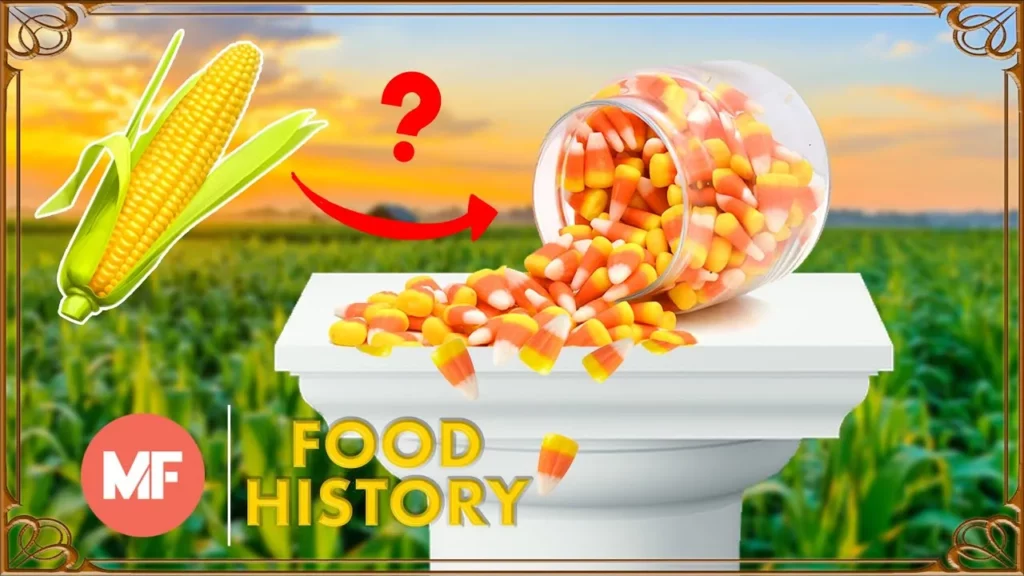
The lesson explores the history of candy corn, tracing its origins back to the 1880s when George Renninger created the candy as a cheaper alternative to marzipan. Initially popularized as “chicken feed,” candy corn became a Halloween staple in the early 1900s, thanks to its festive colors and convenient size for trick-or-treating. Today, despite mixed opinions about its taste, candy corn continues to be produced in large quantities and remains a beloved part of Halloween traditions in the United States.
“Weird Al” Yankovic: Pop Parody Royalty
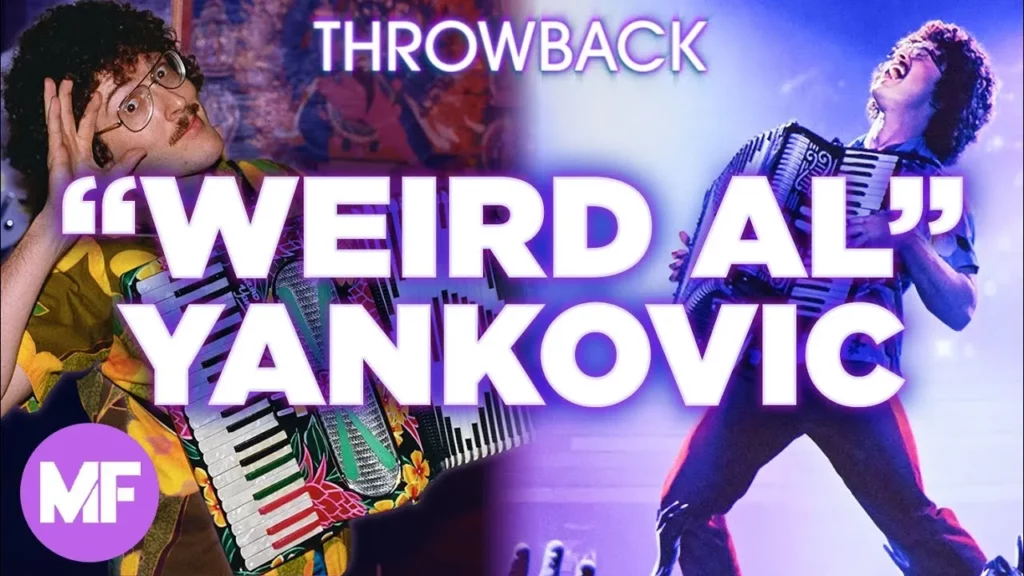
The lesson highlights the remarkable journey of Weird Al Yankovic, who began his career in 1982 facing skepticism from audiences but eventually became a beloved pop culture icon known for his humorous parodies of popular songs. Through perseverance and creativity, Al transformed his unique talent into a successful career, gaining respect from original artists and inspiring future generations. His story illustrates the power of humor and dedication in the music industry.
Beer Facts and Life Hacks! Scatterbrained
This lesson explores the intriguing relationship between beer, creativity, and problem-solving, highlighting a study that found moderate alcohol consumption can enhance certain creative thinking tasks while impairing others. Additionally, it offers practical life hacks for opening beer bottles without a traditional opener and shares fun facts about hops, emphasizing their historical significance and unique properties. The lesson also touches on how alcohol may influence moral decision-making, suggesting that inebriation can lead to more utilitarian choices in ethical dilemmas.
100 Facts About The British Royal Family

This lesson explores the complexities of the British Royal Family’s name, specifically the origins of “Mountbatten-Windsor,” and highlights key historical events, such as the abdication of Edward VIII and Queen Elizabeth II’s lengthy reign. It also delves into royal traditions, modern influences, and the evolving public perception of the monarchy, suggesting that while the royal family remains a significant cultural institution, its future may be uncertain.