
Do you need to wash food before eating it? – Big Questions – (Ep. 230)

The lesson emphasizes the importance of washing fruits and vegetables before consumption to remove harmful bacteria and dirt that may be present due to their growth in soil and exposure during transport. It highlights effective washing methods, such as using cold running water or a vinegar-water solution, while cautioning against washing meat and eggs to avoid cross-contamination. Overall, proper washing practices are essential for food safety and preventing foodborne illnesses.
Why don’t humans have a mating season? – Big Questions – (Ep. 23)
In this lesson, Craig explores the question of why humans do not have a defined mating season like many animals. Unlike other species that have specific breeding periods linked to reproductive cycles, humans experience a menstrual cycle that allows for sexual activity throughout the month. The lesson also touches on seasonal trends in human sexual behavior, suggesting that while there is no formal mating season, certain times of the year may influence increased sexual activity.
35 Facts about Rock Bands Show Ep. 413

In this lesson, John Green shares 35 fun and quirky facts about rock bands, highlighting their unique stories, unexpected collaborations, and interesting trivia. From Joey Ramone’s pen pal relationship with a CNBC host to the wild antics of The Who and the origins of band names like Pearl Jam and KISS, the lesson showcases the fascinating and often humorous side of rock music history. It emphasizes the blend of creativity, personality, and sometimes chaos that defines the rock genre.
50 More Facts About the 50 States (Ep.44)

This lesson takes readers on an engaging exploration of the 50 states in the U.S., highlighting unique and fun facts about each one. From Delaware’s gray fox to Alaska’s extensive coastline, the lesson showcases the diverse history, culture, and quirky trivia that make each state special, encouraging curiosity and appreciation for the nation’s rich tapestry.
Where did saying a guy was “hot” originate? – Big Questions (Ep. 16)

In this lesson, Josh Sundquist explores the origins of the phrase “a guy was hot,” tracing its evolution over approximately 700 years. Initially meaning related to heat, the term “hot” began to signify desire and attractiveness in the 1300s, as evidenced by historical examples from Chaucer and Shakespeare. By the 20th century, “hot” became slang for attractiveness, with its use to describe men first appearing in the 1985 book “Adrenaline.”
12 Fascinating Shipwreck Finds

The lesson explores twelve remarkable discoveries from shipwrecks, highlighting how these finds provide insights into history, culture, and even culinary practices. Notable examples include the revival of a 200-year-old beer from the Sydney Cove wreck, the tasting of 175-year-old champagne, and the discovery of ancient artifacts like the Antikythera mechanism. These underwater treasures not only tell fascinating stories but also enhance our understanding of past human experiences and innovations.
Food History: Pretzels
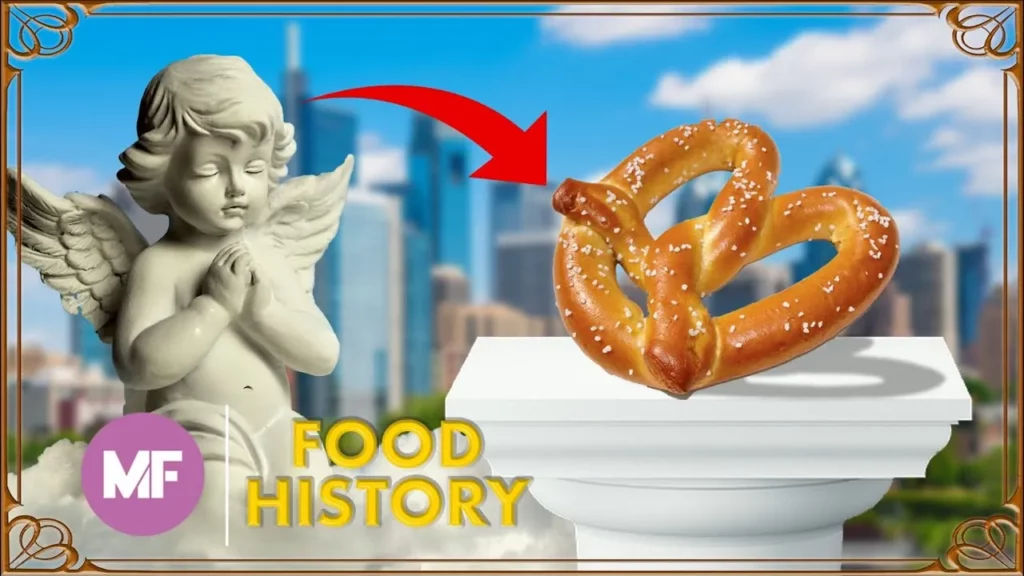
The lesson explores the rich history of pretzels, tracing their origins from a religious symbol in Christian traditions to a popular snack enjoyed worldwide. It highlights their significance during Lent in the Middle Ages, the evolution from soft to hard pretzels, and their cultural variations, including their resurgence in popularity during Prohibition in the United States. Ultimately, pretzels have transformed from a simple Lenten food into a beloved treat, with diverse forms and flavors across different cultures.
National Lampoon Made Stupid Comedy Smart
The lesson explores the history and influence of National Lampoon, a comedy powerhouse that began as a Harvard humor magazine and evolved into a significant force in American comedy through its edgy humor and iconic films. Key figures like Doug Kenny and Henry Beard played pivotal roles in its transformation, leading to successful ventures such as “Animal House” and the National Lampoon Radio Hour. Despite its decline in the 1980s and eventual cessation of publication in 1998, National Lampoon’s legacy continues to shape comedic expression and culture.
Food History: French Fries
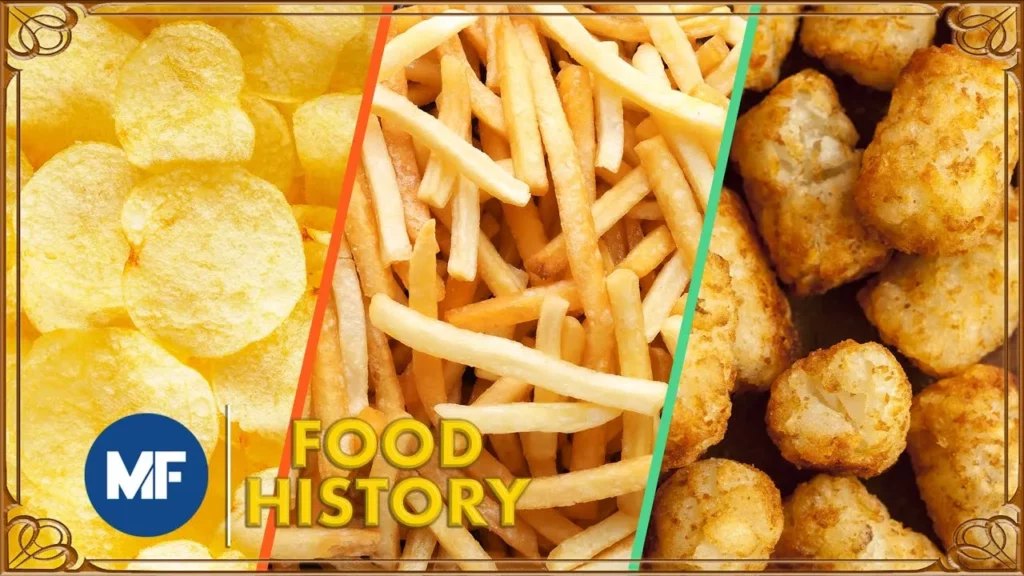
The lesson explores the intriguing history of French fries, tracing their origins to both France and Belgium, with stories suggesting they were first sold as “pommes de terre” in Paris or created from potatoes shaped like fish in Belgium. It highlights the journey of potatoes from skepticism to popularity in Europe, particularly through the efforts of Antoine-Augustin Parmentier, and discusses how French fries became a staple in America, especially during World War I, leading to their rise in fast food culture. The lesson also touches on various fried potato dishes, such as chips, hash browns, and tater tots, emphasizing the global love for fried potatoes.
21 Things That Turned 21 This Year (2015 edition) Show Ep. 343

In this lesson, John Green explores the cultural landscape of 1994, highlighting significant movies, TV shows, music, and events that turned 21 in 2015. He discusses iconic films like *Forrest Gump* and *Pulp Fiction*, the debut of beloved TV series such as *Friends* and *ER*, and notable births, including Justin Bieber. The lesson also touches on the impact of 1994’s innovations, such as the release of the PlayStation and the introduction of magic-scented crayons, while reflecting on the year’s notable losses and memorable events.