
Misconceptions about Appliances (Ep. 21)
This lesson addresses common misconceptions about household appliances, providing accurate information to enhance their effective use and potentially save money. Key points include the mechanics of refrigerators, the efficiency of dishwashers, the importance of cleaning coffee makers, and the proper care for various appliances like knives and hair dryers. Understanding these facts can lead to better maintenance and performance of household devices.
Misconceptions You Learned in School (Ep.1)
In this episode of Mental Floss, Elliot addresses several common misconceptions learned in school, clarifying historical and scientific inaccuracies. He discusses topics such as the true status of Delaware as a colony, the collaborative nature of the invention of the light bulb, and the realities behind myths like the Coriolis effect and the story of George Washington and the cherry tree. The lesson emphasizes the importance of questioning widely accepted beliefs and understanding the nuances behind them.
Misconceptions about Technology (Ep.5)
In this lesson, Elliot addresses common misconceptions about technology, debunking myths such as the belief that Macs are virus-proof and that using cell phones at gas stations is dangerous. He also clarifies misunderstandings about file deletion, the potential health risks of cell phone use, and the demographics of gamers, providing surprising truths about the internet and technology usage.
Outtakes 3! (Ep 53.5)
In this lesson, the speaker shares a series of humorous anecdotes and quirky observations, ranging from penguins in buckled hats to the challenges of using a teleprompter. They touch on various topics, including a juice cleanse, the unique taste of Weemack Scottish Ale, and fun facts like Felix the Cat being the first balloon in the Macy’s Thanksgiving Day Parade, all while engaging with the audience through questions and playful commentary. The overall tone is lighthearted and whimsical, encouraging listeners to embrace the unexpected moments in life.
Why are the numbers on calculators and phones opposite? – Big Questions – (Ep. 31)
The lesson explores the differing layouts of numbers on phones and calculators, explaining that their unique designs stem from separate historical developments. Phones adopted a layout based on user preferences for reading order, while calculators were influenced by older adding machines, leading to the distinct arrangements we see today. This divergence highlights how technology can evolve in various ways to meet different needs, adding an interesting layer to our everyday devices.
The Garbage Pail Kids’ Snot-Soaked Story
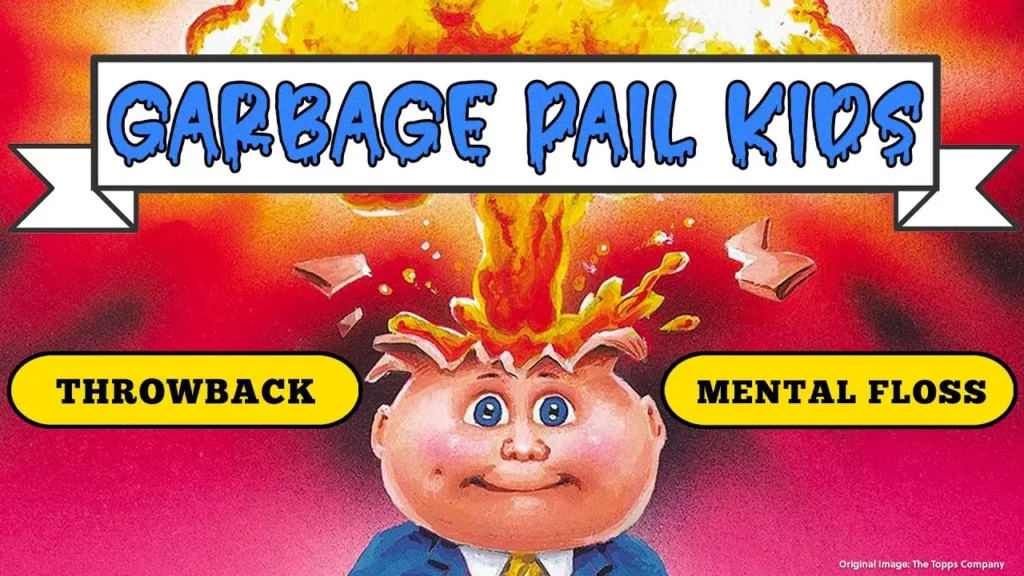
The lesson explores the rise and cultural impact of the Garbage Pail Kids, a parody of the popular Cabbage Patch Kids that emerged in the 1980s. Created by Topps, these trading cards featured humorous and gross characters, capturing the attention of children despite facing backlash from parents and legal challenges from the Cabbage Patch brand. The Garbage Pail Kids became a symbol of rebellion against conventional toys, maintaining popularity through various revivals and anniversaries over the years.
Why do we close our eyes when we sneeze? – Big Questions – (Ep. 228)
The lesson explores the reasons behind the reflex of closing our eyes when we sneeze. It explains that sneezing is triggered by irritation in the nose, which sends signals to the brain, leading to the automatic closing of the eyes as a protective measure against particles and mucus. Additionally, it debunks the myth that closing our eyes prevents them from popping out, emphasizing that this reflex is a natural response rather than a protective mechanism against such an occurrence.
Misconceptions Bloopers (12-30) (Ep. 32.5)
In this lesson, we explored common misconceptions and intriguing facts, highlighting that flamethrowers are not universally illegal and that washing your face with dish soap can be harmful to your skin. We also learned about the challenges of reading from a teleprompter and the complexities of psychological terms like the Oedipus and Electra complexes. Overall, the lesson encourages curiosity, the importance of asking questions, and the joy of discovering new information.
25 Weird Old Predictions For The 21st Century
The lesson explores a variety of quirky predictions made by notable figures about life in the 21st century, ranging from Nikola Tesla’s belief that people would stop drinking coffee to Isaac Asimov’s visions of underground cities and plant-based foods. While many of these forecasts did not come to fruition, some elements, such as the rise of plant-based diets and advancements in technology, reflect a blend of imagination and reality. The lesson highlights how these predictions, though often whimsical, can inspire contemporary thought and innovation.
25 Acronyms & Initialisms
In this lesson, Justin Dodd explores 25 acronyms and initialisms, shedding light on their meanings and interesting origins. From familiar terms like ASAP and GEICO to lesser-known ones like POG and LED, the lesson highlights how these abbreviations have evolved and their significance in everyday language and culture. Additionally, it touches on the concept of bacronyms, where existing words are retroactively assigned meanings, enhancing our understanding of language and communication.