
Misconceptions about Things that Kill You (Ep. 37)

In this lesson, we explored common misconceptions about dangerous situations, debunking myths that can lead to harmful decisions in emergencies. Key takeaways include the fact that quicksand is not as dangerous as believed, impaled objects should not be removed, and drinking from cacti or urine can worsen dehydration. Additionally, we learned about the risks associated with house fires, winter tornadoes, and incorrect responses to bear attacks and snakebites.
One Urban Legend From Each State: North Carolina #history #urbanlegend #northcarolina
The lesson explores the urban legend surrounding the mysterious shipwreck of the Carol A. Deering, which was found abandoned off the coast of North Carolina in 1921. Theories about the crew’s disappearance range from mutiny and pirate involvement to a fabricated message in a bottle suggesting Bolshevik involvement, but the true fate of the crew remains unsolved, adding to the intrigue of the tale. This story exemplifies how urban legends can blend mystery and adventure, captivating the imagination of those who hear it.
10 Facts about the Animals of Chernobyl

The lesson highlights the unexpected resurgence of wildlife in the Chernobyl Exclusion Zone following the 1986 nuclear disaster, particularly the thriving population of Przewalski’s horses and other species due to reduced human interference. While low-level radiation poses some risks, it appears less detrimental than human activities like habitat destruction, leading to a complex interplay of resilience and vulnerability among the area’s animals. The ongoing debate about radiation’s effects on wildlife underscores the unique ecological dynamics in this historically significant environment.
The Behind the Scenes Secrets of Shopping Malls Scatterbrained

This lesson explores the intriguing history and design of shopping malls, highlighting the contributions of architect Victor Gruen, who envisioned malls as community spaces rather than mere shopping destinations. It discusses the “Gruen Effect,” which encourages aimless wandering in malls, and shares fun facts about department stores, the evolution of malls from ancient marketplaces to modern shopping centers, and the impact of online shopping on their popularity. Additionally, it offers practical parking tips for navigating busy malls, especially during the holiday season.
26 Scientific Studies about Animals Show Ep. 444

In this lesson, Mike Retto explores fascinating scientific discoveries about various animals, highlighting their intelligence and unique behaviors. From Alex the parrot’s ability to communicate and capuchin monkeys using tokens as currency to the social dynamics of lemurs and the voting behavior of bison, the lesson showcases the remarkable adaptability and cognitive skills of different species. The discussion emphasizes the importance of curiosity in understanding the animal kingdom and the intricate ways animals interact with their environment and each other.
The Lively History of Coffin Bread
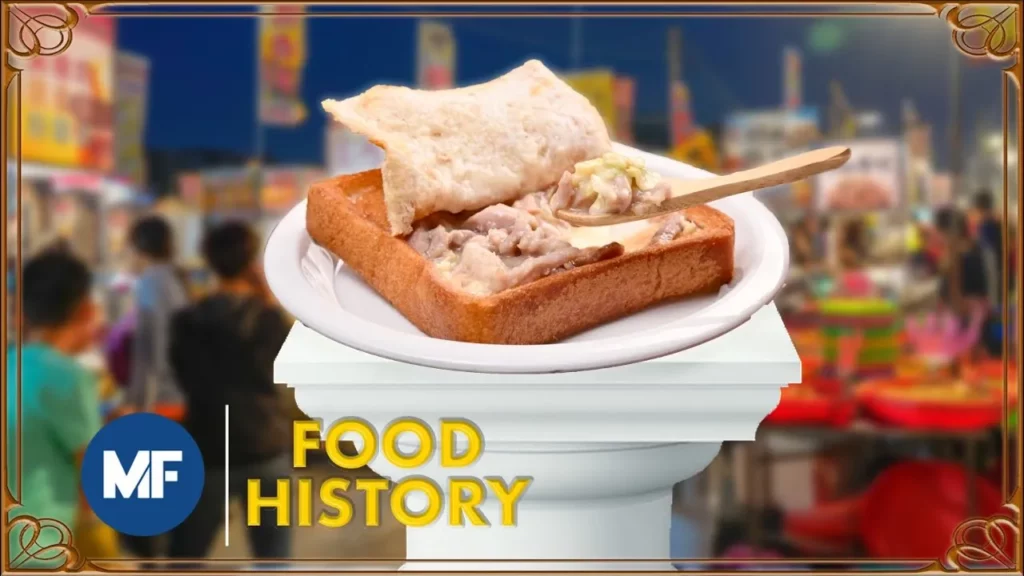
The lesson explores the intriguing history of coffin bread, a unique dish created in 1959 by ShuLu Yi in Tainan, Taiwan. Originally made with chicken liver and squid encased in deep-fried toast, the dish gained its name due to its coffin-like appearance and reflects Taiwan’s evolving culinary landscape influenced by wheat imports and cultural exchanges following the Chinese Civil War. Over the years, coffin bread has adapted to include various fillings, maintaining its nostalgic charm while connecting the past with contemporary Taiwanese cuisine.
How to Start a Fire Without Matches — Be More Interesting (Pt. 3 of 8)

In this lesson, we learned how to start a fire without matches using primitive skills, specifically through the use of a bow drill kit. This technique involves creating friction between two sticks to produce an ember, which can then be ignited in a tinder bundle made of dry materials like cedar bark. Practicing this skill not only enhances survival techniques but also connects us to the resourcefulness of our ancestors.
Lobsters pee out of their faces. #lobster #funfact #weird
Lobsters communicate in a unique way by excreting urine from their faces, which plays a crucial role in their social interactions, particularly during fights and mating. This unusual method allows them to send signals to assert dominance or attract mates, with female lobsters releasing pheromones in their urine to calm potential partners and avoid being eaten. Overall, this fascinating behavior highlights the diversity and complexity of animal communication.
The Rise and Fall of G.I. Joe
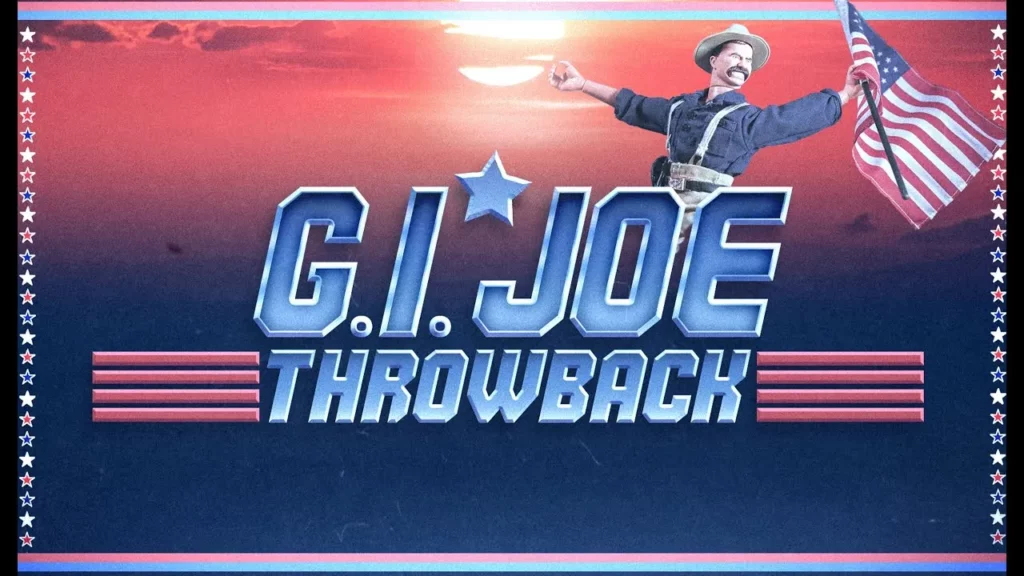
The lesson explores the rise and fall of G.I. Joe, highlighting its origins as a military-themed toy that became a cultural phenomenon through innovative marketing and storytelling. Initially launched by Hasbro in the 1960s, G.I. Joe evolved into a multimedia franchise, including cartoons and comics, but faced decline in the late 1980s due to competition. Despite this, the brand’s legacy endures, showcasing its ability to adapt and resonate with audiences over the decades.
25 Things You Might Not Know about Harry Potter Show (Ep. 230)

In this lesson, John Green explores intriguing facts about the Harry Potter series, highlighting its origins, character connections, and behind-the-scenes anecdotes from the films. He shares insights into J.K. Rowling’s inspirations, the significance of character deaths, and casting choices, revealing how these elements contributed to the beloved franchise’s enduring popularity. The lesson emphasizes the cultural impact of Harry Potter, illustrating how it has captivated readers and viewers alike.