
Misconceptions about Sleep
This lesson addresses common misconceptions about sleep, clarifying that older adults still require 7 to 8 hours of sleep, dreams can occur in all sleep stages, and exercising at night does not necessarily disrupt sleep quality. Additionally, it dispels myths about counting sheep as a sleep aid, the brain’s activity during sleep, and the effects of sleepwalking, while emphasizing the importance of adequate rest for overall health.
29 Odd Old-Timey Life Hacks

This lesson explores 29 quirky life hacks from the Victorian era and beyond, highlighting how people creatively addressed everyday challenges without modern technology. From making “toast water” to unusual beauty remedies and household solutions, these historical tips provide a fascinating glimpse into past lifestyles, though many are no longer considered safe or practical today. Overall, the lesson serves as an entertaining way to reflect on historical ingenuity while cautioning against trying these outdated methods.
21 Famous Homes with Amazing Features Show Ep. 424

In this lesson, John Green takes us on a fascinating tour of 21 famous homes, highlighting their unique and extraordinary features. From the Kennedy family’s ship-hull wine cellar to the secret passages of the Winchester Mystery House, each residence showcases remarkable elements that reflect the personalities and histories of their owners. The exploration emphasizes the creativity and luxury found in these iconic homes, inviting viewers to imagine their own dream home features.
Why Does Your Voice Get Higher When You Inhale Helium? – Big Questions (Ep. 11)

In this lesson, Craig explains why inhaling helium causes your voice to sound higher. He discusses the nature of sound, how vocal cords produce sound, and how helium’s lower density allows sound waves to travel faster, altering the timbre of the voice without changing the pitch. The lesson also emphasizes the importance of safety, warning against the dangers of inhaling helium due to potential oxygen deprivation.
Misconceptions about Popular Stories (Ep. 32)

In this lesson, Elliott addresses common misconceptions surrounding well-known stories, clarifying details about characters and events that are often misunderstood. For example, he explains that Cinderella’s glass slippers may have originated from a translation error, and that Sherlock Holmes was much younger than commonly portrayed in adaptations. The lesson also debunks myths about other literary figures and events, such as the true nature of Juliet’s famous line and the historical accuracy of King Arthur and the Trojan War.
10 Cursed Objects

The lesson explores the intriguing concept of cursed objects, highlighting various items believed to bring misfortune to their owners or those associated with them. Notable examples include Ötzi the Iceman, whose discovery has been linked to a series of mysterious deaths, and Robert the Doll, which is said to cause strange occurrences. Other cursed items discussed include a chest of drawers with a dark history, Carl Pruitt’s tombstone, and James Dean’s Porsche, all contributing to the folklore surrounding cursed artifacts.
Summer Facts and Life Hacks! Scatterbrained

This lesson explores the joys of summer through fun facts, delicious treats, and practical life hacks. It highlights the history of popular summer snacks like sno-cones and popsicles, shares unique summer landmarks, and offers useful tips for enjoying the season safely and creatively. Additionally, it emphasizes the importance of sun safety while encouraging readers to make the most of their summer experiences.
Misconceptions about Hiccups(Ep. 45)
In this lesson, Ellie discusses common misconceptions about hiccup remedies, emphasizing that many popular beliefs lack scientific support. While the exact cause of hiccups remains uncertain, various traditional remedies—such as holding your breath, getting scared, or drinking water—have been shown to be ineffective or unsupported by research. Ultimately, there is no confirmed cure for hiccups, and remedies that work for some individuals may not be universally effective.
Misconceptions About Cats
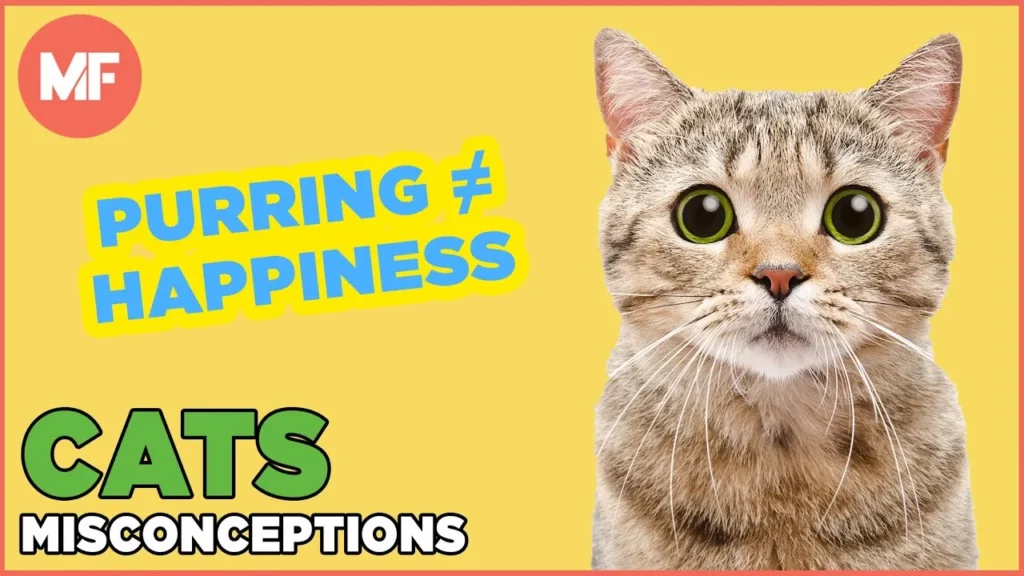
The lesson addresses common misconceptions about cats, emphasizing that meowing is primarily a form of communication with humans rather than with other cats. It debunks myths such as the idea that cats can harm babies and that they are inherently unfriendly, highlighting their unique ways of showing affection and the importance of understanding their behaviors, like purring and scratching. Additionally, it touches on the cultural perceptions of black cats, the risks faced by outdoor cats, and the benefits of training and mental stimulation for feline companions.
10 Strange Unsolved Crimes

In this lesson, we explored ten strange unsolved crimes, ranging from the mysterious murder of gold mine tycoon Sir Harry Oaks to the audacious Isabella Stewart Gardner Museum heist. Each case highlights the complexities of investigations, the influence of powerful figures, and the enduring mysteries that continue to captivate public interest, such as the theft of a diamond-encrusted cheese slicer and the unsolved murders linked to historical figures. The lesson invites further exploration into these intriguing mysteries and sets the stage for future discussions on related topics like UFOs.