
How to Form Habits That (Actually) Stick
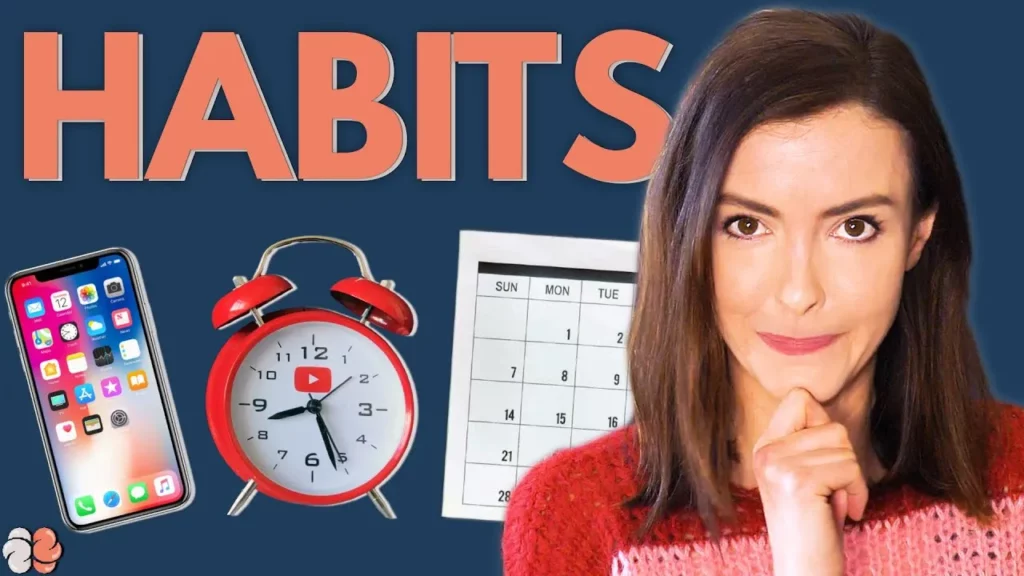
The lesson emphasizes that forming and breaking habits is a gradual process influenced more by contextual cues than by willpower. It highlights the importance of understanding the “habit loop,” which consists of cues, behaviors, and rewards, and suggests that altering the environment can help in changing unwanted habits. By making positive behaviors easier to adopt and integrating rewarding activities, individuals can create lasting habits that enhance their productivity and well-being.
Do Dogs Really Miss Us?

The lesson explores whether dogs truly miss their owners when they are apart, highlighting the emotional connections dogs have with humans. Scientific studies indicate that dogs exhibit positive responses to familiar scents and prefer their owners over strangers, suggesting a bond that resembles affection. While dogs may not have a clear understanding of time, their behavior changes based on the duration of separation, reinforcing the idea that they do miss their owners in their own way.
The Upside of Social Media Narcissism
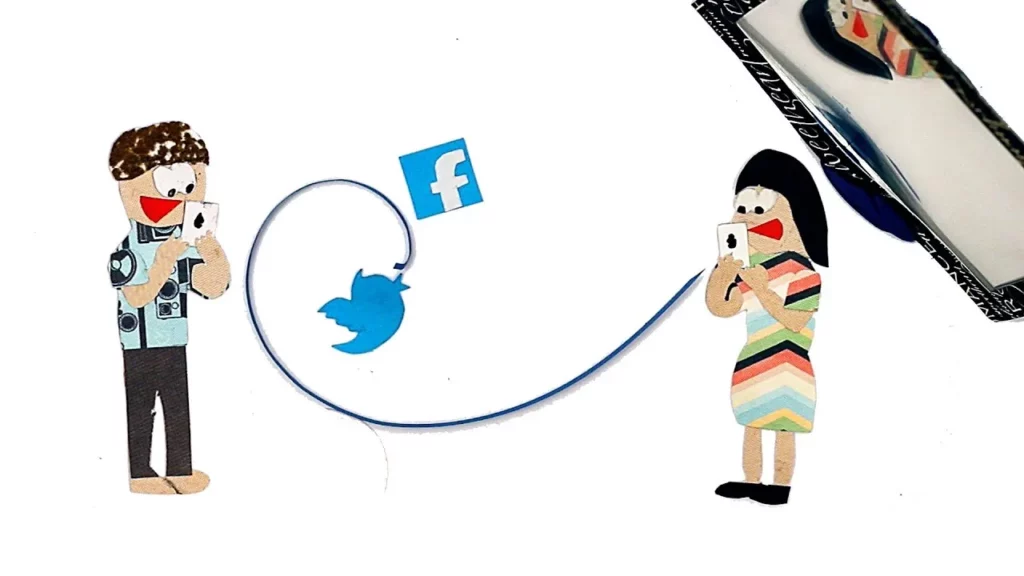
The lesson explores the complex relationship between social media and narcissism, highlighting that while research indicates higher levels of narcissism among today’s youth compared to previous generations, this trend may not be entirely negative. It suggests that moderate narcissism can foster positive traits such as assertiveness and self-esteem, and that self-reflection prompted by social media can lead to improved self-awareness and honesty. Ultimately, the lesson encourages a nuanced view of narcissism, recognizing both its potential drawbacks and benefits in the context of modern society.
Could This Robot Improve Your Sleep? | Sleeping With Friends
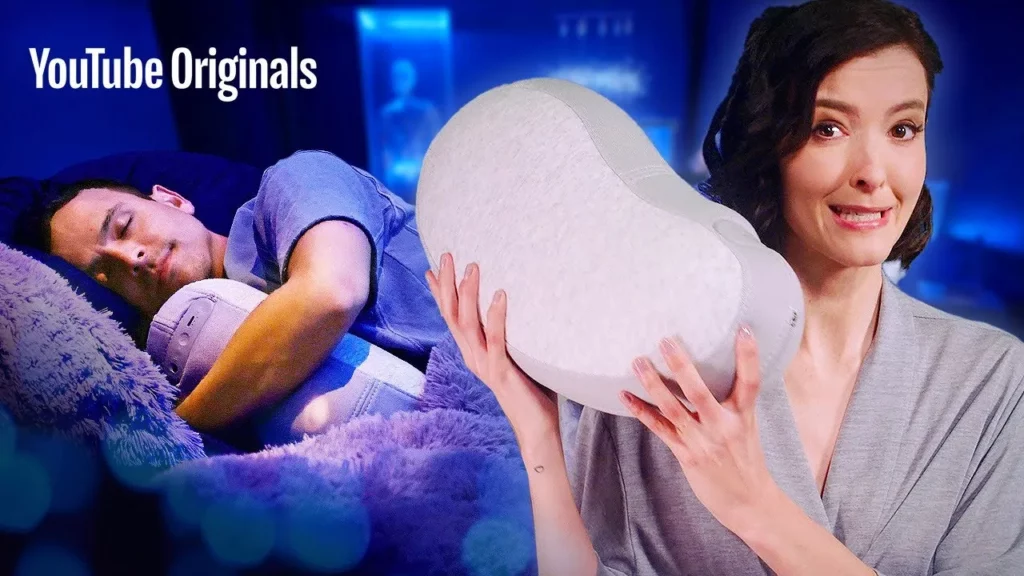
In the lesson “Could This Robot Improve Your Sleep? | Sleeping With Friends,” contestants Mitchell and Donna face their unique sleep challenges in a competition that combines entertainment with sleep science. Through monitoring and expert insights, viewers learn about the importance of sleep hygiene, the impact of anxiety and sleep disorders, and practical strategies for improving sleep quality. The episode emphasizes that with the right techniques and routines, anyone can enhance their sleep experience.
Does Technology Ruin Relationships?
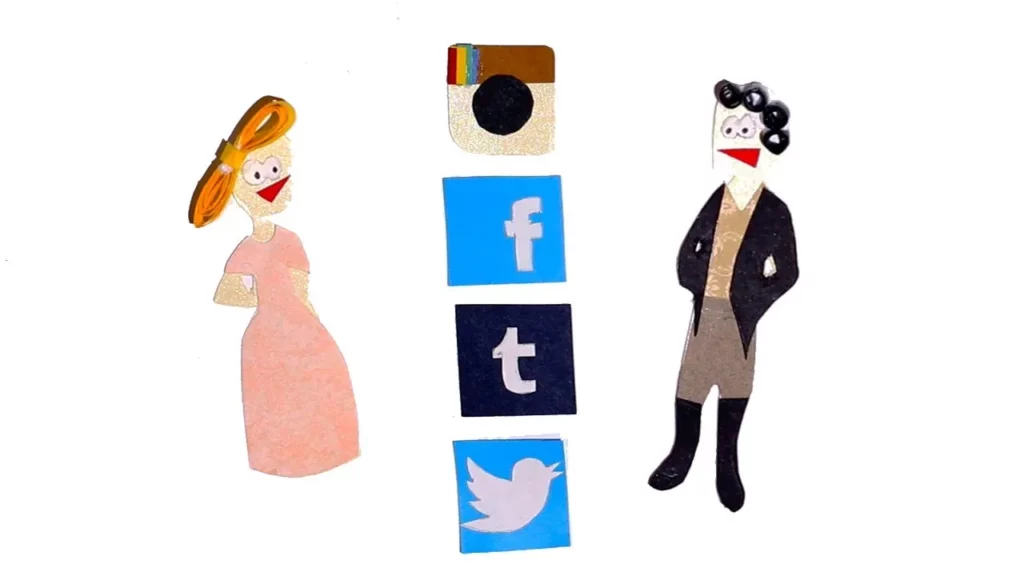
The lesson explores the complex relationship between technology and interpersonal connections, particularly focusing on social media’s impact on relationships. While excessive use of platforms like Facebook can lead to jealousy and conflict, technology also serves as a tool for fostering intimacy and connection, influenced by individual attachment styles. Ultimately, the effect of technology on relationships depends on how it is used, highlighting that it can facilitate both positive and negative interactions rather than inherently ruining relationships.
The Meat Paradox

The lesson on “The Meat Paradox” explores the internal conflict many individuals face between enjoying meat and believing in animal welfare, highlighting the cognitive dissonance that arises from holding conflicting beliefs. It emphasizes the importance of recognizing these inconsistencies in our moral beliefs and behaviors, encouraging individuals to strive for alignment between their actions and values while fostering understanding and kindness towards others. Ultimately, the lesson suggests that while there may not be a straightforward solution to this paradox, acknowledging our complexities can lead to more mindful choices regarding consumption and ethical considerations.
You Need to Rest (I’m sick of this TikTok trend reaction)

The lesson emphasizes the importance of rest and the value of embracing “doing nothing” in a fast-paced, productivity-driven society. It highlights the benefits of mental downtime for creativity and problem-solving, while also addressing the need for self-compassion and awareness of mental health. Ultimately, the lesson encourages individuals to challenge hustle culture, recognize the significance of unstructured leisure time, and prioritize their well-being through mindful rest.
How Remixes Hijack Your Brain
The lesson “How Remixes Hijack Your Brain” explores the transformative power of remixes in modern culture, highlighting their ability to engage audiences through nostalgia, cognitive fluency, and humor. By examining examples like the resurgence of “All-Star” and the impact of political remixes, the lesson illustrates how participatory creativity thrives on platforms like YouTube, allowing individuals to reshape narratives and influence public perception. Ultimately, remixes serve as a compelling medium that resonates with our emotions and reflects the collaborative nature of human creativity.
Your Body on Carbs
The lesson “Your Body on Carbs” explains the essential role carbohydrates play as the primary energy source for the body, detailing their types—sugars, starches, and dietary fiber—and the digestion process. It highlights how glucose, derived from carbohydrates, is crucial for energy, particularly for the brain, while also addressing the potential negative effects of excessive sugar intake, such as insulin resistance and brain health issues. Ultimately, the lesson emphasizes the importance of a balanced diet that includes carbohydrates to ensure optimal body and brain function.
The Selfish Benefits of Kindness
The lesson “The Selfish Benefits of Kindness” emphasizes that engaging in acts of kindness can significantly enhance our well-being and happiness. Research indicates that even small, intentional acts of kindness can lead to increased life satisfaction, improved mood, and potential physical health benefits, such as reduced pain and slower cellular aging. By setting kindness goals and incorporating daily acts of kindness into our routines, we can experience these positive effects for ourselves and others.