
Do YOU Delay Going to Bed? Help My Research!

The lesson invites individuals who struggle with delaying bedtime to participate in a research study aimed at understanding sleep habits. Participants will engage in Zoom interviews to share their experiences, particularly focusing on those who have recently started new jobs after completing their education. Additionally, resources for improving sleep are provided for those unable to participate in the study.
Mind-Blowing Illusions That Trick Multiple Senses

This lesson explores mind-blowing illusions that deceive not only our visual perception but also our sense of touch. It highlights various geometrical-optical illusions, such as the Zöllner, Poggendorff, and Müller-Lyer illusions, demonstrating that both sighted and blind individuals can experience these deceptions, albeit in different ways. The findings emphasize the intricate relationship between our senses and the implications for enhancing haptic perception and accessibility in design.
The Power of Sadness in Inside Out
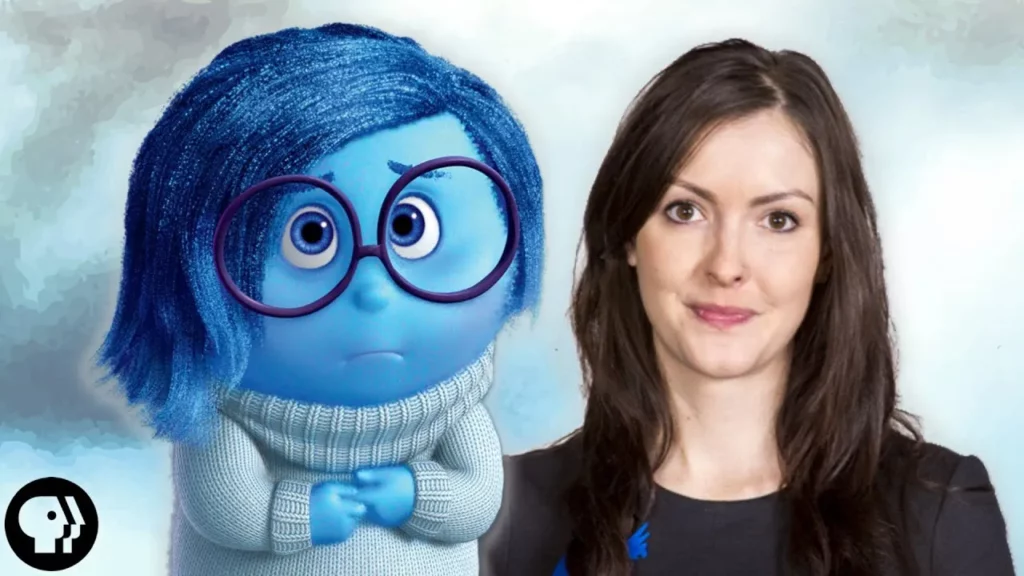
The lesson explores the significance of sadness and other emotions often perceived as negative, as illustrated in Disney Pixar’s *Inside Out*. It emphasizes that emotions like sadness are essential for personal growth and decision-making, encouraging individuals to embrace their full emotional spectrum rather than suppressing negative feelings. By understanding that both positive and negative emotions play vital roles in our lives, we can foster resilience and wisdom.
Can Computers Have Personalities?

The lesson explores the intriguing question of whether computers can possess personalities, drawing parallels between the Rorschach test and the responses of different artificial intelligence systems. It discusses the Turing Test as a measure of machine intelligence and introduces the concept of “Robopsychology,” suggesting that robots may need personalities to enhance their functionality. Ultimately, the lesson raises thought-provoking questions about the nature of personality in both humans and machines, inviting viewers to consider the implications of AI’s unique responses and interactions.
What Everyone Gets Wrong About Procrastination
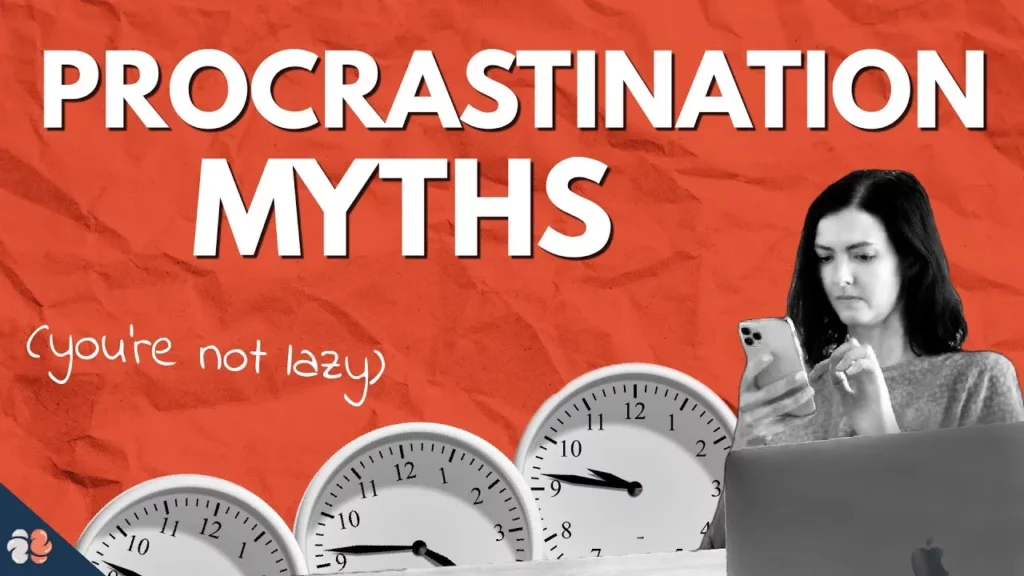
The lesson on procrastination emphasizes that it is often mischaracterized as laziness, when in fact it involves delaying tasks rather than avoiding them entirely. It highlights the detrimental cycle of guilt that can exacerbate procrastination and offers four strategies to overcome it: practicing self-forgiveness, reframing “should” statements, visualizing task completion, and scheduling breaks. Ultimately, embracing self-compassion and understanding the nature of procrastination are key to managing it effectively.
Comment Responses: MUTANT MENU
In the lesson on “Comment Responses: MUTANT MENU,” the discussion revolves around the film “Gattaca” and its themes of DNA and gene editing, as explored in the video “Mutant Menu.” Key topics include the ethical implications of genetic modification, ownership of genetic code, and the potential societal impacts of gene editing, particularly concerning inequality and diversity. The lesson also highlights viewer engagement and personal stories related to genetic diseases, emphasizing the importance of scientific exploration while considering the psychological effects of advancements in genetics.
I Built A Bot To Help You Go To Bed
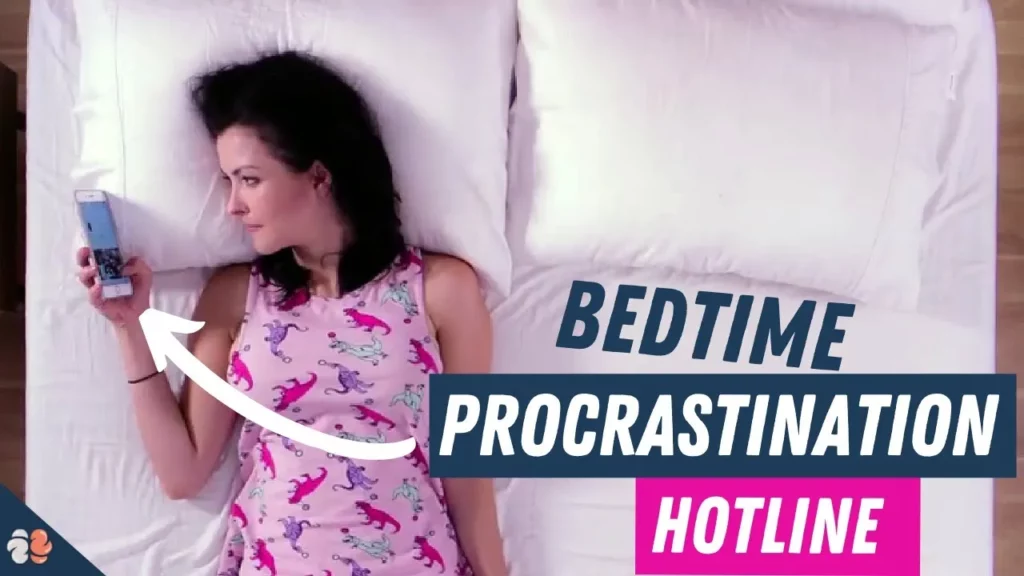
The lesson discusses the creation of a text message bot designed to help individuals combat bedtime procrastination, a common issue where people delay sleep for short-term activities. The bot encourages users to develop personalized strategies using “Implementation Intentions,” which are specific plans to cue behavior changes, ultimately aiming to improve sleep habits and overall well-being. Despite initial success, the lesson highlights the need for ongoing support and tailored approaches to achieve lasting behavior change in sleep routines.
100 LAYERS OF CREDIBILITY

The lesson “100 Layers of Credibility” explores how makeup and appearance can influence perceptions of credibility, trustworthiness, and attractiveness through cognitive biases like the halo effect. Research indicates that while makeup can enhance initial impressions, its impact on trust varies depending on context and the observer’s mode of thinking. Ultimately, understanding these dynamics can help individuals navigate their presentation in different situations, balancing confidence with the need for credibility.
BrainCraft Behind The Scenes: BLOOPERS! Vol. 1

The lesson provides a behind-the-scenes look at the creation of BrainCraft videos, highlighting the blend of creativity and science while showcasing humorous bloopers and unexpected moments that occur during filming. It emphasizes the importance of brain development, audience engagement, and the value of preparation, all wrapped in a lighthearted narrative that makes learning enjoyable. Ultimately, the article illustrates that even in polished content, relatable and funny experiences contribute to the charm of educational storytelling.
Can You Win This Game?

The lesson explores the Ultimatum Game, a scenario where two players must decide how to split a pot of money, highlighting the complexities of fairness and decision-making. Research indicates that factors such as brain chemistry and external stimulation can significantly influence players’ offers and acceptance rates, revealing a tension between rational self-interest and a desire for equitable outcomes. Ultimately, the lesson prompts reflection on what it means to “win” in this context, challenging participants to consider their own strategies and perceptions of fairness.