
Why You Should Stop Using Times New Roman (Research Explains)

The lesson discusses the ongoing debate surrounding font readability and aesthetics, particularly focusing on Times New Roman, Arial, and Comic Sans. It highlights that while Times New Roman is traditionally favored in academia, research does not strongly support its superiority in readability compared to sans serif fonts like Arial. Ultimately, the article emphasizes that font choice is subjective, with individual preferences varying widely, and suggests that factors like font size may play a more significant role in readability than the font type itself.
3 Brain Teasers! ft. Physics Girl, Idea Channel & Joe Hanson
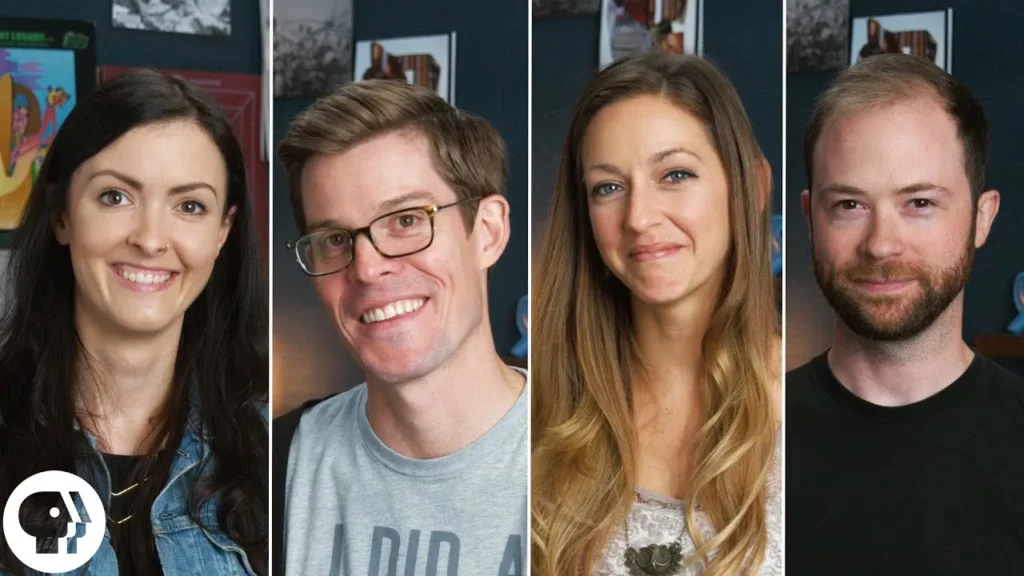
In this lesson, Vanessa, Dianna, Mike Rugnetta, and Joe explore three brain teasers that illuminate cognitive processes and human psychology. The puzzles, including the Candle Problem, Mary’s Mother Puzzle, and the Stroop Test, reveal insights into concepts like functional fixedness, heuristics, and cognitive processing challenges, demonstrating how our minds work and the importance of creative problem-solving. Engaging with these brain teasers not only entertains but also enhances our understanding of cognitive functions and decision-making.
Real Psychologist Reacts To My Brain Tips ft. @drali
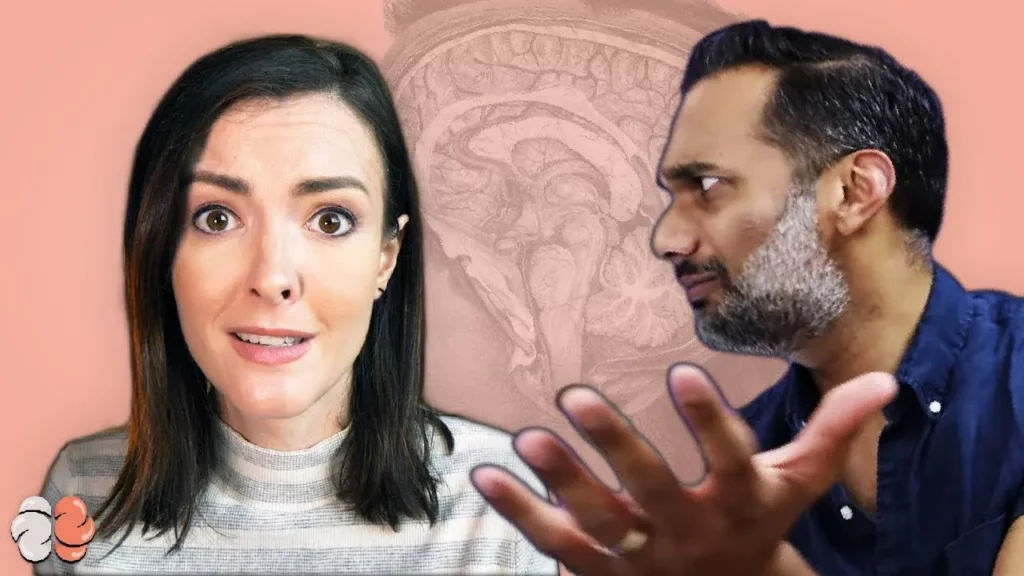
In this lesson, Dr. Ali Mattu shares practical psychology tips aimed at improving social interactions and self-esteem, especially for individuals facing social anxiety or autism. Key strategies include asking questions to engage new people, shifting from apologies to expressions of gratitude, understanding the ‘liking gap,’ performing acts of kindness, and offering specific praise, all of which can enhance personal connections and foster personal growth.
This is What Your Sleep Sounds Like | discussing Max Richter’s SLEEP
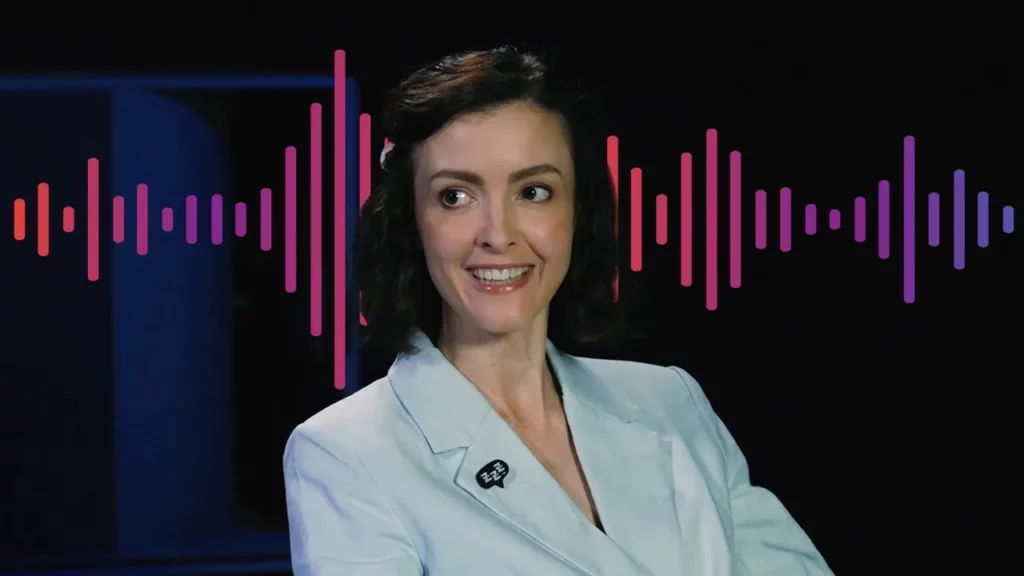
This lesson explores the intersection of sleep, music, and science through Max Richter’s innovative eight-and-a-half-hour composition, “Sleep.” The piece is designed to enhance the sleeping experience by incorporating rhythmic elements that support restful sleep, while also inviting personal interpretation and engagement. Additionally, it highlights the symbiotic relationship between art and science, emphasizing the importance of music in creating a calming atmosphere and aiding relaxation in our fast-paced lives.
Why We Can’t Deliver Drugs to the Brain
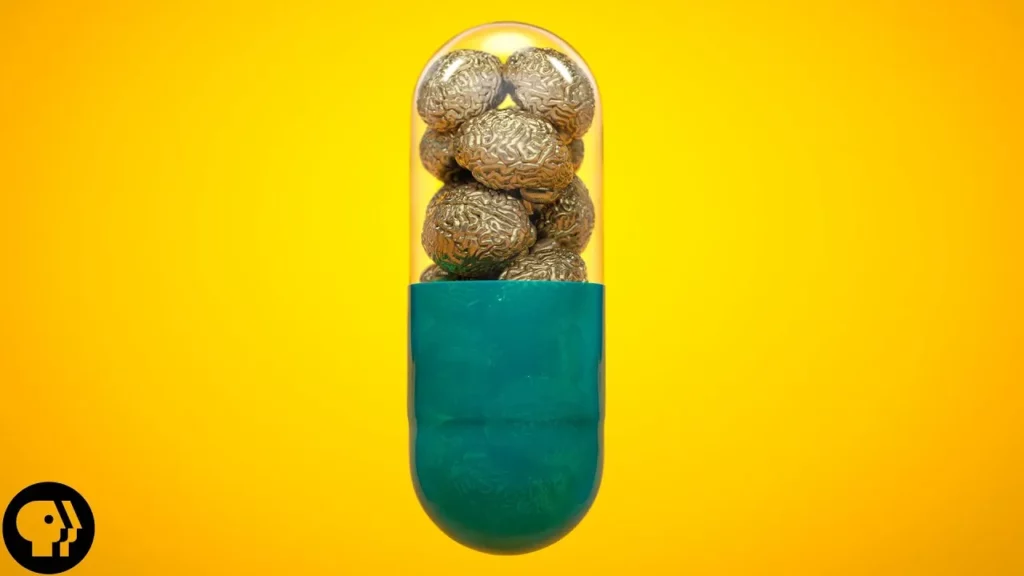
The lesson discusses the challenges of delivering medications to the brain due to the Blood-Brain Barrier (BBB), which blocks about 95% of drugs taken orally or through injections. While the BBB protects the brain from harmful substances, it also hinders necessary treatments for conditions like brain tumors. Scientists are exploring innovative solutions, such as disguising medications to mimic substances that can cross the barrier, using harmless viruses as delivery vehicles, and employing techniques like magnetic nanoparticles and tiny bubbles to facilitate drug delivery, offering hope for improved treatments in the future.
Can You Boost Your Creativity?
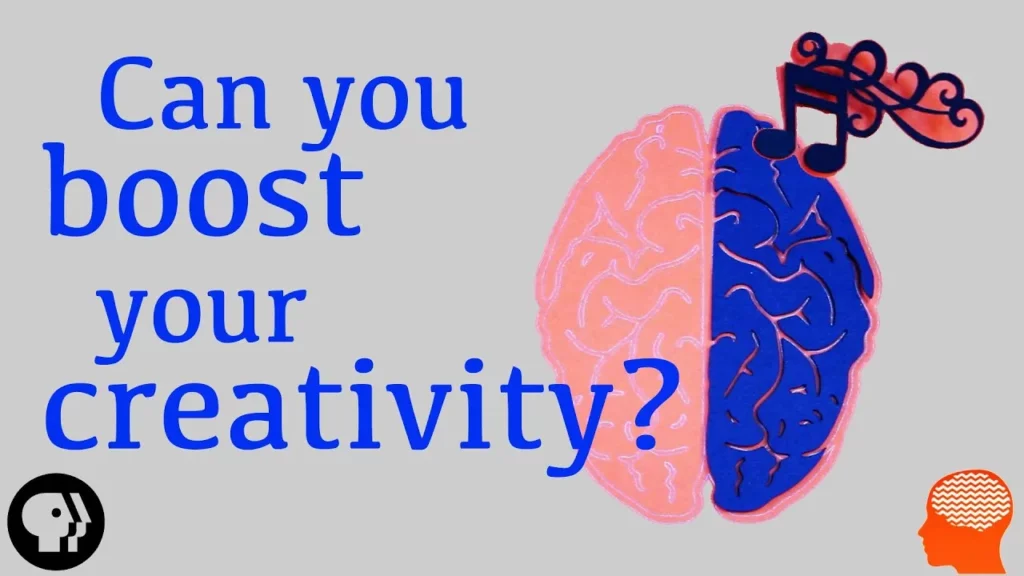
The lesson explores how specific routines and activities can enhance creativity, drawing on historical examples of famous writers and musicians who engaged in movement to stimulate their creative processes. It highlights recent scientific findings that suggest creativity involves the interaction of multiple brain networks, and that a slight reduction in focused attention can actually boost creative thinking. To foster creativity, the lesson encourages embracing spontaneity through activities that allow the mind to wander, such as walking or engaging in playful tasks.
How Brain Training Improves Sports Performance
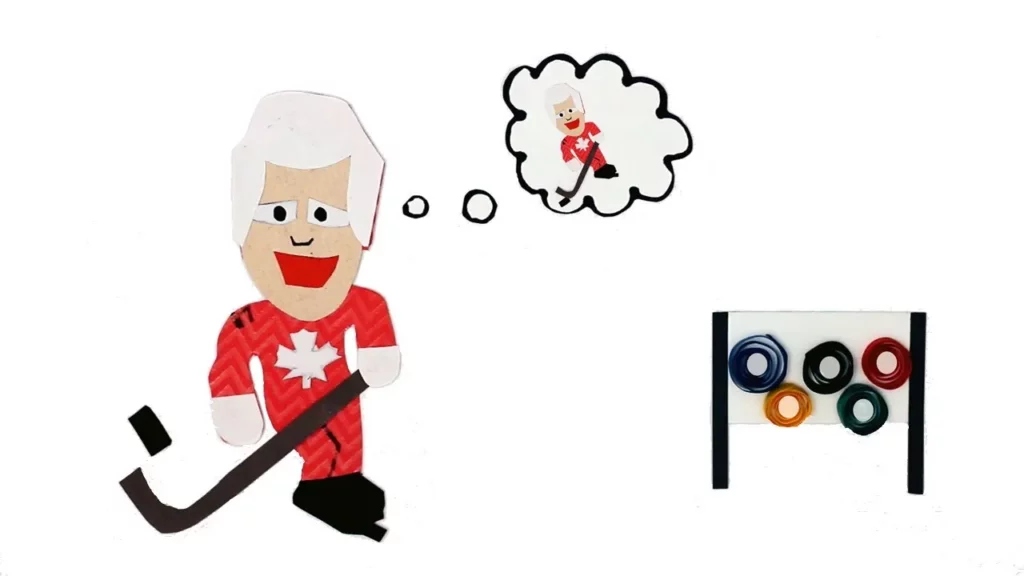
The lesson emphasizes the significant role of mental strength in enhancing sports performance through brain training techniques, particularly motor imagery. A study involving competitive skiers demonstrated that athletes who practiced dynamic visualization while on the slopes achieved faster race times and greater confidence compared to those who engaged in static imagery or no visualization at all. This highlights the importance of integrating mental practice with physical training to improve athletic skills and performance.
People Now Have ‘Eco-Anxiety’. I’m One of Them.
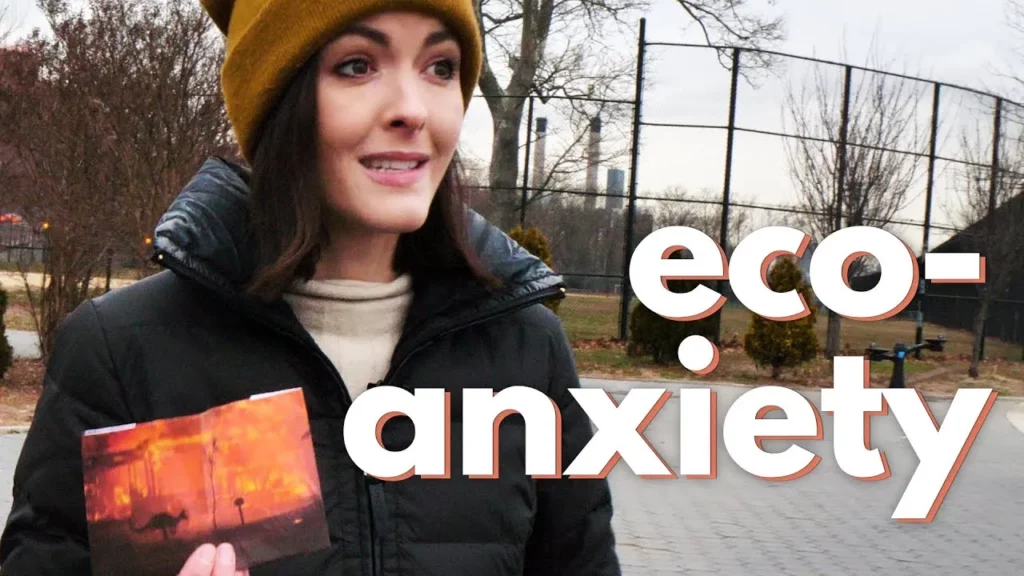
The lesson discusses the phenomenon of “eco-anxiety,” a term coined by the American Psychological Association to describe the fear of environmental disasters, which is increasingly affecting individuals, particularly in urban areas like New York City. The author reflects on personal feelings of anxiety regarding climate change and its tangible impacts, such as rising sea levels and extreme weather events, while also highlighting the importance of taking action—no matter how small—as a way to cope with these feelings. Ultimately, the lesson emphasizes that acknowledging eco-anxiety can be a sign of caring about the environment, and engaging in activism or supportive actions can help alleviate these concerns.
The Weird World of Animal Mating | ft. Dr. Carin Bondar!
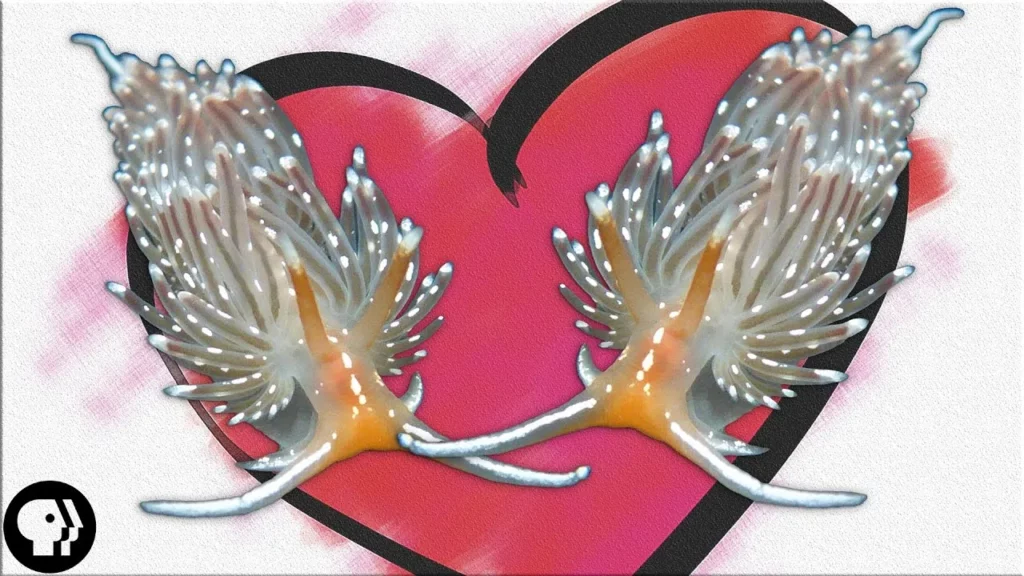
In this lesson, we explore the fascinating mating behaviors of nudibranchs, unique sea slugs that are hermaphrodites and employ intriguing reproductive strategies to enhance their biological fitness. With insights from biologist Dr. Carin Bondar, we learn how nudibranchs can influence their partners’ mating behaviors through chemical interactions, as well as how these strategies compare to other species in the animal kingdom. The lesson concludes with a reflection on the importance of delayed gratification, drawing a parallel between financial decisions and reproductive strategies in nature.
Your Brain on Mars ft. Physics Girl!
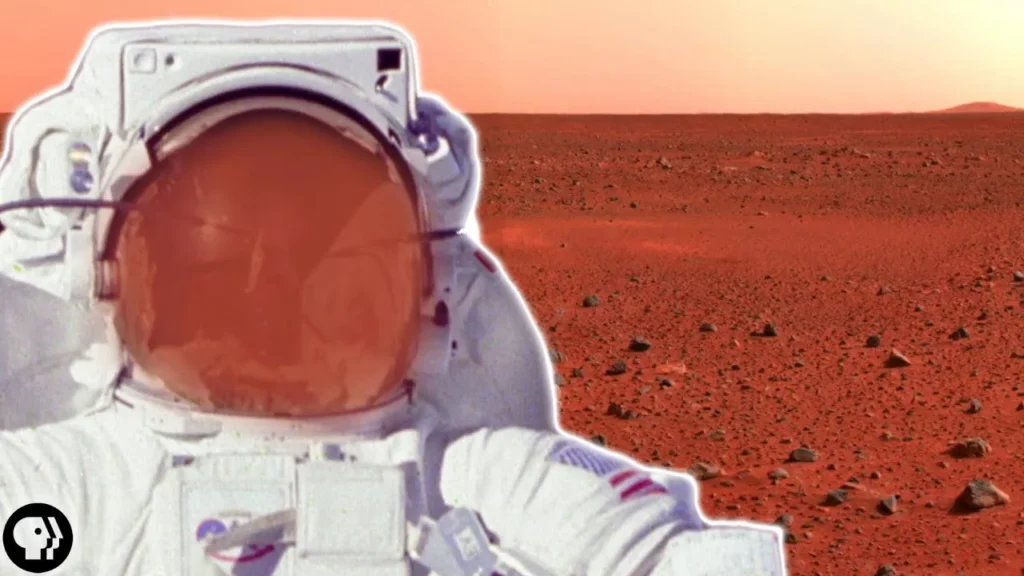
In the lesson “Your Brain on Mars ft. Physics Girl,” students explore the challenges faced by astronauts, particularly through the story of Mark Watney in *The Martian*. The lesson highlights the harsh Martian environment, the effects of cosmic rays on vision and brain health, and the physical challenges of long-duration space missions, emphasizing the importance of psychological resilience and social skills for successful astronauts. It underscores the need for thorough preparation for future Mars missions, including understanding the potential impacts on human health and behavior.