
Google Owns 28% of Your Brain
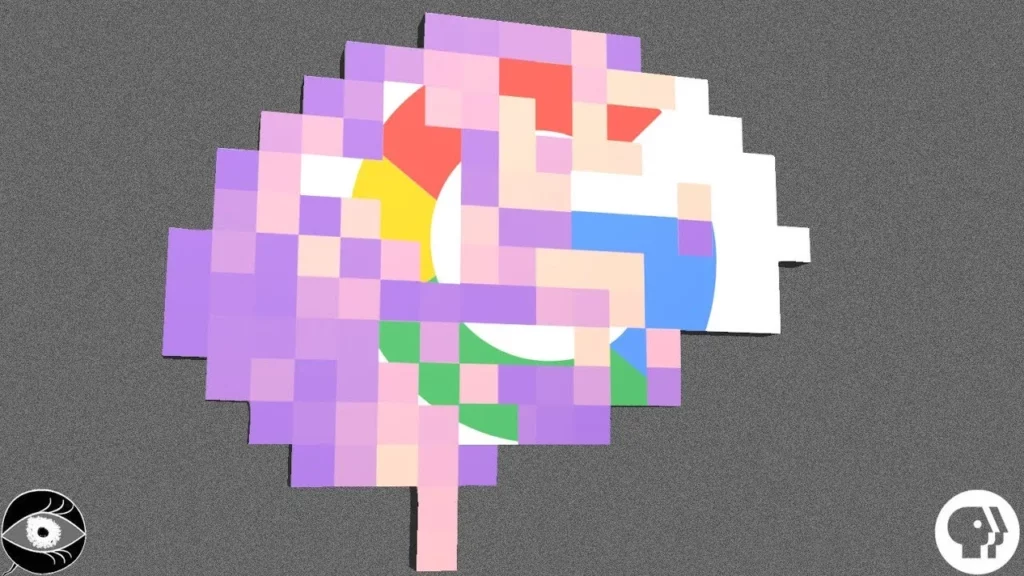
The lesson “Google Owns 28% of Your Brain” explores how technology, particularly AI and digital tools, has become an extension of our cognitive processes, influencing our decision-making and memory. It raises concerns about the impact of constant digital engagement on our attention spans, creativity, and independent thinking, suggesting that while technology can enhance our capabilities, it may also alter our behavior and psychological well-being. Ultimately, the lesson emphasizes the need to critically evaluate the role of technology in our lives and its effects on our mental processes.
Sleeping With Friends (Official Trailer)
In the lesson “Sleeping With Friends: A Fun Sleep Adventure,” participants explore the significance of sleep and its impact on overall well-being through an engaging reality show format. Contestants stay in the “House of Slumber,” where they utilize advanced technology and learn various techniques to enhance their sleep quality, ultimately leading to better rest and improved daily functioning. The lesson emphasizes the importance of sleep and provides practical strategies for achieving a good night’s sleep in a fun and interactive way.
BrainCraft Behind The Scenes: BLOOPERS! Vol. 2
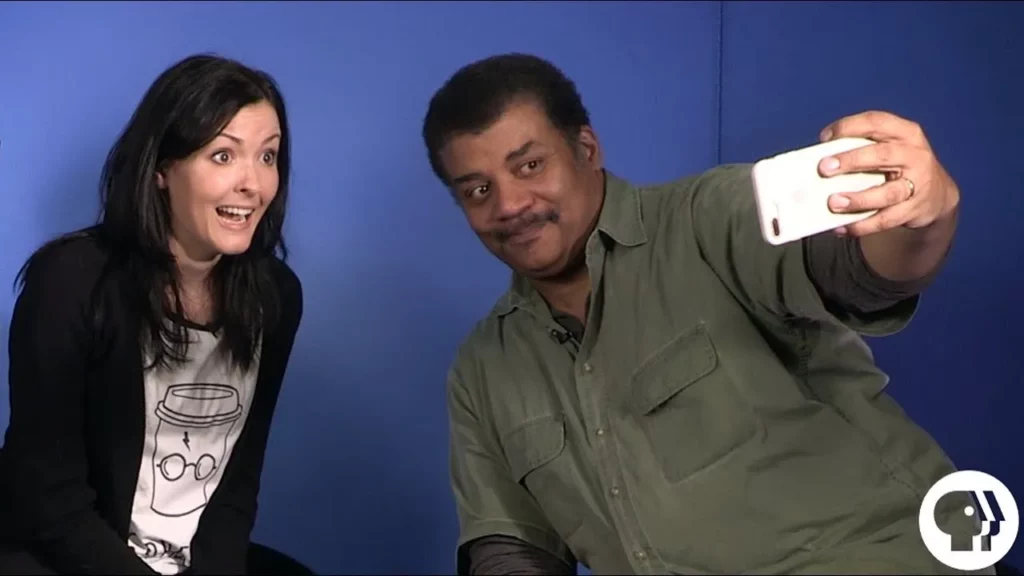
In this behind-the-scenes look at BrainCraft, viewers are treated to a blend of science, humor, and engaging discussions on various topics, including canine intelligence and the culinary delight of lamb vindaloo. The episode features insights from astrophysicist Neil deGrasse Tyson, explores the concept of time as layers of rock, and highlights the importance of curiosity in learning, all while emphasizing that science can be both messy and enjoyable. Ultimately, the lesson encourages viewers to embrace their curiosity and find joy in the process of discovery.
The Attention Economy Needs to Change. But How?
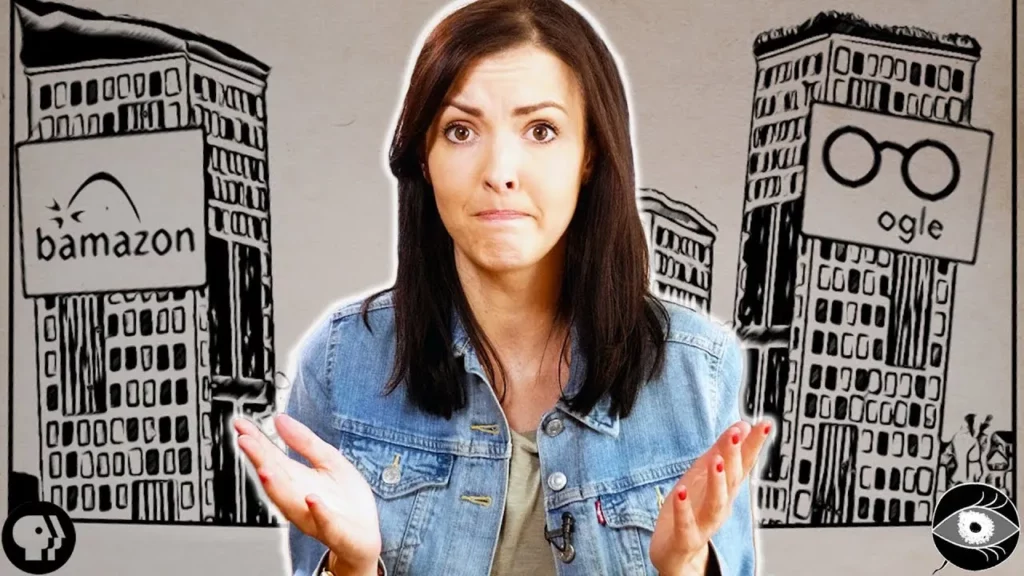
The lesson emphasizes the urgent need for change in the attention economy, particularly within massive social media platforms that wield significant influence over society. It discusses the ethical responsibilities of tech companies, the potential for regulatory reforms, and the importance of individual agency in demanding accountability and fostering a healthier digital environment. Ultimately, it calls for a collective effort to reassess and reshape the role of technology in our lives to ensure it serves the public good rather than merely maximizing profits.
Why New Year’s Resolutions Fail

The lesson discusses the reasons why New Year’s resolutions often fail, highlighting that many people set overly ambitious goals, focus too much on results, and frame their resolutions negatively. To improve the chances of success, it suggests breaking resolutions into smaller, manageable tasks with a positive focus, utilizing strategies like to-do lists and self-rewards to maintain motivation and celebrate achievements. By adopting these approaches, individuals can better navigate their resolutions and foster a more positive outlook on personal growth.
THE PAOMNNEHAL PWEOR OF THE HMUAN MNID
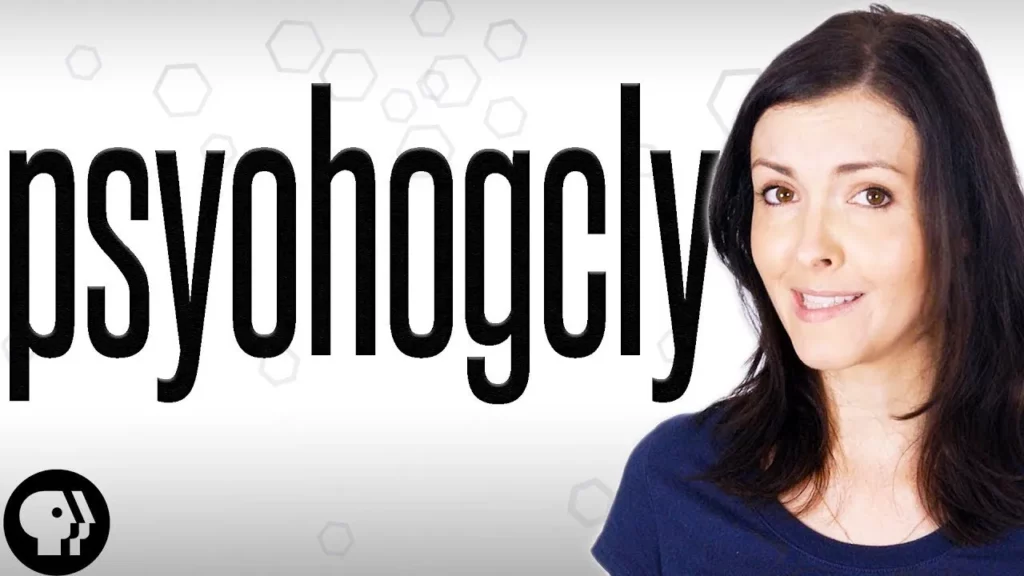
The lesson explores the remarkable ability of the human brain to understand language, particularly through the phenomenon known as “Typoglycemia,” where we can read jumbled words as long as the first and last letters are in place. It highlights how our brains use context, prior knowledge, and the shapes of words to recognize them quickly, demonstrating that reading is an interactive process. Despite challenges with more randomly jumbled sentences, our brains excel at deciphering language, showcasing their incredible power.
Artificial Intelligence Solved This Audio Illusion. Can You?
The lesson discusses the Cocktail Party Effect, which illustrates our ability to focus on a single sound source amidst background noise, a task that poses significant challenges for machines. Researchers have made strides in artificial intelligence by developing algorithms and deep neural networks that can effectively separate vocals from background music, demonstrating the potential of machine learning to replicate complex human cognitive functions. This advancement not only enhances audio processing but also raises questions about the evolving capabilities of AI and its implications for the future.
Is Google Killing Your Memory?
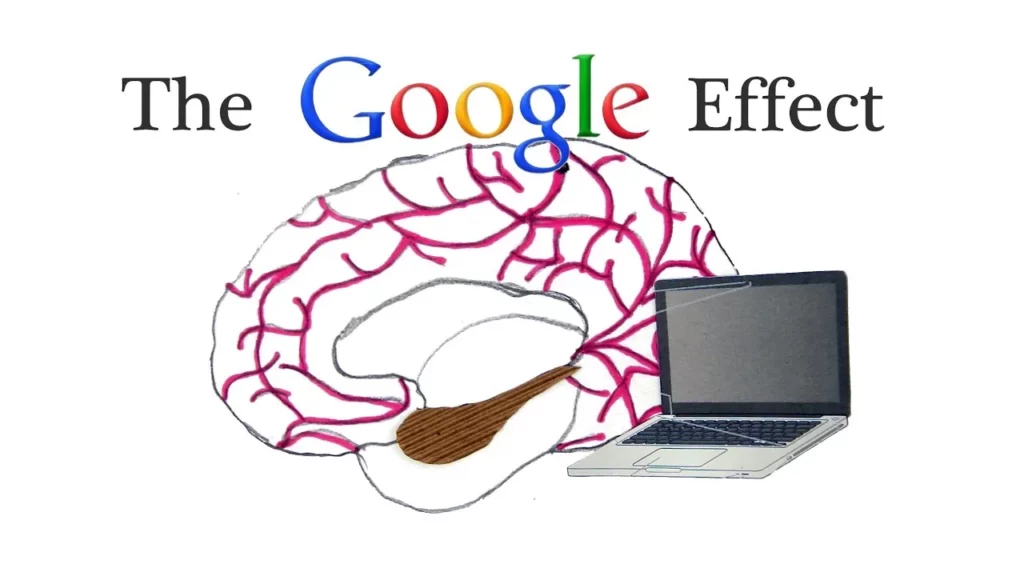
The lesson explores the impact of technology, particularly search engines like Google, on our memory and cognitive processes. It discusses how reliance on digital information may diminish our ability to retain declarative memories, as we increasingly remember where to find information rather than the information itself. This shift, while potentially beneficial for collective intelligence, raises concerns about our ability to recall facts in situations requiring quick decision-making.
A 300 Day Experiment to Change How I Think

In this lesson, the author shares insights from a 300-day experiment of living and working on the road, initiated by a desire to escape the chaos of confinement during the COVID-19 pandemic. Through this journey, they discovered the benefits of changing environments on creativity and motivation, highlighting the importance of adaptability and the privilege of flexible workspaces. Ultimately, the experience emphasized that even small changes in our surroundings can foster personal growth and enhance our overall well-being.
Tired of Procrastinating Sleep? Join My Research! (participants needed!)
The lesson invites recent graduates who have started working within the last year to participate in a seven-day sleep study focused on understanding bedtime procrastination and its impact on sleep habits. Participants will complete an online sleep diary to provide insights into their sleep behaviors, contributing to valuable research that aims to improve sleep hygiene and overall well-being. By joining the study, individuals can gain personal insights into their own sleep patterns while helping to advance scientific understanding of this common issue.