
Why You Shouldn’t Trust Amazon’s Tone Analysis
The lesson discusses the limitations and concerns surrounding Amazon’s Halo fitness tracker, particularly its voice tone analysis feature. While the technology aims to help users improve their interactions by analyzing emotions based on voice tone, the accuracy and cultural biases of the device raise significant questions about its effectiveness and necessity. Ultimately, the lesson emphasizes the potential negative impact of relying on such technology for social cues, suggesting that it may lead to overthinking and affect mental health.
Why Do We Feel MIND-BLOWN?

The lesson explores the profound impact of learning new words and concepts on our brain, highlighting that this process activates the same reward centers associated with pleasurable experiences. It emphasizes the emotional component of learning, suggesting that feelings of awe and curiosity enhance our ability to absorb information, creating a cycle of curiosity and reward that drives our desire for knowledge. Ultimately, the lesson illustrates that the human experience of learning and sharing knowledge is deeply rooted in our evolutionary history and is a defining characteristic of humanity.
Every Scientific Study on Arnold Schwarzenegger

The lesson explores the extensive impact of Arnold Schwarzenegger in scientific research, revealing that his name appears in approximately 15,000 studies across diverse fields such as psychology, data sciences, and public health. Notably, the research examines his influence on topics like blame contagion, muscle loss, and environmental advocacy, illustrating how celebrity culture intersects with scientific inquiry. Schwarzenegger’s multifaceted career not only serves as a cultural reference point but also enhances the accessibility of complex scientific concepts.
ATTENTION WARS | Trailer
The lesson “Attention Wars: Understanding the Battle for Your Focus” highlights the immense value of user attention to tech companies like Instagram and Facebook, which compete fiercely to keep users engaged. It discusses the societal impacts of excessive social media use, including potential harm to personal well-being and increased division, while emphasizing the importance of recognizing persuasive design techniques that these platforms employ. By understanding the psychology behind social media, individuals can make more informed choices about their digital habits and reclaim control over their attention.
The Power of Curiosity

The lesson “The Power of Curiosity” explores the innate human desire to ask “what if” questions, which drive our understanding of the world and fuel scientific inquiry. It highlights the different types of curiosity—specific, diversive, perceptual, and epistemic—and emphasizes how these questions can lead to innovation and discovery, as seen in historical examples like Richard Feynman’s thought experiment. Ultimately, the lesson encourages the continued practice of curiosity to foster creativity and exploration throughout life.
What If We Were All Optimists?
The lesson explores the concept of optimism bias, which is the tendency for individuals to underestimate risks and overestimate positive outcomes, leading to a generally hopeful outlook on the future. This bias is prevalent in about 80% of people and is linked to lower levels of depression and greater happiness. While optimism can influence decision-making and societal progress, it raises questions about its implications for behavior, such as risk-taking and innovation.
A Simple Planning System for Reducing Anxiety
The lesson emphasizes the importance of a structured planning system to reduce anxiety and improve productivity. Drawing from a 2018 IKEA experiment, it highlights how decision fatigue can hinder personal planning, and it shares a personal journey of developing a master task list to manage daily responsibilities effectively. By organizing tasks and setting specific goals, individuals can alleviate mental clutter, gain a sense of control, and ultimately reduce stress.
Are Concussions Deadly?
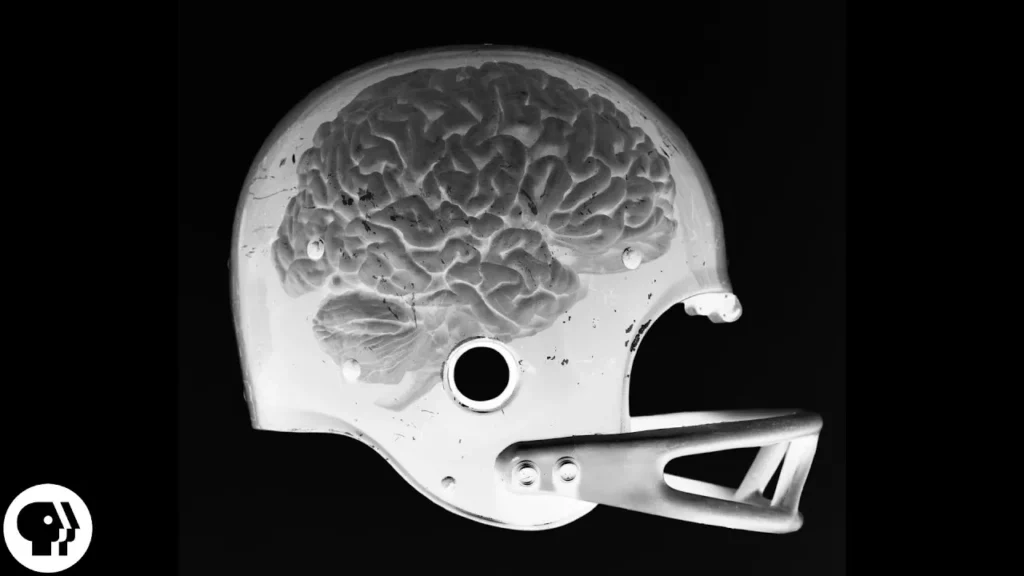
The lesson emphasizes that concussions, often referred to as mild Traumatic Brain Injuries (TBIs), can have serious and lasting effects on brain health, even if they do not result in loss of consciousness. It highlights the microscopic damage to neurons, particularly axons, which can lead to symptoms such as dizziness and confusion, and discusses the long-term risks associated with repeated brain trauma, including Chronic Traumatic Encephalopathy (CTE). The lesson underscores the importance of awareness, proper management of injuries in sports, and the need for education on the risks of concussions.
3 Surprising Creativity Tests! feat. Vsauce

In this lesson, we explore three intriguing creativity tests: the Remote Associations Test (RAT), the Wallach-Kogan Creativity Test, and the Torrance Tests of Creative Thinking. Each test measures different aspects of creativity, with RAT focusing on convergent thinking to find a single connecting word, Wallach-Kogan emphasizing divergent thinking by encouraging a wide range of ideas, and the Torrance Tests assessing flexibility, fluency, originality, and elaboration in responses. Ultimately, the lesson highlights that creativity is a multifaceted skill that plays a vital role in problem-solving and everyday life.
How LEGO Helps Blind People See

The lesson highlights how Matthew Shifrin, a blind young man, uses LEGO bricks as a powerful tool to experience and understand the world around him. With the help of adapted text-based instructions, he builds complex models, enhancing his spatial awareness and reasoning skills. Matthew’s story illustrates the adaptability of the brain and the importance of creativity in overcoming challenges, showcasing LEGO as an inclusive medium for learning and exploration for individuals with visual impairments.