
Can You Taste With Your Ears?
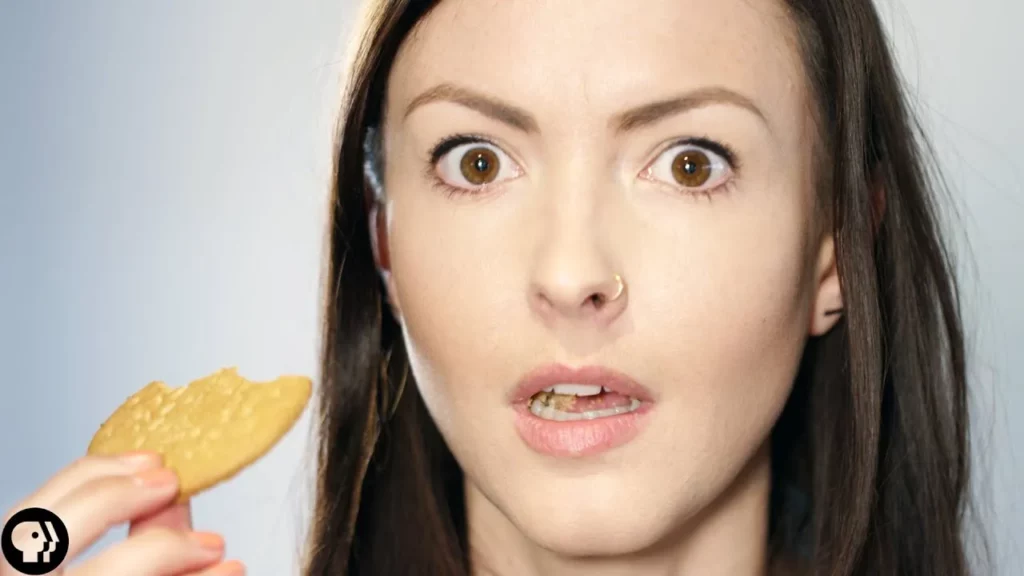
The lesson explores the concept of crossmodal perception, particularly how sound influences our taste perception. Through experiments, it demonstrates that the sounds associated with food can alter our perception of its freshness and crispness, as well as how we associate specific sounds with different tastes. This interplay between sound and taste highlights the complexity of our sensory experiences and suggests that our perceptions are shaped by more than just the food itself.
The Science of Jet Lag (and how to beat it)
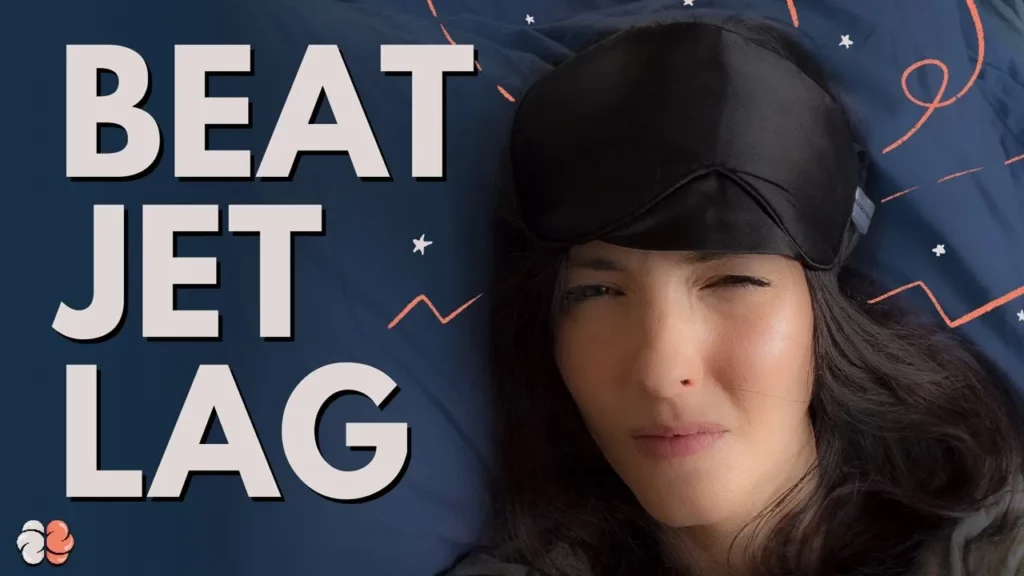
The lesson explores the science behind jet lag, highlighting how disruptions to our circadian rhythm and homeostatic drive can lead to sleep difficulties after crossing multiple time zones. It explains the physiological mechanisms involved, such as the role of the suprachiasmatic nucleus in regulating our internal body clock, and offers strategies to mitigate jet lag, including light exposure, meal synchronization, and the use of melatonin supplements. Ultimately, while jet lag is challenging to avoid entirely, understanding its causes and employing effective coping strategies can help travelers adjust more quickly to new time zones.
THE IKEA EFFECT ft. Joanna Hausmann!
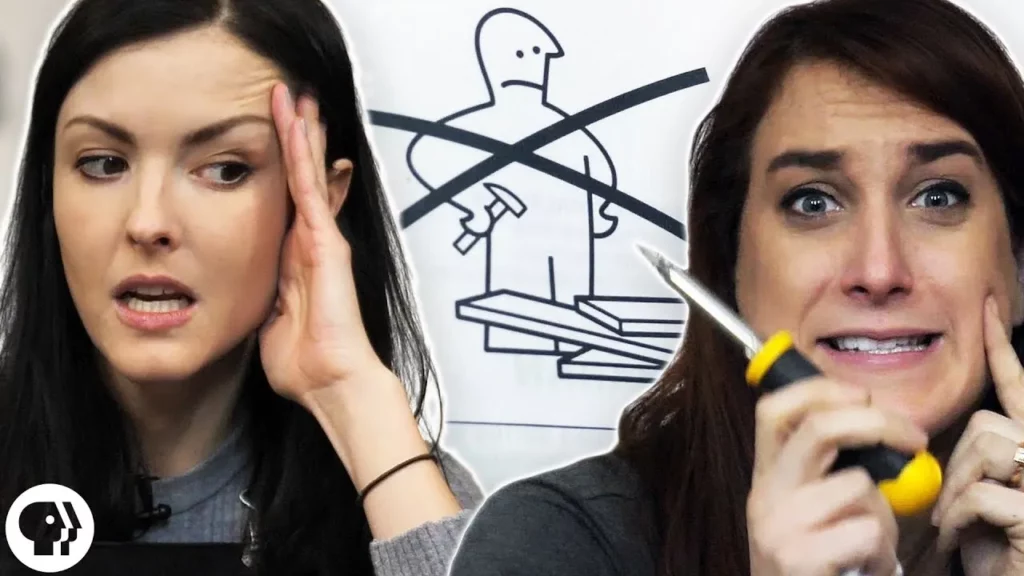
The lesson explores the IKEA Effect, a psychological phenomenon where individuals value items they have assembled themselves more than those that are pre-made, stemming from a sense of ownership and effort invested in the creation process. This effect highlights how personal investment in building can enhance emotional attachment to objects, a concept that also relates to child development and the Endowment Effect. Ultimately, the lesson emphasizes the significance of effort and ownership in shaping our perceptions and attachments to the things we create.
Why Do We Feel Lonely?
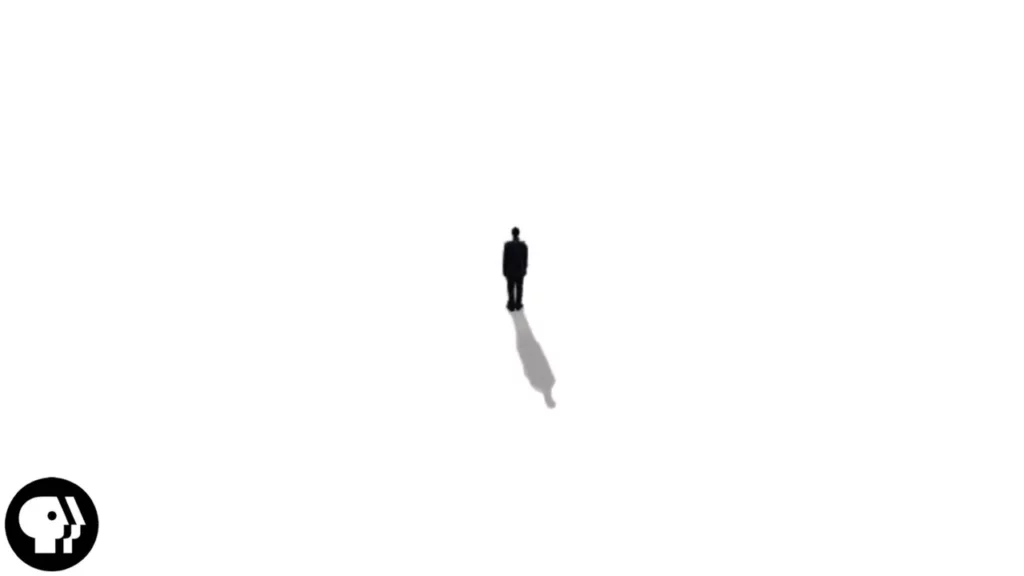
The lesson explores the complex nature of loneliness, distinguishing between being alone and feeling lonely, as exemplified by Michael, who despite his social profile, experiences loneliness. It highlights the genetic factors that may predispose individuals to loneliness, the serious consequences of social isolation, and the innate human drive for social connection, emphasizing that maintaining relationships is crucial for a fulfilling life. Ultimately, the lesson underscores the importance of understanding and addressing loneliness in our lives.
Why Do We Love Sugar?

The lesson explores the reasons behind our love for sugar, highlighting that even infants have a natural preference for sweet flavors, which signal calorie-rich foods essential for survival. It traces the historical introduction of sugar to Europe and its dramatic increase in consumption, while also discussing the physiological effects of sugar on the body and brain, including its potential to create cravings and contribute to health issues. Ultimately, the lesson emphasizes the importance of managing sugar intake to improve overall health and reduce cravings.
How Halfalogues Manipulate Your –
The lesson on “Understanding Halfalogues: The Science Behind Our Curiosity” explores how one-sided conversations, or halfalogues, ignite our natural curiosity by creating an “information gap” that compels us to seek out missing details. This phenomenon is linked to our brain’s curiosity circuit, particularly the caudate nucleus, which releases dopamine and enhances our desire for knowledge, especially in engaging contexts like trivia. While halfalogues can disrupt focus and productivity, they also have the potential to enhance learning and retention when the curiosity they evoke is ultimately satisfied.
What an 1800s Wild West Pharmacy Taught me About Trust & Vaccines
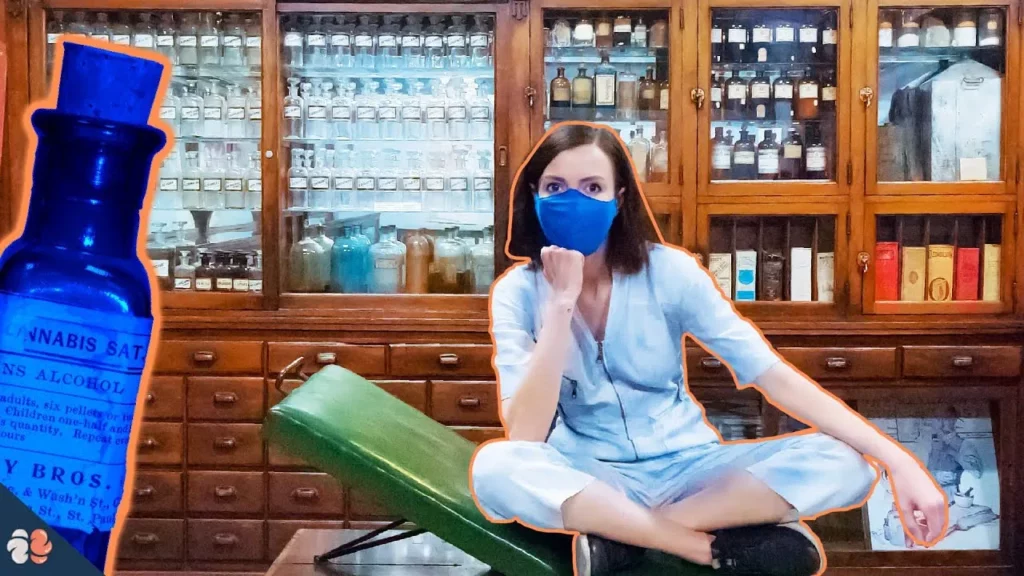
The lesson explores the evolution of trust in medicine from the unregulated practices of the 1800s Wild West pharmacy era to today’s complex healthcare landscape, highlighting the shift from blind faith to skepticism regarding medical treatments, particularly vaccines. It emphasizes the importance of rebuilding trust in the healthcare system through empathy, storytelling, and open communication, especially in light of current vaccine hesitancy. By reflecting on historical medical practices and sharing personal experiences, individuals can contribute to a greater understanding and acceptance of modern science and healthcare advancements.
Can You See These Optical Illusions?
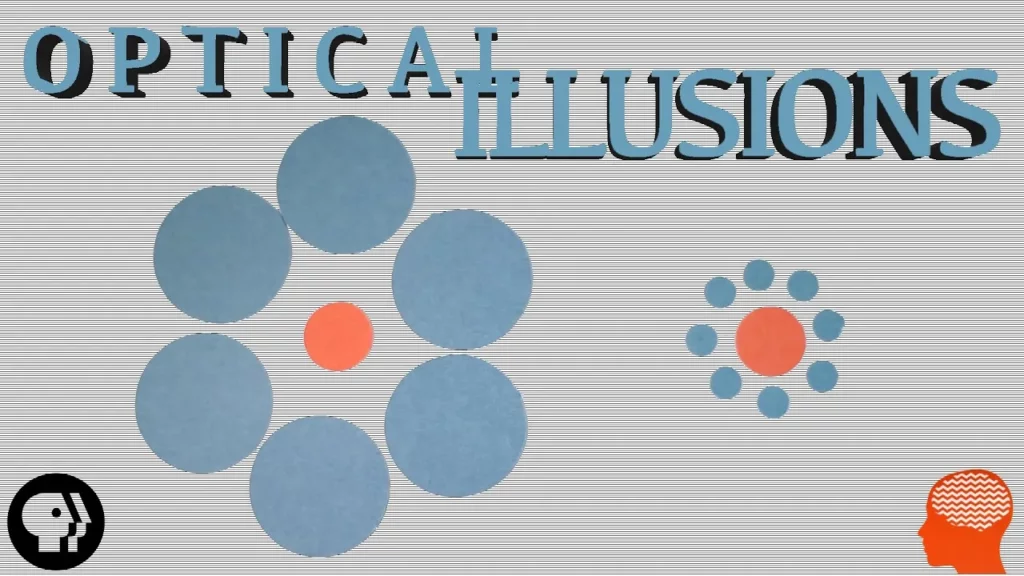
The lesson explores how optical illusions, such as Joseph Jastrow’s duck-rabbit image, reveal the varying ways our brains interpret visual information. Research indicates that the size of the visual cortex can influence our ability to perceive illusions accurately, and factors like context and individual differences, including cultural background and neurological conditions, further shape our perceptions. Ultimately, the lesson highlights the complexity of visual perception and encourages further exploration of how our brains interpret the world.
Could You Win the Game of Thrones?
The lesson explores the dynamics of power and self-control in George R.R. Martin’s *Game of Thrones*, emphasizing that success in the high-stakes environment of Westeros requires more than just wealth or strength; it necessitates strong self-control and the ability to manage relationships. Through examples from the series, such as Cersei Lannister’s strategic decisions and Tyrion Lannister’s connections, the lesson illustrates how self-control can influence both personal success and social cooperation, paralleling findings from psychological studies on delayed gratification and its long-term benefits in real life. Ultimately, the lesson suggests that mastering self-control is crucial for navigating complex social landscapes, whether in fiction or reality.
Food Nostalgia
The lesson “Food Nostalgia: A Journey Through Taste and Memory” explores the profound connection between food, taste, and memory, highlighting how certain flavors can evoke vivid recollections from our past, a phenomenon famously illustrated by Marcel Proust. It emphasizes the role of smell in triggering memories, particularly those from childhood, and discusses how emotions and novel experiences associated with food contribute to lasting memories. Additionally, the lesson touches on the impact of memory on eating habits and the mindful relationship people have with food, suggesting that our experiences with food are deeply intertwined with our emotional and cognitive processes.