
Are Your Emotions Contagious?

The lesson explores the concept of emotional contagion, highlighting how we unconsciously mimic the facial expressions and body language of others, a phenomenon linked to mirror neurons discovered in macaque monkeys. Research indicates that humans possess similar neurons that activate when observing others’ emotions, influencing our own emotional responses and even physical sensations, such as temperature changes. While the mirror neuron theory is debated among scientists, it underscores the powerful impact of social interactions on our feelings and behaviors.
The Power of Self-Awareness (ft. Hank Green!)
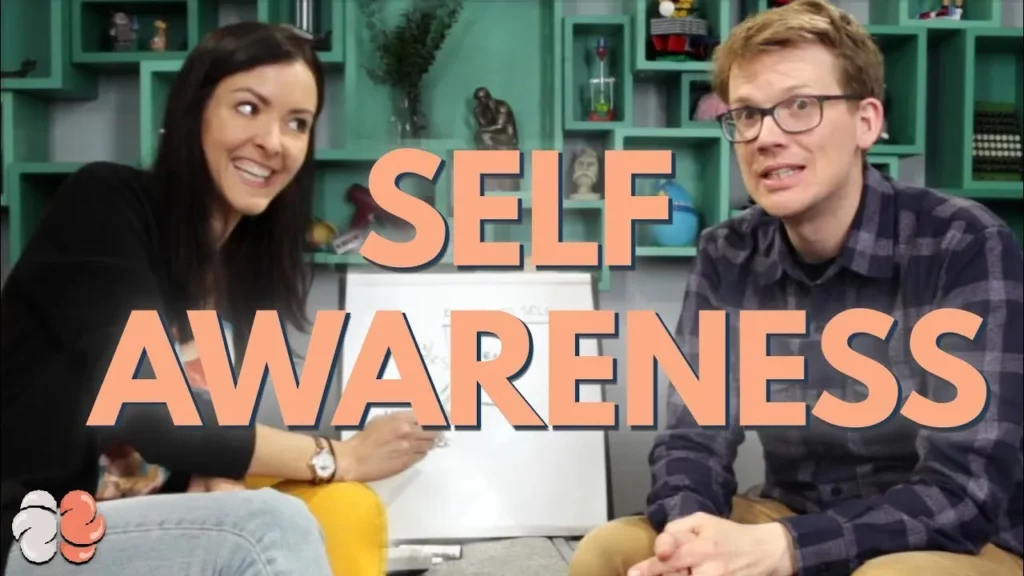
The lesson on “The Power of Self-Awareness” emphasizes the importance of aligning our self-perception with how others view us, highlighting its impact on mental health, relationships, and leadership. Utilizing the Johari Window model, individuals can explore their personality traits across four categories—Arena, Façade, Blind Spot, and Unknown—to enhance self-awareness and foster better interpersonal connections. By actively seeking feedback and engaging in self-reflection, one can uncover hidden aspects of their personality, leading to personal growth and improved relationships.
How to Make Better Decisions (with science)
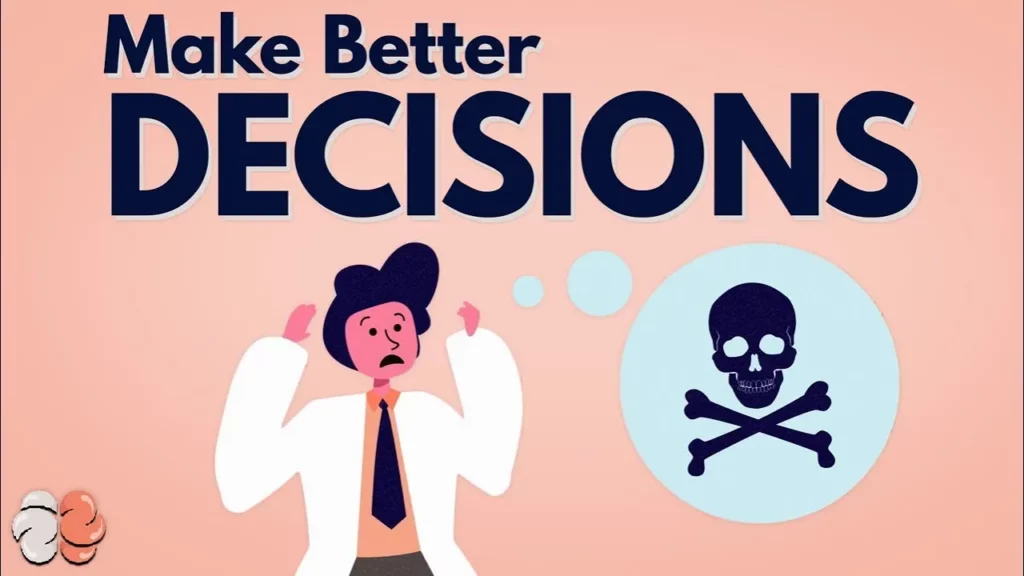
The lesson emphasizes that our decision-making processes are often influenced by biases, such as the sunk cost bias, which can lead us to make irrational choices based on past investments rather than future benefits. To improve decision-making, strategies such as making important decisions in the morning, adopting a third-person perspective, and practicing mindfulness meditation can help mitigate emotional influences and enhance clarity. By recognizing these factors, we can train ourselves to make more rational and beneficial choices in our daily lives.
The Secret to Creativity
The lesson “The Secret to Creativity” explores the nature of creativity, emphasizing that it is not a rare trait but a fundamental aspect of human intelligence applicable across various fields. It highlights the role of mind-wandering in stimulating creative thought and discusses how both biological factors, such as genetics and personality traits, and cultural influences shape creativity. Ultimately, the lesson encourages individuals to nurture their creative abilities through practice and innovative thinking.
MUTANT MENU Trailer | BrainCraft
The lesson explores the concept of genetic modification, highlighting its potential to allow individuals to choose specific traits, such as enhanced health or abilities. While the possibilities are intriguing and could lead to significant benefits, the lesson also emphasizes the ethical concerns and risks associated with altering DNA. Ultimately, it encourages personal reflection on whether one would choose to modify their DNA, considering both the advantages and moral implications.
How to Beat Jet Lag

The lesson on beating jet lag emphasizes the importance of managing light and darkness exposure to realign your circadian rhythms when traveling across time zones. By following a structured schedule for light exposure, as developed by Olivia Welch, individuals can optimize their adjustment to new local times, potentially reducing the duration and severity of jet lag. Additionally, an app is available to assist users in personalizing their light and dark schedules while contributing to ongoing research in this area.
The Prisoner’s Dilemma
The lesson on the Prisoner’s Dilemma illustrates the complexities of strategic decision-making in situations where individual self-interest conflicts with collective well-being. It highlights how, despite the temptation to betray a partner for personal gain, cooperation often leads to better outcomes for both parties in the long run. The lesson also explores the psychological and social factors that influence cooperation, emphasizing that repeated interactions and the potential for retaliation can encourage collaborative behavior.
The Surprising Psychological Benefits of Living Sustainably

The lesson highlights the psychological benefits of living sustainably, emphasizing that engaging in eco-friendly practices can enhance overall well-being and life satisfaction. Research suggests that sustainable actions, such as recycling and using sharing services, are associated with greater happiness and a sense of purpose, contributing to eudaimonic well-being. Additionally, the role of companies in promoting sustainability is crucial, as their innovative practices can significantly reduce environmental impact while fostering individual and collective mental health benefits.
Dr. Oz vs. Barry Goldwater: Ethics Need Not Apply
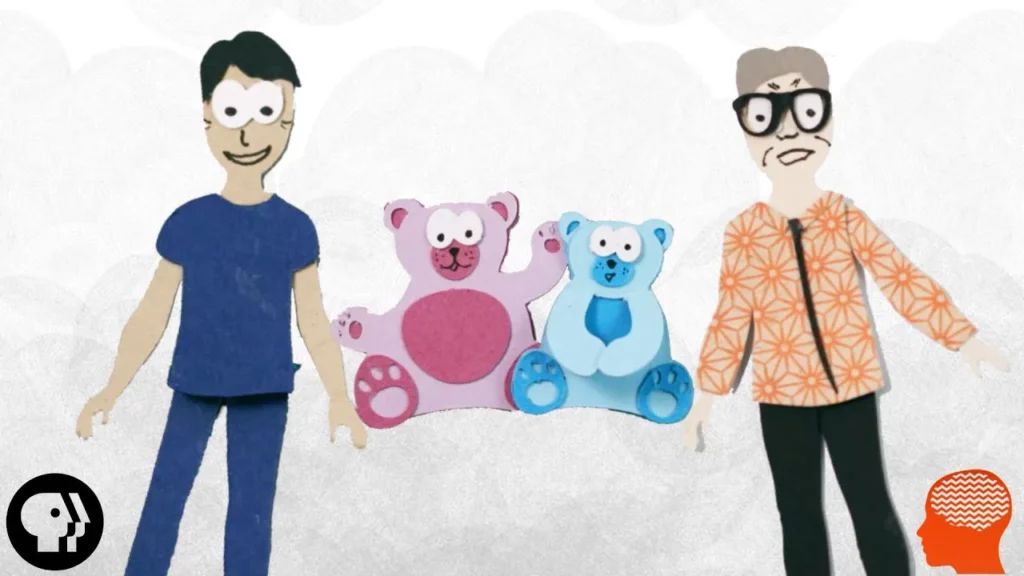
The lesson discusses the ethical implications of public commentary by mental health professionals, highlighted by the Barry Goldwater controversy, which led to the establishment of the Goldwater Rule prohibiting psychiatrists from offering opinions on individuals they have not examined. It also critiques the role of media figures like Dr. Oz, whose unverified health claims raise ethical concerns despite their popularity. Ultimately, the lesson emphasizes the importance of critical thinking in evaluating health information and relying on qualified healthcare providers for personal medical advice.
The Quantum Power of the Human Nose
The lesson explores the intriguing connection between quantum physics and the human sense of smell, challenging the traditional “lock and key” model of olfaction. It introduces the Vibration Theory of Olfaction, which posits that our noses may utilize quantum tunneling to differentiate between odor molecules based on their vibrational frequencies, as evidenced by experiments showing humans can distinguish between similar molecules with different masses. This highlights the role of quantum mechanics in biological processes, suggesting that our everyday experiences, like smelling, are influenced by complex quantum interactions.