
The Ancient Origins of Your Musical Brain
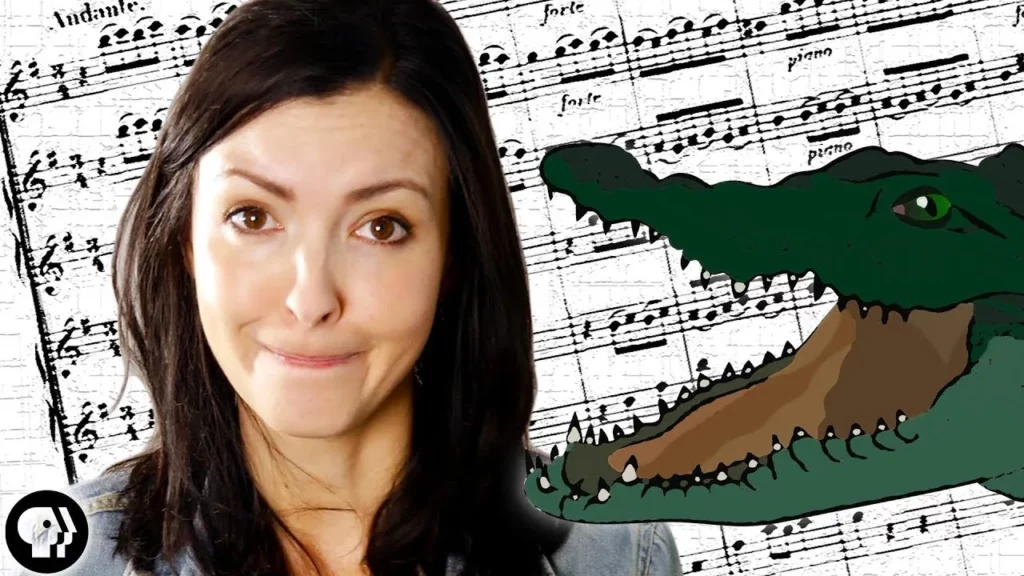
The lesson explores the evolutionary origins of our ability to perceive music, highlighting a study that examined how crocodiles process sound. It reveals that both humans and birds, along with crocodiles, share a common ancestor from around 300 million years ago, suggesting that the capacity to process music may have developed much earlier than previously thought. The findings indicate that complex sounds activate advanced brain regions in crocodiles similarly to humans, emphasizing our shared musical heritage across species.
Ghosting: Why Some People Just Disappear
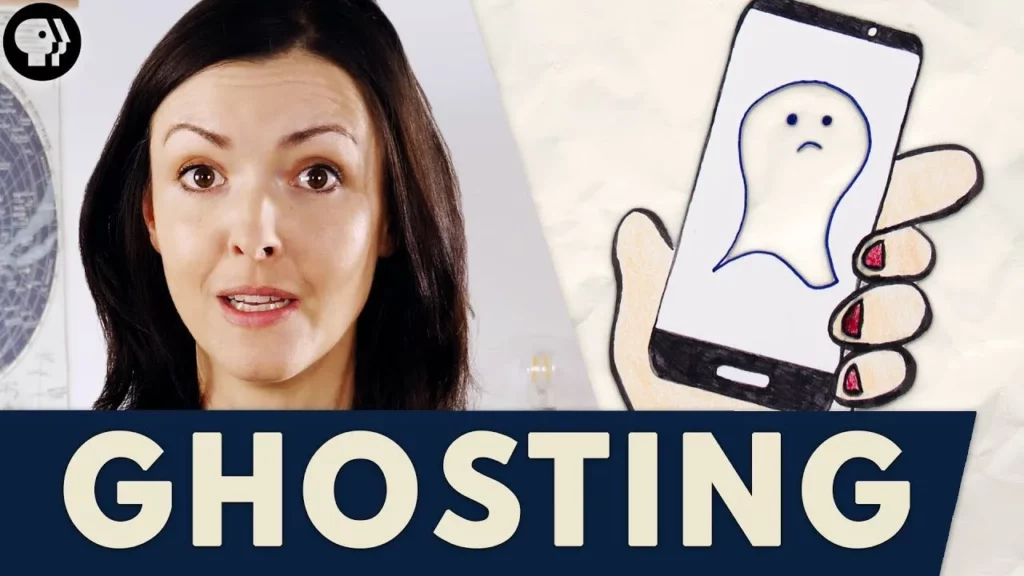
The lesson on ghosting explores the phenomenon where individuals abruptly cut off communication without explanation, often seen in both romantic and platonic relationships. It highlights the emotional impact of ghosting, which can be as painful as physical rejection, and discusses factors influencing this behavior, such as attachment styles and beliefs about relationships. The lesson also provides coping strategies for those who have been ghosted and emphasizes the importance of open communication in building healthy relationships.
The Antioxidant Benefits of Sleep ft. OTHER Vanessa Hill!
In this lesson, Vanessa Hill discusses the antioxidant benefits of sleep, highlighting her collaboration with Vanessa M. Hill, a PhD student at Columbia University who researched the evolutionary purpose of sleep. Through her studies on fruit flies, Vanessa M. Hill discovered that sleep plays a crucial role in combating oxidative stress by enhancing antioxidant activity in the brain, which is vital for overall health. The lesson emphasizes that while antioxidant-rich foods are beneficial, they cannot replace the essential restorative functions of sleep.
Inside a Dinosaur Brain
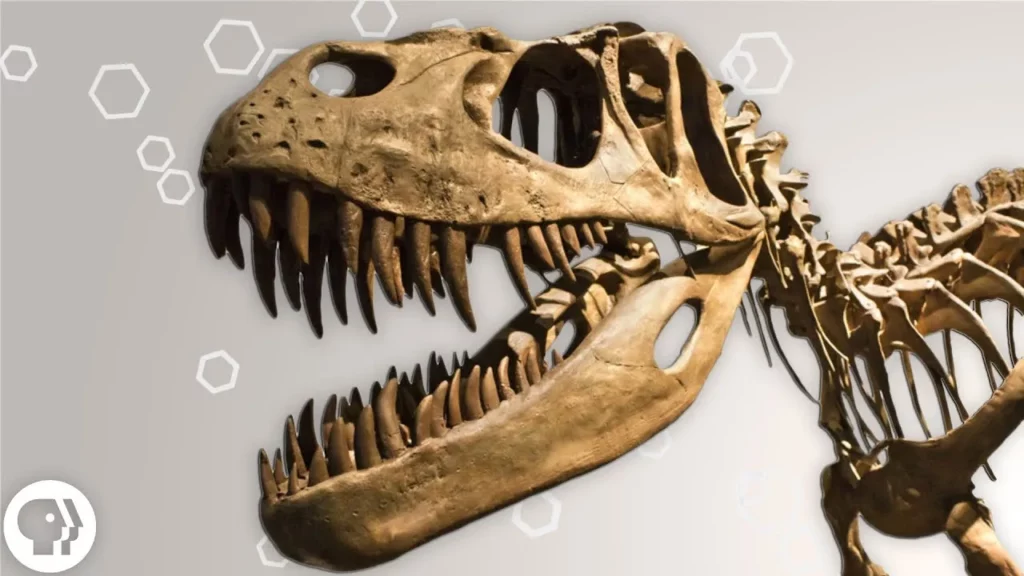
The lesson “Inside a Dinosaur Brain” explores how scientists study dinosaur brains through endocasts, which are molds created from the skulls of dinosaurs. It highlights the unique characteristics of the T. rex brain, including its advanced sense of smell and its encephalization quotient, which provides insights into its intelligence compared to other dinosaurs. Additionally, the lesson contrasts the brain structures of different dinosaurs, emphasizing the evolutionary adaptations related to their diets and behaviors.
Amazing Brain Cells You’ve Never Heard of
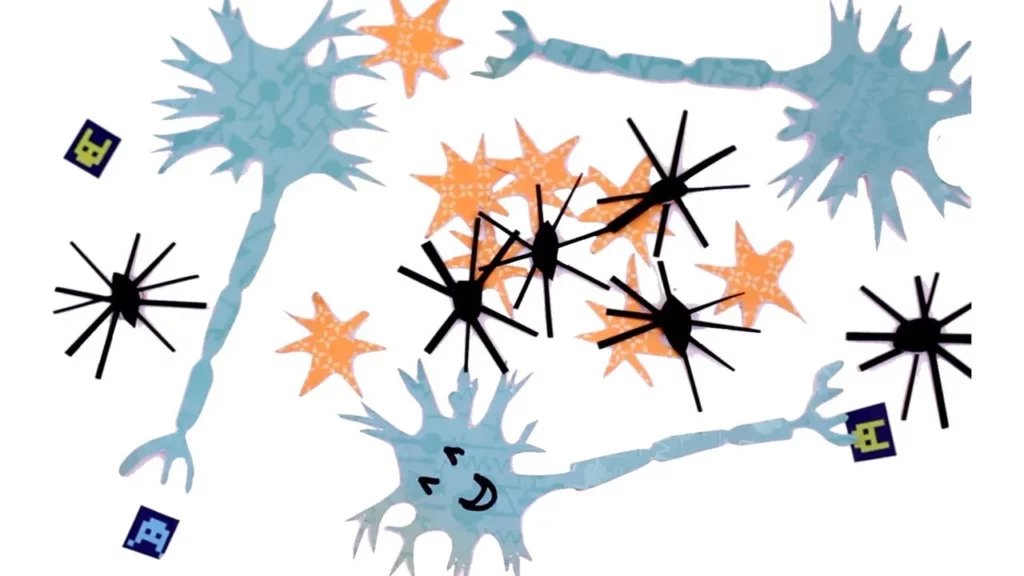
The lesson highlights the significant yet often overlooked role of glial cells in the brain, which outnumber neurons and are essential for various brain functions. Initially thought to merely support neurons, recent research reveals that glia are crucial in processing information, memory, and even nerve repair. As scientists continue to explore the complexities of glia, their potential implications for understanding brain function and treating neurological conditions become increasingly evident.
Can You Solve This Riddle?
In this lesson, you are challenged to solve a riddle involving 12 marbles, where 11 are identical and one is either heavier or lighter. Using a balance scale, you must strategically weigh the marbles in three steps to identify the odd marble, employing both deductive and inductive reasoning throughout the process. This exercise not only enhances problem-solving skills but also illustrates the application of logical reasoning in everyday situations.
Why Uncertainty Sucks (and how to deal with it)
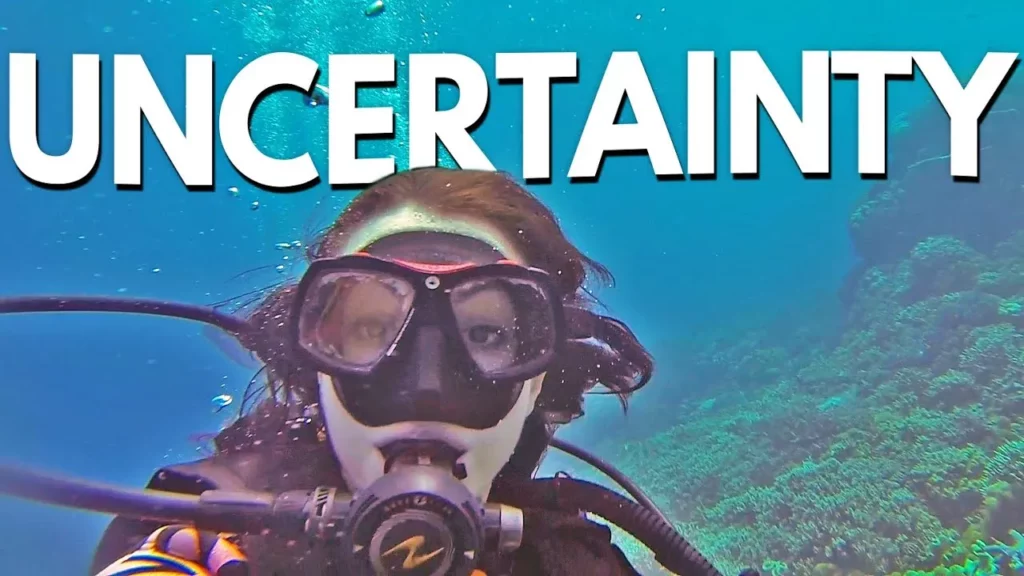
The lesson “Why Uncertainty Sucks (and How to Deal with It)” emphasizes the importance of preparation and composure in navigating uncertain situations, drawing parallels between personal experiences, such as SCUBA diving, and insights from astronaut Chris Hadfield. It highlights how individuals often struggle with uncertainty, leading to hasty decisions, and offers strategies for managing it, including focusing on controllable factors and practicing responses to potential challenges. Ultimately, the lesson encourages embracing uncertainty as a natural part of life while cultivating resilience and confidence through preparation.
How Movies Control Your Brain
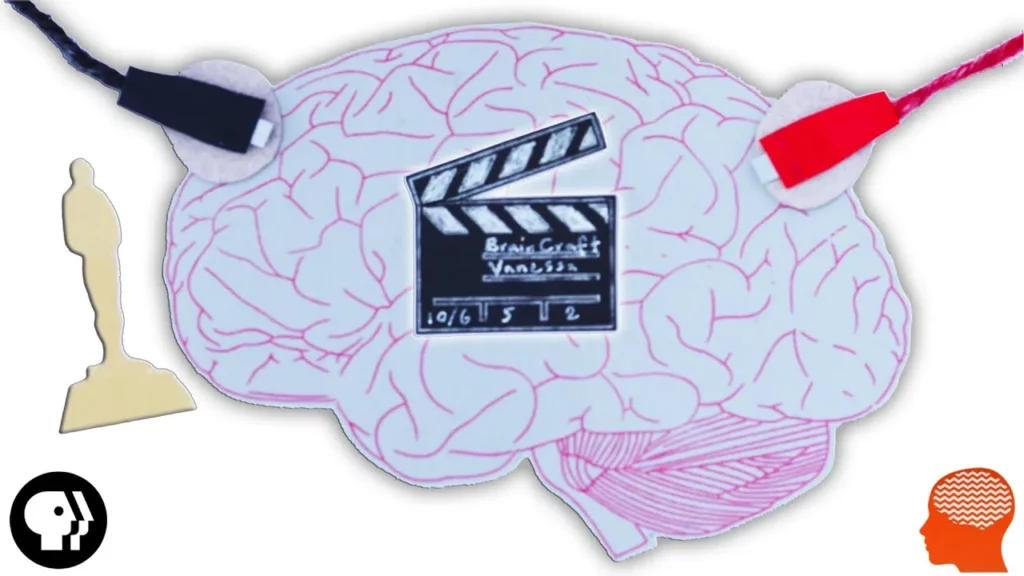
The lesson explores the concept of “neurocinema,” which examines how films influence brain activity and audience engagement. Through studies monitoring viewers’ brain responses while watching various films, researchers found that certain scenes can synchronize brain activity, indicating heightened engagement. The findings suggest that filmmakers, like Alfred Hitchcock, possess a unique ability to orchestrate audience reactions, and future advancements may lead to interactive films that respond to viewers’ brain activity in real-time.
The Psychological Tricks Keeping You Online
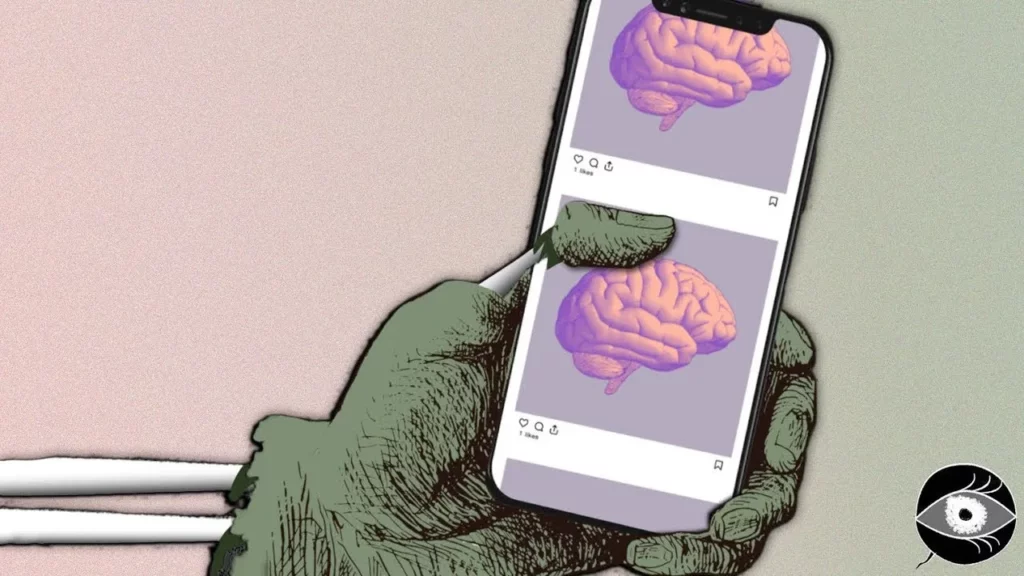
The lesson explores how persuasive design in technology subtly influences our online behavior, often leading to excessive screen time and distraction. It highlights the psychological principles behind these designs, such as operant conditioning, which can create addictive habits. By recognizing these manipulative tactics, individuals can take control of their digital habits and make more mindful choices about their technology use.
Can You Follow This Beat?
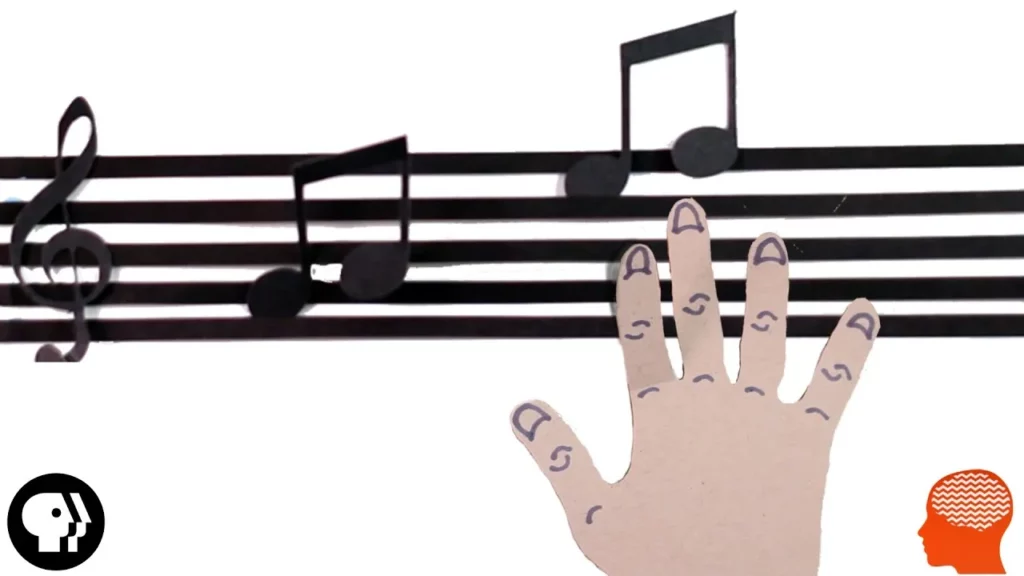
The lesson explores the neurological condition known as amusia, which affects about 4% of the population, impairing their ability to process music and rhythm. Through the example of Mrs. L, who perceives music as chaotic noise, and research on beat deafness, it highlights how individuals with this condition struggle to keep a beat and translate auditory cues into movement. The lesson also draws parallels with animals, such as Snowball the cockatoo, demonstrating that the ability to follow a beat is not exclusive to humans and raises questions about similar conditions in the animal kingdom.