
The Evolutionary Advantages of Art
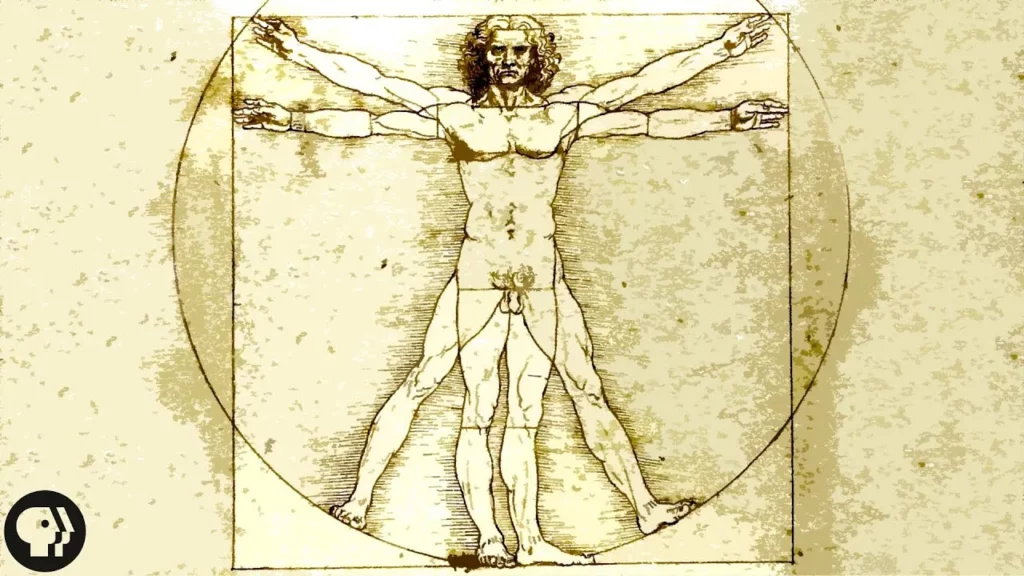
The lesson explores the evolutionary advantages of art, highlighting its diverse forms and its intersection with science, particularly through concepts like the golden ratio. Art serves as a reflection on life and death, a historical and educational tool, and plays a crucial role in memory retention and communication through rhythm and abstraction. Ultimately, the evolution of art parallels human evolution, enhancing survival and reproductive success by fostering creativity and cultural expression.
BrainCraft Q&A! #2
In this episode of BrainCraft, the host celebrates their 100th episode by answering a variety of viewer questions, sharing insights about their background, passion for science, and journey into science communication through YouTube. They discuss their academic path, the challenges of creating stop-motion animation, and their favorite topics in science, including consciousness and the brain. The episode emphasizes the importance of curiosity and exploration in both education and personal interests.
The Automation Paradox
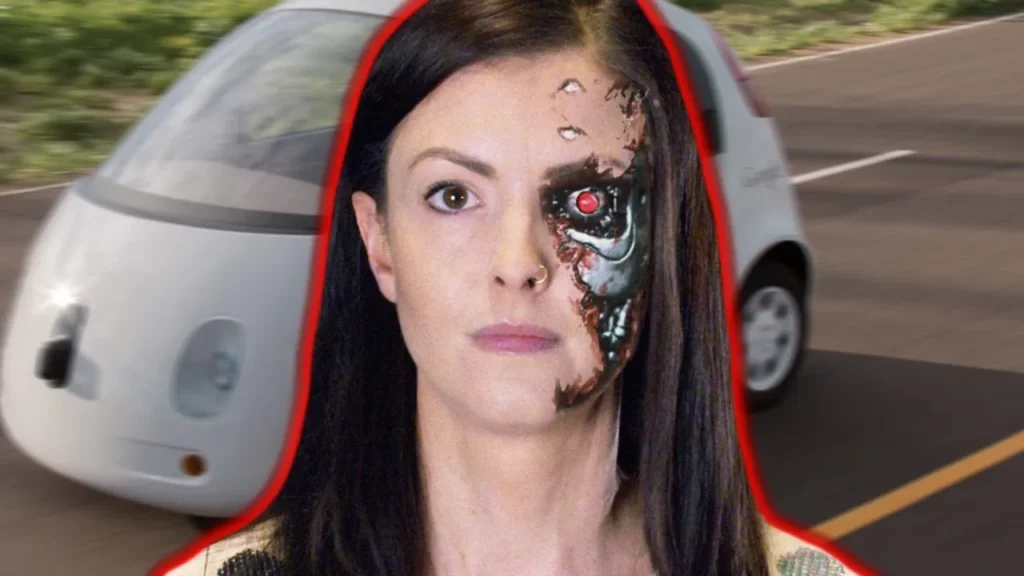
The lesson explores “The Automation Paradox,” highlighting the complex relationship between advancing technology and the diminishing human skills that accompany increased automation. Through real-world examples, such as self-driving cars and aviation incidents, it illustrates how reliance on automated systems can lead to critical failures when human oversight is compromised. Ultimately, the lesson emphasizes the need to understand the psychological factors influencing our trust in technology, as well as the ethical implications of fully automated systems in our daily lives.
Can Your Memory Make a Murderer?
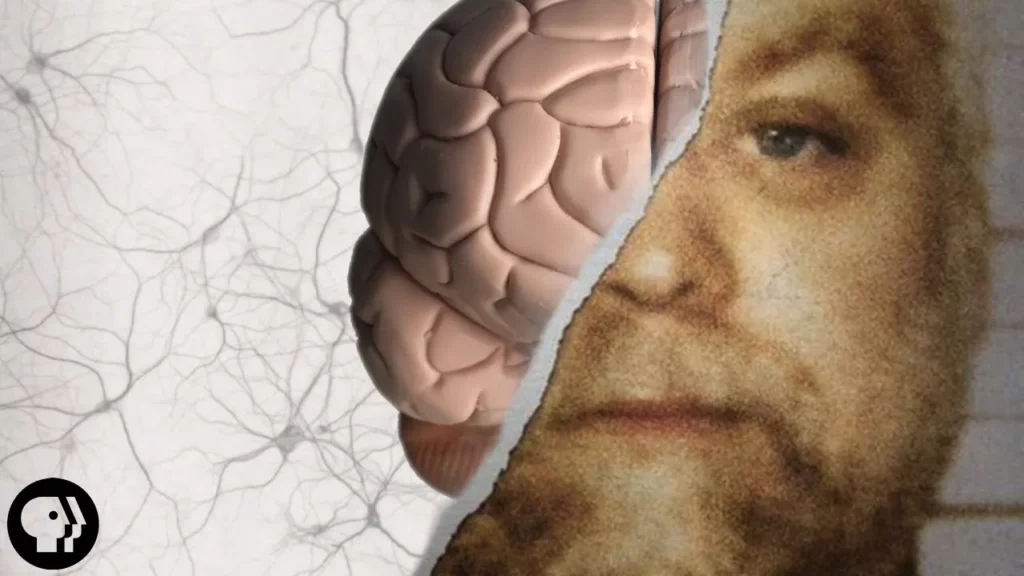
The lesson explores the psychological concepts of false memories, incorrect eyewitness testimonies, and false confessions, particularly in the context of the documentary series “Making a Murderer.” It highlights how these factors contribute to wrongful convictions, emphasizing that our memories are not infallible and can be distorted or manipulated. The lesson underscores the importance of prioritizing factual information over confessions in the justice system to prevent miscarriages of justice.
Why People Blame Others
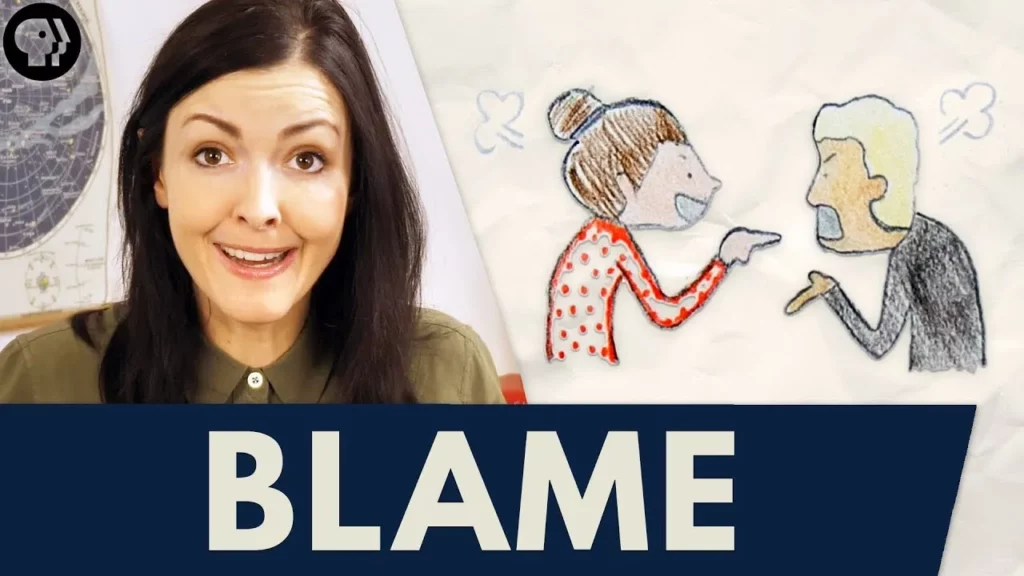
The lesson explores the concept of blame shifting, where individuals attribute their mistakes to others instead of taking responsibility. This behavior, often seen in certain personality types, can lead to negative consequences in relationships and organizational culture, including decreased creativity and performance. By promoting accountability and constructive feedback, individuals can foster a more respectful and cooperative environment, ultimately enhancing problem-solving and mutual respect.
The Disturbing Psychology ‘The Social Dilemma’ Didn’t Tell You
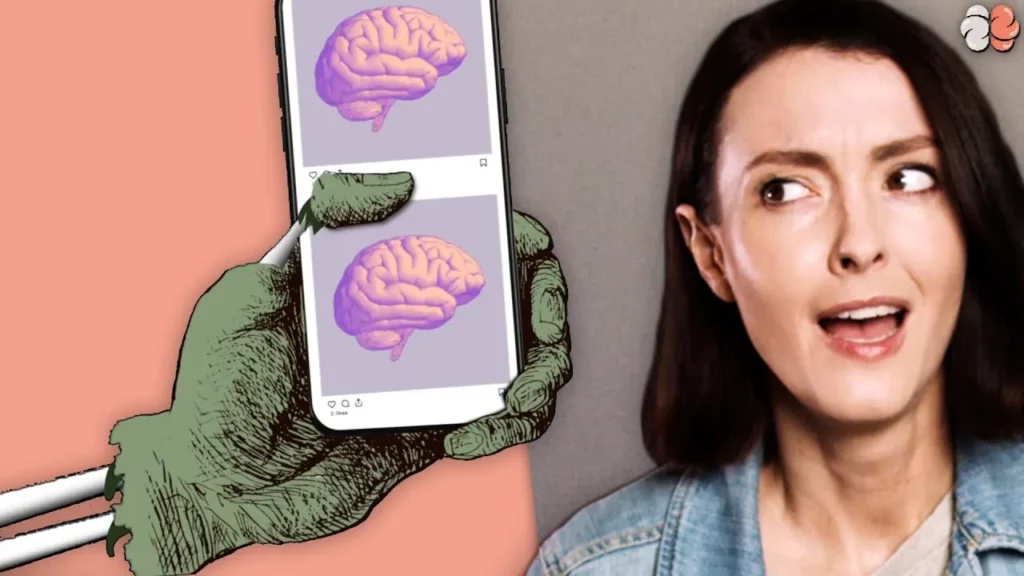
The lesson explores the profound psychological impact of technology and social media, highlighting how these platforms manipulate emotions and attention through sophisticated algorithms and mood-targeting techniques. It discusses the ethical concerns surrounding these practices, particularly in relation to mental health, and emphasizes the need for individuals and companies to take responsibility for their engagement with technology. While acknowledging the benefits of social media, the lesson advocates for a balanced approach to technology use, encouraging personal strategies to mitigate distractions and promote well-being.
DIY Brain Enhancement or Frankenstein?
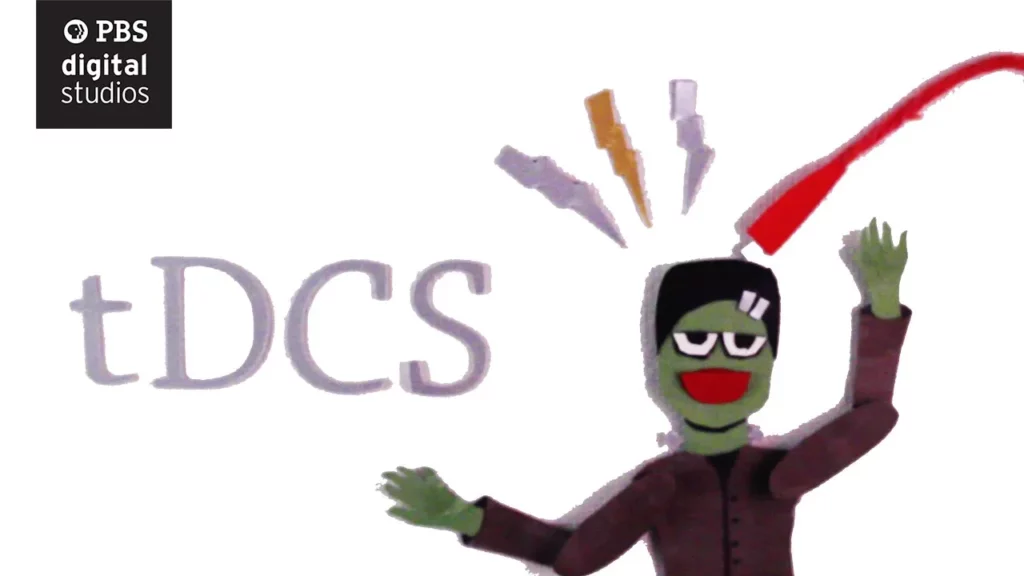
The lesson explores the historical and modern implications of using electrical stimulation to enhance brain function, tracing back to Luigi Galvani’s experiments with frog legs and the subsequent debate with Alessandro Volta regarding the role of electricity in life. Today, techniques like Transcranial Direct Current Stimulation (tDCS) are being utilized for therapeutic purposes, showing promise in improving cognitive functions and addressing mental health issues, though caution is advised due to potential risks. The discussion also highlights the cultural impact of these scientific advancements, particularly in relation to Mary Shelley’s “Frankenstein,” which reflects society’s ongoing fascination with the intersection of electricity and life.
Your Brain on Tetris
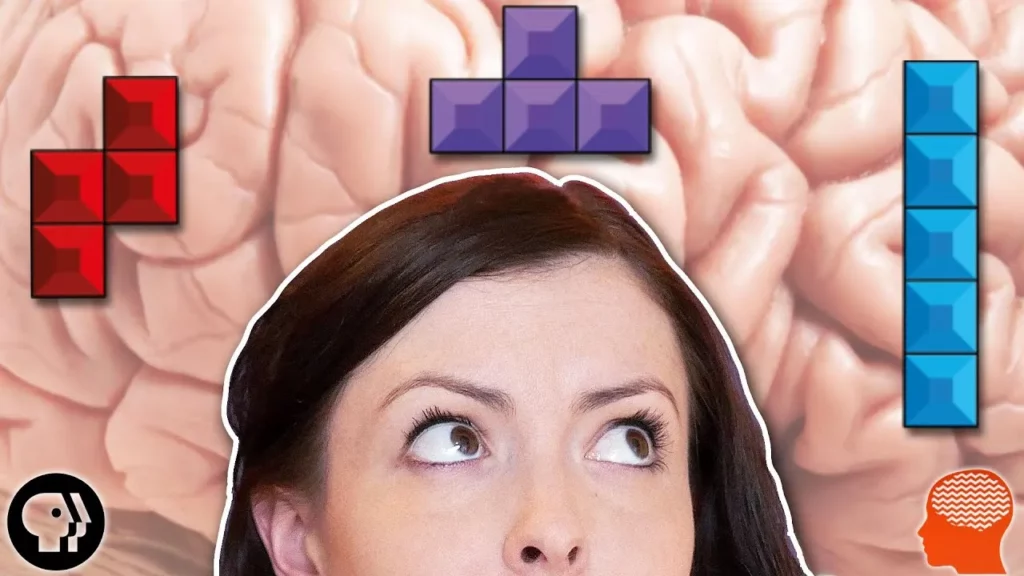
The lesson explores the cognitive effects of playing Tetris, highlighting its potential benefits, such as enhancing brain structure and serving as a “cognitive vaccine” for PTSD by reducing flashbacks. However, it also addresses the addictive nature of the game, driven by our innate desire to complete tasks, and warns of the risks associated with excessive play. Ultimately, the lesson concludes that while Tetris can be beneficial, it should be enjoyed in moderation to avoid negative consequences.
How Magicians Trick Your Brain
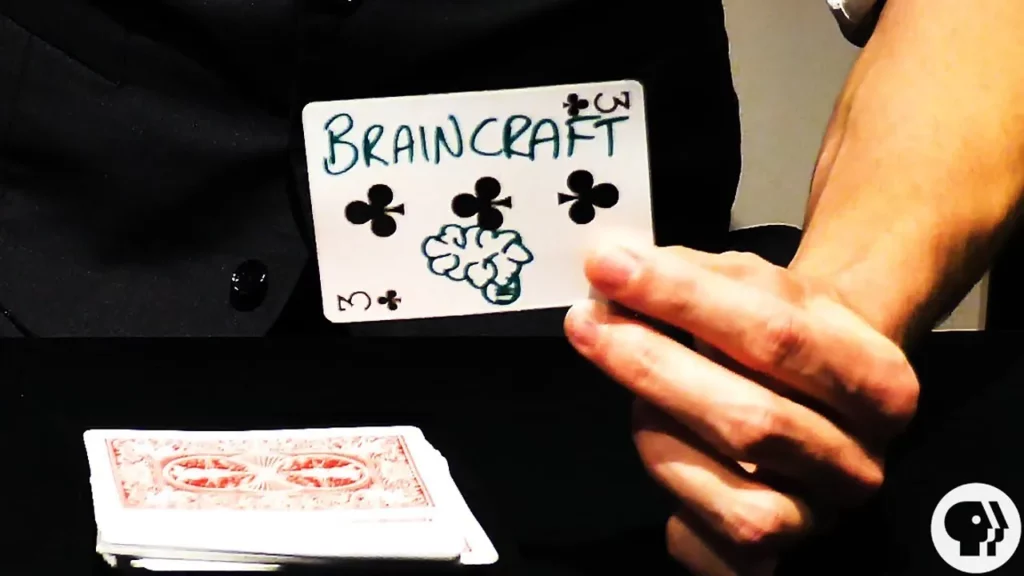
The lesson explores the fascinating intersection of psychology and magic, highlighting how magicians like Siegfried Tieber use cognitive techniques to deceive our brains. Through tricks such as card manipulation and bill switching, magicians employ strategies like misdirection and attention guidance to create illusions that astonish audiences, demonstrating the complex science behind their craft. Ultimately, the lesson reveals that magic is not just about skillful performance but also about a profound understanding of human cognition and decision-making.
4 Logic Riddles ft. SciShow!
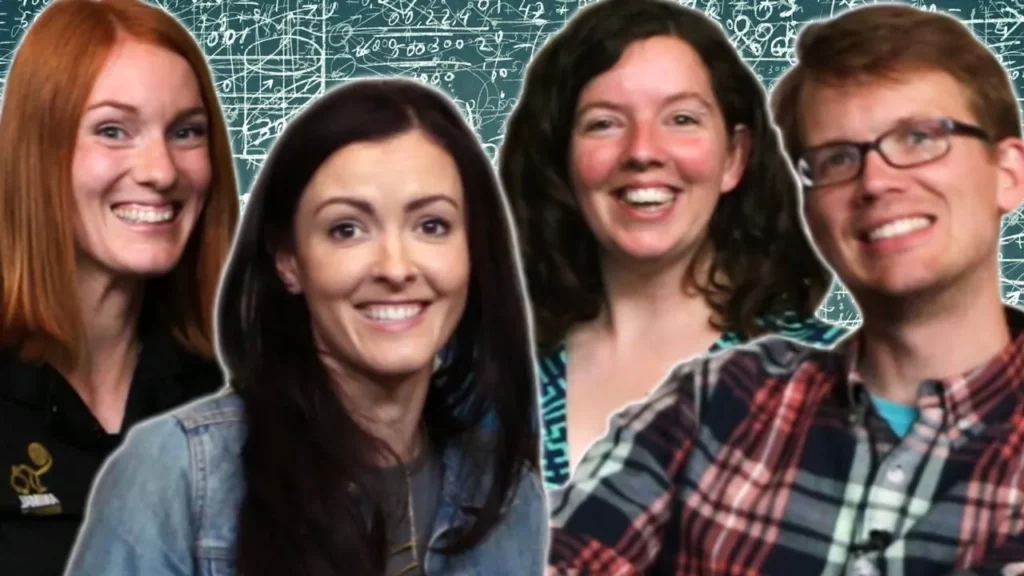
In this lesson, participants engage with four intriguing logic riddles presented by Caitlin from SciShow Space, Jessi from Animal Wonders Montana, and Hank Green. Each riddle not only challenges conventional thinking but also illustrates the importance of cognitive reflection, highlighting how our initial gut responses can often be misleading. The session encourages deeper analytical thinking and challenges societal assumptions, particularly regarding gender roles, as demonstrated in the final riddle about the surgeon.