
Why Do We Find Things Disgusting? | BrainCraft Q&A!
In this lesson, we explore the psychological and evolutionary reasons behind feelings of disgust, including how our brain’s insular cortex triggers physiological responses to unpleasant stimuli. Additionally, we examine the intriguing behaviors of certain animals, such as why some birds and rabbits consume their own feces, and discuss how our perception of time can vary based on emotional states and levels of stimulation. Overall, the lesson highlights the complex interplay between our emotions, behaviors, and biological responses.
The Perfect Christmas Gift (According to Science)
The lesson emphasizes that the perfect Christmas gift is not determined by its monetary value but by the thoughtfulness and care put into its selection. Research indicates that gifts that are environmentally friendly or experiential—such as outings or donations—tend to bring more happiness. Ultimately, the most meaningful gift may be the time spent with loved ones, highlighting the importance of connection over materialism during the holiday season.
Everything is Trying to Kill You
The lesson “Everything is Trying to Kill You” highlights the disparity between perceived and actual risks, illustrating how irrational fears often overshadow more common dangers. While people may fear sharks and spiders, the reality is that everyday activities like driving pose far greater risks, and cancer remains a significant health threat due to various lifestyle factors. The lesson emphasizes the importance of understanding risks, making informed choices, and utilizing preventive measures like vaccinations to protect against serious threats.
Why Are We More Anxious Than Ever Before?
The lesson explores the rising prevalence of anxiety in society, highlighting that 39% of American adults report increased anxiety compared to the previous year. It examines the complex interplay of genetic factors, such as the COMT gene, and environmental influences, particularly adverse childhood experiences, in contributing to anxiety disorders. Additionally, it emphasizes the importance of seeking professional help and offers practical strategies for managing anxiety, such as exercise and meditation, to promote overall mental well-being.
Are You a Chronic Procrastinator?

The lesson explores the phenomenon of procrastination, highlighting that while it is a common behavior, about 20% of people are chronic procrastinators due to the interplay between the prefrontal cortex and the limbic system in the brain. Chronic procrastination can lead to negative consequences, such as increased stress and lower performance, but strategies like setting personal deadlines, breaking tasks into smaller parts, and reframing tasks can help individuals overcome this habit. Ultimately, facing the consequences of procrastination can also serve as a valuable lesson in motivating change.
How Gaslighting Manipulates Your Mind
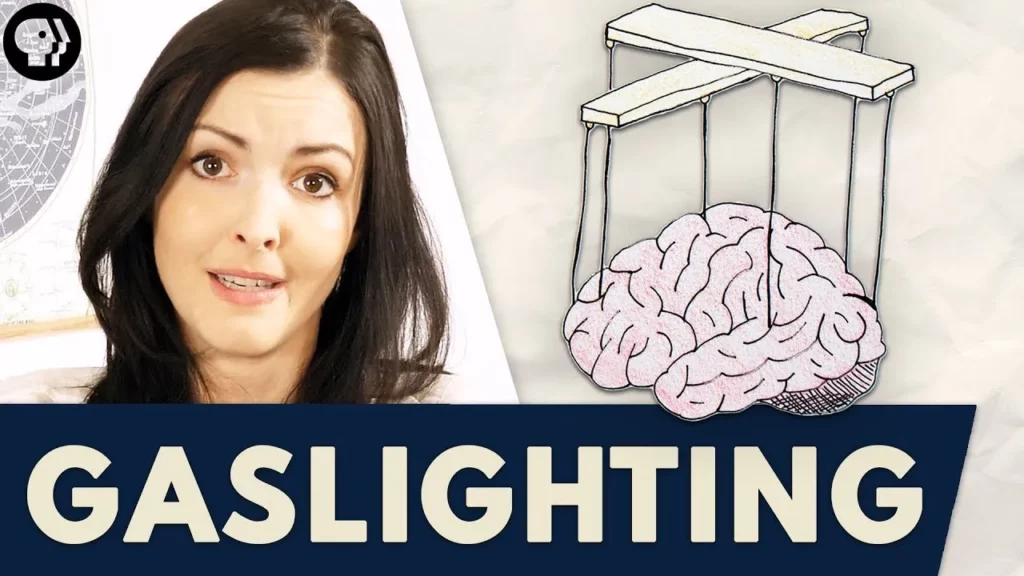
The lesson on gaslighting explores how this form of emotional manipulation can distort an individual’s perception of reality, often leading them to doubt their own memories and experiences. It highlights the signs of gaslighting, its historical context, and its prevalence in both personal and political arenas, emphasizing the importance of recognizing these behaviors to protect oneself. Strategies for dealing with gaslighting include trusting one’s instincts, seeking external perspectives, and considering professional help when necessary.
Your Brain’s Facial Recognition Technology
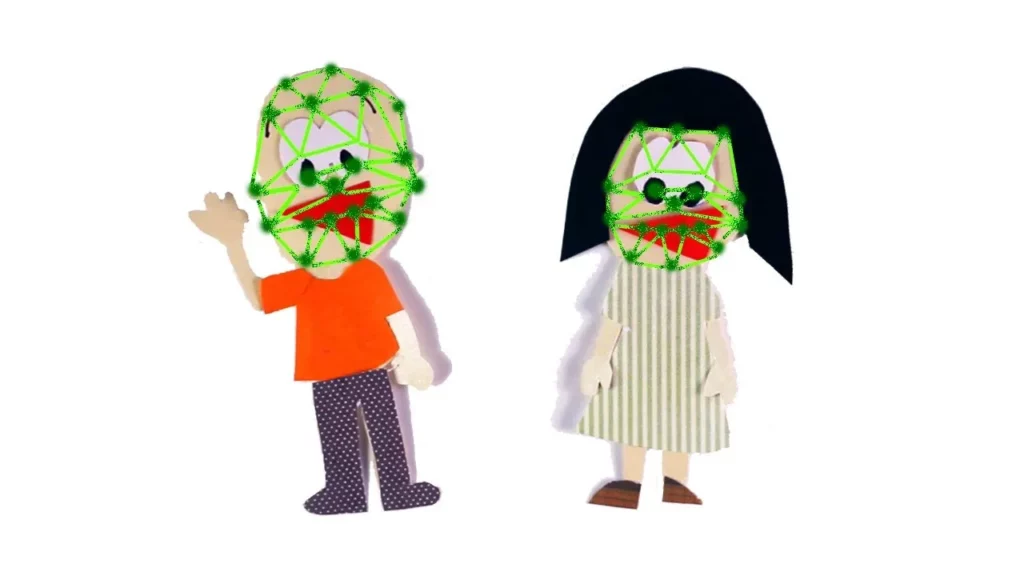
The lesson explores the remarkable ability of the human brain to recognize faces, highlighting the concept of “face space,” which allows us to remember countless faces by comparing them to an average face. It discusses the condition of prosopagnosia, or face blindness, where individuals struggle to recognize faces due to brain damage or congenital factors, and introduces the idea of facial recognition technology that mimics our brain’s processes. Ultimately, the lesson emphasizes the importance of this ability in our daily lives and the potential for technology to aid those who face challenges in recognizing loved ones.
4 Odd Things We’ve Seen in Your Brain
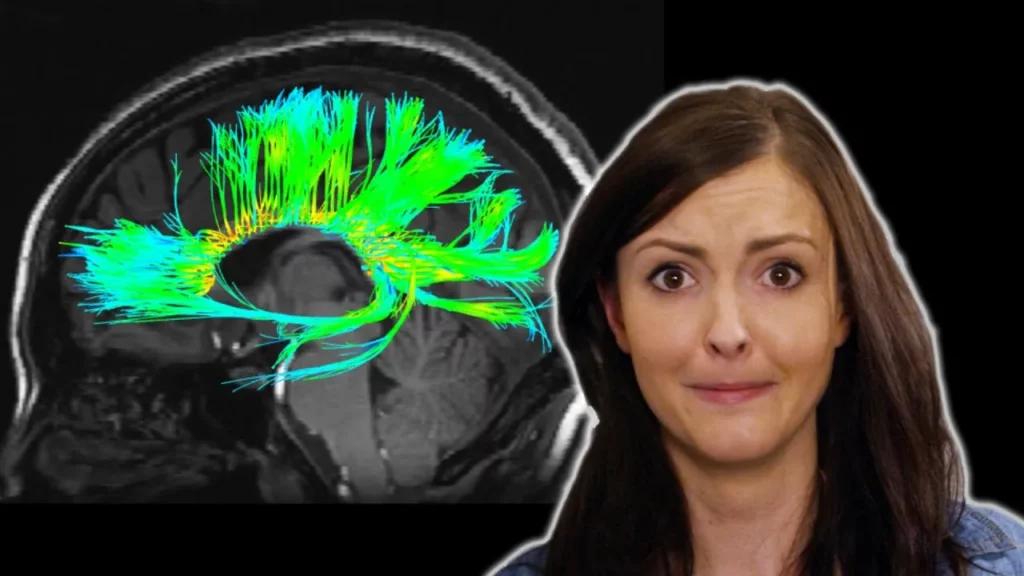
The lesson discusses the use of Magnetic Resonance Imaging (MRI) and functional MRI (fMRI) to explore brain activity, particularly in relation to sound production and emotional responses. It highlights intriguing experiments, such as observing fear responses in participants and the brain activity of rappers improvising lyrics, as well as a peculiar study involving a deceased salmon that underscores the importance of careful statistical analysis in research. Overall, fMRI has proven to be a valuable tool for understanding complex brain functions and behaviors.
Re-engineering Sight
The lesson “Re-engineering Sight” explores the challenges faced by the legally blind, highlighting that while many retain some light perception, conditions like age-related macular degeneration and glaucoma significantly impact their vision. It discusses innovative technologies, including special glasses developed by Stephen Hicks, which utilize 3D camera systems to enhance spatial awareness and object recognition, offering hope for greater independence and improved quality of life for those with visual impairments.
Do Dogs Dream?

The lesson explores the intriguing question of whether dogs dream, highlighting that they experience REM sleep similar to humans. Research indicates that dogs likely dream about their daily activities, such as playing or chasing, and the frequency of their dreams can vary based on their size. Ultimately, while we can’t directly ask dogs about their dreams, evidence suggests they have their own unique dream experiences.