
Think You Have a “Type A” Personality? Watch this first
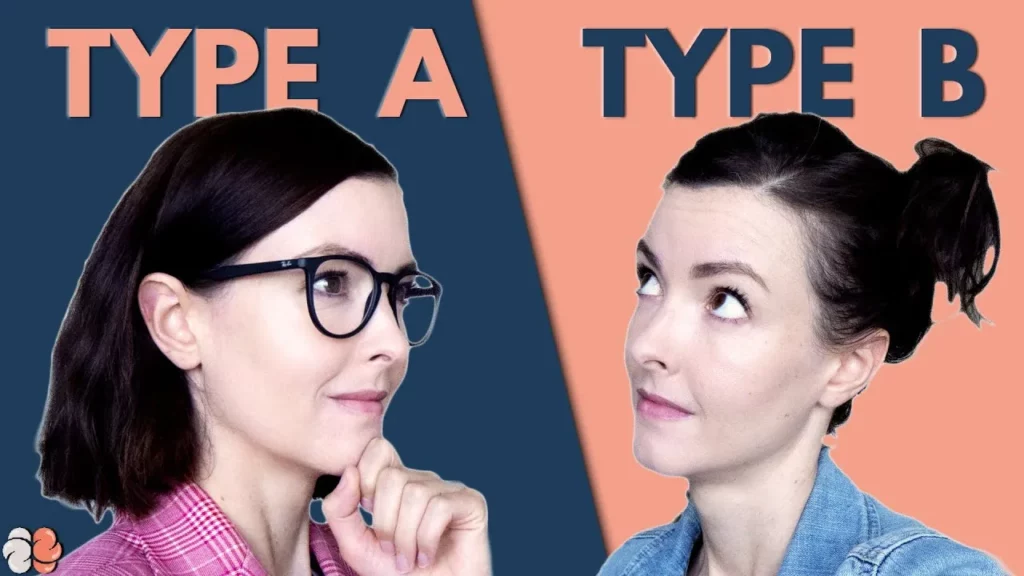
The lesson explores the origins and validity of the “Type A” personality concept, revealing that it was developed in the 1950s by cardiologists in collaboration with the tobacco industry to divert attention from the health risks of smoking. Despite its widespread use in everyday language, modern research suggests that personality traits exist on a spectrum rather than as fixed categories, and emphasizes the importance of understanding and modifying these traits for improved well-being. Ultimately, the lesson encourages individuals to focus on cultivating healthy behaviors rather than adhering to outdated personality labels.
An Introvert’s Guide to Happiness
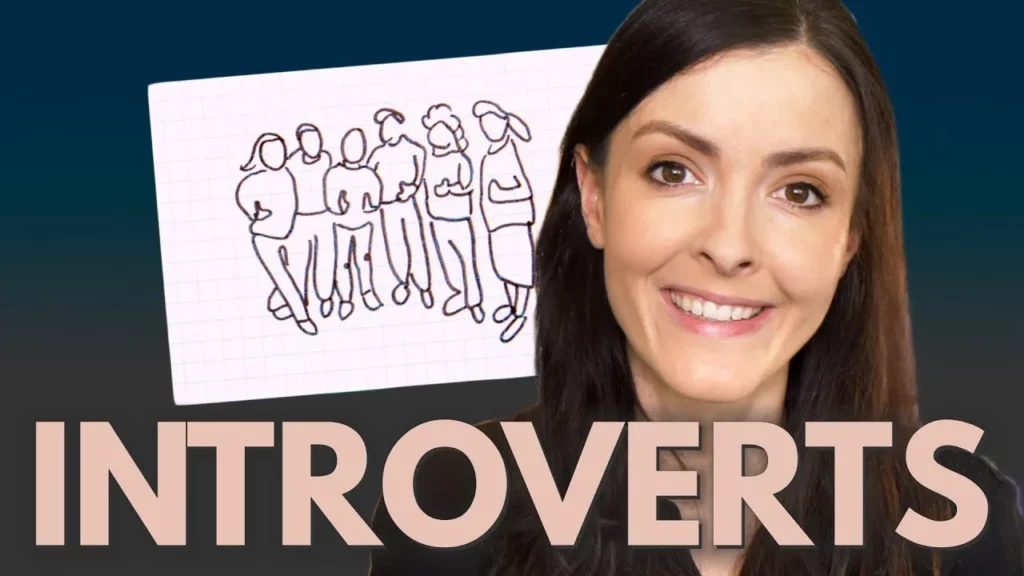
The lesson “An Introvert’s Guide to Happiness” emphasizes the importance of understanding and embracing one’s introverted nature in a society that often favors extroverted traits. It highlights that happiness is not solely linked to personality traits but is significantly influenced by self-acceptance and finding suitable environments that align with one’s strengths. By recognizing the value of introversion and focusing on personal growth, introverts can enhance their well-being and overall happiness.
How Many Choices Are Too Many?

The lesson explores the concept of “choice overload,” illustrated by a study where consumers faced with 24 types of jam were less likely to make a purchase compared to those offered only 6 varieties. This phenomenon suggests that having too many options can lead to dissatisfaction and indecision, a notion supported by historical philosophical ideas and popularized by Barry Schwartz. However, recent research challenges the consistency of this theory, indicating that the impact of choice on decision-making may be influenced by various factors, including individual mood and the complexity of the decision at hand.
The Tiny Key to Ageing

In this lesson, Vanessa introduces the groundbreaking research of biologist Elizabeth Blackburn, who studied telomeres and discovered the enzyme telomerase, which helps maintain telomere length and has implications for aging and age-related diseases. The lesson explores the complex relationship between telomere shortening and aging, highlighting factors that influence telomere length and emphasizing the importance of lifestyle choices alongside scientific advancements in understanding and potentially combating aging.
The Most Boring Video Ever

The lesson explores the concept of boredom, defining it as the unpleasant feeling of wanting to engage in satisfying activities but being unable to do so, influenced by attention difficulties and environmental factors. It highlights the physiological effects of boredom, such as decreased skin conductivity and increased heart rate, and discusses strategies to combat it, including gamifying tasks and pairing boring activities with enjoyable ones. Ultimately, boredom is presented as a universal experience that can be managed through various techniques, especially in our digitally connected world.
Why Do People Interrupt You?
The lesson explores the reasons behind interruptions in conversations, highlighting both straightforward motivations, such as excitement or a desire to assert dominance, and more complex factors related to the timing and coordination of dialogue. By examining the communication patterns of singing mice, researchers gain insights into the brain mechanisms that facilitate smooth conversational exchanges in humans, emphasizing the intricate skills involved in effective communication and the surprising rarity of interruptions. Ultimately, the lesson encourages appreciation for the cognitive processes that underpin our everyday interactions.
Why Are People So Passive-Aggressive?
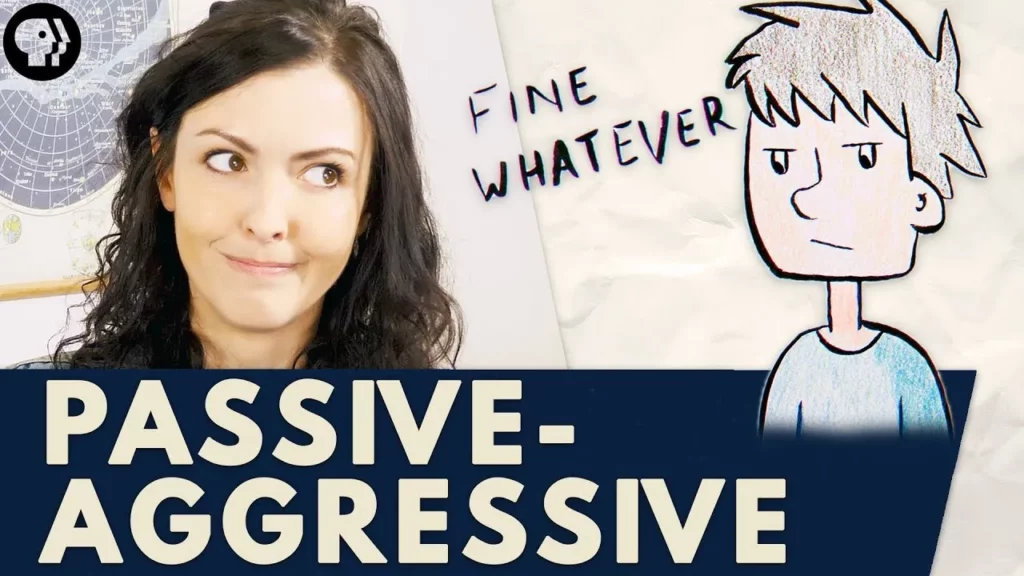
The lesson on passive-aggressive behavior highlights its indirect expression of resentment and aggression in interpersonal interactions, often manifesting through sarcasm, procrastination, or subtle insults. It explores the origins, recognition, and underlying reasons for such behavior, emphasizing that it can stem from emotional management challenges and a desire to avoid confrontation. To effectively address passive-aggressive behavior, the lesson advocates for assertive communication and a balanced approach to expressing feelings, ultimately fostering healthier relationships.
THIS Mindset Will Help You Cope
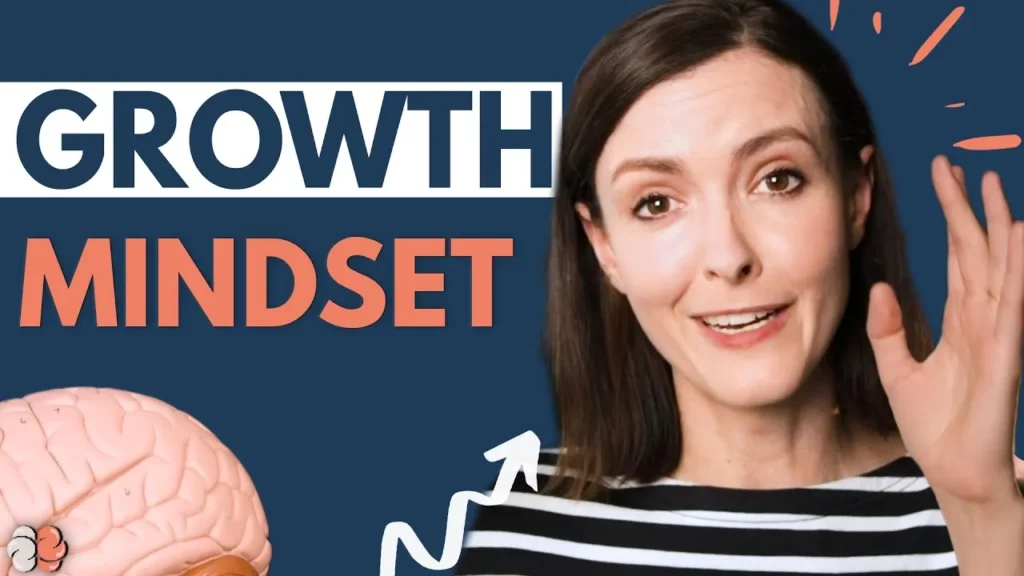
The lesson emphasizes the importance of adopting a growth mindset, particularly in challenging times like the pandemic, as it fosters personal growth, resilience, and better stress management. By recognizing that abilities can be developed through effort and learning from setbacks, individuals can shift their perspectives and tackle challenges more effectively. The lesson also highlights practical steps to cultivate this mindset, such as starting with manageable challenges, setting specific goals, and being open to feedback, ultimately encouraging a proactive approach to personal development.
What Can Body Language Actually Tell Us?
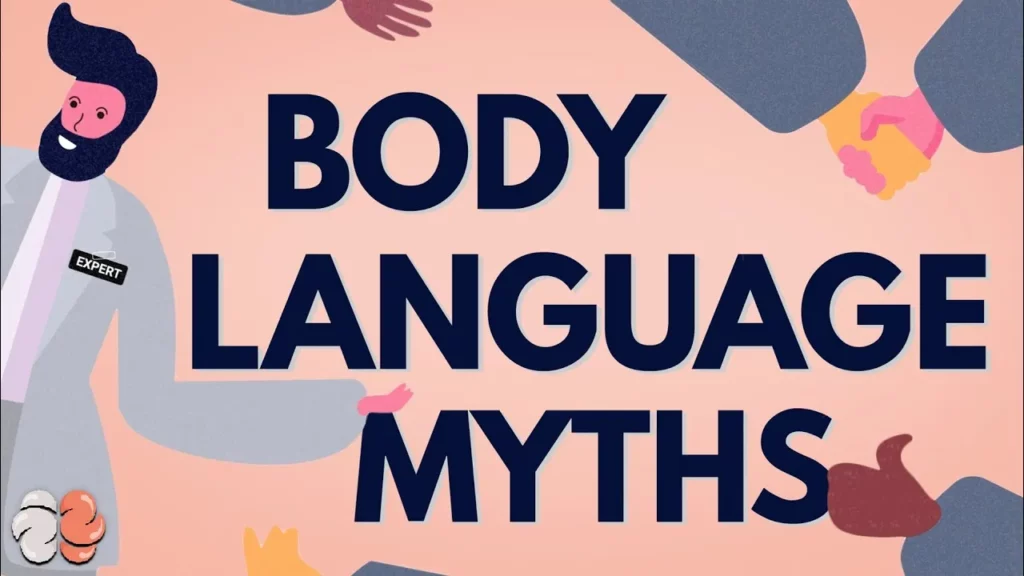
The lesson emphasizes that while body language can offer insights into communication, many common beliefs about it are misconceptions lacking scientific support. It highlights the complexity of interpreting nonverbal cues, which can vary significantly based on context, culture, and individual differences. Ultimately, the lesson encourages focusing on verbal communication and the context of interactions rather than overanalyzing body language to enhance effective and authentic communication.
How Many Friends Can You Have?

The lesson explores the relationship between human cognitive capacity and social interactions, highlighting the social brain hypothesis and the role of the neocortex in managing social groups. It discusses the Dunbar number, which suggests that humans can maintain around 150 meaningful relationships, and examines how modern social networks challenge this limit despite our brain’s adaptability. Ultimately, the lesson raises questions about the future of social connections in an increasingly digital world.