
Us vs Them: Immigration, Empathy and Psychology
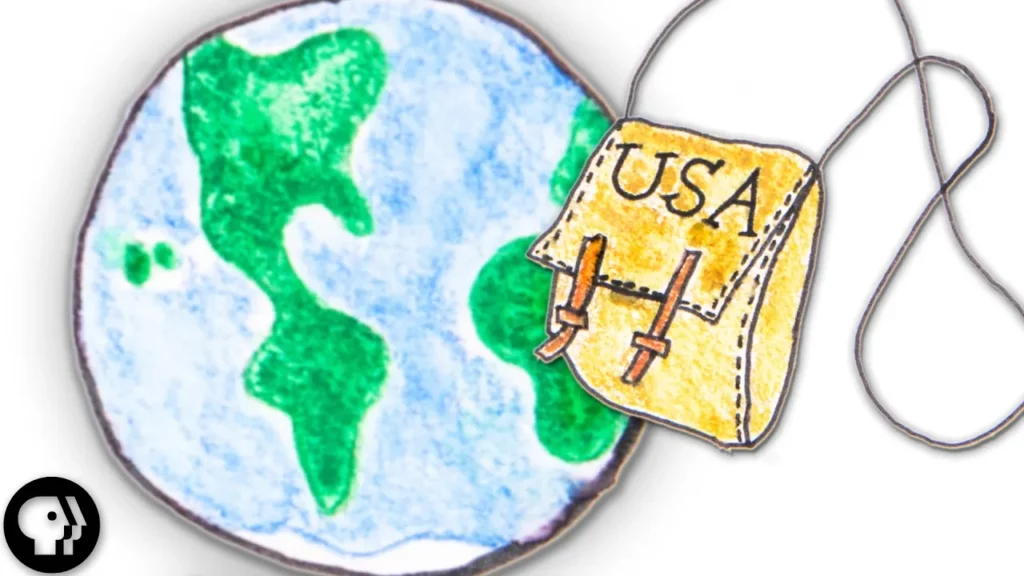
The lesson “Us vs Them: Immigration, Empathy, and Psychology” explores the complexities of balancing individual and collective needs, particularly in the context of social identity and discrimination. It highlights how group affiliations can foster in-group favoritism and negative stereotypes towards out-groups, such as immigrants, while also emphasizing the potential for empathy through positive interactions. Ultimately, the lesson advocates for recognizing our shared humanity to build a more inclusive global community.
What Makes Someone a Night Owl?
The lesson explores the concept of chronotype, which refers to an individual’s preference for being a night owl or an early bird, and highlights the significant role of genetics in determining these preferences. Research indicates that genetic variants associated with circadian rhythms and light perception contribute to these differences, while other factors such as age, gender, brain structure, and personality traits also play a role. Despite some challenges faced by night owls, such as higher risks of depression and unhealthy habits, they may possess advantages like greater intelligence and creativity.
Why Do We Work?

The lesson “Why Do We Work?” explores the deeper motivations behind work beyond mere financial necessity, using a conversation between a tourist and a fisherman to illustrate different perspectives on work and leisure. It critiques the traditional view that work is solely driven by financial incentives, highlighting intrinsic motivators such as autonomy, mastery, and purpose, as proposed by Daniel Pink. Ultimately, the lesson encourages individuals to find meaning in their work, whether they view it as a job, career, or calling, to enhance fulfillment and productivity.
4 Mental Shortcuts That Cloud Your Judgement
The lesson explores four cognitive biases—The IKEA Effect, the Planning Fallacy, Post-Purchase Rationalization, and the Availability Cascade—that can cloud our judgment and lead to errors in decision-making. These mental shortcuts, while often useful for processing information quickly, can result in overvaluing personal creations, underestimating task completion times, justifying questionable purchases, and conforming to popular opinions. Recognizing these biases is crucial for making more informed choices and improving our overall decision-making processes.
4 Lesser-Known Scientific Discoveries! (And the women behind them)
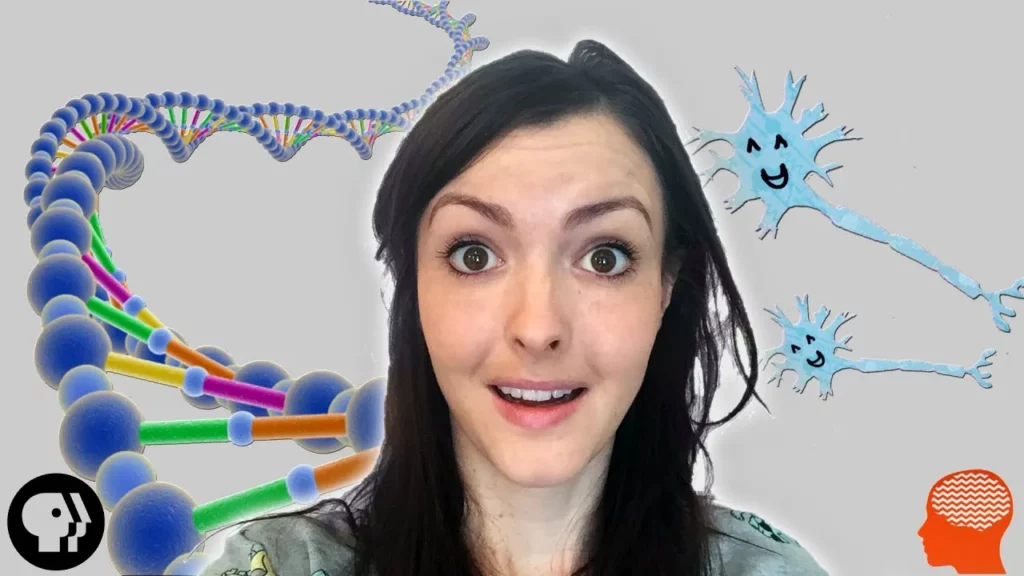
This lesson highlights four significant scientific discoveries made by remarkable women, emphasizing their contributions to our understanding of memory, aging, Alzheimer’s disease, and the brain’s pain management system. Elizabeth Loftus’s work on the Misinformation Effect reveals the unreliability of memory, while Elizabeth Blackburn’s discovery of telomerase has implications for aging and disease. Additionally, Vijayalaxmi Ravindranath’s research offers hope for Alzheimer’s treatment, and Candace Pert’s identification of the brain’s opiate receptor enhances our knowledge of endorphins and their effects on pain and pleasure.
How Jealousy Distorts Your Thinking
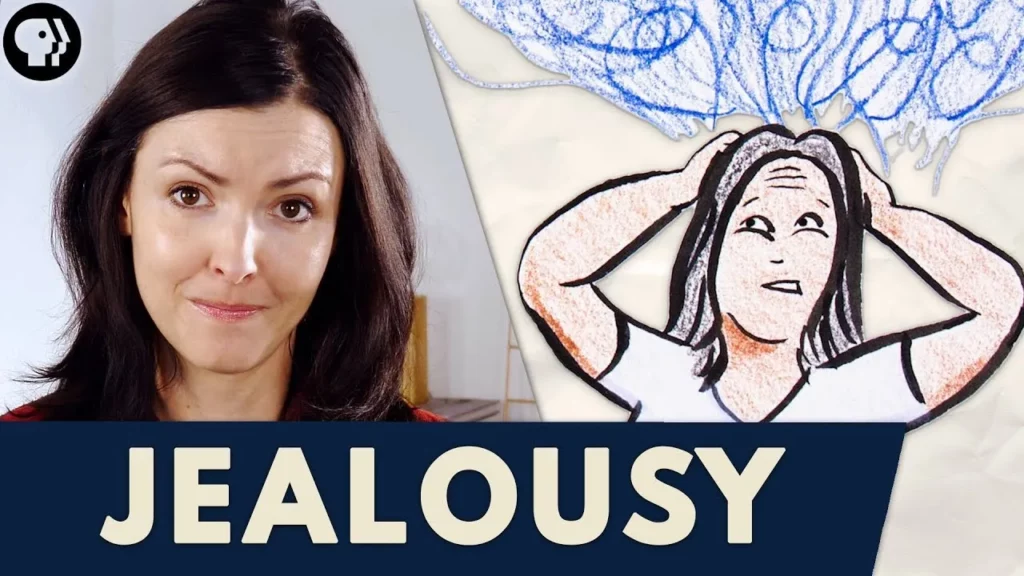
The lesson on jealousy highlights how this complex emotion can distort our thinking and lead to cognitive errors, such as mind-reading and fortune-telling, which can exacerbate feelings of insecurity and anxiety in relationships. It emphasizes the importance of recognizing jealousy as a normal feeling, understanding its roots, and managing it through awareness and reframing negative thoughts. By addressing these cognitive distortions and reflecting on positive experiences, individuals can learn to cope with jealousy in a healthier way.
Weird Brain Myths from History!
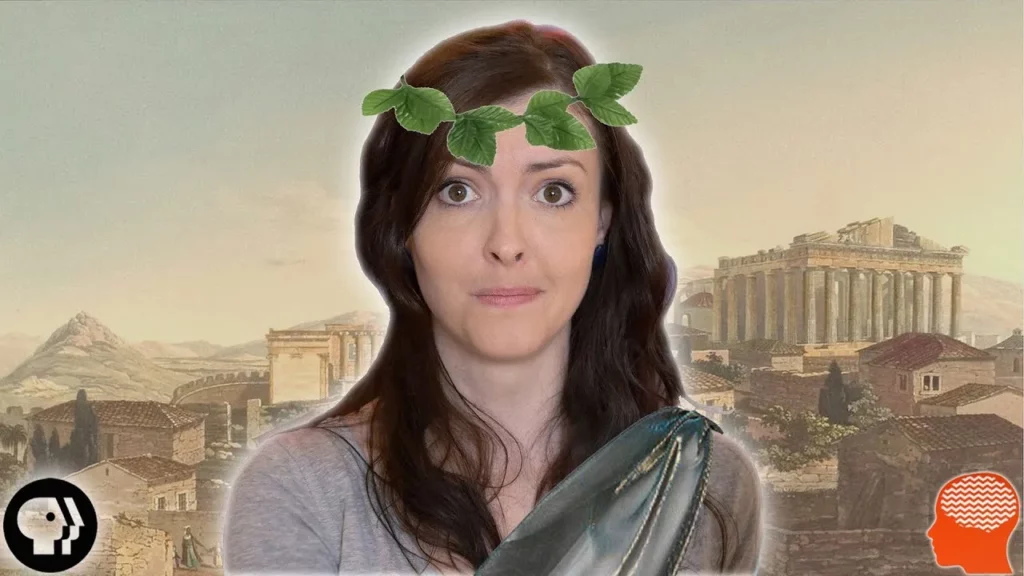
The lesson explores historical misconceptions about the brain, highlighting how beliefs evolved from the Ancient Egyptians’ view of the brain as mere filler to the Greek philosophers’ recognition of its role in consciousness. It discusses various theories, including Descartes’ Balloonist theory and Gall’s phrenology, illustrating how these myths shaped our understanding of the brain over time. Ultimately, the lesson emphasizes the importance of questioning and critiquing these myths as a foundation for scientific progress.
Gravity in Your Brain ft. Neil deGrasse Tyson!
In this lesson, Neil deGrasse Tyson explores the concept of gravity and its impact on playing catch, both on Earth and in space. He highlights how gravity influences the trajectory of a thrown ball, making it challenging for astronauts to predict its path in a zero-gravity environment. The lesson also imagines the humorous implications of aliens with different gravitational experiences attempting to play Earth sports, suggesting that their unique backgrounds could lead to entertaining scenarios in games like baseball.
The Psychology of Keeping Secrets
The lesson explores the psychological impact of keeping secrets, highlighting how they can feel burdensome and affect our perception of physical tasks. Research indicates that individuals who perceive their secrets as heavy or preoccupying may find challenges, such as steep hills or target distances, more daunting. Ultimately, while the weight of secrets is not physical, the mental burden they impose can significantly influence our behavior and daily life.
Why You Should Stop Saying “Sorry” (most of the time)
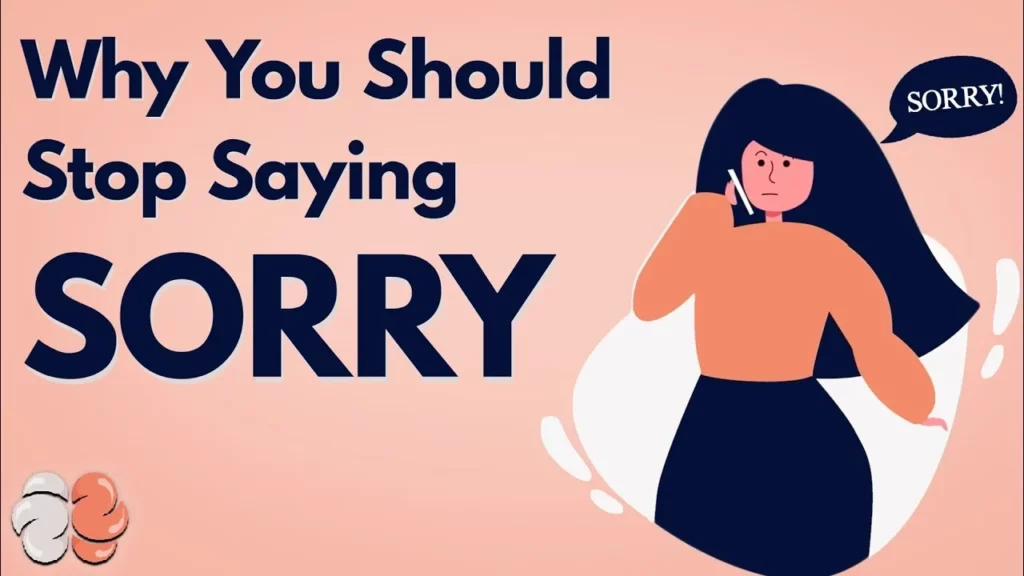
The lesson emphasizes the importance of being mindful about when we say “sorry,” as over-apologizing can diminish our confidence and make future apologies less impactful. Research indicates that frequent apologies, especially in situations where they aren’t warranted, can lead to negative feelings rather than comfort for the recipient. Instead of defaulting to “sorry,” it’s suggested to use alternatives and reserve apologies for genuine mistakes to maintain their significance.