
Why People Send Terrible Emails (research explains…)
The lesson explores the complexities of email communication, highlighting factors such as the “curse of knowledge,” egocentrism, and negativity bias that contribute to misunderstandings. It emphasizes that while effective email writing is challenging, being aware of these biases and generational differences in punctuation perception can enhance clarity and reduce misinterpretations. The lesson encourages readers to improve their communication skills and offers a creative outlet through hands-on projects from KiwiCo.
How Smart is Your Dog?

The lesson “How Smart is Your Dog?” explores the different types of canine intelligence, including instinctive, adaptive, and working/obedience intelligence, highlighting that dogs exhibit varying levels of smarts based on their breed. It discusses recent research that tested the intelligence of border collies through various tasks, revealing a general intelligence factor among dogs. Understanding canine intelligence not only enhances our relationship with dogs but also contributes to broader insights into animal intelligence and its connections to health.
How to Feel Inspired When You’ve Lost Motivation
The lesson discusses strategies for reigniting motivation and finding inspiration when feeling uninspired, emphasizing the importance of understanding the nature of inspiration and its impact on creativity. It highlights the scientific processes behind inspiration, the role of brain networks in creative thinking, and practical techniques, such as Thomas Edison’s method of harnessing the twilight state for idea generation. Ultimately, the lesson encourages balancing inspiration with effort and suggests allowing time for mental disengagement to foster creativity.
BrainCraft Trailer | PBS Digital Studios
In this lesson, we explore the fascinating functions of the brain, which serves as the control center for all our actions and thoughts. We examine how technology impacts cognitive processes, discover ways to enhance brain power through specific activities, and delve into the brain’s responses to various stimuli. By understanding the science behind our brain’s workings, we gain valuable insights into our behavior and thought patterns.
4 Brain Teasers Asked in Job Interviews (ft. Space Time & Infinite Series!)
This lesson explores various brain teasers commonly used in job interviews, highlighting their purpose in assessing problem-solving and creative thinking skills. Through classic riddles and estimation challenges, such as the riddle of the ages and questions about manhole covers and clock hands, the lesson emphasizes the importance of thought processes over exact answers. Ultimately, these puzzles encourage candidates to approach challenges with a playful mindset while showcasing their analytical abilities.
Can You be Addicted to Sugar?

The lesson explores the concept of sugar addiction, illustrating how strong cravings for sugar can resemble addictive behaviors seen in drug dependency. It discusses the brain’s reward pathways activated by sugar consumption, leading to overeating and withdrawal symptoms in studies with animals. While some argue that sugar can be as harmful as drugs due to its effects on health, the debate continues, emphasizing that enjoying sweets doesn’t necessarily equate to addiction, and suggesting healthier strategies to manage sugar cravings.
Why You Lie To Yourself More Than Others
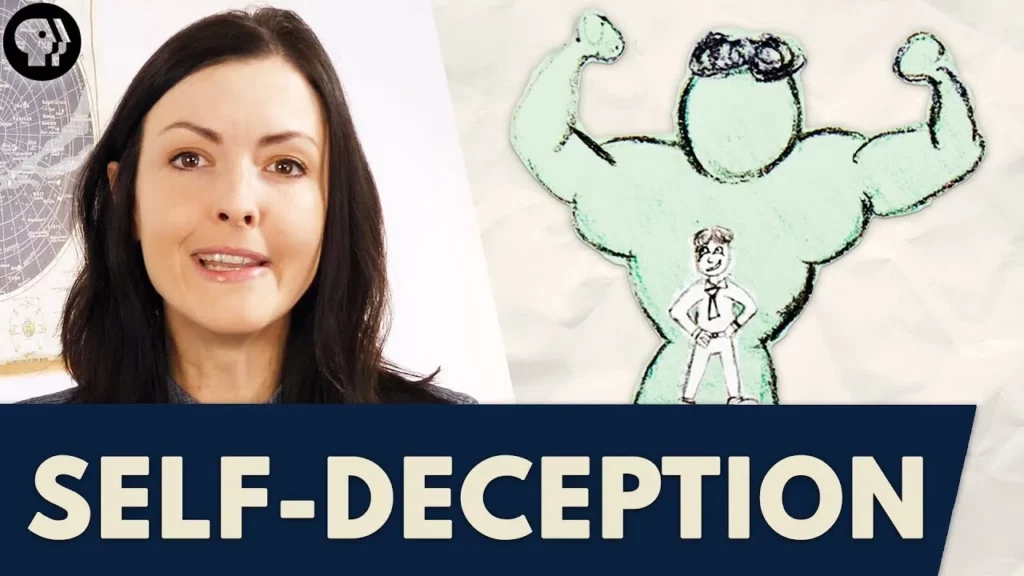
The lesson explores the concept of self-deception, highlighting that individuals often lie to themselves more than to others as a means of coping with reality and maintaining a positive self-image. It discusses the origins and risks of self-deception, emphasizing that while it may provide short-term benefits, it can hinder personal growth and lead to negative consequences. To combat self-deception, the lesson offers practical steps such as self-reflection, seeking contradictory information, and taking responsibility for one’s actions.
The Upside of Stress
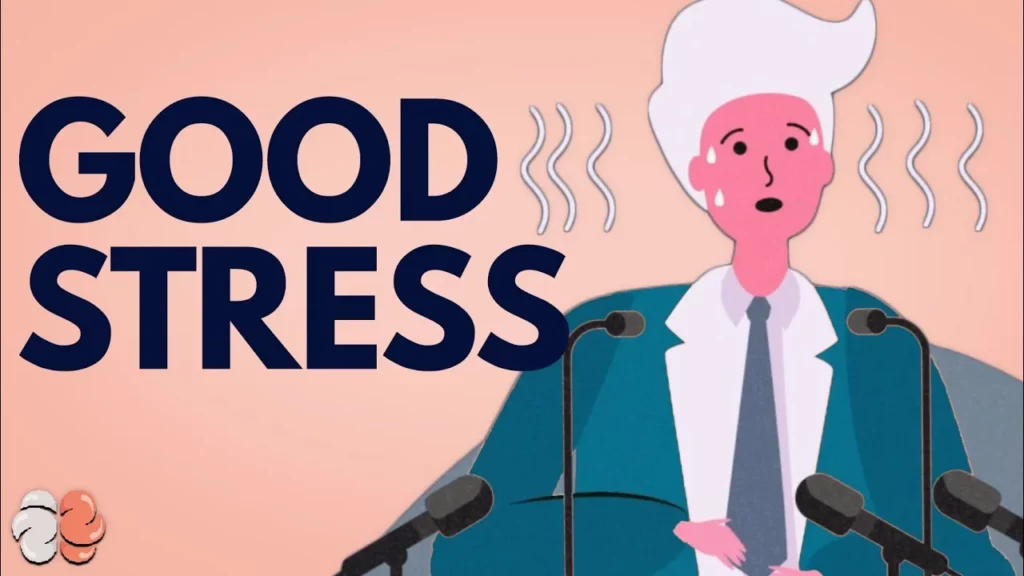
The lesson “The Upside of Stress” explores the potential benefits of short-term stress, contrasting the common negative perceptions associated with it. Research indicates that acute stress can enhance learning and memory by increasing dopamine release, and it may also foster social connections by promoting trust and cooperation among individuals. By reframing our perspective on stress as a potentially positive force, we can better cope with challenges and leverage stress for personal growth.
The Emotions You’ve Never Heard Of
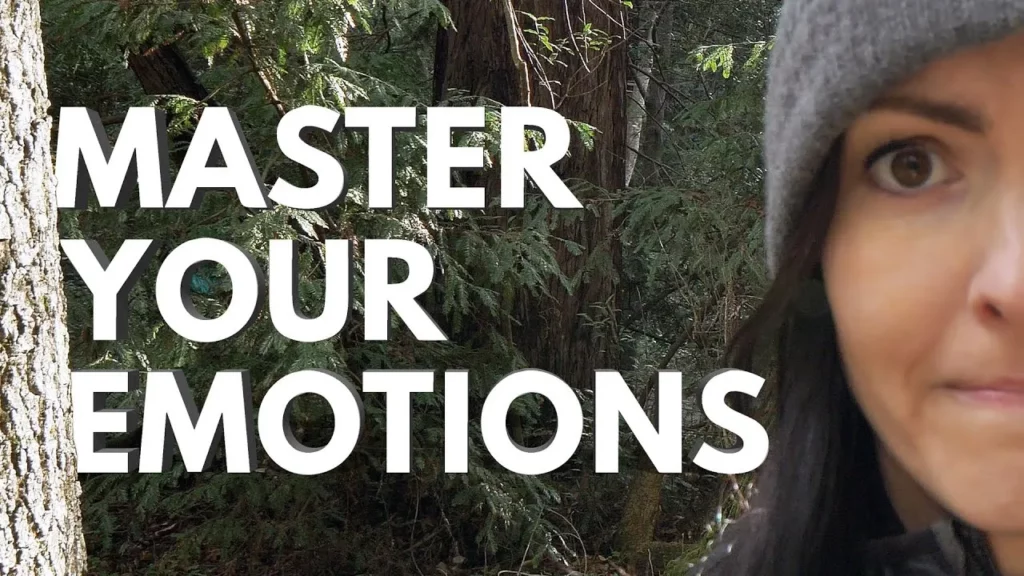
The lesson explores the complexity of human emotions and the limitations of our emotional vocabulary, highlighting the importance of understanding and naming our feelings. It discusses various theories of emotion, including the James-Lange, Cannon-Bard, and Schachter-Singer theories, which illustrate how emotions are influenced by physical responses and situational context. Additionally, the lesson emphasizes the role of culture in shaping our emotional experiences and offers strategies for mastering emotions, such as reinterpreting bodily signals and expanding emotional vocabulary to improve emotional regulation and overall well-being.
Should The Olympics Just Allow Doping?

The lesson explores the complex issue of doping in the Olympics, highlighting the challenges of detection and the prevalence of performance-enhancing drugs among athletes. It discusses the ethical considerations surrounding doping, including the argument by bioethicist Julian Savulescu for potentially allowing regulated forms of doping to ensure athlete safety while maintaining competitive integrity. Ultimately, the lesson raises the question of whether a compromise on doping regulations could be a viable solution in the ongoing battle against performance enhancement in sports.