
Is Love All You Need?

The lesson “Is Love All You Need?” explores the profound impact of love and relationships on long-term happiness, drawing insights from the Harvard Grant Study, which tracked participants for over 70 years. Key findings indicate that the warmth of relationships, particularly with parents, significantly correlates with life satisfaction and success, while lasting relationships hinge on traits like kindness and generosity. Ultimately, the lesson emphasizes that being open to love is crucial for a fulfilling life.
What Cats Taught Us About Perception

The lesson explores how optical illusions reveal the complexities of human perception, demonstrating that our environment significantly influences how we interpret visual information. Through studies involving cats, it illustrates that early visual experiences shape our brain’s feature detectors, which respond to specific orientations, ultimately affecting our susceptibility to various illusions. The lesson encourages reflection on personal experiences with perception and the impact of one’s surroundings.
Why People Fake Illness Online
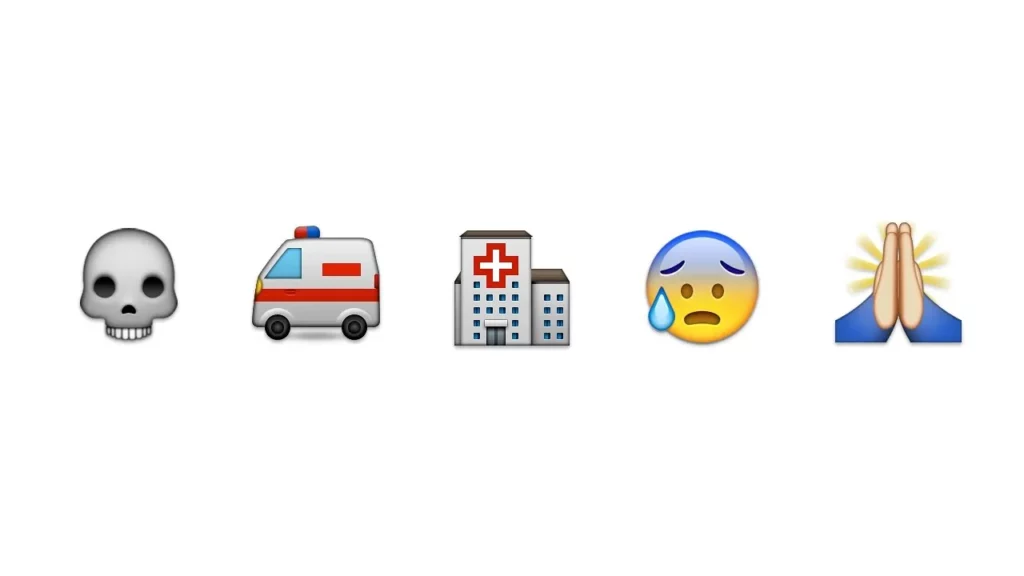
The lesson explores the phenomenon of individuals faking illnesses online, exemplified by the fabricated story of Dana Dirr, a supposed trauma surgeon and mother who was claimed to have died in a tragic accident. The hoax was uncovered by Taryn Harper Wright, a hoax investigator, who revealed that the creator, Emily, suffered from Munchausen Syndrome, highlighting the emotional motivations behind such deceit. The lesson emphasizes the challenges in identifying online illness fakers and the ethical considerations involved in confronting them, while also acknowledging the potential harm these hoaxes can cause to genuine support communities.
Why Do We Feel Hungry?
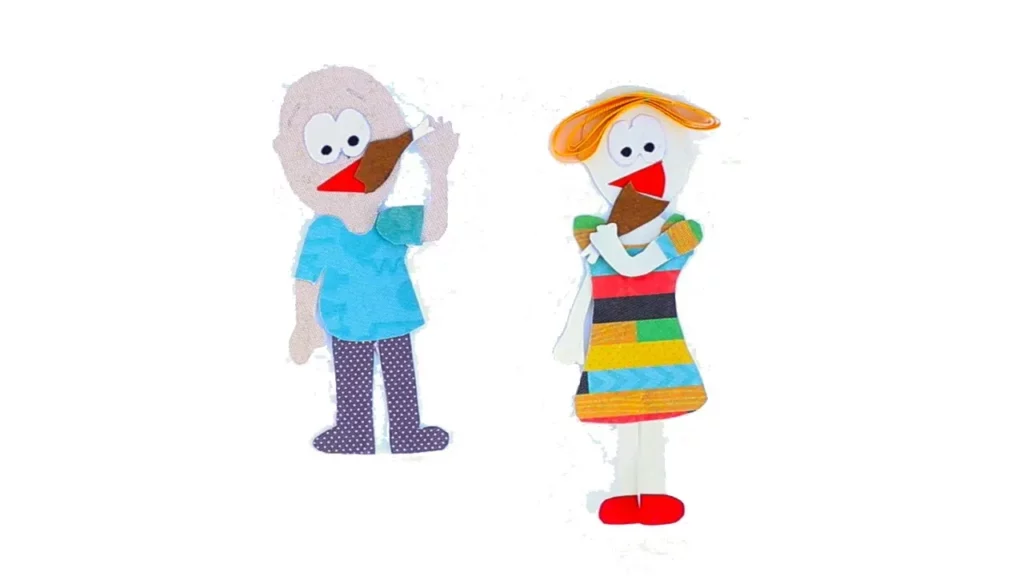
The lesson explores the complex factors influencing our feelings of hunger, emphasizing that it’s not solely based on physical cues like an empty stomach. Through an experiment with amnesiac patients, it illustrates the significant role of memory in eating behavior, while also highlighting how the brain, particularly the hypothalamus, regulates hunger through hormonal signals. Additionally, it discusses how environmental factors and cravings for certain foods can disrupt normal hunger signals, leading to overeating or false hunger sensations.
The Surprising Ways Death Shapes Our Lives

The lesson explores how awareness of mortality can significantly influence human behavior and creativity, as illustrated by studies showing that contemplating death can lead to funnier responses and increased generosity. It delves into Terror Management Theory, which posits that the fear of death drives many of our actions, sometimes resulting in both altruistic behaviors and reckless decisions. Ultimately, the lesson encourages embracing life despite the inevitability of death, highlighting the complex relationship between mortality and our choices.
This Is How Your Brain Grows
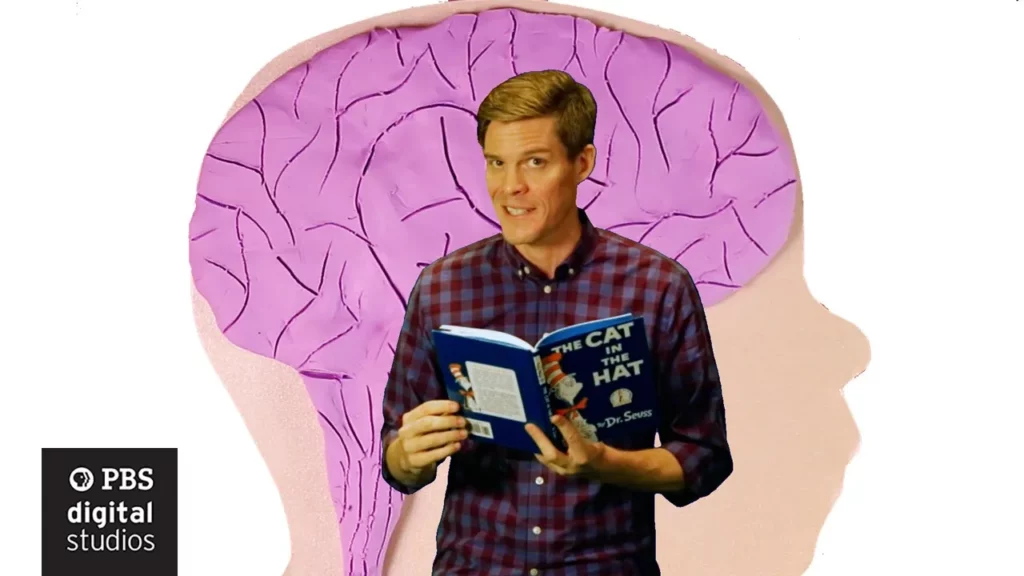
The lesson explains the remarkable development of the brain, highlighting that it contains approximately 86 billion neurons that begin forming in the womb at an astonishing rate. Neurons migrate to their designated locations, establish connections through synapses, and continue to grow and adapt after birth, with significant brain activity and learning occurring even before delivery. By age three, a child’s brain has formed around 1,000 trillion connections, showcasing its incredible capacity for growth and development throughout life.
The Psychology of Listicles

The lesson explores the popularity of listicles, highlighting their appeal as easily digestible content in an information-saturated world. It discusses cognitive fluency, which suggests that people prefer information that is easy to process, contributing to the positive reception of listicles. While they serve as entertaining and quick sources of information, their effectiveness as educational tools is questioned, as they may not enhance memory retention or deep learning.
Why You Can’t Stop Snacking

The lesson explores the reasons behind excessive snacking, highlighting that it often occurs out of habit rather than hunger, influenced by factors such as brain responses to high-energy foods, emotional states, and social traditions. It emphasizes the importance of mindfulness in eating, suggesting strategies like questioning true hunger, reducing snack availability, opting for healthier alternatives, and maintaining a food diary to manage snacking habits effectively. Ultimately, the lesson encourages a balanced approach to snacking, recognizing that it can be enjoyable when done mindfully.
Could Telepathy Exist?
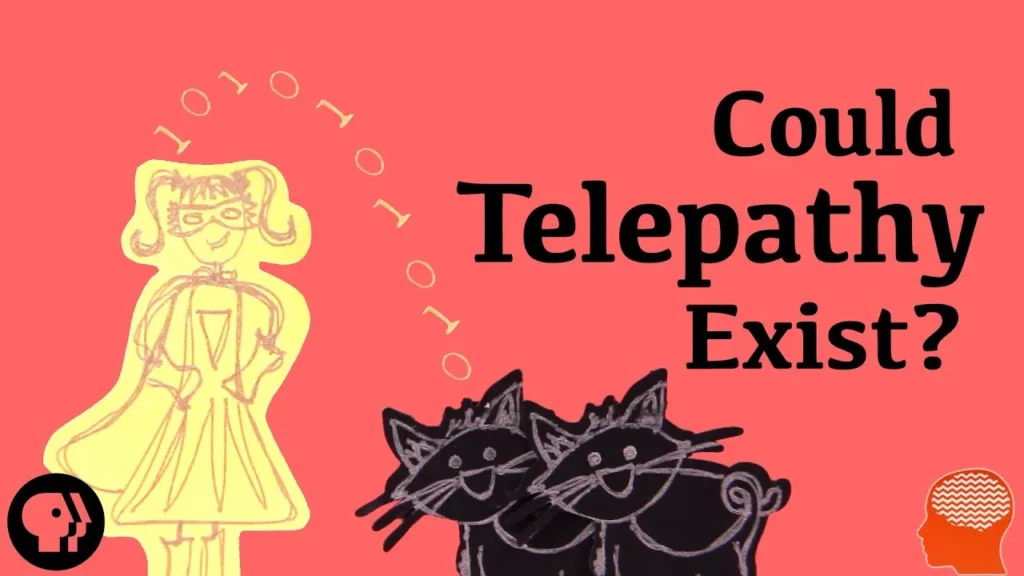
The lesson explores the concept of telepathy through the lens of scientific experiments, particularly focusing on brain-to-brain communication facilitated by Brain-Computer Interfaces. It highlights groundbreaking studies where researchers have successfully decoded and transmitted thoughts between brains, including a notable experiment where a human participant controlled a rat’s tail through thought alone. While current technology is still in its infancy and relies on computers, the advancements suggest a future where thought-based communication could become a reality.
Why Are Some People So Easily Fooled?
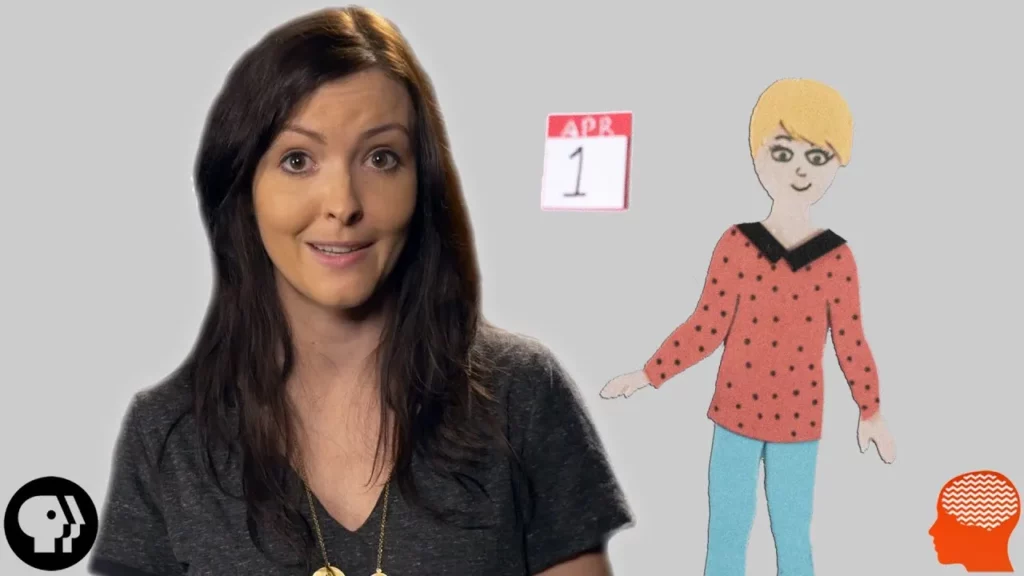
The lesson explores why some individuals are easily deceived, using humorous examples like the fictional Tasmanian Mock Walrus and the BBC’s “Smellovision” prank. It highlights the influence of suggestion, the brain’s processing methods, and varying levels of skepticism among people, suggesting that our perceptions can be shaped by expectations and cognitive biases. Ultimately, the lesson emphasizes that being fooled can have both positive and negative implications, depending on one’s level of trust and skepticism.