
A Venus Flytrap Works Just Like Your Brain
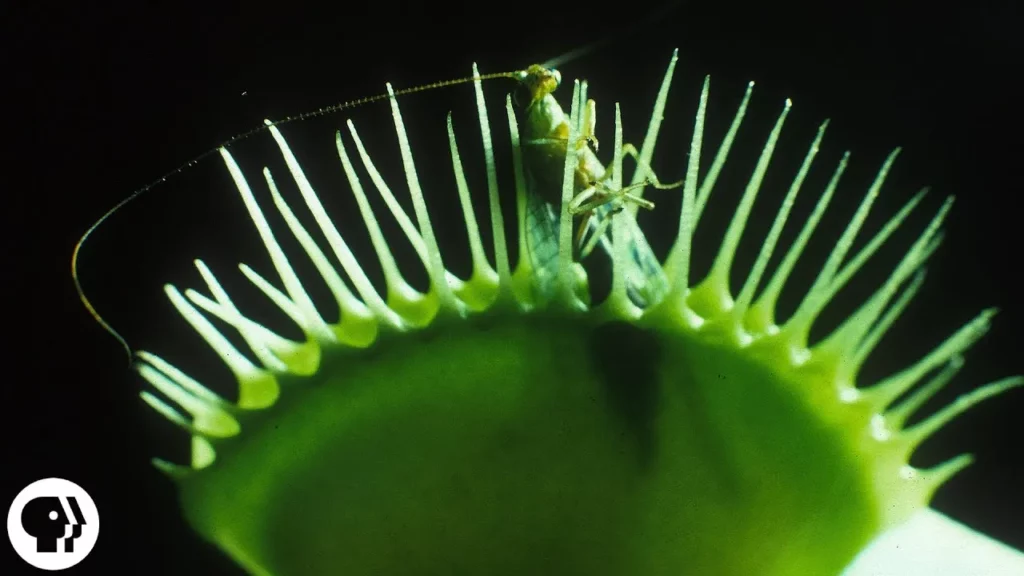
The lesson explores the fascinating similarities between the Venus flytrap and the human brain, highlighting how both utilize electrical signals to respond to stimuli. While the Venus flytrap lacks nerves and muscles, it employs a mechanism akin to neuronal action potentials, using water pressure to snap shut when triggered by an insect. This comparison illustrates the plant’s complex adaptations for survival, showcasing the remarkable ways in which living organisms interact with their environments.
Is Trump’s Bad Behavior Contagious?
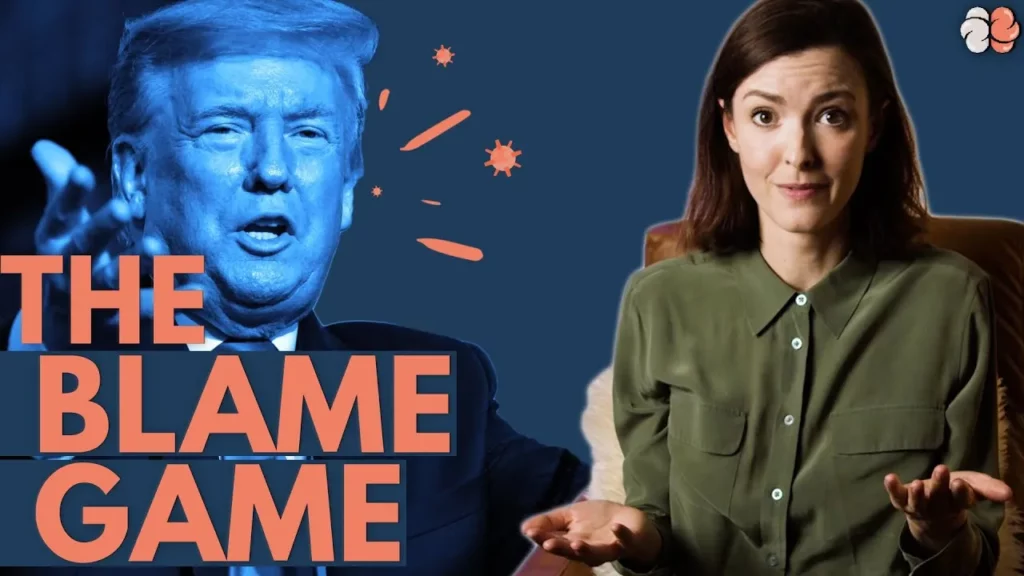
The lesson explores the contagious nature of negative behaviors exhibited by leaders, particularly politicians, and how these actions can influence societal standards and individual behavior. It highlights the phenomenon of blame-shifting, where leaders deflect responsibility to protect their self-image, which can lead to a culture of accountability avoidance. Conversely, the lesson emphasizes the importance of promoting accountability and positive behaviors, suggesting that self-affirmation can help individuals resist the urge to shift blame and foster a more responsible and supportive environment.
Can Reading Boost Your Emotional Intelligence?
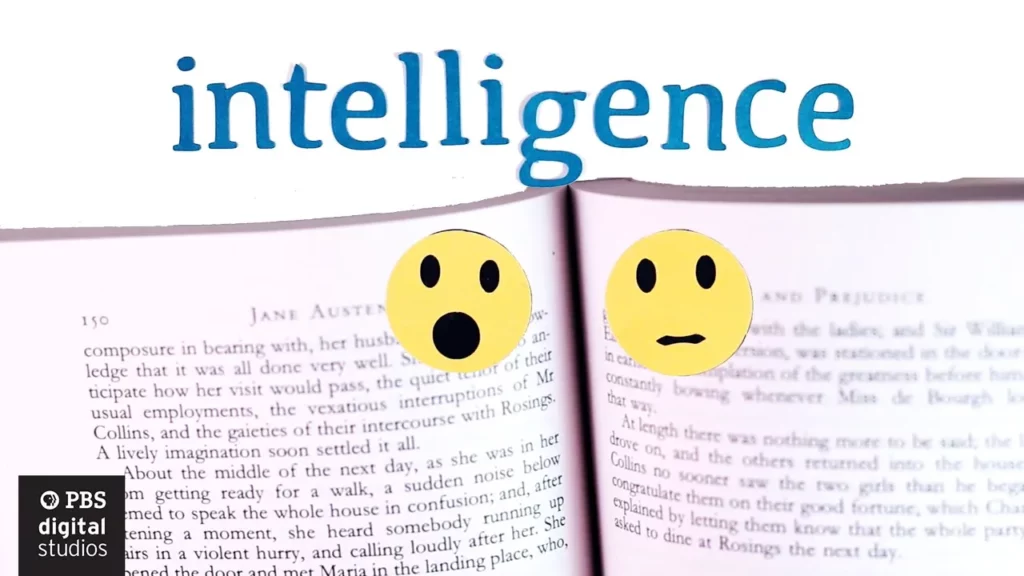
The lesson explores the relationship between reading, particularly literary fiction, and the enhancement of emotional intelligence. It highlights how engaging with complex characters and narratives can improve empathy and social perception, contributing to a deeper understanding of emotions in ourselves and others. Ultimately, while reading can boost both crystallized and emotional intelligence, the long-term benefits of such engagement warrant further exploration.
What is a Fact?
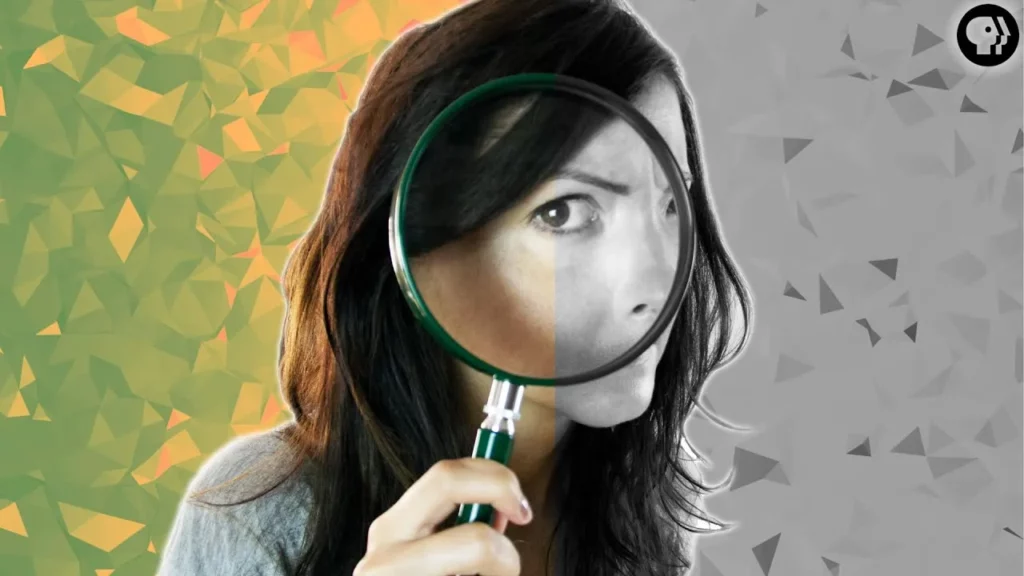
The lesson explores the philosophical thought experiment known as “Mary’s Room,” which questions the nature of knowledge and consciousness. It illustrates that while Mary possesses complete physical knowledge about color, her first-hand experience of seeing color reveals new, subjective insights, challenging the notion of physicalism. This discussion leads to broader implications regarding the mind-body problem and the interpretation of facts, emphasizing that while facts may be objective, our personal experiences and interpretations can vary significantly.
Sleep Drunkenness Explained
The lesson on sleep drunkenness explains the phenomenon of severe sleep inertia, where individuals feel disoriented and groggy upon waking, particularly if they are roused from deep sleep or REM sleep. This condition affects about 1 in 7 people and can lead to amusing behaviors, such as mistakenly pouring cereal into a dishwasher. To mitigate the effects, consuming caffeine shortly after waking can help counteract the sleepy effects of adenosine, while ensuring adequate sleep duration of 6 to 9 hours can also be beneficial.
The Negative Side of Positive Thinking
The lesson “The Negative Side of Positive Thinking” explores the limitations of positive affirmations, revealing that they can sometimes harm individuals with low self-esteem rather than help them. Research indicates that acknowledging both positive and negative thoughts can improve mood, while overly optimistic visualizations may decrease motivation. Ultimately, the lesson emphasizes the importance of personalized approaches to self-help, suggesting that specific affirmations and a balanced perspective on thoughts can lead to better outcomes.
How Good is Your Memory?
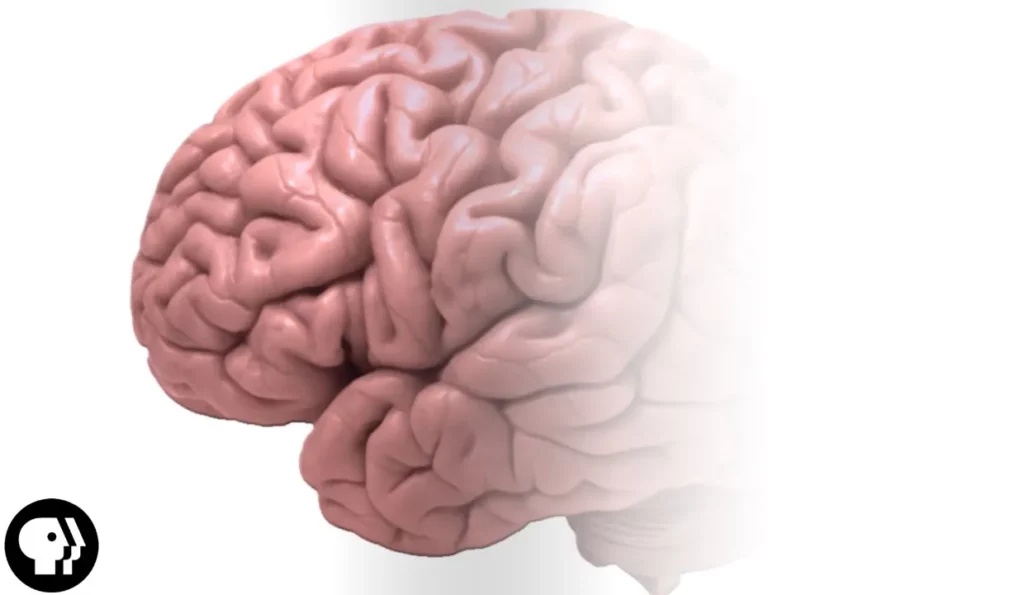
In this lesson, participants engage in a memory game to test their working memory by recalling a series of numbers. The lesson then shifts to the story of Henry Molaison (Patient H.M.), whose brain surgery led to significant memory loss, revealing the distinction between declarative and procedural memories and highlighting the role of the hippocampus in memory storage. H.M.’s case has greatly contributed to our understanding of memory and brain function, demonstrating that different types of memory rely on various brain regions.
How To Procrastinate Effectively
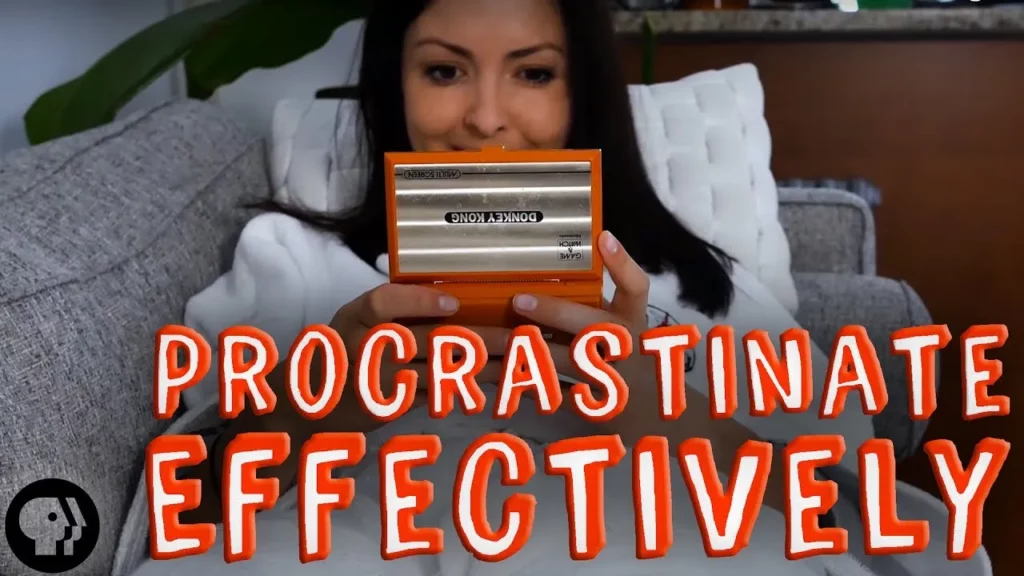
The lesson on “How to Procrastinate Effectively” highlights that taking breaks through leisure activities can actually enhance productivity and creativity. Research indicates that engaging in simple, unrelated tasks allows the brain to process information unconsciously, leading to improved problem-solving and decision-making. By strategically incorporating downtime, such as watching videos or taking walks, individuals can leverage procrastination as a valuable tool for better focus and creativity.
4 Psychology Myths You Probably Thought Were True
This lesson debunks four common psychology myths related to intelligence and memory. It explains that while listening to classical music may temporarily enhance spatial reasoning, it does not lead to lasting increases in intelligence; photographic memory is a myth, as no one can recall images as clearly as a camera; brain games are less effective for cognitive improvement than learning new skills; and the belief that your first guess is always correct is misleading, as changing answers often leads to better test scores.
Good Sleep = Good Gut?
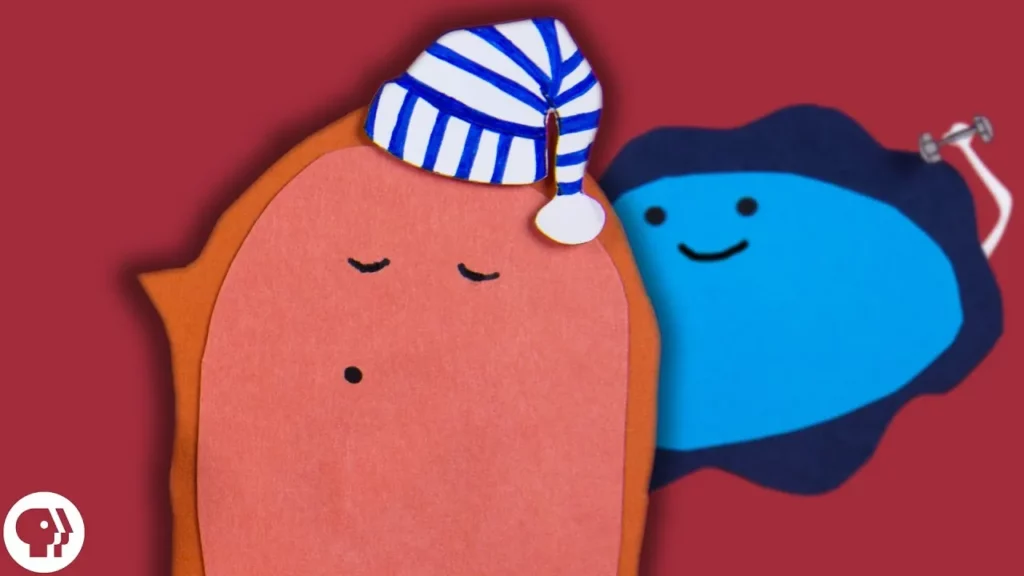
The lesson emphasizes the crucial relationship between sleep and the health of your microbiome, which consists of trillions of microbes that aid in digestion, nutrient absorption, and immune function. Poor sleep can lead to increased cortisol levels, disrupting the diversity of gut bacteria and negatively impacting metabolism, appetite, and overall health. By prioritizing good sleep and a fiber-rich diet, individuals can positively influence their microbiome and, consequently, their digestion, mental health, and immune system.