
How do scientists know so much?
In the lesson “Discovering the World Like a Scientist,” students learn about the importance of curiosity and observation in scientific discovery through the examples of Galileo and Mary Anning. Both scientists exemplified how asking questions and paying attention to details can lead to significant findings, such as Galileo’s observations of the moon and Anning’s fossil discoveries. The lesson encourages students to adopt a scientific mindset by noticing their surroundings and asking questions, reinforcing that curiosity is key to learning and discovery.
Mystery Doug Live from home!

In this lesson, the speaker shares fun activities and creative projects that can be done at home during a period of extended stay-at-home orders. They highlight art projects like making rainbow drawings, hosting dance parties, and engaging in learning through video tools, while also introducing a fun aluminum foil activity. The lesson concludes with interesting facts and questions, encouraging curiosity and connection among friends.
How does hand sanitizer kill germs?
The lesson explains how hand sanitizer effectively kills germs, primarily through the action of alcohol, which dries out and destroys the outer layer of harmful bacteria and viruses. It also highlights the importance of using soap and water for cleaning dirty hands, as hand sanitizer does not remove dirt. Overall, the lesson encourages curiosity about germs and emphasizes the role of hand hygiene in maintaining health.
Do other countries celebrate Thanksgiving?

The lesson explores how various countries celebrate thankfulness, highlighting that while Thanksgiving is a popular holiday in the United States, other nations have their own unique traditions. For example, Japan observes Kinro Kansha no Hi to thank community helpers, Ghana celebrates Homowo to give thanks for the yam harvest, and Germany holds Erntedank Fest to appreciate the harvest season. Ultimately, the lesson emphasizes that, regardless of the specific customs, the universal theme of gratitude is celebrated worldwide.
Why do our skeletons have so many bones?
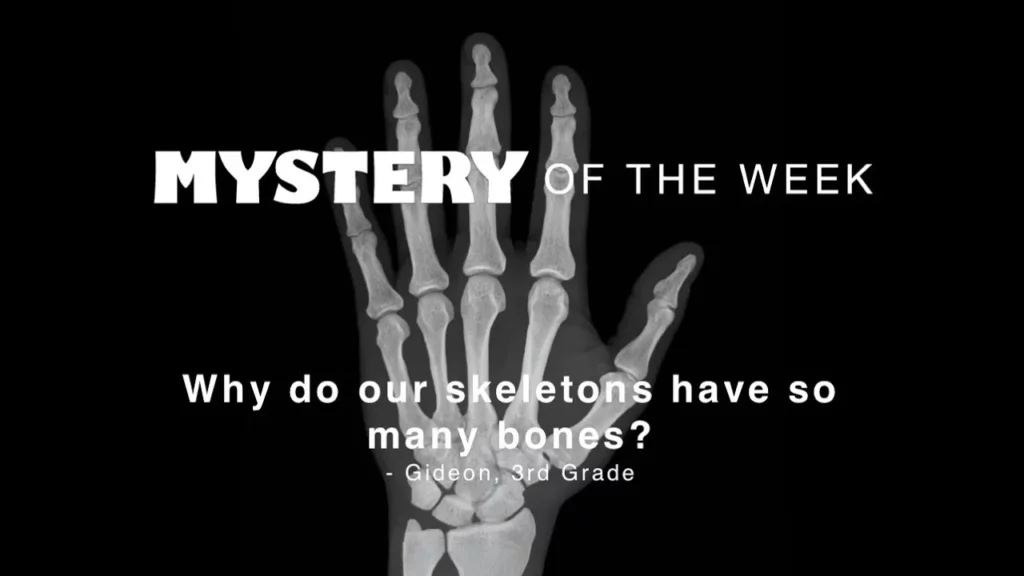
In today’s lesson, we explored the importance of bones in our bodies, comparing them to the beams of a skyscraper that provide structure and support. We learned that having over 200 bones allows for flexibility and movement through joints, enabling us to bend and move in various ways. Remember, bones are essential for both stability and mobility, so stay curious about how our bodies work!
How do flowers bloom in the spring?
In the lesson “Discovering the Magic of Flowers,” students learn about the fascinating world of flowers, including their blooming process in spring and how they move without muscles. The lesson highlights the importance of water in helping plants grow and move, encouraging students to engage in a hands-on activity to explore this concept further. It concludes by inviting students to remain curious and choose future topics for exploration.
Are killer whales really dangerous?
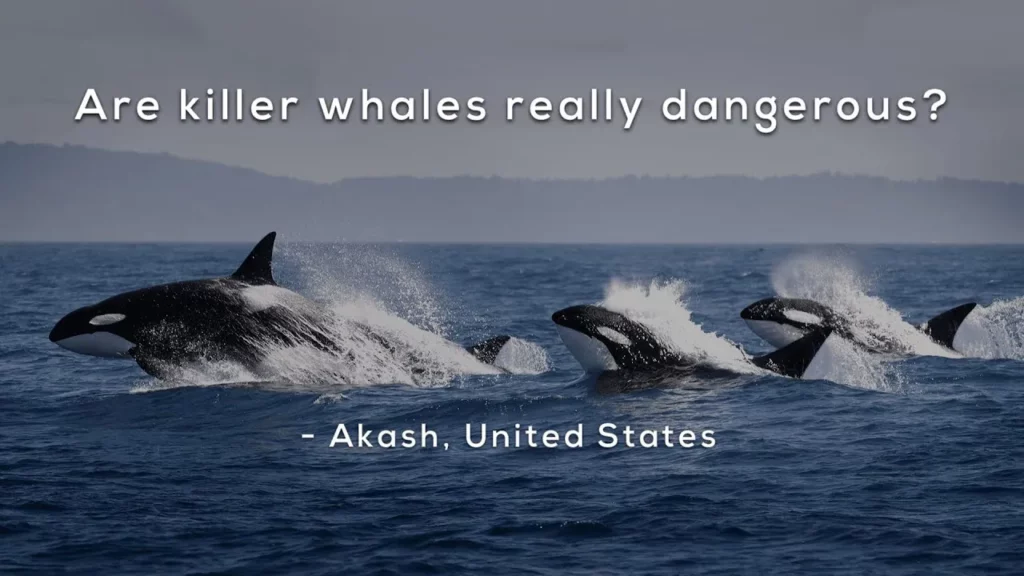
In the lesson “Discovering Orcas: The Ocean’s Mighty Hunters,” Danni shares her exciting experience of observing orcas in Puget Sound and addresses the common misconception about their danger to humans. While orcas are powerful hunters known for their intelligence and social structures, they do not pose a threat to humans in the wild due to their learned behaviors and dietary preferences. The lesson emphasizes the importance of understanding these magnificent creatures and encourages curiosity about marine life.
What are some tips to help fight germs?
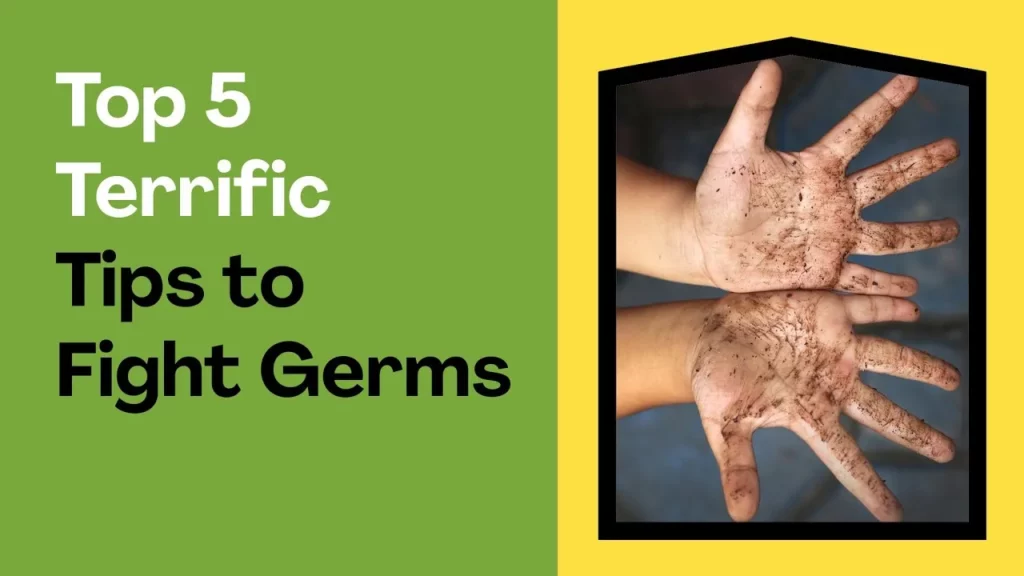
The lesson provides five essential tips for fighting germs and maintaining good hygiene. Key practices include sneezing into your elbow to prevent germ spread, washing hands thoroughly for at least 20 seconds while singing a song, avoiding nail-biting to keep germs out of your body, and understanding the importance of cleanliness through a bread experiment that demonstrates the effects of dirty versus clean hands. These fun and engaging methods help promote health and prevent illness.
Why are hurricanes so dangerous?

In this lesson, we explored hurricanes, powerful windstorms that form over the ocean and can cause significant destruction when they reach land. We learned about the dangers they pose, including strong winds, storm surges that lead to flooding, and heavy rainfall. Additionally, we discussed the importance of preparedness and safety measures for those living in hurricane-prone areas.
Why do owls say hoo?
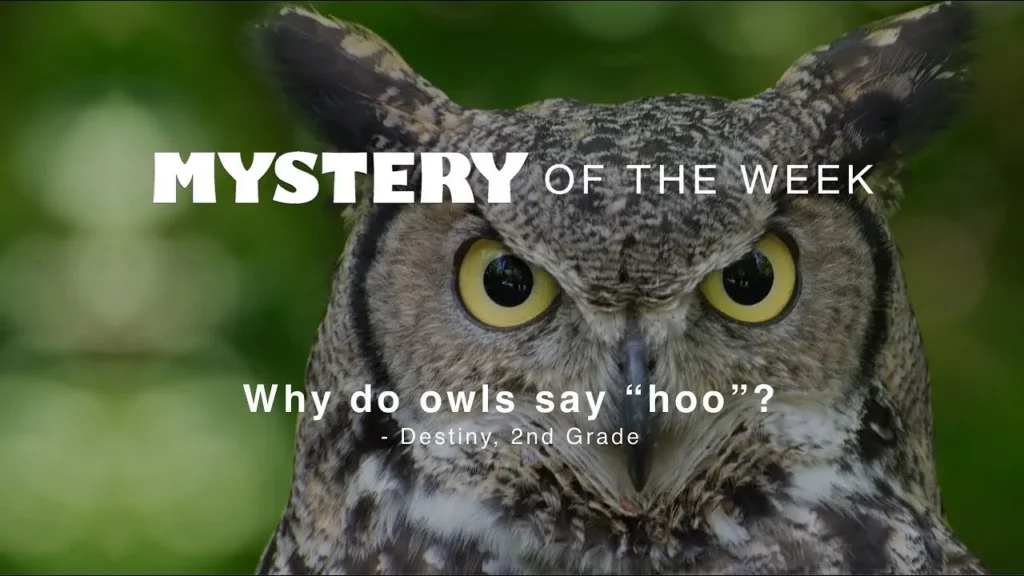
In this lesson, we explored the fascinating world of owls, focusing on their unique sounds and communication methods. We learned that while the great horned owl is known for its classic “hoo” call, different species of owls have distinct sounds, and they use these calls to establish territory and communicate with one another. By listening for these sounds, especially at night, we can identify and appreciate the diverse owl species that inhabit our surroundings.