
Why does it get dark during a solar eclipse?
In this lesson, Jay shares the excitement surrounding the upcoming total solar eclipse on April 8th, 2024, highlighting its rarity and the unique experience it offers. He explains how a solar eclipse occurs when the moon blocks the Sun’s light, creating a shadow on Earth, and describes the atmospheric changes that accompany this phenomenon. The lesson encourages curiosity about celestial events and suggests fun activities for safely observing the eclipse.
Why do birds lay eggs in the spring?
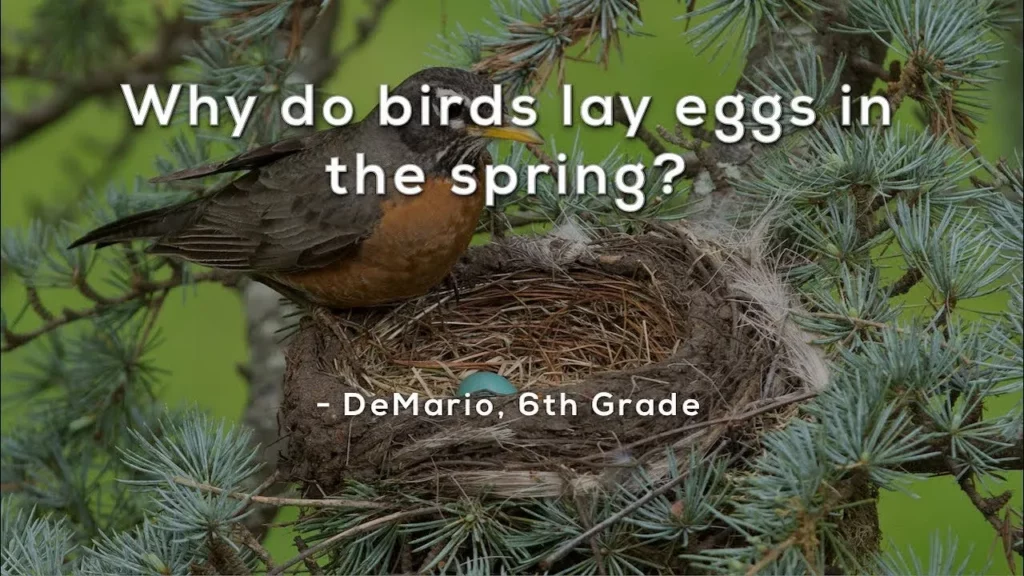
In this lesson, we explore why birds lay their eggs in the spring, a time when warmer weather and abundant food sources support the growth of baby birds. Spring provides the ideal conditions for nesting, as it allows chicks enough time to develop before the colder winter months arrive. By laying eggs in spring, birds ensure their young have the best chance of survival and learning to thrive in their environment.
Why do leaves change color in the fall?
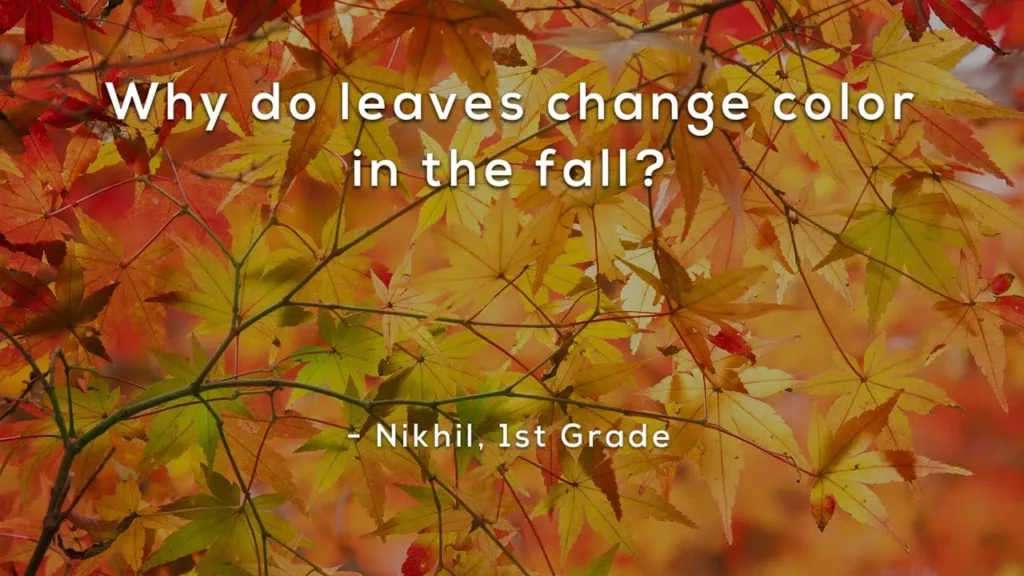
In this lesson, we explored why leaves change color in the fall, discovering that the green pigment chlorophyll fades as trees prepare for winter, revealing hidden colors like yellow, orange, and red. This transformation is a natural process, not a sign of sickness, as trees conserve nutrients for new growth in spring. The lesson encourages curiosity and includes a fun activity to create colorful leaf art.
Why do cats purr?
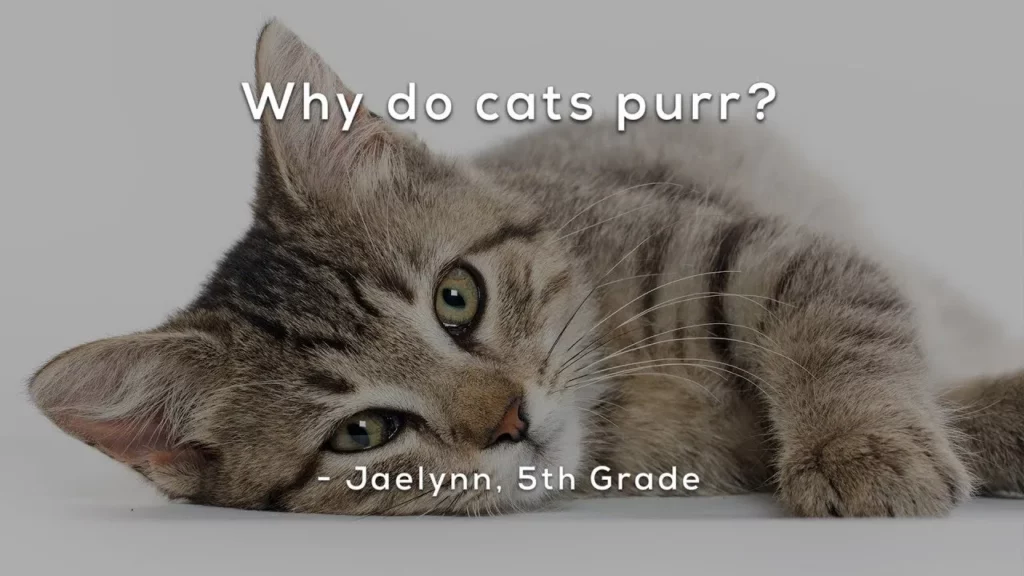
In this lesson, we explore the reasons why cats purr, highlighting that while purring is often associated with happiness, it can also occur when cats are sick or nervous. Through the example of a cat named Harry Winston and the behavior of kneading, we learn that purring may serve as a soothing mechanism that helps cats feel calm and safe. The lesson encourages curiosity and observation to better understand our feline friends.
How is glass made?
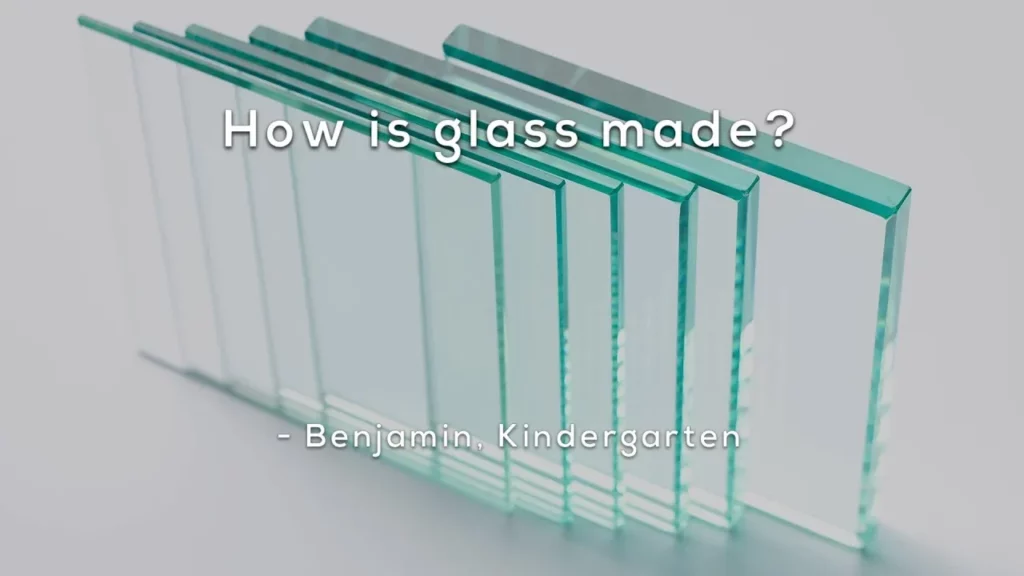
In this lesson, we explored the fascinating process of how glass is made, starting from sand, which is heated in a furnace until it melts into a liquid form. We learned about different techniques for shaping glass, such as rolling it flat for windows or using glassblowing to create intricate designs like vases. The lesson also touched on the historical significance of glassmaking, dating back to ancient Egypt, and encouraged curiosity about the materials and processes that surround us.
How is money made?
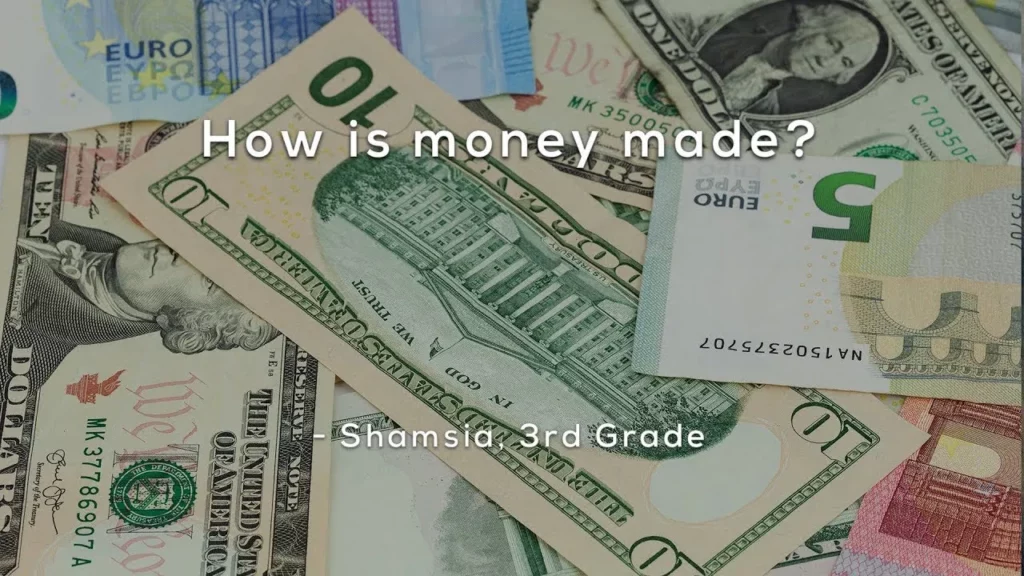
In this lesson, we explored how money is made, highlighting the differences in currency design around the world and the importance of preventing counterfeiting. We learned that only governments can produce money, which is crafted from a special blend of cotton and linen, and features intricate designs and security measures to maintain its value and authenticity. The lesson encourages curiosity and the pursuit of knowledge about the fascinating world of money.
Why were traffic lights invented?
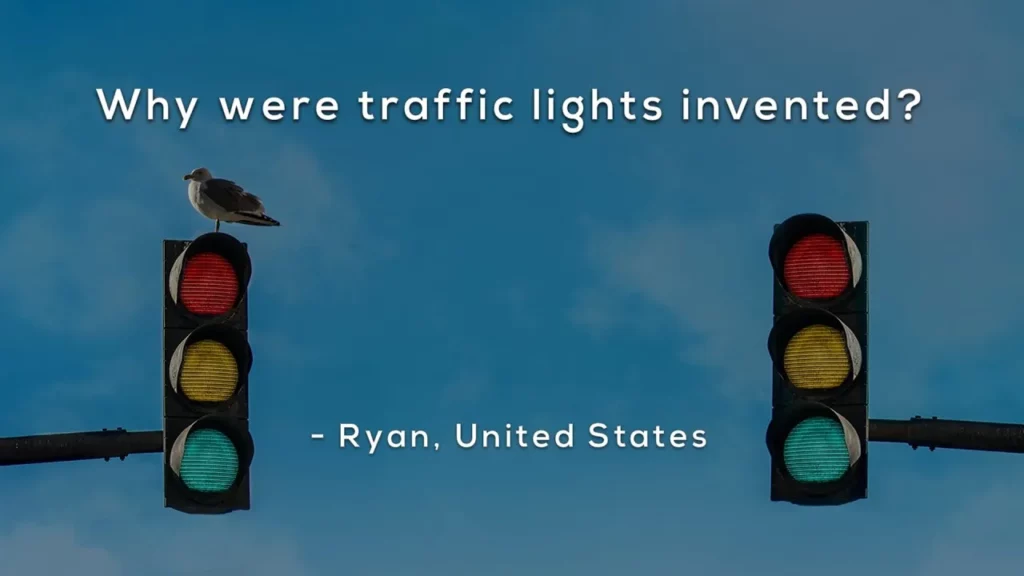
The lesson “Red Light, Green Light: The Story of Traffic Lights” introduces the importance of traffic lights in maintaining safety on the roads by regulating the movement of vehicles and pedestrians. It highlights the contributions of inventor Garrett Morgan, who created an early version of the traffic light to prevent accidents, and encourages students to think creatively about solving problems in their own lives. The lesson emphasizes curiosity and the continuous pursuit of knowledge and innovation.
What is dust?
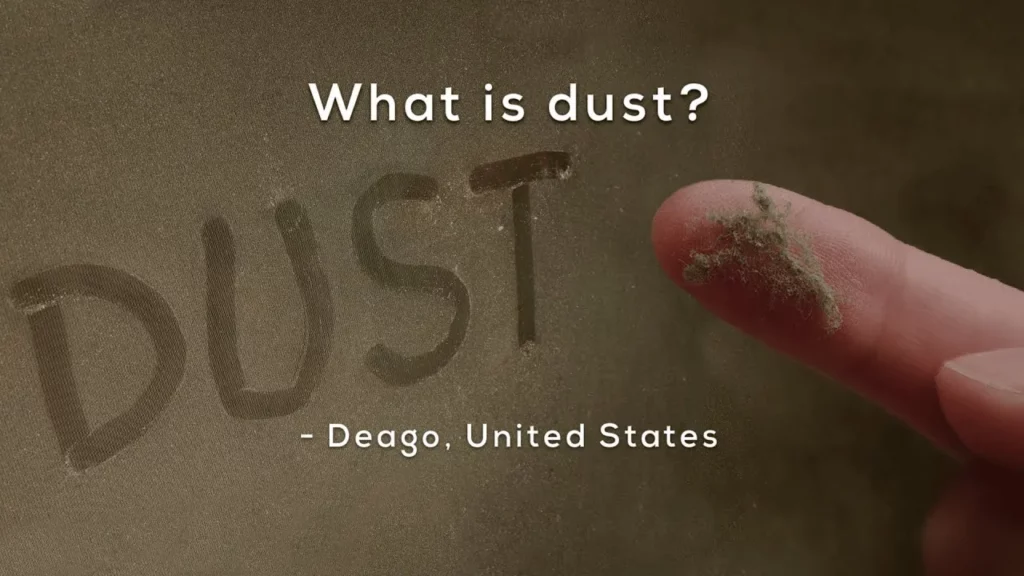
In this lesson, we explored the concept of dust, discovering that it is composed of various materials from both inside and outside our homes, including tiny bits of sand, fabric, skin, and even pet fur. Dust is not only ubiquitous but also unique to different environments, providing insights into the locations it originates from, such as cities or deserts. Ultimately, dust serves as a fascinating reminder of the interconnectedness of our surroundings and the stories they tell.
Why are butterflies so colorful?
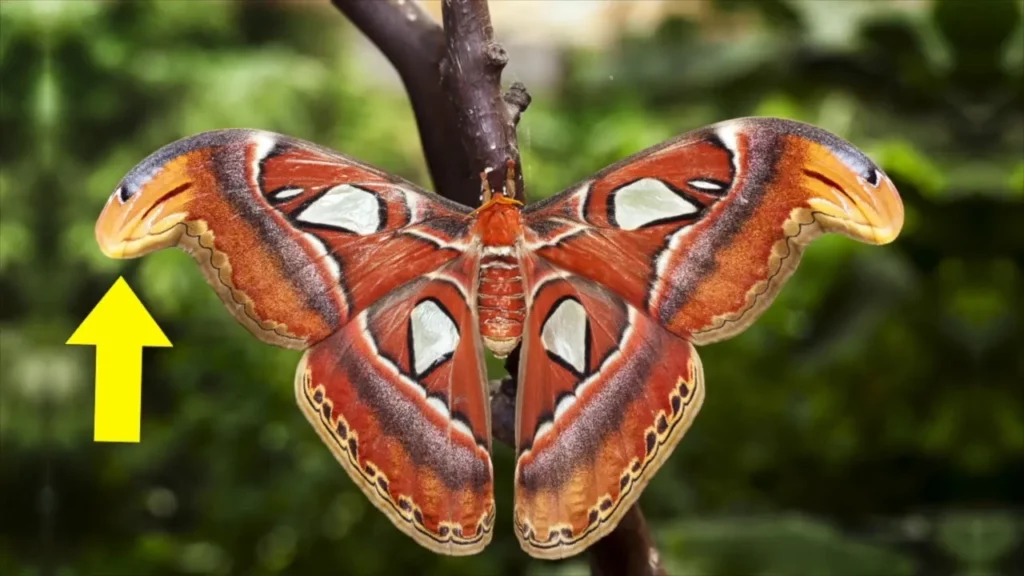
In today’s lesson, we explored the vibrant world of butterflies, focusing on the lemon emigrant and blue morpho, two striking examples of these colorful creatures. We learned that butterflies use their colors for various purposes, including camouflage, startling predators, and signaling toxicity, which helps them survive in their environments. To wrap up, students are encouraged to express their creativity by designing their own colorful butterfly cards.
What is the moon made of?
In this lesson, students explore the composition of the moon, discovering that its white areas are primarily made of granite, while the dark spots consist of basalt, a type of lava rock. The lesson highlights the evolution of our understanding of the moon, from early misconceptions about its surface to the groundbreaking discoveries made by astronauts who brought back lunar rocks. Ultimately, it encourages curiosity and exploration of the mysteries of our universe.