
Can a shark and a dolphin have babies?
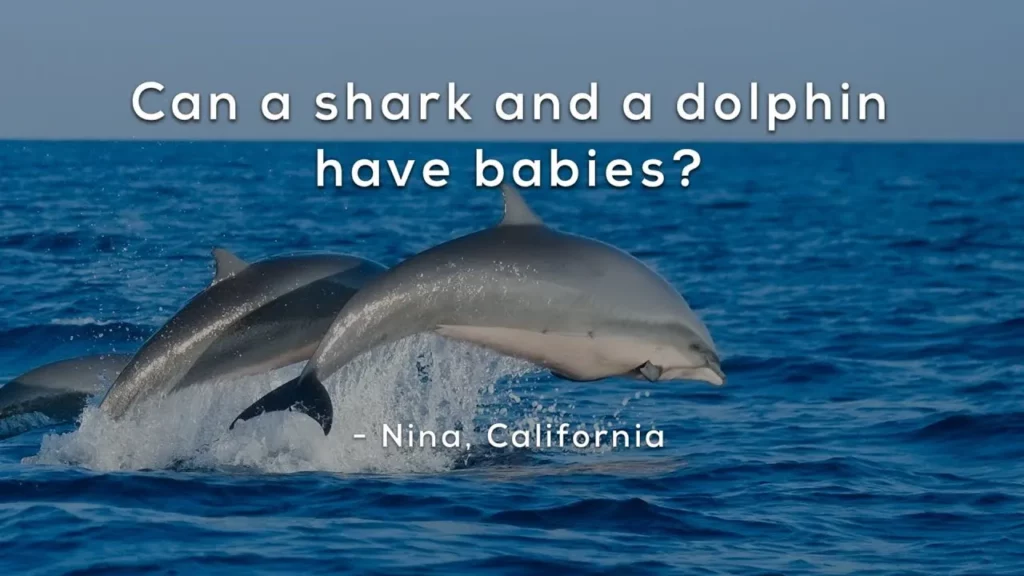
In this lesson, we learn about the differences between animal species and the conditions under which they can reproduce. Using the example of a new cat named Auggie and a playful question about whether sharks and dolphins can have babies, the lesson explains that while some animals can interbreed if they belong to the same species, such as dogs, others, like sharks and dolphins, cannot due to significant biological differences. It also highlights some rare animal hybrids, emphasizing the importance of curiosity and exploration in understanding the natural world.
How high can birds fly?
In this lesson, Esther shares her fascination with birds and their incredible ability to fly high in the sky, highlighting the importance of protecting endangered species. She explains that birds fly at various heights for reasons such as safety from predators, migration, and utilizing thermals to conserve energy. The lesson concludes by encouraging curiosity about nature and inviting questions for future exploration.
Is Earth the only planet with life?
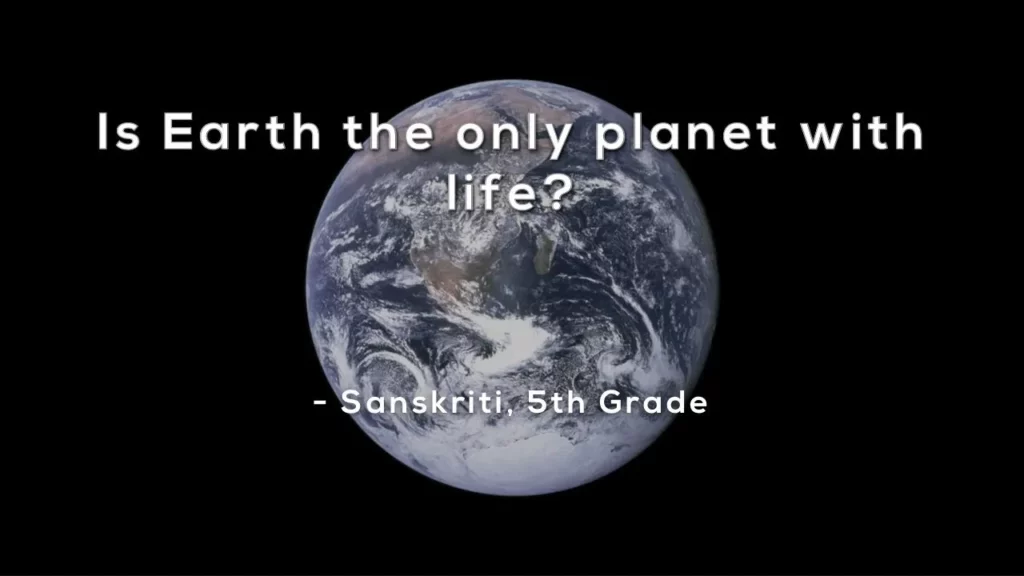
The lesson explores Mars, known as the Red Planet, and its historical presence of water, while highlighting that Earth is currently the only planet known to support life. It introduces the concept of the Goldilocks Zone, where conditions are just right for life, and encourages curiosity about the search for life beyond Earth, noting that scientists have identified over 50 potential planets in other stars’ Goldilocks Zones.
How is a rainbow made?
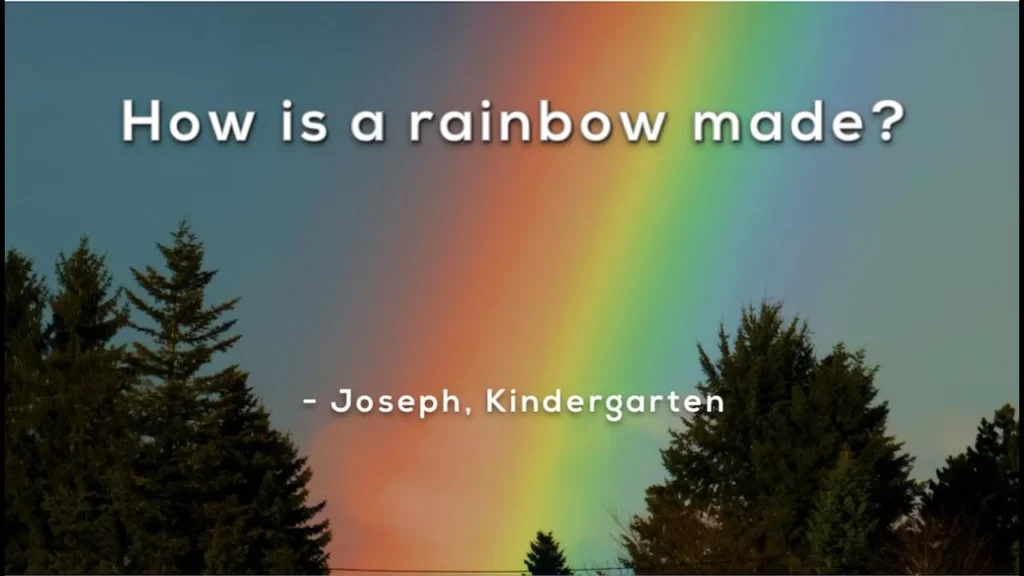
In the lesson “Discovering the Magic of Rainbows,” students learn about the science behind rainbows, including how they are formed by sunlight passing through water droplets in the atmosphere. The lesson highlights Isaac Newton’s experiments with prisms, which revealed that white light is composed of various colors, and encourages students to explore this phenomenon through a simple at-home experiment using water and a flashlight. Overall, it emphasizes curiosity and the wonders of nature.
Why do animals come back after going warm places in winter?

The lesson explains the concept of migration, highlighting how various animals, such as monarch butterflies, purple martins, and salmon, travel long distances to find warmer climates during winter and return in spring for essential resources like food and safe breeding grounds. Migration is crucial for these species as it ensures their survival and the continuation of their life cycles, despite the challenges they face during their journeys. The lesson encourages curiosity about the natural world and the remarkable behaviors of animals.
Where does metal come from?
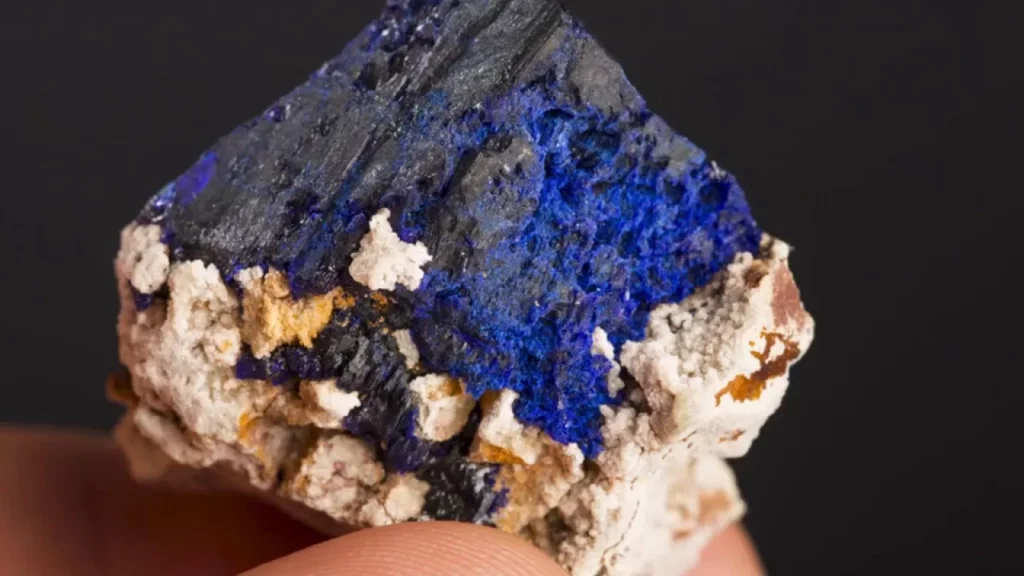
In this lesson, we explored the origins of metals, particularly focusing on how they are extracted from the Earth. We learned that metals like copper and iron are found in ores, which are special rocks that conceal these valuable materials. Through a process involving high heat in furnaces, these metals are extracted and transformed into various useful items, highlighting the fascinating journey from raw materials to everyday objects.
What were the first computers like?

In this lesson, we explored the evolution of computers, starting from the early human “computers” who performed complex calculations to the development of the first electronic machines like the ENIAC. We learned how home computers emerged, making technology accessible for families and revolutionizing tasks like writing and gaming. Today, computers have become integral to our daily lives, evolving into powerful devices that fit in our pockets, such as smartphones.
Why do we have daylight saving time?

Daylight Saving Time is a practice in the United States where clocks are adjusted forward by one hour in the spring and back by one hour in the fall to make better use of daylight during the longer days of summer. This change aims to provide more evening daylight for activities and reduce electricity usage, although it can disrupt sleep patterns and has mixed opinions on its effectiveness. While some regions opt out of this practice, the debate continues on whether it truly benefits society.
How is gold made?

The lesson “All About Gold: A Shiny Adventure” explores the unique qualities and value of real gold, distinguishing it from gold-colored items. It discusses the rarity of gold, its natural origins, and historical events like the Gold Rush, highlighting the excitement of discovering hidden treasures. The lesson encourages curiosity and exploration, suggesting that there may still be undiscovered treasures in our surroundings.
Do sharks really want to eat people?
In this lesson about sharks, we learn that these fascinating creatures lose thousands of teeth throughout their lives and generally do not pose a threat to humans, despite common misconceptions. Experts suggest that when sharks do bite, it is often out of curiosity rather than a desire to eat people. The lesson encourages respect for sharks and the ocean, highlighting the importance of ocean conservation and safe exploration activities.