
Can a mountain turn into a volcano?
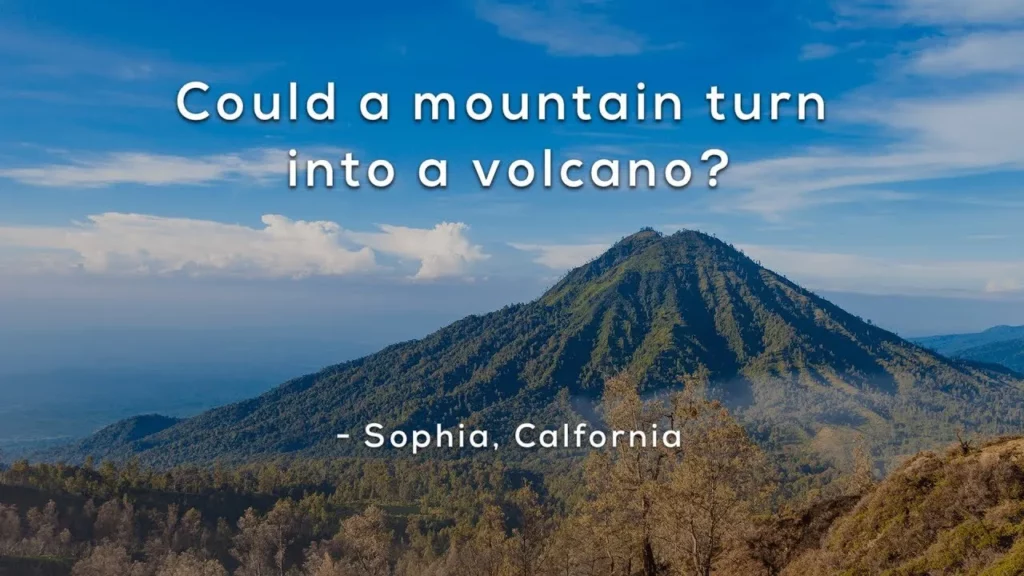
This lesson explores the differences between mountains and volcanoes, highlighting that not all mountains are volcanoes, and some hills can even be landfills. It discusses how certain mountains, like those in California and Oregon, are actually volcanoes, while others, such as the Rocky Mountains and Mount Everest, are not. The lesson encourages curiosity by explaining how to identify volcanic mountains through clues like the type of rock present and introduces the concept of extinct volcanoes.
Why are so many people scared of bugs?
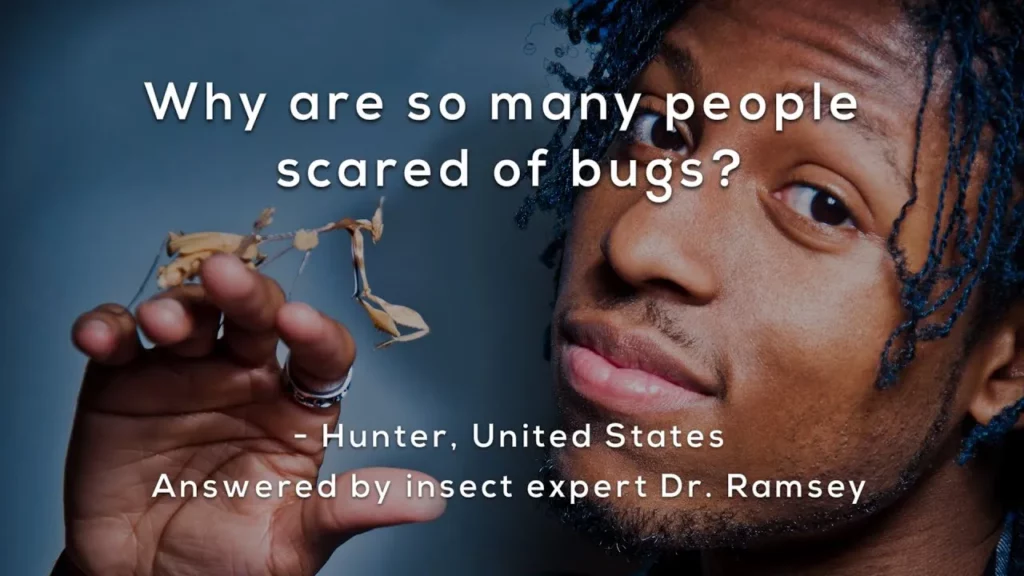
The lesson explores why some people are scared of bugs and highlights the importance of understanding these creatures. Through the story of Dr. Samuel Ramsey, who overcame his childhood fear of bugs by learning about them, students discover that most bugs are not dangerous and can even be beneficial, like bees in pollination. The lesson encourages curiosity and creativity by inviting students to create their own bugs and explore the fascinating world of entomology.
How is syrup made?
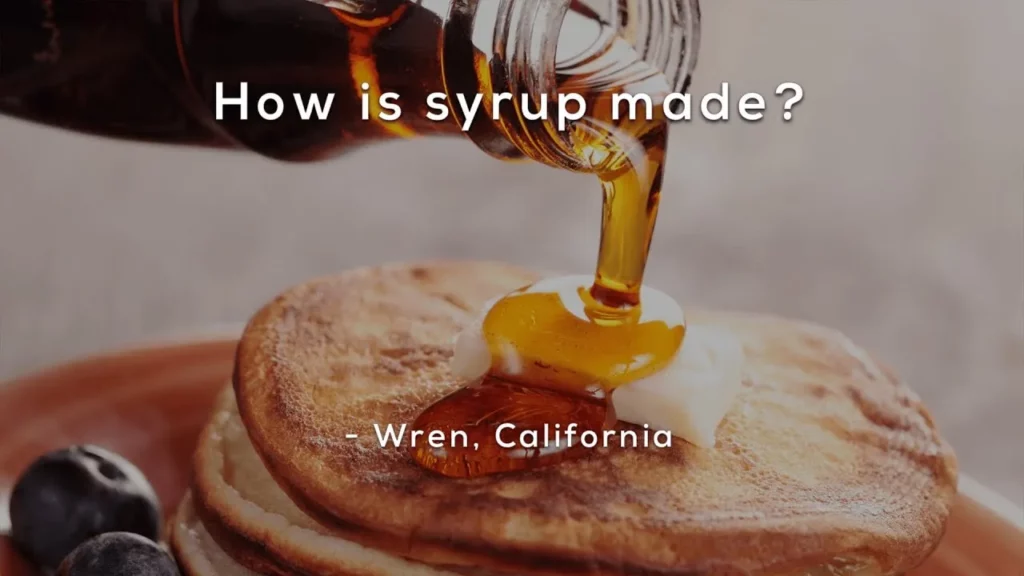
This lesson explains the process of making maple syrup, which begins with collecting sap from maple trees through a small hole in the bark. The sap is then boiled to remove water, resulting in the sweet, golden syrup that many enjoy on pancakes and waffles. The lesson also highlights the historical significance of maple syrup production and encourages curiosity about the natural world.
What’s the biggest shark that ever lived?
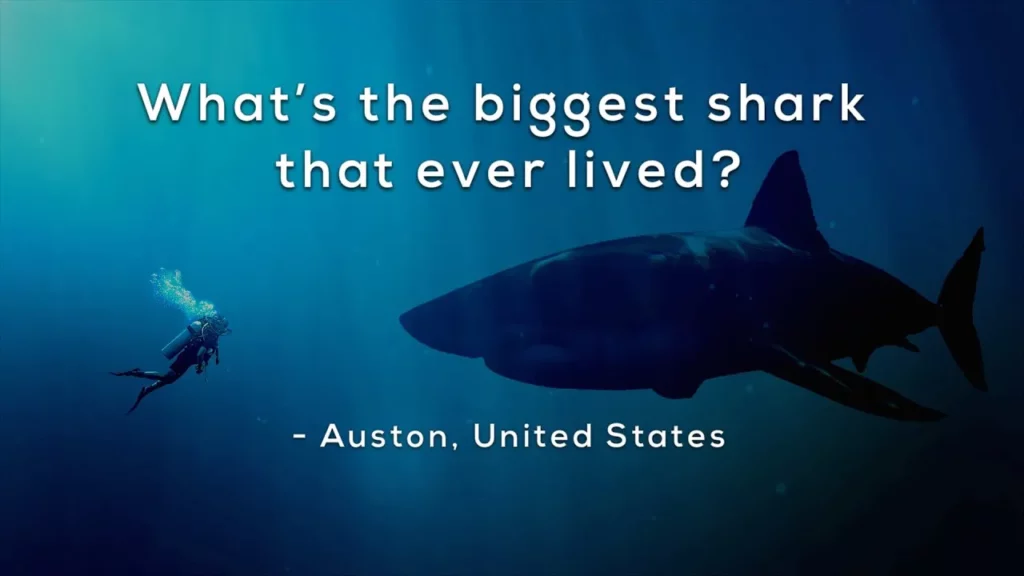
In this lesson, Danni explores the fascinating world of sharks, focusing on the question of which is the biggest shark that ever lived. Through clever measuring techniques and the study of ancient shark teeth, scientists have determined that the megalodon, which could grow up to 60 feet long, holds the title for the largest shark in history. The lesson encourages curiosity and highlights the innovative methods used by scientists to learn about these incredible creatures.
How was basketball invented?
The lesson explores the origins of basketball, tracing its roots back to ancient Central American games played by the Aztecs, Mayans, and Olmecs, where players used their hips and arms to score with a rubber ball. The modern version of basketball was invented during a snowstorm in Springfield, Massachusetts, when a PE teacher created an indoor game using peach baskets, which evolved with new rules to become the popular sport we know today. The lesson encourages curiosity about history and the development of sports.
How do they turn wood into paper?

In this lesson, we explored the fascinating process of how paper is made from wood. Starting with chopping wood into small pieces, the wood is then mashed and boiled to create a pulp, which is spread out and dried to form sheets of paper. The lesson highlights the historical significance of paper, its various uses, and encourages curiosity about the world around us.
How do jellyfish sting?
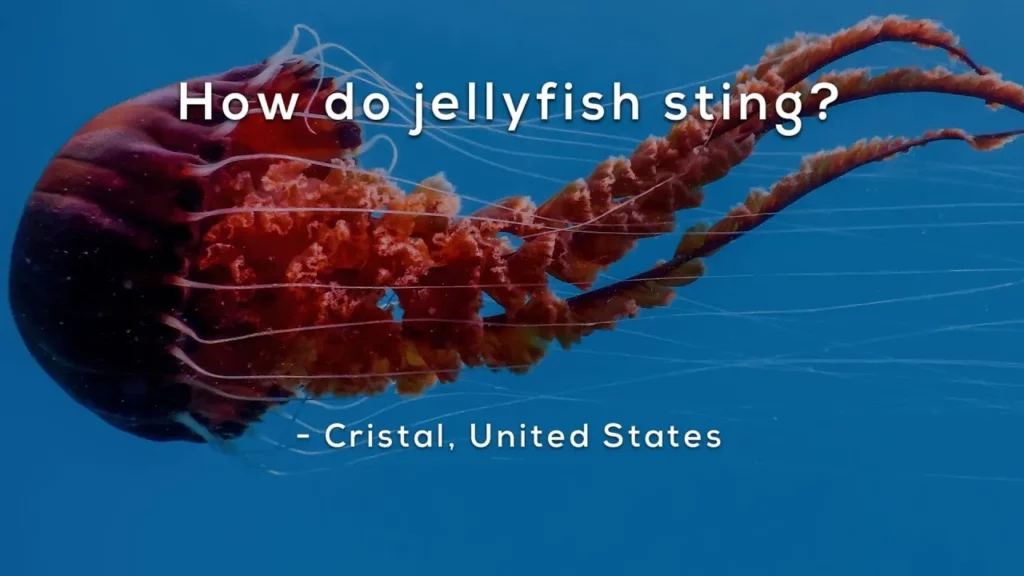
In this lesson, we explore the fascinating world of jellyfish, unique creatures that lack bones and brains but possess a remarkable defense mechanism: their sting. Jellyfish have tentacles filled with tiny darts that inject venom to catch prey and deter predators, although most stings are harmless to humans. Additionally, jellyfish share a family with corals and sea anemones, highlighting the diverse and intriguing life forms found in the ocean.
Why do flies just appear in the trash?
In “The Mystery of the Flies,” we explore the fascinating life cycle of flies, uncovering how they seemingly appear overnight around trash cans. Through a step-by-step investigation, we learn that flies lay eggs that hatch into larvae, which then transform into pupae before becoming adult flies, illustrating the process of metamorphosis. This lesson encourages curiosity about nature and the wonders of living organisms as they grow and change.
Can animals really predict the weather?
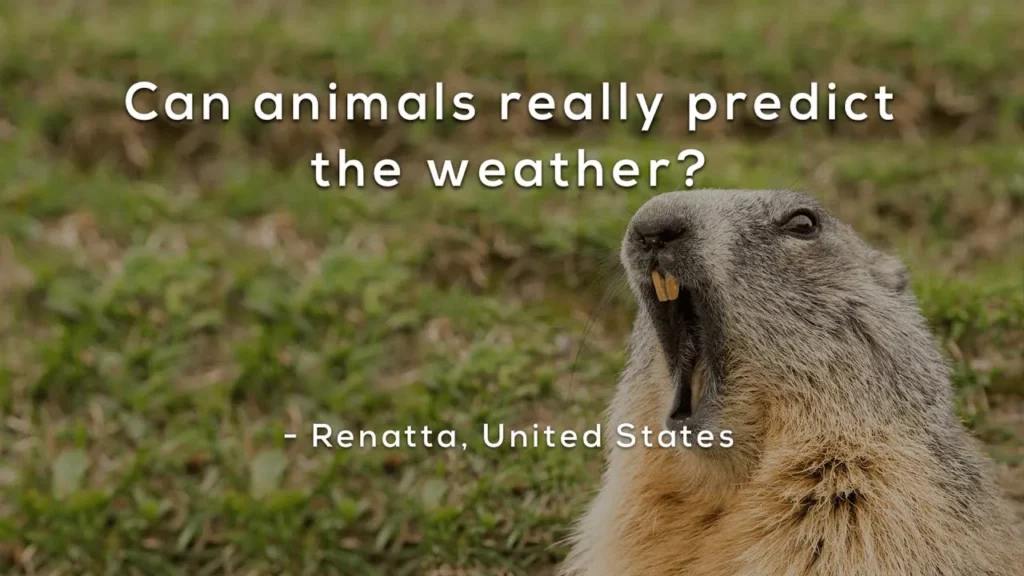
The lesson explores the tradition of Groundhog Day, where a groundhog’s shadow is used to predict the arrival of spring, though its accuracy is only about 40%. While groundhogs may not be reliable weather predictors, some animals, like dogs, may sense changes in weather due to their heightened senses, prompting scientific investigations into animal behavior and weather prediction. Overall, the lesson highlights the blend of tradition and science in understanding how animals might interact with weather phenomena.
Why do snakes shed their skin?
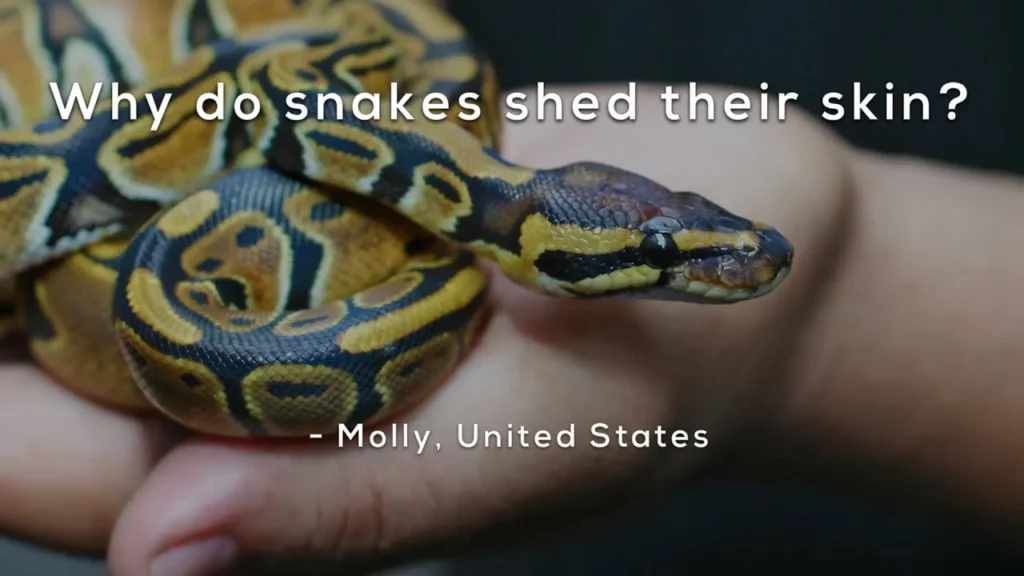
In this lesson, we explored the fascinating process of skin shedding in snakes, particularly focusing on Candy Cane, a Milk snake. Shedding allows snakes and other animals, like tortoises, insects, and crabs, to grow and stay healthy by removing pests and accommodating their growth. While snakes shed their skin in larger pieces, humans also shed tiny flakes of skin continuously, highlighting the diverse ways animals adapt to their environments.