
Why can’t airplanes fly to space?

In this lesson, we explore why airplanes cannot fly to space, highlighting the fundamental principles of flight. Airplanes rely on air to generate lift through their wings, but as altitude increases, the air becomes thinner, eventually leading to a lack of air in space. Instead, rockets are used for space travel because they can operate without air, utilizing powerful engines to propel themselves upward.
Why are pumpkins orange?
In this lesson, we explored the fascinating reasons behind the orange color of pumpkins, which comes from a substance called carotene. We learned that pumpkins start off green and change to orange as they ripen, attracting animals that help spread their seeds. Additionally, the evolution of pumpkins from their wild ancestors to the diverse varieties we see today highlights human influence in cultivating these beloved fruits.
What is Labor Day?

In this lesson, Danny shares his journey as a science communicator focused on ocean conservation and introduces the significance of Labor Day, a holiday celebrated in the U.S. on the first Monday of September to honor workers and their diverse roles. He explains the history of Labor Day, highlighting how parades in the 1880s were used to appreciate various jobs and advocate for workers’ rights, emphasizing the importance of recognizing and valuing all professions in our communities.
Why do animals become endangered?
In this lesson, Jay shares his childhood experiences with wildlife and introduces the concept of endangered animals, explaining that being endangered means there are very few left, potentially leading to extinction. He discusses the essential needs of animals, how habitat changes and human activities, such as pollution and the use of harmful chemicals, can threaten their survival, and highlights the importance of conservation efforts, like the banning of DDT, which have helped species like the bald eagle recover. The lesson encourages curiosity and emphasizes the role everyone can play in protecting the environment and its inhabitants.
How close could an astronaut get to the sun?
In this lesson, Doug explores the sun and addresses Lara’s question about how close astronauts can get to it. He explains that while astronauts’ suits protect them from extreme temperatures in space, they are not equipped to withstand the sun’s intense heat, making direct visits impossible. Instead, scientists study the sun using solar telescopes from Earth and have sent spacecraft like the Parker Solar Probe, which is designed with advanced materials to withstand the sun’s heat and gather valuable data.
What is the coldest place on Earth?
In this lesson, students learn about the coldest place on Earth, which is the South Pole, where temperatures can drop to nearly minus 90 degrees Celsius. Through Doug’s experiences and the use of thermometers, the lesson explains how temperature is measured and why the South Pole is colder than other regions, such as the North Pole and Yellowknife, Canada. The lesson encourages curiosity and exploration of the natural world.
How do we know if an animal is an endangered species?
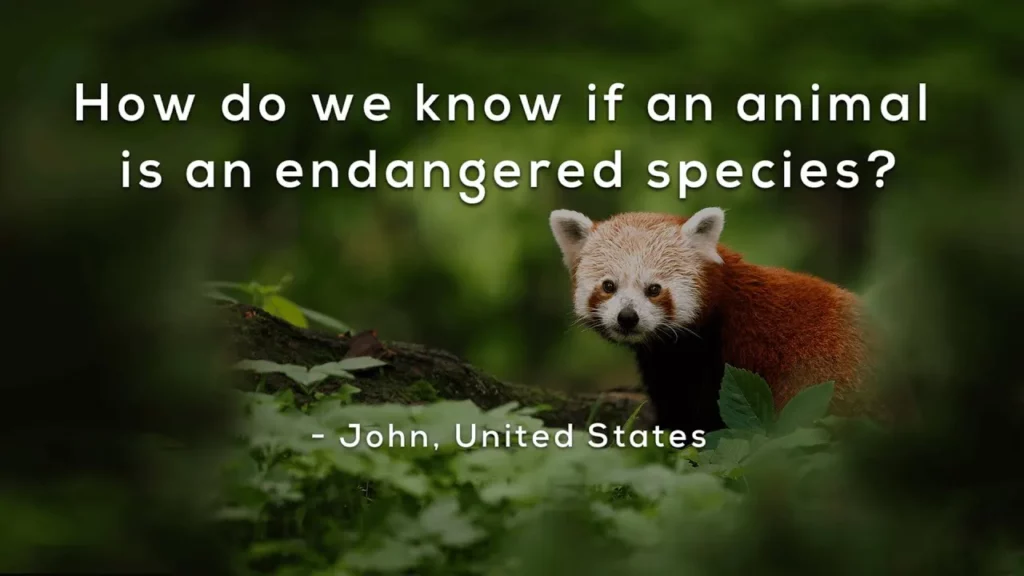
In this lesson, we explored the concept of endangered animals, focusing on their significance and the reasons behind their declining populations. Through a visit to the INHS insect collection, we learned that endangered species, like the Himalayan red panda, are at risk of extinction due to factors such as habitat loss and low birth rates. The lesson emphasized the importance of scientific efforts and community involvement in tracking and protecting these vulnerable animals to ensure their survival.
How do erasers erase?
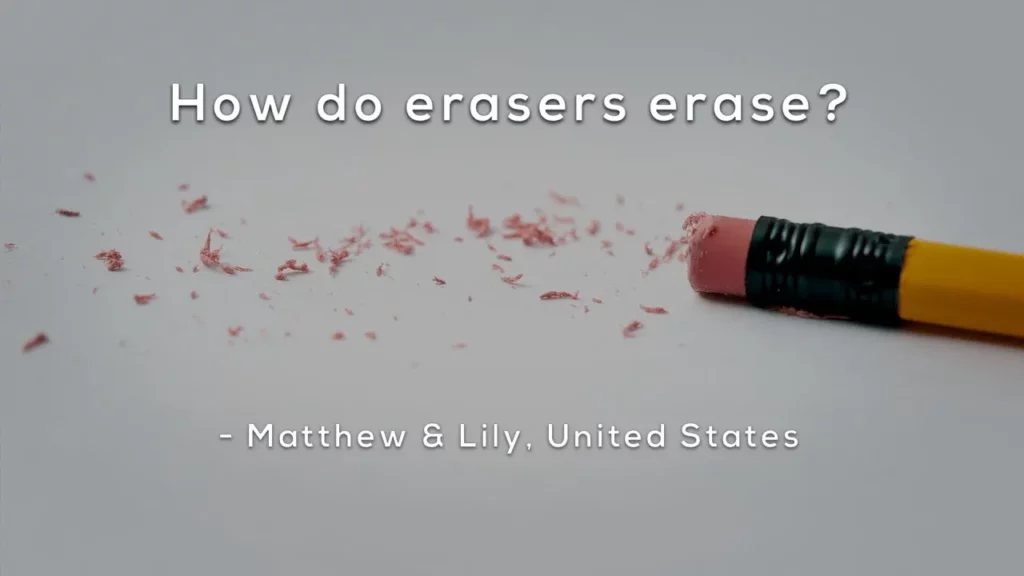
In this lesson, students explore the fascinating world of pencils and erasers, learning how pencils use graphite to create marks on paper and how erasers effectively remove those marks. The lesson highlights the evolution of erasers from bread to rubber, explaining the properties that make rubber effective for erasing. Through the adventures of Matthew and Lily, students are encouraged to stay curious and continue exploring the wonders around them.
Where does salt come from?
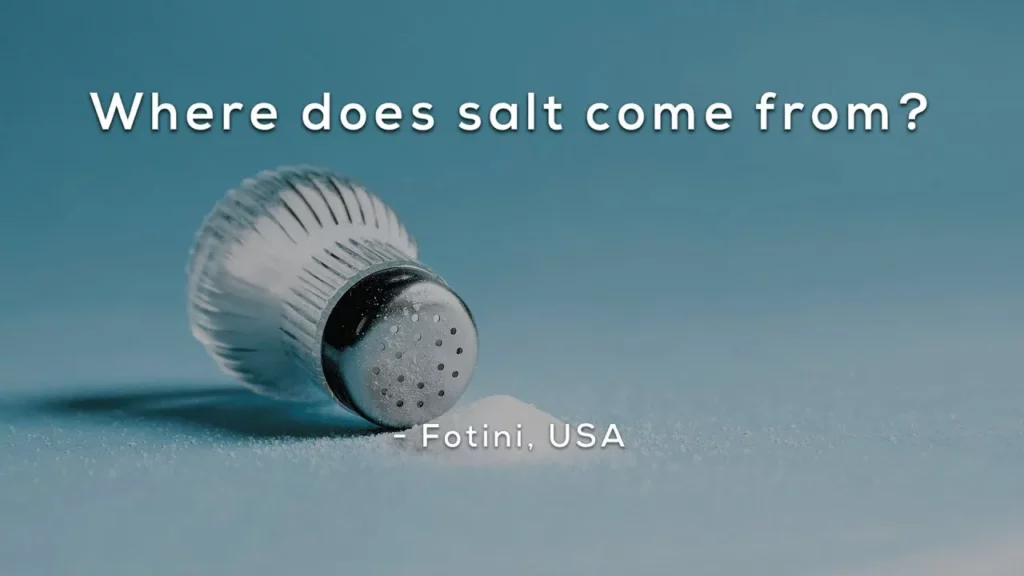
This lesson explores the origins of salt, explaining that it is a mineral, similar to a rock, found in specific locations on Earth, such as salt flats and underground mines. Salt can be obtained through mining or by evaporating ocean water, and its presence in the ground is believed to be a result of ancient oceans drying up. The lesson encourages curiosity about the natural world and highlights the unique properties of salt as a non-living substance used in our food.
Do scientists change their minds?
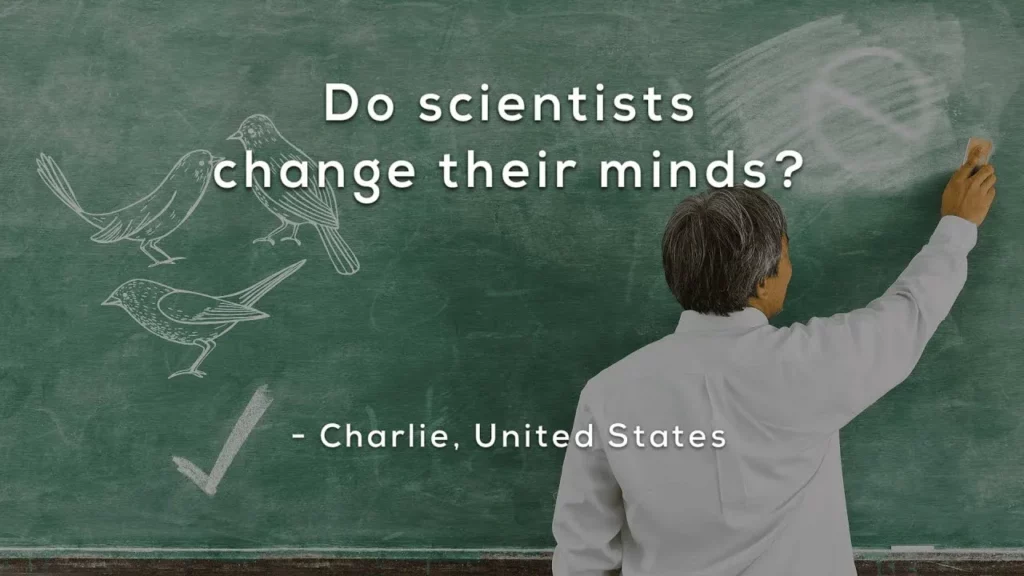
In this lesson, we explored the evolving understanding of whether birds have a sense of smell, highlighting how scientific inquiry can lead to changing conclusions. Through experiments with turkey vultures and seabirds, researchers initially believed that birds lacked olfactory abilities, but new evidence revealed that some birds can indeed smell. This illustrates the importance of adapting our beliefs based on new findings and encourages curiosity and continuous learning.