
Why do we sweat when we play sports?

In this lesson, we explored the reasons why humans sweat, particularly during physical activities like sports. Sweating is a vital process that helps regulate body temperature, preventing overheating, while individuals who cannot sweat face significant challenges in cooling down. The lesson emphasizes the importance of sweating as a natural cooling mechanism and encourages curiosity about the world around us.
Can animals be friends with other kinds of animals?
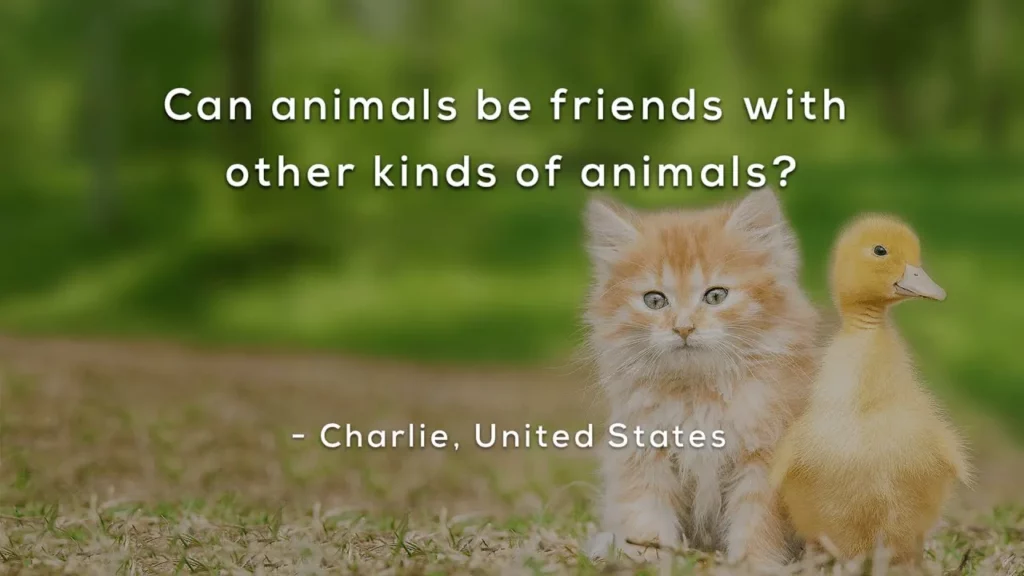
In the lesson “Animal Friends: Can Different Animals Be Friends?”, Esther explores the concept of interspecies friendships, highlighting that while many animals prefer to associate with their own kind, they can also form unique bonds with different species. Through examples like the mutual relationship between a magpie and an elk, as well as the friendship between a baby elephant and a sheep, the lesson emphasizes that animals can help each other and enjoy companionship, much like humans do. Ultimately, it encourages curiosity about the diverse relationships in the animal kingdom.
Why is Mars red?
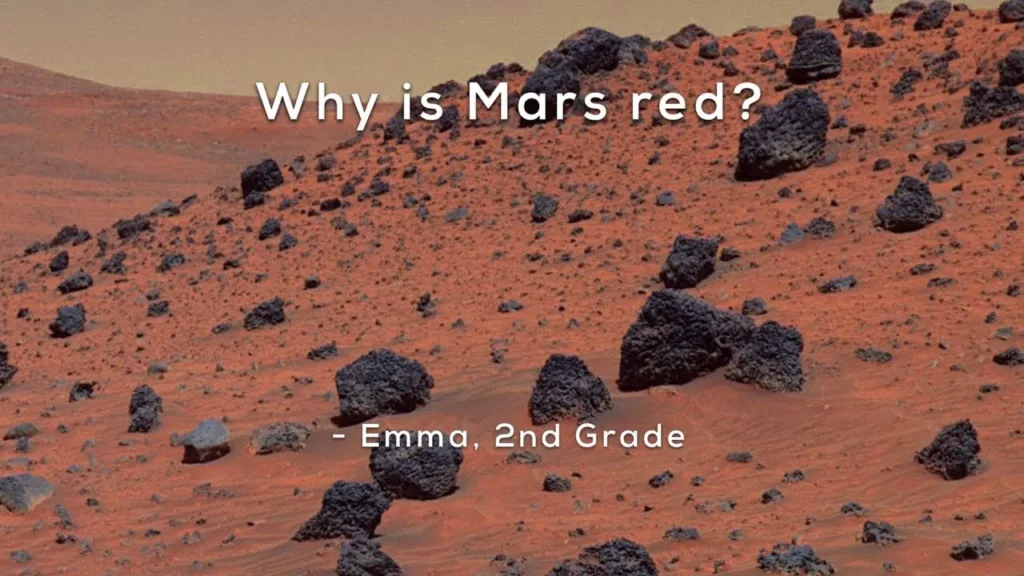
In this lesson, students explore Mars, known as the “Red Planet,” and learn that its reddish color comes from iron-rich rocks and soil that have rusted over time. The lesson highlights the significance of water in understanding Mars’s potential for past life and its importance for future human exploration. Encouraging curiosity, it invites students to continue exploring the mysteries of the universe.
How many people are in the world?

In this lesson, Doug explores the fascinating topic of the world’s population, highlighting that there are nearly eight billion people today, a number that is continually growing due to births. He explains how census data is collected to determine this figure and emphasizes the importance of innovation in addressing future challenges related to food production and population growth. Doug encourages curiosity by posing additional questions for further exploration.
How deep does the ocean go?
The lesson “Discovering the Depths of the Ocean” explores the methods used to measure ocean depth, highlighting the transition from traditional rope techniques to modern sonar technology. It emphasizes the fascinating discoveries made about the ocean floor, including the Mariana Trench, and the unique creatures that inhabit these deep environments. The lesson encourages curiosity and exploration, inviting learners to continue seeking knowledge about the mysteries of the ocean.
How do you build a bridge that lasts for 100 years?

In this lesson, Jay introduces students to the fascinating world of bridges, highlighting their diversity and the teamwork required to build them. The story of the Brooklyn Bridge serves as a prime example, showcasing the challenges faced during its construction and the crucial role played by Emily Roebling in overcoming obstacles. Ultimately, the lesson emphasizes the importance of collaboration and perseverance in achieving remarkable engineering feats.
What’s it like to be a twin?

The lesson explores the unique experiences of being a twin, highlighting both the challenges and joys that come with it. It shares personal anecdotes from identical twins Nicole and Heather, who discuss the difficulties of being mistaken for one another and the social awkwardness that can arise, as well as the deep bond and companionship they enjoy. Additionally, the lesson introduces the concept of different types of twins, emphasizing the importance of curiosity and learning about the world around us.
What’s the coldest temperature any animal could survive?

In this lesson, we explore the remarkable adaptations of various animals that enable them to survive in extremely cold environments. The wood frog can freeze and thaw without harm, painted turtles breathe underwater through specialized blood vessels, Arctic ground squirrels hibernate with a unique brain function, and tardigrades can endure extreme conditions, even in space. These fascinating survival strategies highlight the incredible resilience of nature and encourage curiosity about the animal kingdom.
Are dolphins really one of the smartest animals in the world?
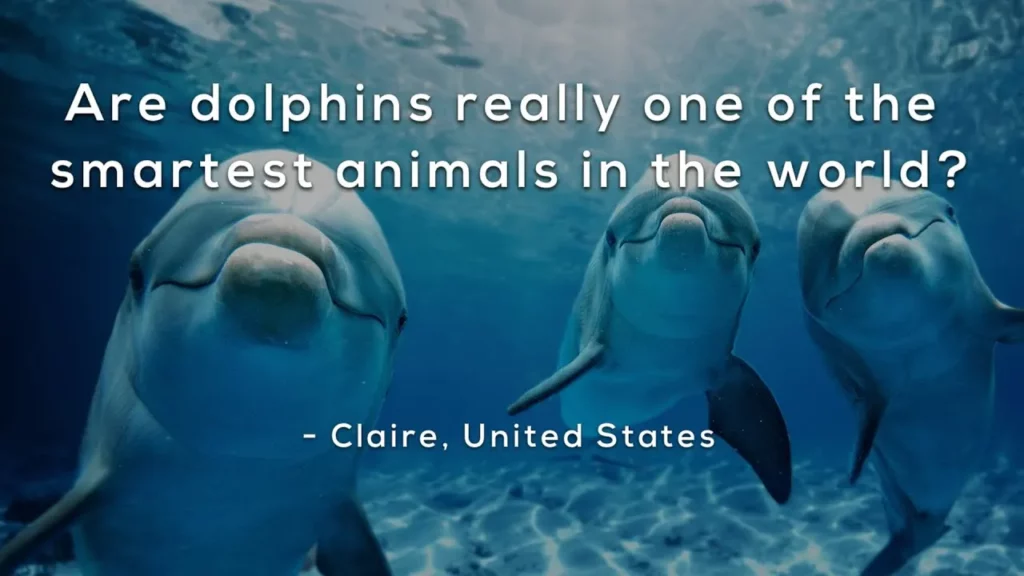
In this lesson, Danny introduces us to the fascinating talents of various animals, highlighting the dancing cockatoo, clever orangutans, and intelligent dolphins. We learn about the problem-solving abilities of elephants and dolphins, their use of tools, and their unique communication skills, which contribute to their reputation as some of the smartest animals. The lesson encourages curiosity and exploration of the animal kingdom’s wonders.
Why do different places have different times?

In this lesson, we explored why different places around the world have varying times, primarily due to the Earth’s rotation and the division of the planet into 24 time zones. Using Doug’s experiences with his friend Anand in India and his grandparents in Illinois, we learned that while one location may be experiencing daytime, another can be in nighttime, highlighting the concept of time zones and their significance. The lesson encourages curiosity about the world and its timekeeping systems.