
Why are flamingos pink?
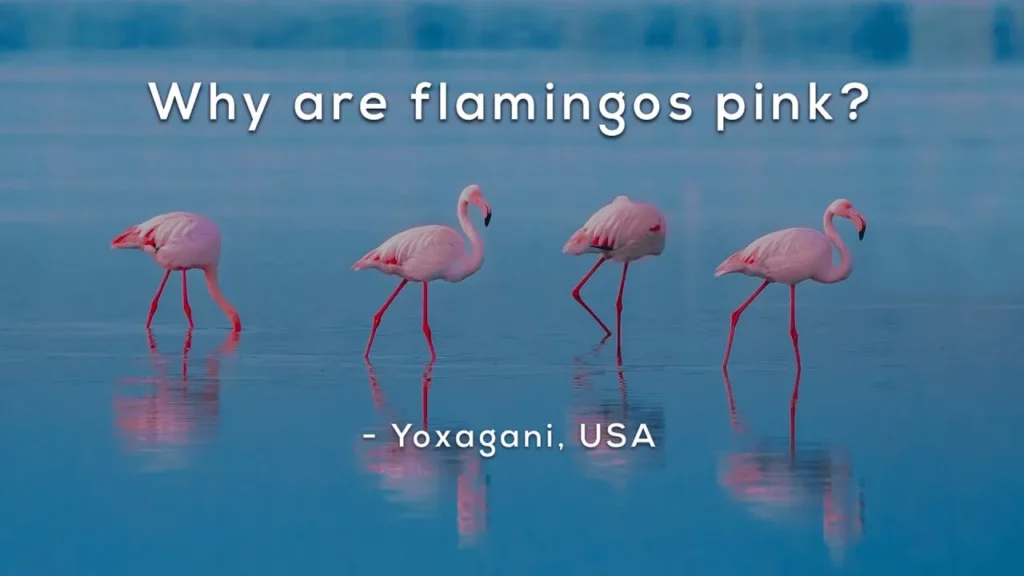
The lesson explains that flamingos are not born pink; instead, their vibrant color comes from the pigments found in the algae and tiny shrimp they consume. While many animals have inherent colors due to pigments in their bodies, flamingos rely on their diet to achieve their distinctive pink hue. This fascinating fact highlights the connection between an animal’s diet and its appearance, encouraging curiosity about the natural world.
Why don’t islands float away?

The lesson explores the question, “Why don’t islands float away?” by explaining that most islands are formed from volcanic activity, mountains, or coral, which anchor them to the ocean floor. While the majority of islands remain stationary, there are unique floating islands called phumdis in India, made of dirt and plants, that can move on water. The lesson encourages curiosity about the natural world and highlights the fascinating ways islands are formed and maintained.
Are butterflies the only animals that start out as caterpillars?
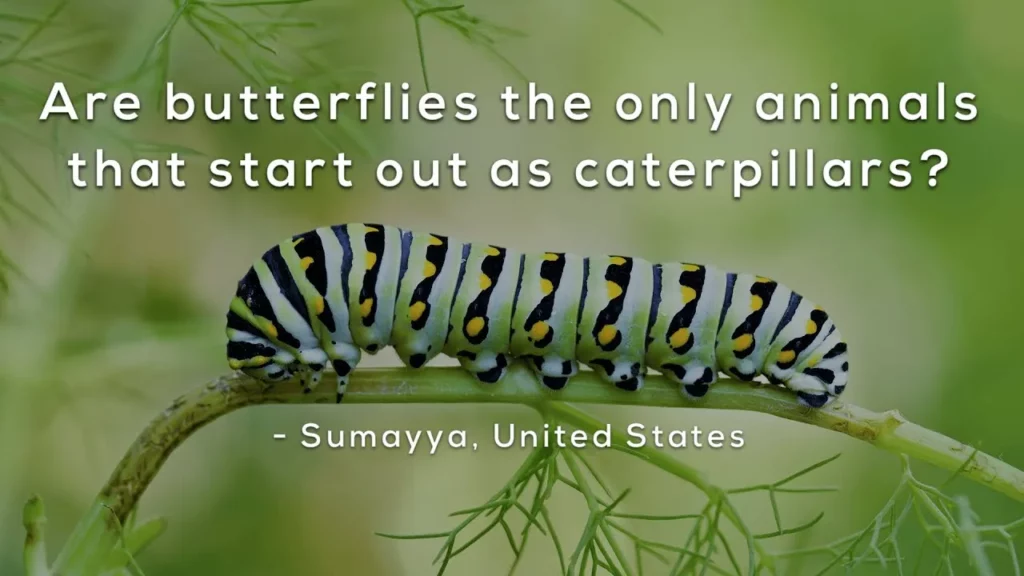
In this lesson, students explore the fascinating concept of metamorphosis, focusing on how butterflies begin their lives as caterpillars. Through the story of a camping trip, they learn that other animals, such as ladybugs, frogs, and salamanders, also undergo significant transformations from larvae to their adult forms. The lesson encourages curiosity and hands-on activities, such as observing caterpillars and creating art, to deepen understanding of these remarkable life cycles.
Where do bugs go in winter?
In this lesson, we explore where insects go during the winter months, highlighting various survival strategies they employ. Some insects, like ladybugs, hibernate in warm places, while others, such as monarch butterflies, migrate to warmer climates. Additionally, certain species lay eggs that endure the cold, ensuring the continuation of their life cycle in the spring.
How do some people get so good at sports?

In the lesson “Discovering the Secrets of Amazing Athletes,” Jay explores how athletes like Sky Brown and Simone Biles achieve greatness through a combination of dedicated practice and curiosity. He emphasizes that while natural talent can help, consistent effort and a willingness to learn from mistakes are crucial for improvement in any skill, not just sports. The key takeaway is that anyone can enhance their abilities by staying curious and committed to practice.
How are books made?

In this lesson, we explored the fascinating process of how books are made, starting from an author’s initial idea to the final printed product. We learned about the roles of publishers, editors, and illustrators in shaping a story, as well as the steps involved in printing and binding a book. The lesson encourages curiosity and appreciation for the journey that transforms a simple idea into a tangible book ready for readers.
What’s the biggest number?

In the lesson “Discovering Big Numbers,” Doug explores the concept of large numbers, starting with the significance of counting to 100 and moving on to even larger figures like 1,000, a million, and beyond. He explains that while there are names for big numbers, such as million, billion, and the enormous googol, there is no definitive “biggest number” because numbers can continue infinitely. The lesson encourages curiosity about numbers and counting, highlighting that the journey of discovery never truly ends.
Why do people from England sound different than people from America?

In today’s lesson, we explored the concept of accents and how they reflect our unique ways of speaking based on where we’re from. We learned that accents can vary not only in pronunciation but also in vocabulary, as demonstrated by different terms for “bathroom” in English-speaking countries and variations in Spanish. The lesson encourages curiosity about language and cultural differences, inviting students to experiment with accents in their own conversations.
How is ice cream made?
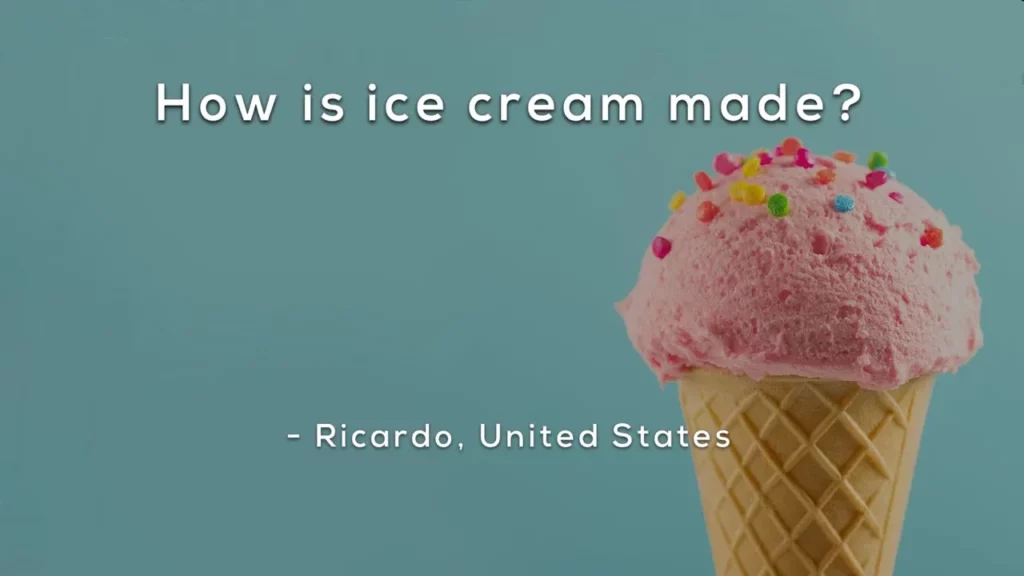
In this lesson, students explore the fascinating world of ice cream, learning about its production in factories, historical methods of making it without electricity, and various international frozen treats. They also discover a fun, hands-on way to create ice cream at home using simple ingredients and materials. The lesson encourages curiosity and exploration of food and its diverse cultural variations.
Is it possible to become invisible?
In this lesson, we explore the concept of invisibility, inspired by popular culture like Star Trek and Harry Potter. While true invisibility remains a challenge for scientists, we learn about camouflage as a practical way to blend in with surroundings, both in nature and through human innovation. The lesson encourages curiosity and creativity, inviting students to think about how they might use invisibility in fun ways and to engage in activities that demonstrate these concepts.