
How were bicycles invented?
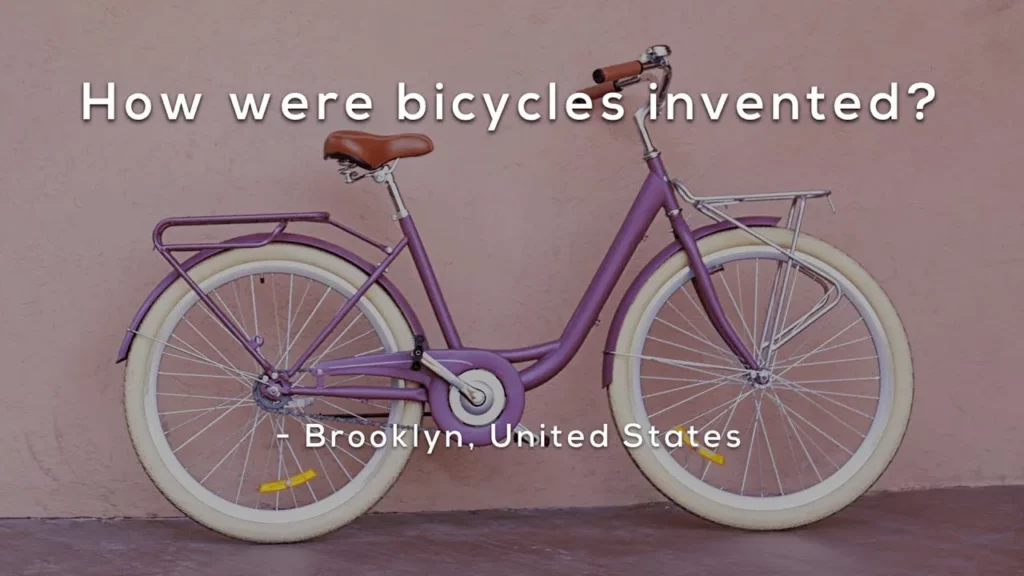
The lesson explores the intriguing history of bicycles, tracing their evolution from the invention of the “Laufmaschine” by Karl von Drais during the “Year Without Summer” in 1815 to their widespread popularity by 1900, which provided newfound freedom, especially for women. It highlights how bicycles have adapted over time to meet various needs and challenges, and encourages curiosity about future innovations in cycling.
What’s the best place to look for dinosaur fossils?
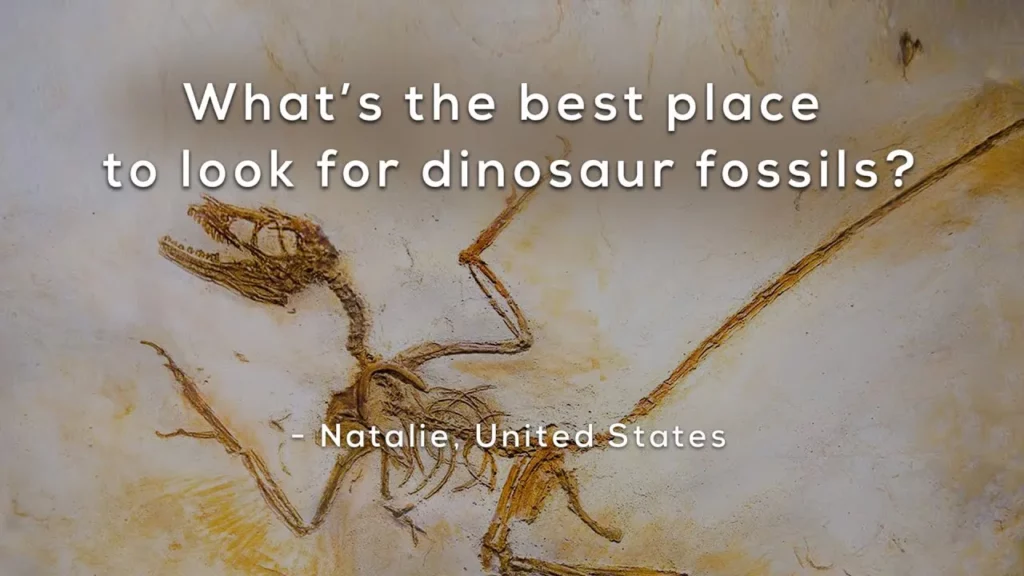
In this lesson, students learn about the exciting world of dinosaur fossil discovery through the adventures of paleontologist Sue Hendrickson, who famously unearthed the largest T-Rex, named “Sue.” The lesson emphasizes that anyone, including kids, can find fossils in various locations, such as farms and construction sites, and provides tips on identifying sedimentary rocks, which are key to fossil hunting. Students are encouraged to explore quarries and remain curious about the mysteries of the past as they embark on their own fossil adventures.
How does composting work?
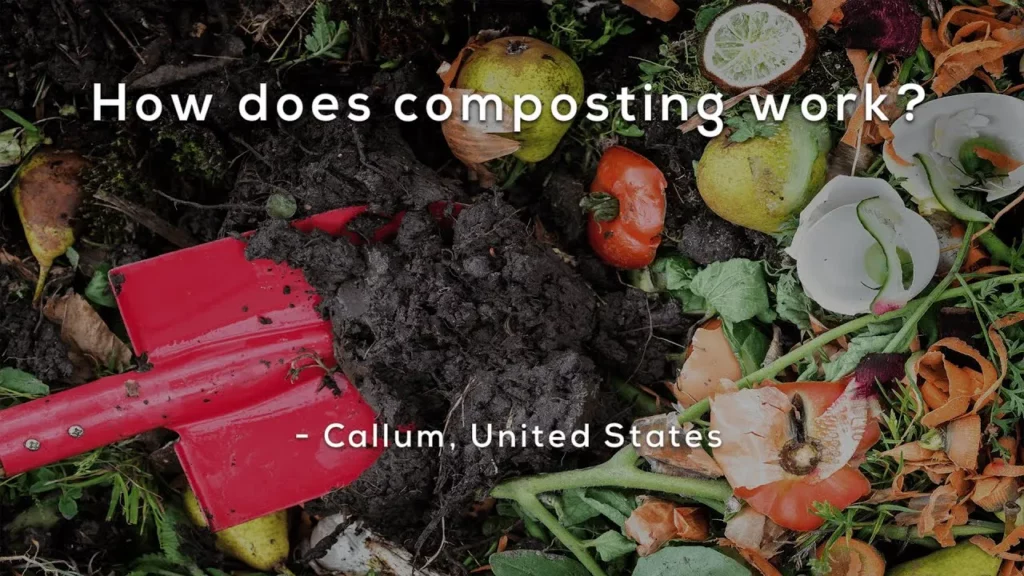
In the lesson “Discovering the Magic of Composting,” we learn about the process of composting through a personal story about the author’s grandfather’s garden. Composting involves collecting food scraps and allowing microorganisms to break them down into nutrient-rich compost, which benefits plant growth. The lesson emphasizes the importance of providing microorganisms with food, water, and air to facilitate composting, highlighting its role in both gardens and nature as a way to recycle organic matter and support the environment.
Why is the sky blue?

In this lesson, we explored the fascinating question of why the sky appears blue. It is primarily due to the Earth’s atmosphere, which consists of gases like oxygen and nitrogen that scatter sunlight, making the sky look blue to our eyes. We also touched on how the sky can change colors during sunrise and sunset, encouraging curiosity and further exploration of the natural world.
Does trash last forever?

In the lesson “Discovering the World of Trash,” Danny explores the pervasive issue of trash and its environmental impact, particularly focusing on the longevity of different types of waste. He explains how organic materials like food scraps can decompose, while plastics can take an extremely long time to break down, posing significant risks to ecosystems. The lesson encourages individuals to reduce plastic use, recycle, and dispose of waste responsibly to help mitigate the problem.
Do people really use robots?
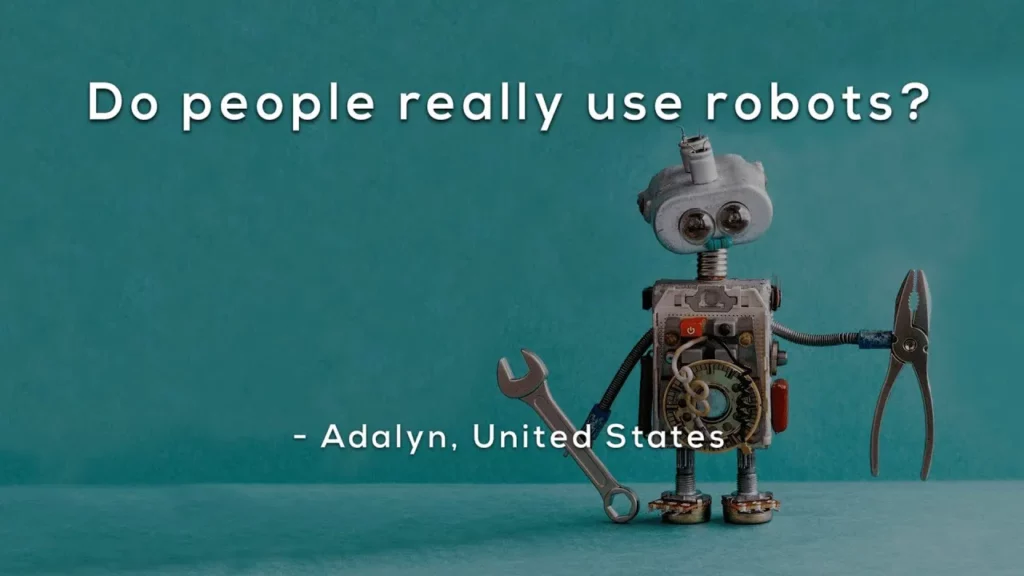
The lesson explores the various ways robots are utilized in our daily lives, highlighting their roles in different settings, from homes to factories and even space exploration. It introduces Marita Cheng, a robot expert who designs robots to assist people, and emphasizes that while many robots do not resemble humans, they are incredibly effective in performing tasks. Ultimately, the lesson encourages curiosity about the endless possibilities of robotics and their positive impact on society.
Whats the biggest apple in the world?
In this lesson, students explore the fascinating world of apples, learning about the diverse varieties, their unique flavors, and the process of apple breeding that has led to over 4,000 different types. The lesson highlights the importance of apple breeders in creating new apple varieties and introduces a fun activity to make an apple-picking device. Students are also encouraged to stay curious and participate in choosing the next topic to explore.
What’s the deepest hole anyone has ever dug?
In this lesson, we explored the fascinating world of deep holes on Earth, from refreshing swimming holes in Texas to ancient underground cities in Turkey. We learned about unique digging projects, such as Ra Paulette’s artistic creations and the Kola Borehole in Russia, the deepest hole ever dug. The lesson emphasizes the importance of curiosity and safety while discovering the mysteries of our planet.
What was the first cartoon?
In the lesson “Discovering the World of Cartoons,” students explore the fascinating history and evolution of animation, from early cave drawings to the creation of iconic characters like Gertie the Dinosaur. The lesson highlights key inventions that made animation possible, such as the phenakistiscope and praxinoscope, and encourages creativity by inviting students to animate their own drawings. Ultimately, it emphasizes the joy of watching animated characters come to life and fosters curiosity about future topics to explore.
How do we know the Earth is round?
The lesson explores the question of whether the Earth is truly round, highlighting historical misconceptions about its shape and the evidence supporting its spherical nature. It discusses how ancient cultures imagined different shapes for the Earth, the contributions of thinkers like Pythagoras, and various clues such as lunar eclipses and the way ships disappear over the horizon. Ultimately, the lesson encourages curiosity and exploration, emphasizing the importance of asking questions to understand our world better.