
Why do bears hibernate?
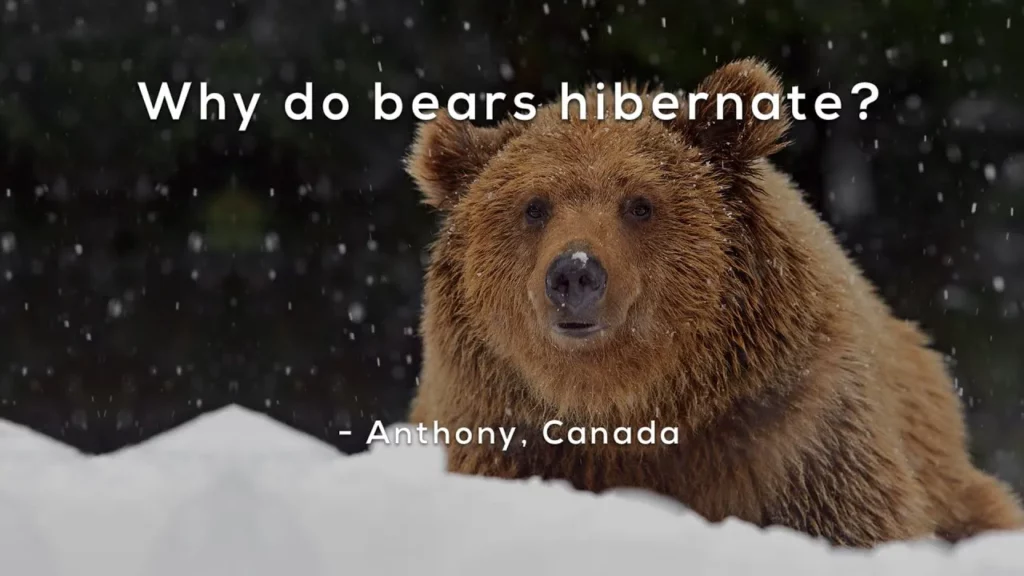
Bears hibernate to survive the winter months when food is scarce, entering a state that conserves energy by slowing their heartbeat and breathing. This unique adaptation allows them to rely on stored fat until spring, when food becomes plentiful again. Hibernation is not only crucial for bears but also for other animals like skunks and groundhogs, and it continues to intrigue scientists who study its potential applications for human health.
What’s the fastest ocean animal?
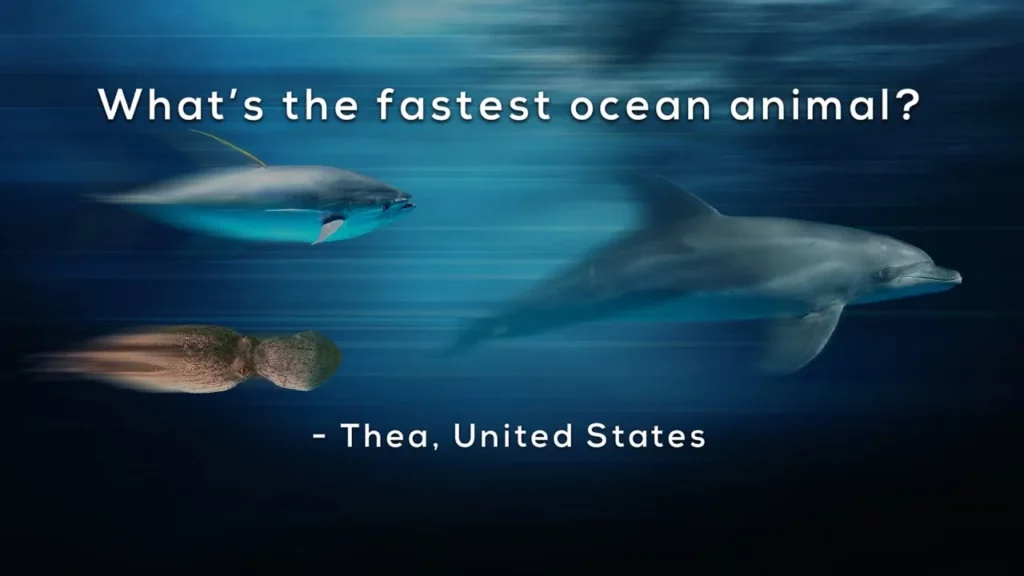
In this lesson, students explore the fascinating world of ocean animals, focusing on their varying speeds. They learn about the slow dwarf seahorse, speedy creatures like squids and bluefin tuna, and discover that the sailfish holds the title for the fastest ocean animal, swimming nearly 70 miles per hour. The lesson encourages curiosity about marine life and highlights the unique adaptations that enable these animals to thrive in their underwater environment.
What’s the hottest place on Earth?

In this lesson, Esther takes us on a journey to explore some of the hottest places in the universe, highlighting Venus’s extreme temperatures and comparing them to Earth’s warmest locations, such as Furnace Creek in Death Valley. She discusses how temperature is measured and the ongoing quest to discover potentially hotter areas on Earth that remain uncharted. The lesson emphasizes the importance of curiosity and the continuous pursuit of knowledge in understanding our planet and beyond.
Do wild animals ever dress up in costumes?
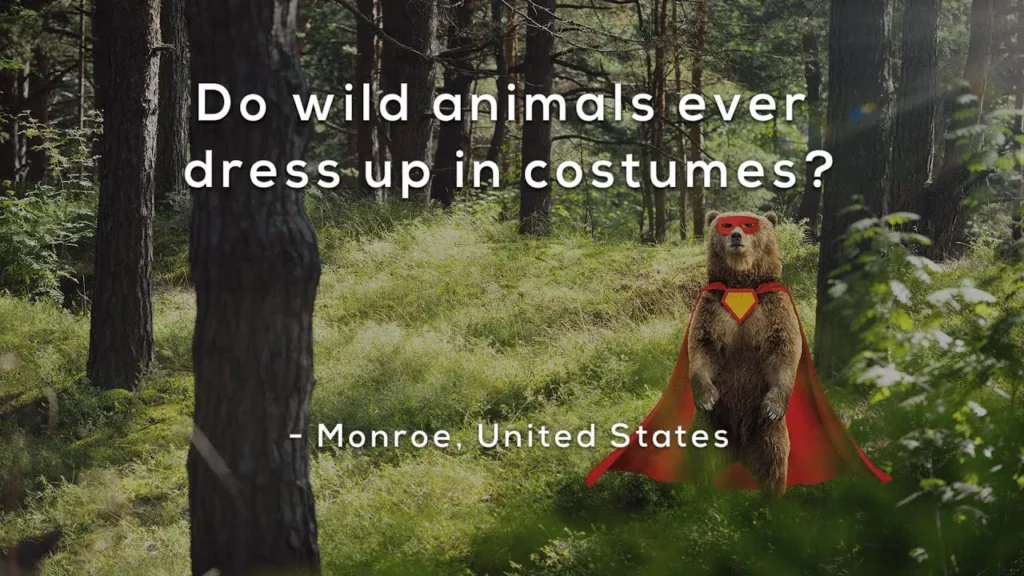
In this lesson, Jay shares a fun story about his family’s costume experience inspired by “The Magic School Bus” and explores the concept of animal disguises in nature. He explains how certain animals, like the decorator crab and the mimic octopus, use camouflage and mimicry to blend into their surroundings for survival, highlighting the fascinating ways wildlife adapts to avoid predators and catch prey. The lesson encourages curiosity about the natural world and invites questions for future discussions.
How do phones work?

In this lesson, we explored the fascinating evolution of communication, starting from ancient methods like smoke signals to the invention of the telegraph, and ultimately to the telephone. We learned how Alexander Graham Bell transformed voice vibrations into electric pulses, allowing people to communicate over long distances, and how modern phones have evolved to transmit sound wirelessly. The lesson emphasizes the importance of curiosity and exploration in understanding the technology that connects us today.
Why do we have tears when we cry?

In this lesson, we explored the purpose and function of tears, which are produced by tear glands to keep our eyes clean and moist. While tears serve a practical role in eye health, the reason humans cry when they are sad remains a mystery, potentially serving as a way to signal a need for comfort from others. The lesson encourages curiosity about the world and the unanswered questions surrounding human emotions.
Why is it so hard to make new inventions?
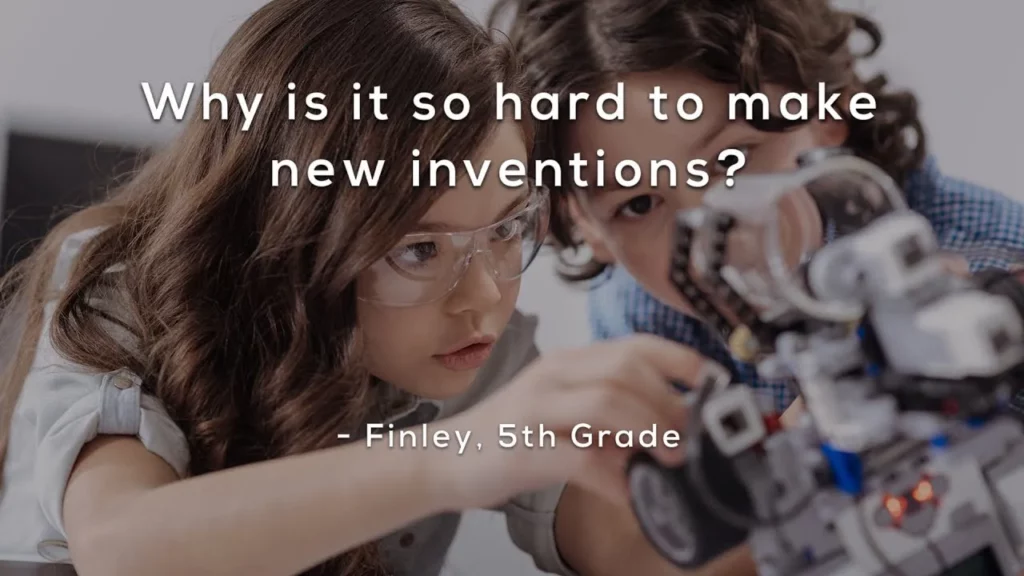
In this lesson, Doug explores the exciting world of inventions, discussing the challenges inventors face in turning their ideas into reality. He emphasizes that while having a great idea is essential, the journey of invention often involves trial and error, learning from failures, and persistence. By reflecting on past inventors and encouraging creativity, Doug inspires listeners to dream big and consider their potential to create the next big invention.
Could you build a real house out of cookies and candy?

In this lesson, Jay explores the fun and imaginative concept of building structures using sweet treats like cookies and candy, highlighting their unique properties as building materials. He shares examples of creative constructions, such as the world’s largest gingerbread house, and discusses how engineers draw inspiration from food to develop innovative materials that are both strong and environmentally friendly. The lesson encourages curiosity and invites questions about various scientific topics.
Why does it matter if an animal is endangered?
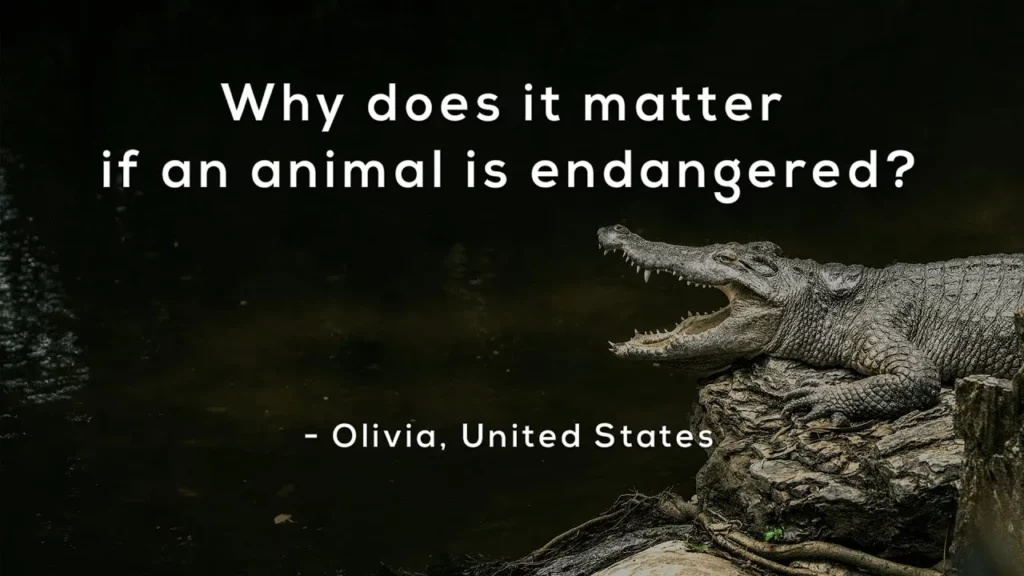
In this lesson, students embark on an adventure to learn about endangered animals, specifically the Southern sea otter and the American alligator, and their vital roles in their ecosystems. The lesson emphasizes the importance of protecting these species, as their survival directly impacts the health of their environments and the well-being of other wildlife. By understanding the interconnectedness of nature, students are encouraged to stay curious and seek ways to help endangered animals thrive.
How does mail get delivered?

In this lesson, Jay explains the fascinating journey of how mail gets delivered, highlighting the four main stops: the mailbox, processing center, delivery center, and final destination. He emphasizes the teamwork involved, with machines and postal workers working together to sort and deliver billions of pieces of mail each year. The lesson encourages curiosity about the processes behind everyday experiences, like receiving mail.