
Who invented the alphabet?

The lesson explores the origins and evolution of the alphabet, highlighting its significance in human communication. It traces the development of the Roman Alphabet from the Phoenicians to the Greeks and Romans, while also noting the existence of various alphabets around the world, such as Korean and Arabic. The lesson encourages curiosity about writing systems and their impact on learning and communication.
Do any plants eat animals?

In this lesson, students explore the fascinating world of plants, particularly focusing on unique and carnivorous varieties. They learn about various plants that eat insects, such as the Venus flytrap, sticky sundew, and cobra lily, and discover how these plants attract and trap their prey. The lesson encourages curiosity about the diverse plant life surrounding us and highlights the possibility of keeping some of these intriguing plants at home.
Why are four-leaf clovers so rare?

In this lesson, Esther takes us on an adventure to explore the fascinating world of clovers, particularly the rare four-leaf variety. We learn that while most clovers have three leaves, the unique four-leaf clover is special due to its rarity, with only about one in 5,000 clovers having four leaves, a phenomenon influenced by both genetic factors and environmental conditions. The lesson encourages curiosity and exploration, highlighting the joy of discovering nature’s surprises.
How do cicadas make so much noise?

In this lesson, we explore the fascinating world of cicadas and other insects, focusing on how they produce their distinctive sounds. While grasshoppers create noise by moving their legs and crickets by rubbing their wings, cicadas use a unique body part called a tymbal to generate their loud buzzing, capable of producing 300 to 400 clicks per second. This lesson encourages curiosity about the natural world and highlights the diverse methods insects use to communicate through sound.
Why do we have leap years?

Leap years occur every four years to account for the Earth’s actual orbital period around the sun, which is approximately 365 days and 6 hours. This extra day, February 29th, helps keep our calendar aligned with the seasons, preventing shifts that could lead to winter occurring in summer months. The concept of leap years illustrates the importance of adjusting our calendar to reflect the natural cycles of the Earth.
Why do beavers build dams?
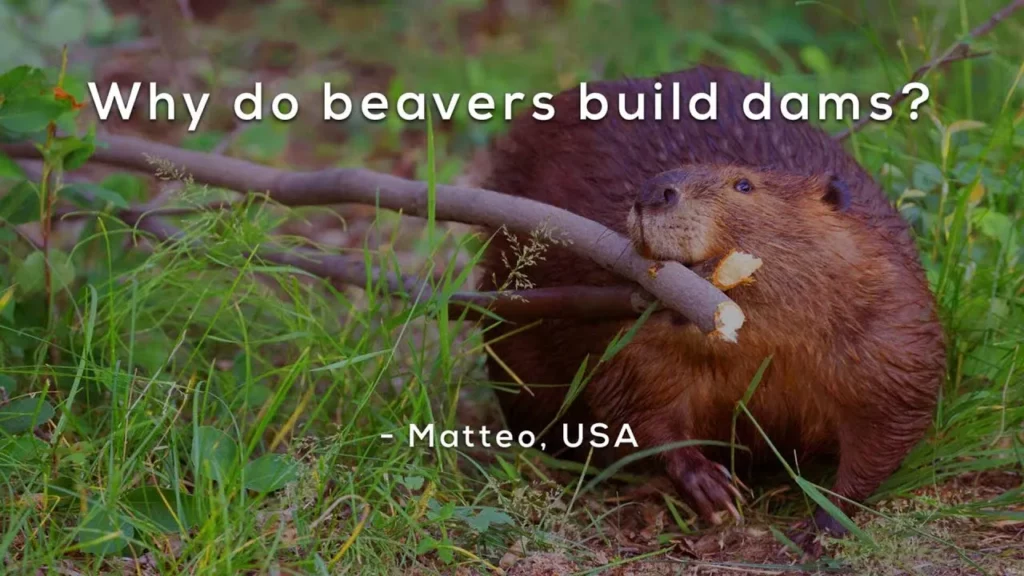
In this lesson, we learned that beavers build dams primarily to create ponds, which serve as safe habitats and food storage areas. These ponds protect beavers from predators and allow them to access stored food during winter. Beavers are clever builders, using their skills to enhance their living conditions and ensure their safety.
Does any place not have fall?

In this lesson, Jay explores the concept of seasons and how they vary across different regions of the world. He highlights the four seasons experienced in Wisconsin—winter, spring, summer, and fall—while contrasting them with the warmer climate of Florida and other locations like the Amazon rainforest and polar regions, which have unique seasonal characteristics. The lesson emphasizes the importance of understanding seasonal patterns to help us prepare for changes in weather and activities throughout the year.
How many kinds of cacti are there?
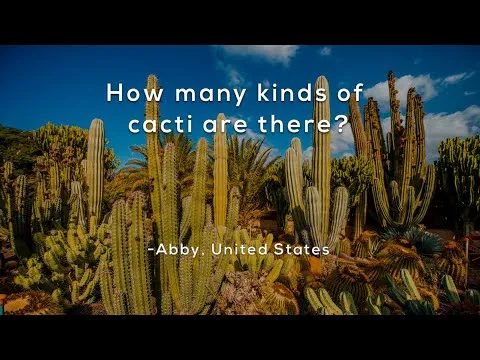
In this lesson, we explore the fascinating world of cacti through the life and work of Elia Bravo, a dedicated cactus expert from Mexico. Elia’s passion for plants led her to study and document the diverse species of cacti in Mexico, culminating in her influential book “Las Cactáceas de México,” which significantly expanded our understanding of these unique plants. Her legacy encourages curiosity and a love for exploration, inspiring others to share their discoveries with the world.
How are magnets made?

This lesson explores the fascinating world of magnets, detailing how they are made, their properties, and their various applications. It explains that magnets can be created from natural materials like lodestone and enhanced using electricity, and highlights their ability to attract certain metals, repel each other, and serve practical purposes in everyday life, such as in trains and household items. The lesson encourages curiosity about the potential uses of magnets and their impact on our world.
What are some of the weirdest sports in the Olympics?

In this lesson, we explored some unusual sports that have been featured in the Olympics, such as tug-of-war, race walking, curling, and ski ballet. We played a guessing game to determine which of these sports are currently part of the Olympic Games and learned that while race walking and curling remain, tug-of-war and ski ballet were once included but are no longer part of the event. The lesson highlights the evolving nature of the Olympics and encourages curiosity about the diverse sports represented in this global competition.