
What was the Ice Age like?
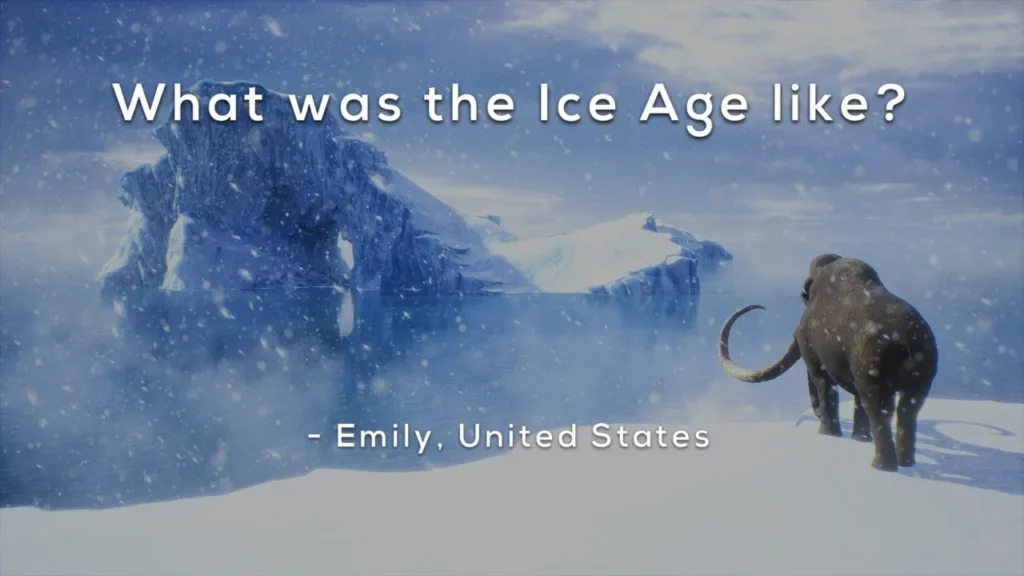
In this lesson, Danny shares his experience of visiting Alaska and introduces the concept of the Ice Age, a period when the Earth experienced significant cooling and increased ice coverage. Students learn that the Ice Age was characterized by fluctuating temperatures, leading to the existence of unique animals like woolly mammoths and giant ground sloths, as well as the survival of humans. The lesson emphasizes the importance of fossils in uncovering the past and encourages curiosity about the mysteries of the Ice Age and beyond.
Who created the constellations?
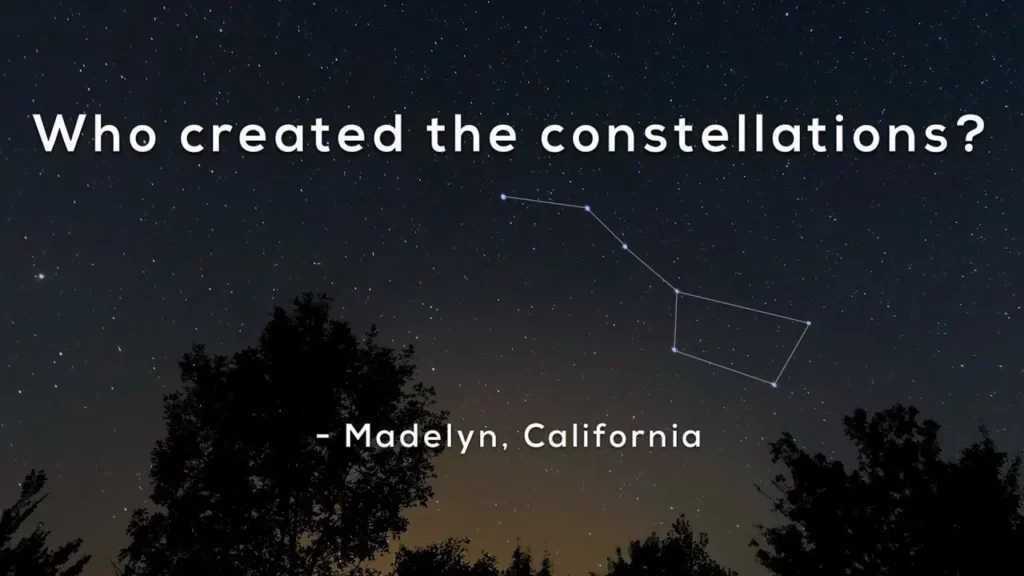
The lesson “The Magic of Constellations” explores how different cultures have interpreted the stars in the night sky, creating unique constellations and stories based on their observations. It highlights that while some constellations, like the Big Dipper, have widely recognized shapes, others can be imagined in various ways, allowing for personal creativity in connecting the stars. Ultimately, the lesson encourages curiosity and imagination, inviting individuals to create their own constellations and appreciate the diverse narratives that arise from the same celestial patterns.
Why are some people left-handed?

This lesson explores the intriguing topic of left-handedness, highlighting that about 10% of people are left-handed, including many famous individuals. It discusses the challenges left-handers face due to a world designed primarily for right-handed people, while also celebrating the unique advantages they may have, especially in sports. Ultimately, the lesson encourages understanding and inclusivity for all types of handedness, promoting pride in being left-handed.
How is plastic made?
The lesson explains the process of plastic production, highlighting its origins from oil and acid, and its dual nature as both beneficial and harmful. While plastic has helped reduce the need for materials that harm wildlife, its durability can lead to environmental issues when not disposed of properly. The lesson encourages thoughtful use of plastic to maximize its benefits while minimizing its negative impact on the environment.
Why do we need blood?
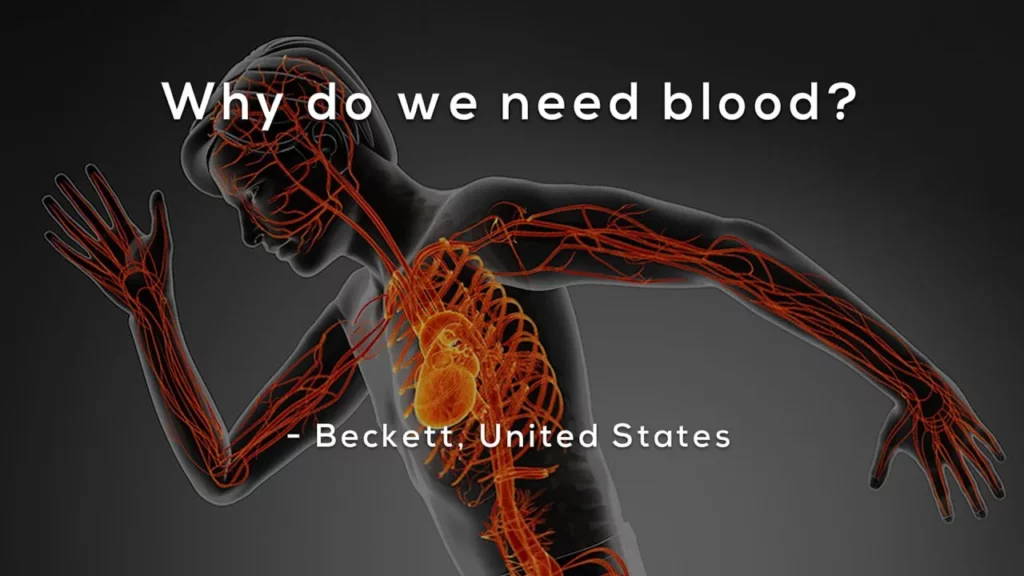
The lesson “All About Blood: A Fun and Fascinating Journey” explores the essential roles of blood in our bodies, including its functions in transporting nutrients and oxygen. It highlights the fascinating fact that not all animals have red blood, with examples like horseshoe crabs and certain octopuses having blue blood. The lesson encourages curiosity and exploration of the wonders of the natural world.
Could people ever walk on walls?
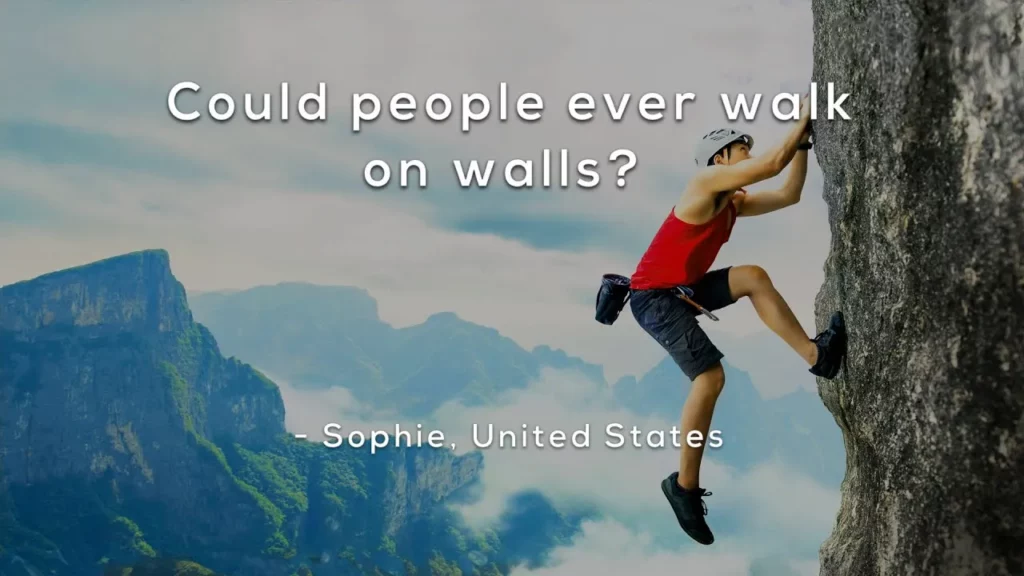
In this lesson, we explore the fascinating ability of certain creatures, like bugs and geckos, to walk on walls and ceilings, thanks to specialized adaptations such as tiny hairs that create adhesive forces. While humans cannot naturally replicate this feat due to our weight and the challenges of adhesion, scientists are developing innovative technologies, like “gecko gloves,” that mimic these natural mechanisms. The lesson encourages curiosity about the natural world and the potential for scientific advancements inspired by it.
Could a kid win a race against a penguin?

In this lesson, Esther explores the fun of racing penguins in the snow, highlighting how different penguin species and their unique adaptations affect their speed on land and in water. She explains that while penguins are fast swimmers, they waddle slowly on land, giving kids a chance to win a race, especially in snowy conditions where penguins can slide on their bellies. The lesson encourages creativity and exploration, suggesting that students can use inventions like snowshoes or sleds to enhance their own snow racing experiences.
What’s the biggest tree in the world?
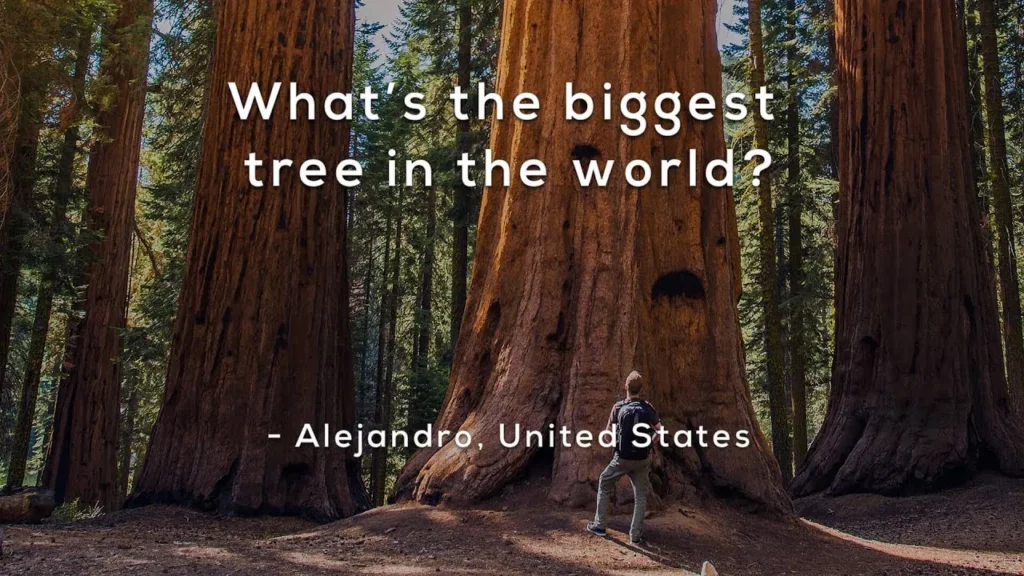
In this lesson, we explore the fascinating world of the biggest trees, answering Alejandro’s question about which tree holds the title of the biggest in the world. We learn that the widest tree is El Tule in Mexico, the heaviest is the Giant Sequoia named General Sherman in California, and the tallest is a Redwood tree, also in California. The lesson encourages curiosity and exploration of the diverse and remarkable trees found around the globe.
Why is the ocean salty?
The lesson explains why the ocean is salty compared to lakes and rivers, highlighting that while freshwater bodies contain only trace amounts of salt, the ocean accumulates salt over time from rivers that flow into it. Rainwater is initially salt-free, but as it travels over land, it picks up small amounts of salt from soil and rocks, which eventually contributes to the ocean’s salinity. The lesson encourages curiosity and exploration of the natural world, inviting learners to ask questions and discover more about their surroundings.
How do batteries work?

The lesson explores the fascinating history of battery development, beginning with Galvani’s unexpected discovery of muscle twitching in frog legs, which led to Volta’s realization that the reaction was due to the interaction of different metals. Volta’s experiments culminated in the creation of the first battery, demonstrating how two metals and a conductive solution can generate electricity. Today, batteries continue to play a crucial role in powering various devices, showcasing the impact of scientific curiosity and experimentation.