
How were emojis created?
In this lesson, students explore the world of emojis, learning about their origins, purpose, and significance in communication. Invented by Shigetaka Kurita in the late 1990s, emojis help convey emotions and tone in written messages, making it easier to understand feelings that might be lost in text alone. The lesson highlights the evolution of emojis from a simple set to a diverse collection that enhances everyday communication.
Can trees talk to each other?
In this lesson, we explore the intriguing idea of whether trees can communicate with each other, focusing on the research of scientist Suzanne Simard. Through her studies, she discovered that trees use a network of fungi underground to share nutrients and send warning signals about threats, suggesting a form of communication akin to “talking.” While some scientists support this idea, the topic remains an area of ongoing research, encouraging curiosity about the hidden lives of trees.
What’s the smallest animal on Earth?
In this lesson, students explore some of the smallest animals on Earth, including the Tasmanian pygmy possum, Etruscan shrew, and various types of zooplankton and insects like fairyflies. The lesson emphasizes the diversity of tiny creatures, highlighting their unique adaptations and habitats, while encouraging curiosity and further exploration of the natural world.
How do optical illusions trick us?
In this lesson, we explored the fascinating world of optical illusions, which are images that can deceive our eyes and brains, leading us to see different things in the same picture. Through examples like a drawing that can be interpreted as either a dog or a bird, and an elephant with an impossible number of legs, we learned how our brains make guesses based on visual cues, sometimes resulting in confusion. The lesson encourages curiosity and further exploration of how our perception works and the science behind these intriguing illusions.
How does the heart pump blood?
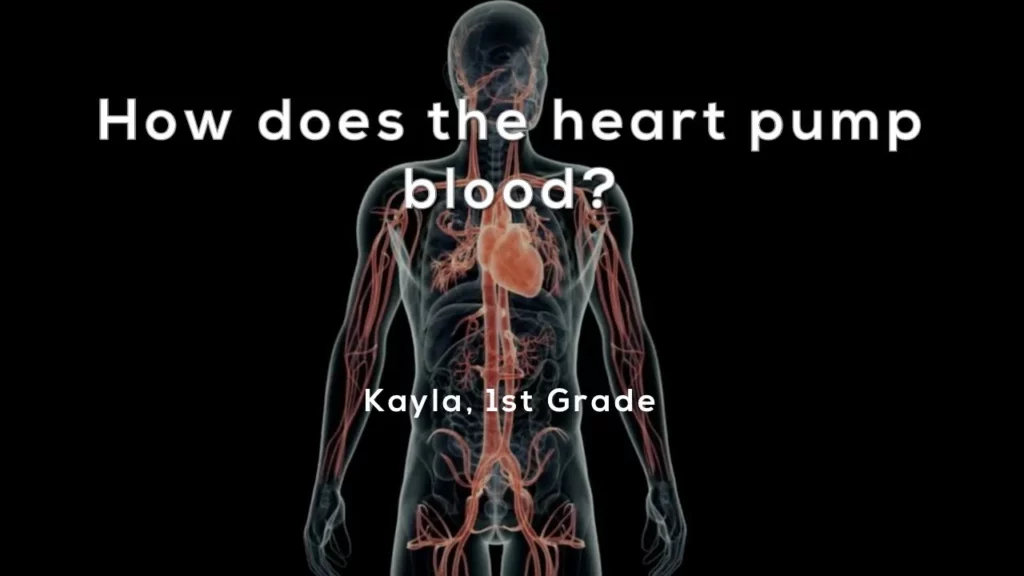
In this lesson, students embark on a fun journey to discover the heart, an essential organ that pumps blood throughout the body. They learn about the heart’s function, the mystery behind its heartbeat, and how it operates like a muscle, using relatable analogies such as a rubber duck to illustrate its squeezing action. The lesson encourages curiosity and exploration of the wonders of the human body.
What is a black hole?
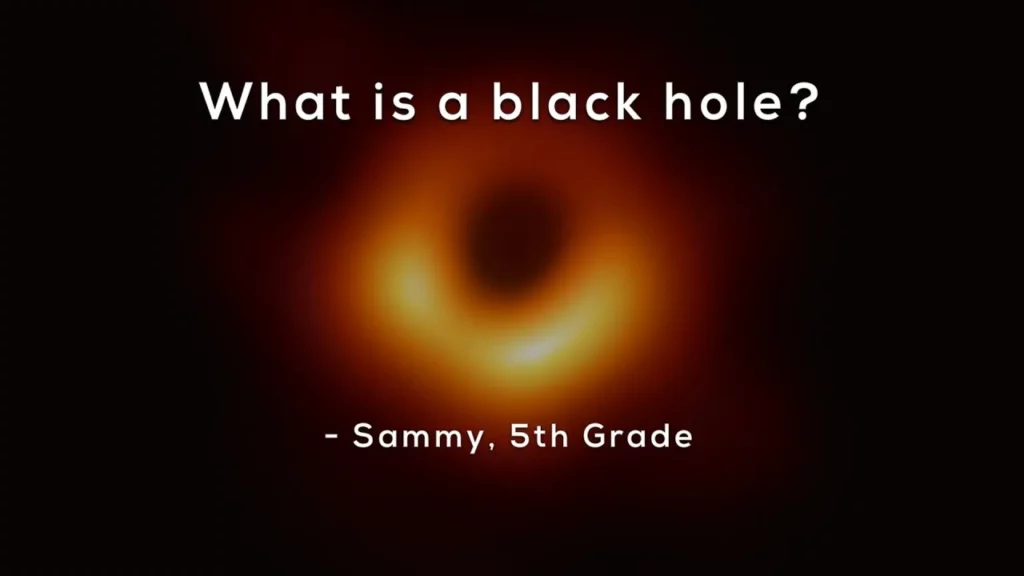
In this lesson, Doug introduces the fascinating concept of black holes, explaining that they are not mere holes but incredibly dense objects with gravitational forces so strong that even light cannot escape them. He discusses the history of black hole theory, the challenges of observing them, and how a global collaboration of astronomers successfully captured the first image of a black hole, paving the way for future discoveries in space exploration. The lesson emphasizes the importance of curiosity and collaboration in scientific advancements.
What’s the tallest skyscraper anyone can build?

In this lesson, we explored the evolution of tall structures, starting from ancient pyramids to modern skyscrapers, highlighting the engineering advancements that allow for such heights. We learned that while early buildings were limited by their heavy materials, today’s skyscrapers utilize a steel skeleton to support their weight and innovative designs to withstand wind. The lesson encourages curiosity about architectural possibilities, exemplified by the ambitious plans for the Sky Mile Tower in Japan.
How can you tell if a plant is poisonous?
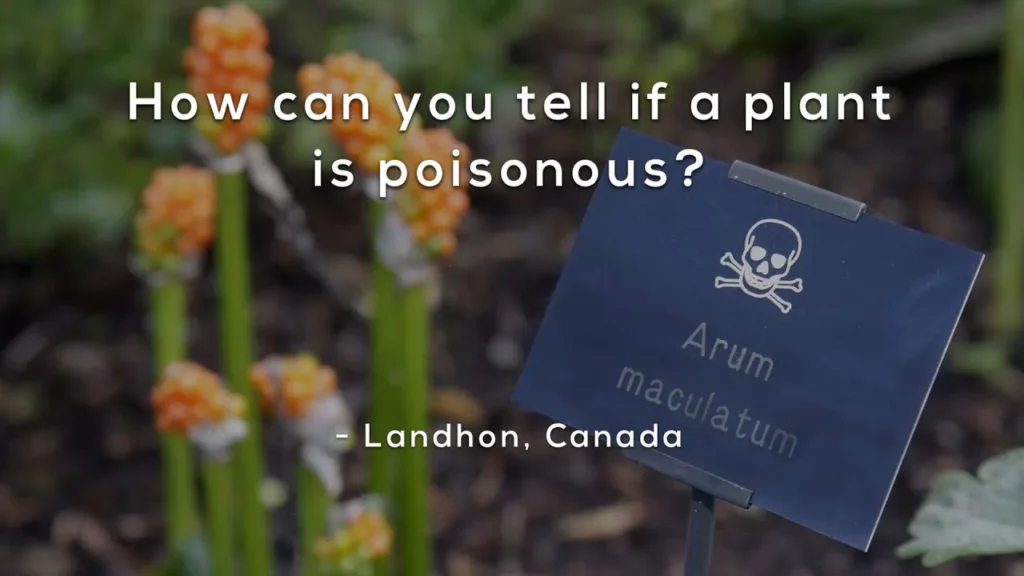
In this lesson, we explored how to identify poisonous plants and the importance of recognizing various patterns to differentiate them from safe ones. Key tips include the saying “leaves of three, let it be” to avoid poison ivy and poison oak, while also noting that some edible plants may share similar characteristics. To enhance your plant identification skills, it’s beneficial to learn multiple identifying features and consider joining local foraging groups or consulting resources for further knowledge.
How do you make a Mystery Doug video?
In this lesson, Doug from Mystery Science takes viewers behind the scenes to explain how their engaging science videos are created. He emphasizes the importance of curiosity and collaboration, detailing the process from selecting a question to researching and producing the final video. Doug encourages kids to stay curious and invites them to participate by voting on future topics and creating their own mini lessons.
Were dragons ever real?
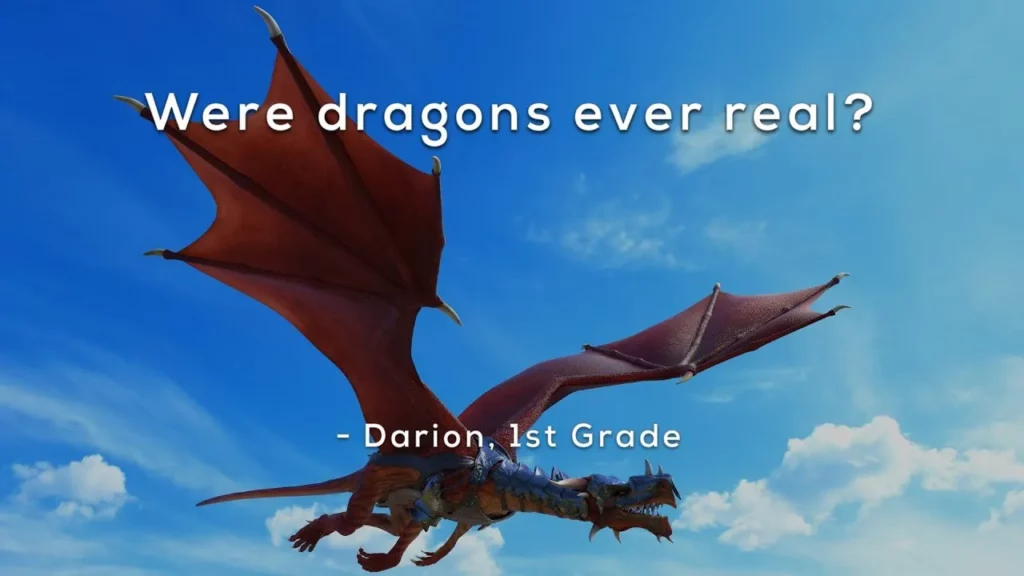
In this lesson, we explored the fascinating world of dragons, discussing their presence in stories and movies while clarifying that they do not exist today. We examined the possibility that ancient tales of dragons may have been inspired by dinosaur fossils and highlighted real-life creatures that resemble dragons, such as the Draco volans and the Komodo dragon. The lesson encourages curiosity and invites students to ponder other intriguing questions about the world.