
Science by Day – Spy by Night [60 Second Specimens]
Edward Harrison Taylor was a distinguished herpetologist whose career at the University of Kansas was marked by extensive fieldwork and involvement in government intelligence activities. His adventures included solving a murder case in Manila and scouting for mercury deposits during World War I, which, while enriching his scientific pursuits, also impacted his mental health. Despite these challenges, Taylor’s significant contributions to herpetology, including the description of hundreds of new species and the preservation of over 75,000 specimens, have left a lasting legacy that continues to influence modern scientific research on biodiversity and environmental change.
Fossil Fish, Pt. II: A History
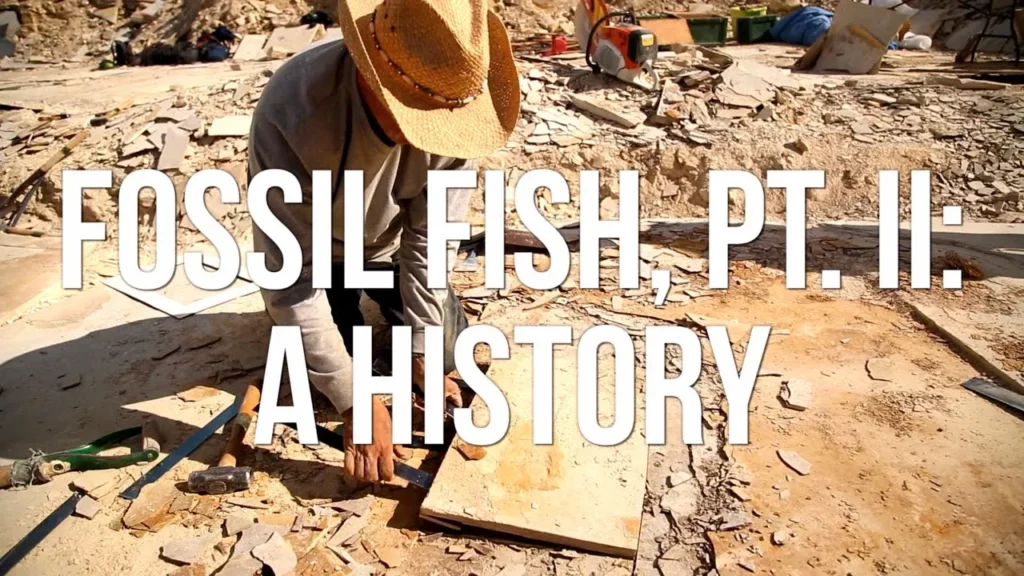
The lesson on “Exploring Fossil Lake” highlights the significance of a unique fossil site in Wyoming that provides a glimpse into Earth’s ancient ecosystems following the mass extinction event 65 million years ago. Researchers, led by Lance Grande, are uncovering a rich array of fossils that represent early Eocene life, revealing insights into climate changes and evolutionary connections among species. The ongoing discoveries at Fossil Lake emphasize the site’s importance in enhancing our understanding of Earth’s biological history and the complexities of evolutionary patterns.
Why Sharks?
This lesson explores the importance of sharks, dispelling common myths that portray them as dangerous predators. It highlights the rarity of shark attacks compared to other everyday risks and emphasizes the significant threats sharks face due to human activities, such as overfishing and pollution. By understanding and appreciating sharks, we can contribute to their conservation and the health of ocean ecosystems.
Fossil Sharks
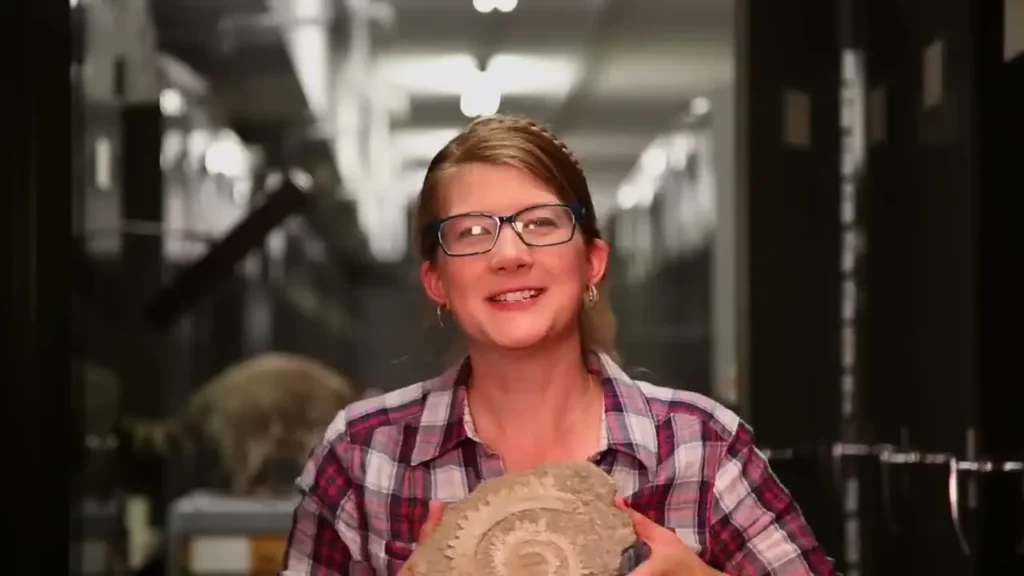
In this lesson, we explored two remarkable ancient sharks: the Megalodon, a colossal predator that lived from 52 million to 2 million years ago, known for its massive teeth and powerful bite, and the Helicoprion, which existed around 270 million years ago and is famous for its unique spiral-shaped teeth. Through fossil studies, scientists have uncovered fascinating insights about these creatures, including the Megalodon’s size and hunting habits, and the ongoing mysteries surrounding the Helicoprion’s feeding mechanisms and evolutionary traits.
Outtakes, Volume 2
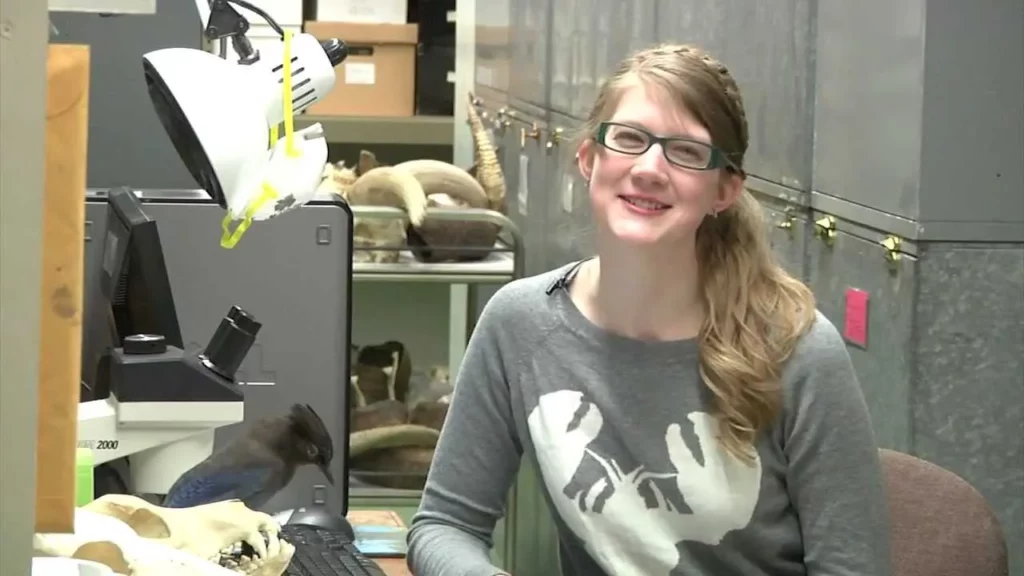
The lesson on “Exploring the World of Animal Collection and Taxidermy” highlights the ethical and legal considerations involved in collecting animal specimens, emphasizing that collectors must obtain special permits to ensure responsible practices. It also touches on the artistic aspect of taxidermy, illustrated by a unique piece showcased at the World Taxidermy Championship, and discusses the relationship between those who work with animal specimens and their views on meat consumption. Overall, the lesson encourages a respectful and curious approach to understanding the intersection of science, art, and ethics in the natural world.
Most of a Bear
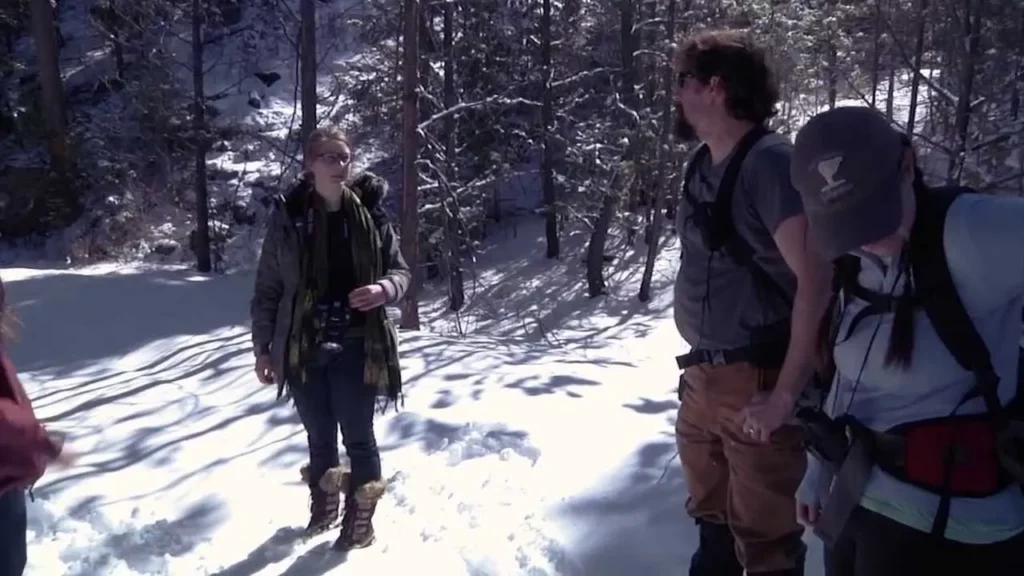
In this lesson, participants embarked on an adventurous quest to locate a bear skeleton in the woods, guided by groundskeeper Adam, who previously discovered a bear skull. Along the way, they observed various aspects of nature, including wildlife and plant adaptations, before successfully finding and cleaning the bear bones, which revealed insights into the animal’s age and health. This experience highlighted the importance of exploration, animal anatomy, and the preservation of natural specimens.
What Fossils Reveal about Today’s Climate Change
The lesson explores the concept of “deep time,” highlighting its significance in understanding Earth’s extensive history and our role within it. Through the lens of the Smithsonian’s Deep Time Hall and insights from experts like Dr. Kirk Johnson and Dr. Scott Wing, the article emphasizes the importance of studying past climate events, such as the Paleocene-Eocene Thermal Maximum, to inform our responses to current environmental challenges. Ultimately, it advocates for a geologic perspective on time, urging individuals to recognize their responsibility in shaping the future of our planet.
The Philip L. Wright Zoological Museum
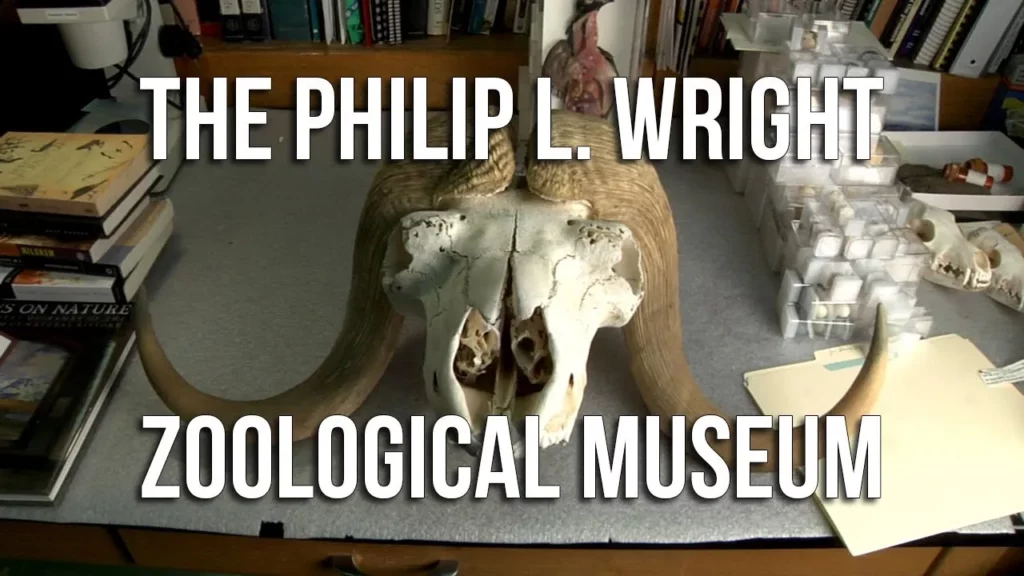
In this lesson, Emily Graslie provides an engaging tour of the University of Montana Zoological Museum, highlighting its extensive collection of around 21,000 specimens, including mammals and birds, which are crucial for scientific research and education. Key areas of the museum, such as the “sheep room,” “cold room,” “bird room,” and preparation lab, showcase the diverse and unique specimens while illustrating the processes involved in their preservation and study. The tour emphasizes the museum’s role in uncovering historical narratives and fostering curiosity about the natural world.
The First Brachiosaurus
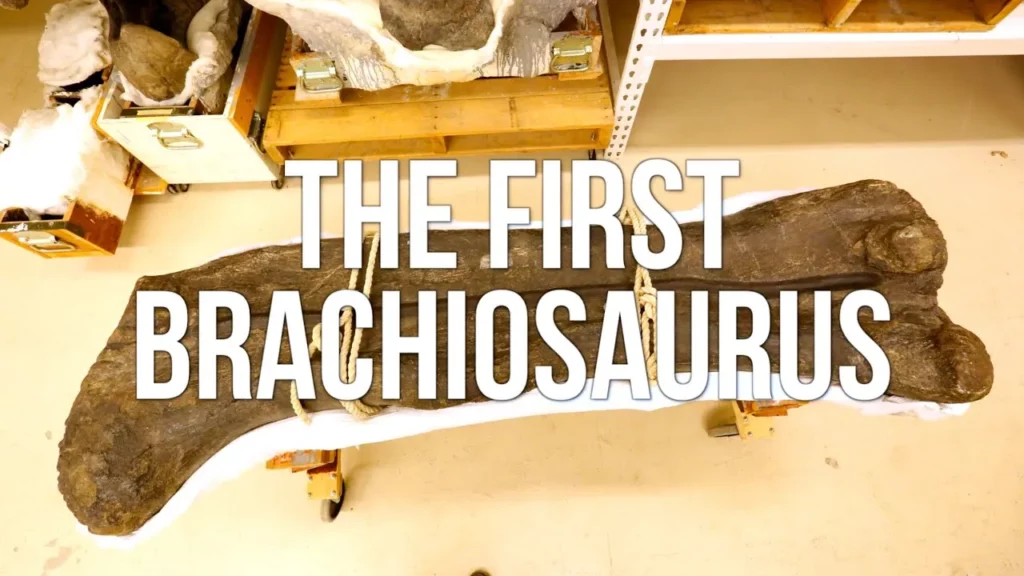
In this lesson, we explore the complexities of paleontology through the concept of holotypes, which serve as definitive examples of species based on physical specimens. Joyce Havstad, the Philosopher in Residence at the Field Museum, highlights the challenges paleontologists face when working with incomplete fossils, using the Brachiosaurus as a case study to illustrate how unique anatomical features can inform our understanding of prehistoric life. The meticulous detective work involved in piecing together partial remains underscores the significance of holotypes in uncovering the diversity and history of life on Earth.
Sooty Birds Share Dirt on Air Pollution [60 Second Specimens]
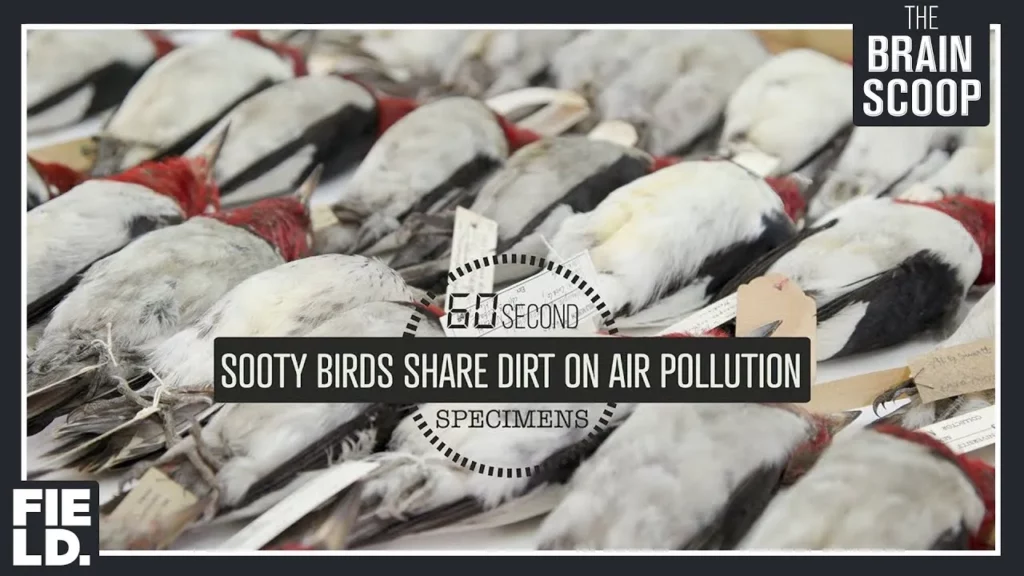
Researchers Shane Dubay and Carl Fuldner from the Field Museum conducted a study using the museum’s bird collection to investigate air pollution trends over the past 135 years. By analyzing carbon particles in the feathers of over a thousand preserved birds, they found a correlation between industrial activities, particularly during the Industrial Revolution, and increased pollution levels, which decreased significantly following the implementation of clean air regulations. This unique approach not only highlights the historical impact of human activity on air quality but also emphasizes the importance of environmental policies in fostering improvements.