
Coyote and Wolf Skinning
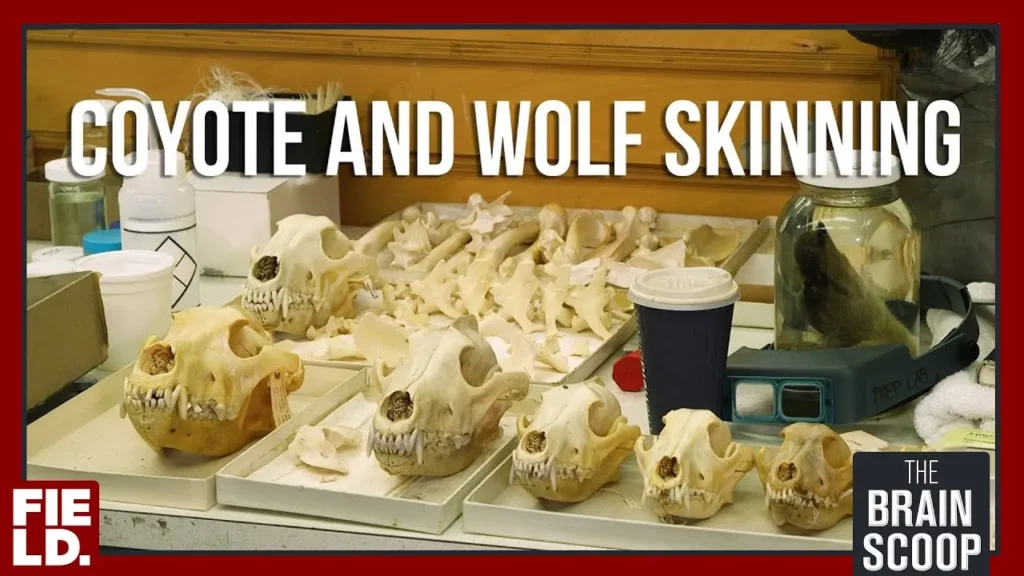
In this lesson, we explored the anatomy of wolves and coyotes through hands-on examination of specimens, guided by experts in taxidermy. The process highlighted the similarities and differences between the two species, while also emphasizing the importance of preserving these specimens for future scientific research. This experience deepened our appreciation for the intricate anatomy of these animals and its relevance to understanding wildlife.
Emily Gets a Valentine
This lesson explores the significance of the heart beyond its symbolic association with love, highlighting its essential role as a vital organ that pumps blood and sustains life. It details the heart’s structure, function, and variations in size and rate among different animals, emphasizing the importance of heart health through proper diet, exercise, and stress management. Ultimately, the lesson encourages a deeper appreciation for the heart as a crucial component of our overall well-being.
The Fossils in the Floor
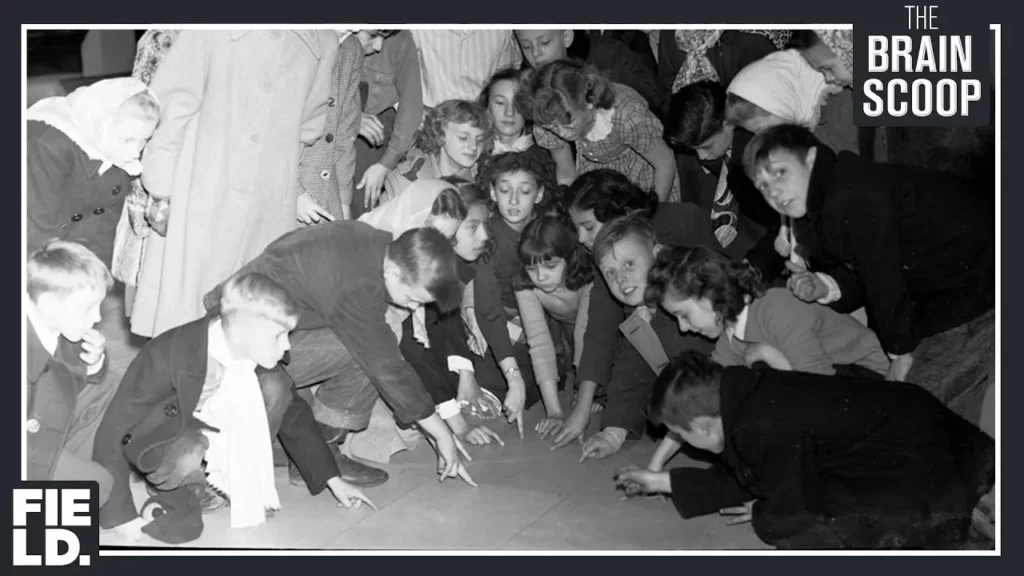
The lesson “Discovering Hidden Treasures at the Museum” reveals the fascinating story behind the limestone floor of the Field Museum, which is embedded with fossils from ancient sea creatures that lived 325 million years ago. These fossils serve as a silent testament to Earth’s history, connecting visitors to the past and inspiring them to explore their own local environments for hidden treasures, such as fossils along the shores of Lake Michigan. Ultimately, the lesson encourages a deeper appreciation for the natural world and the stories it holds beneath our feet.
How To Taxidermy A Squirrel: Part II
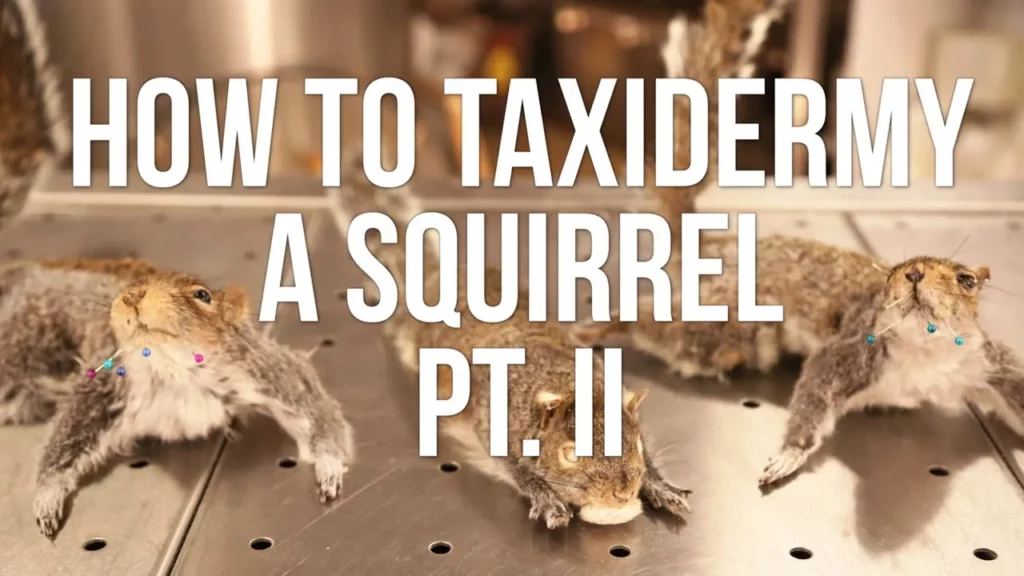
In this lesson, Anna explores the art and science of taxidermy, highlighting different approaches such as study skins, commercial taxidermy, and museum taxidermy. The session emphasizes the importance of capturing lifelike moments, particularly through realistic eye crafting and proper grooming techniques, to create a polished and natural appearance in taxidermied animals. The lesson also encourages support for their Indiegogo campaign, underscoring the significance of community involvement in their educational project.
Project Hyena Diorama: Indiegogo Campaign!
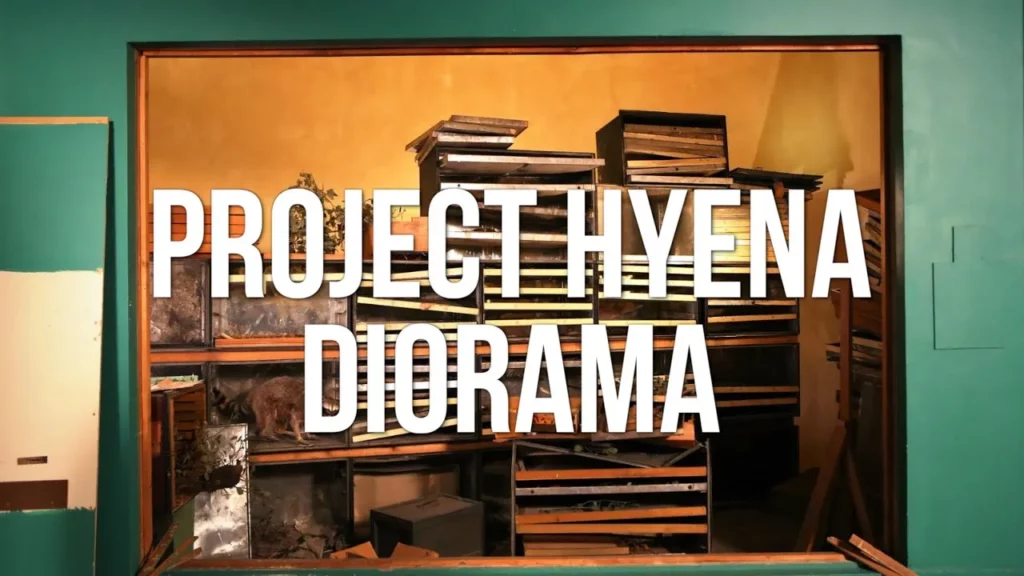
The lesson explores the intriguing story of a missing diorama at the Field Museum in Chicago, which has been absent for 87 years due to funding issues during the Great Depression. With plans to restore the empty space and provide a home for Akeley hyenas, the museum is rallying support for a new project that highlights the importance of dioramas in preserving history and educating future generations about ecosystems and species. The initiative not only aims to revive a piece of the museum’s past but also emphasizes the role of museums in connecting people with nature and the ongoing need for conservation efforts.
Fossil Fish, PT. III: The Preparation
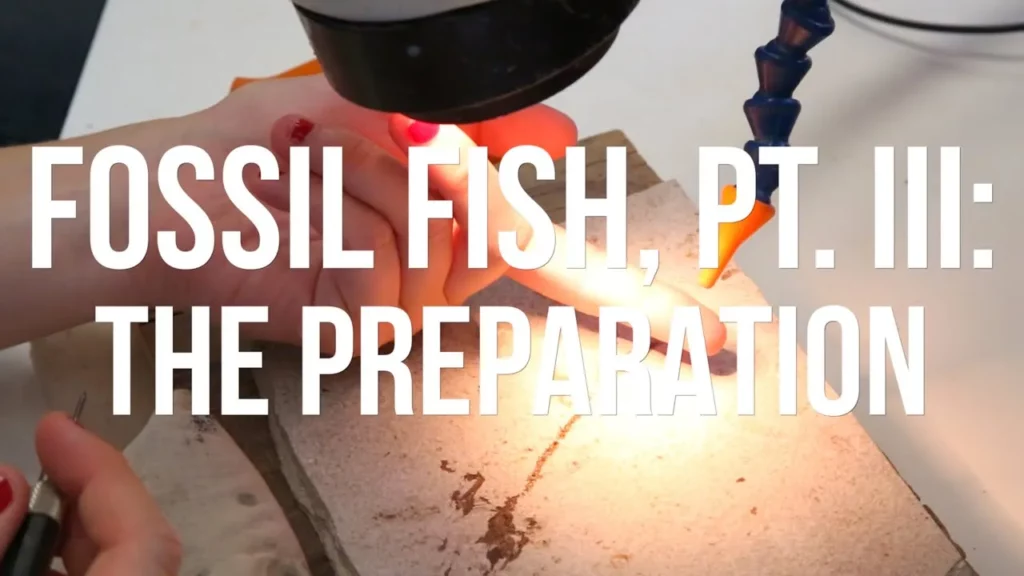
In this lesson, students explore the process of preparing fish fossils at The Field Museum with Akiko, a Fossil Preparator. They learn about essential tools like the pin vice and modern equipment such as the air scribe and air abrasive machine, which help reveal the fossils while preserving their integrity. The hands-on experience emphasizes the dedication and techniques involved in fossil preparation, enhancing appreciation for the ancient specimens displayed in the museum.
A Bear Skull
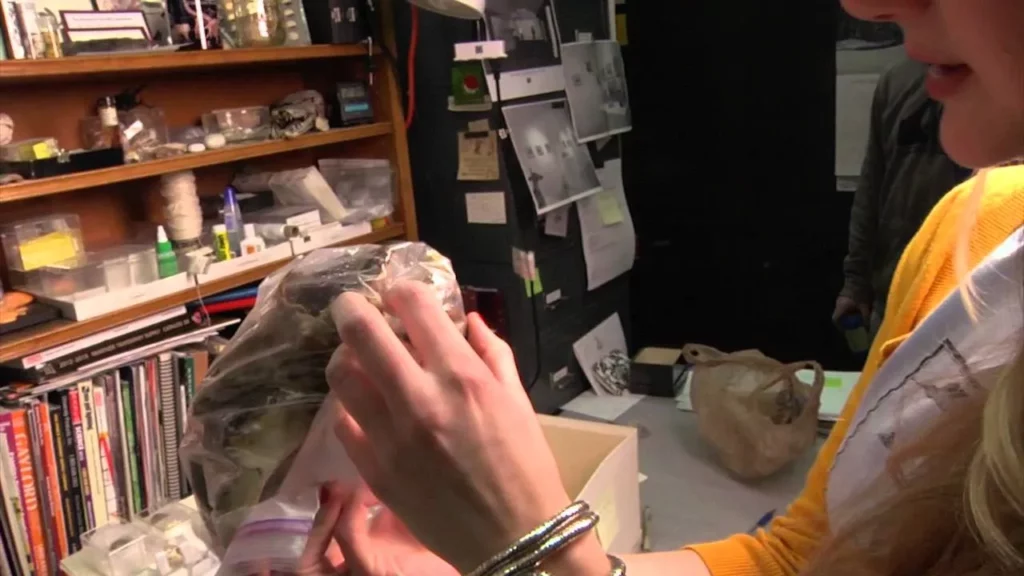
In this lesson, the Brain Scoop team encountered a black bear skull discovered by a university groundskeeper, sparking their curiosity about its age and condition. As they examined the skull, they discussed its significant pathology, signs of old injuries, and the cleaning process required for preservation, while also planning to compare it with a grizzly skull for further insights. This unexpected find not only deepened their understanding of bear biology and history but also provided an engaging story to share with their audience.
New Series Announcement! | Natural News from The Field Museum
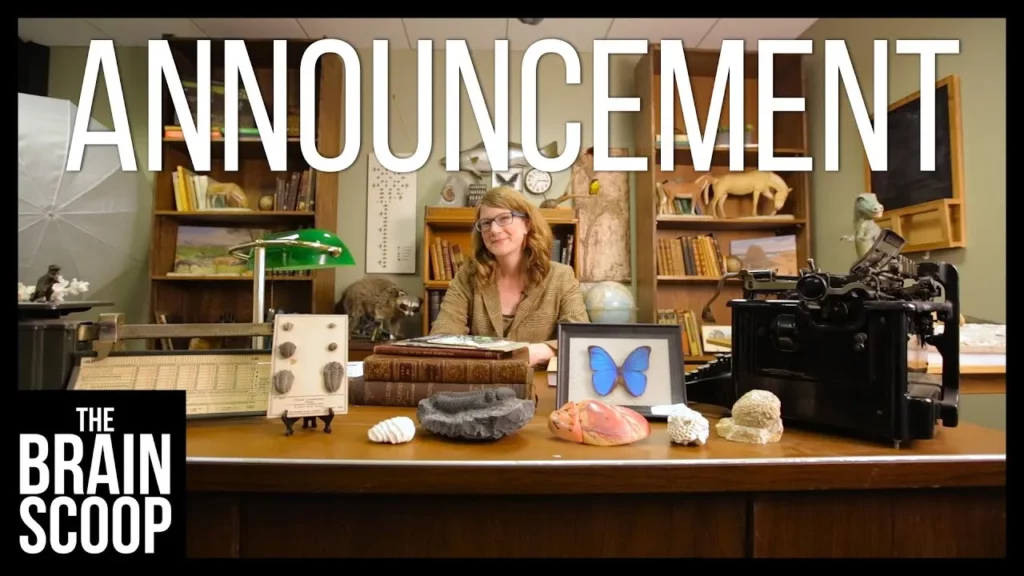
In 2015, scientists at the Field Museum made significant contributions to research, publishing 226 papers and discovering 148 new archaeological sites and 160 new species. They actively shared their findings by distributing over 42,000 specimens globally and engaging 727 visitors in research efforts. To broaden public access to their discoveries, the museum is launching a video series called The Brain Scoop, which will feature updates from their internal newsletter, The Natural News.
Two Bats and a Spider
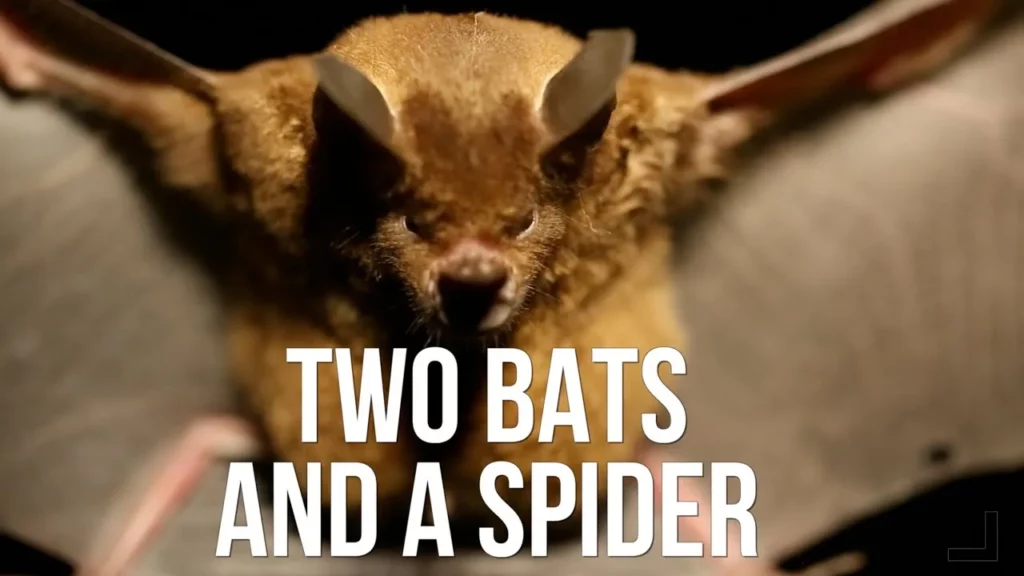
In this lesson, we embark on a nighttime adventure in the forest to explore the fascinating world of bats and a giant tarantula. With the help of a mammalogist, we set up mist nets to catch and learn about different bat species, while also encountering a remarkable bird-eating tarantula, highlighting the incredible wildlife that thrives in the dark and the importance of respecting and understanding these creatures.
Farewell, Montana
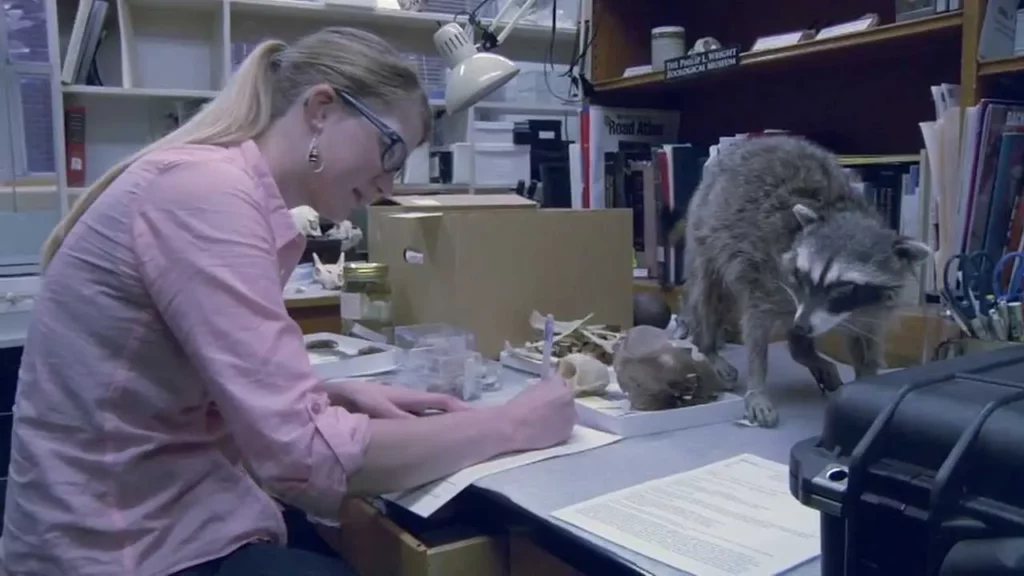
The lesson highlights the author’s exciting new full-time position at the Chicago Field Museum, where they will contribute to the production of *The Brain Scoop* and access a vast collection of specimens. Despite this thrilling opportunity, the author grapples with the challenges of leaving their current institution, where they have invested significant effort and care, particularly regarding the future of the collection and its preservation. Reflecting on their memorable experiences, the author expresses a bittersweet farewell, cherishing the connections made and the impact of their work while looking forward to new beginnings.