
Sucky Fish & Relationship Advice from Ants | Natural News from The Field Museum | Ep. 3
In this episode of Natural News from The Field Museum, we explore recent discoveries in the fish world, including the invasive nature of the suckermouth armored catfish and the ecological risks posed by the ornamental fish trade. We also highlight exciting dinosaur finds in Utah, where researchers uncovered fossils of various dinosaur species, and delve into the dynamics of mutualistic relationships among ants and acacia trees, revealing that mutualists evolve more rapidly than competitive species to maintain their beneficial partnerships.
Going out on a limb for Quetzalcoatlus
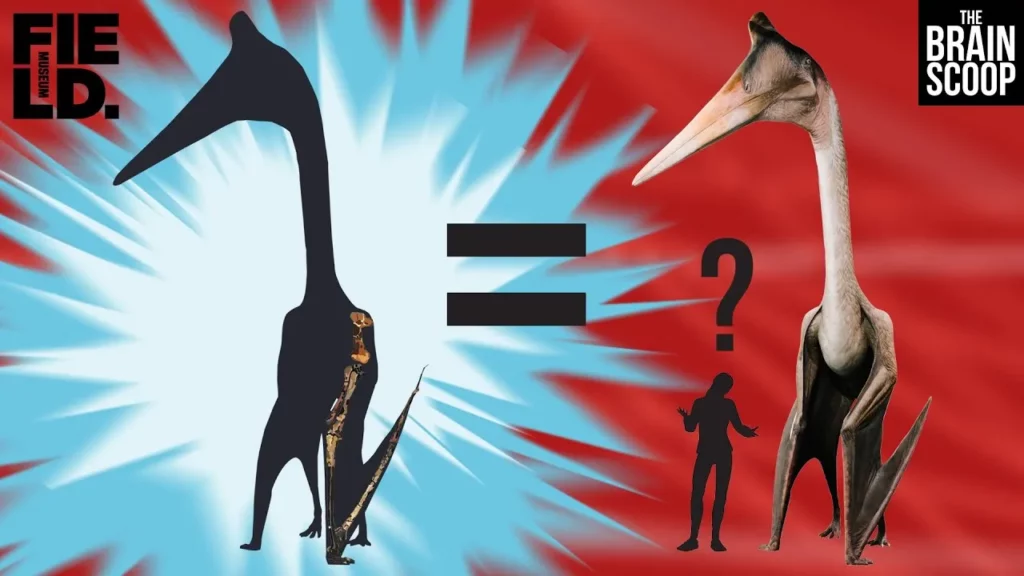
The lesson explores Quetzalcoatlus, the largest flying animal known, highlighting its discovery in the 1970s and the subsequent efforts to reconstruct its appearance using limited fossil evidence. Scientists collaborate with artists to visualize this ancient creature, while ongoing research combines paleontology and aerospace engineering to understand its flight capabilities. The study of Quetzalcoatlus exemplifies the exciting intersection of science and creativity in uncovering the mysteries of prehistoric life.
Can Peace be Purchased?
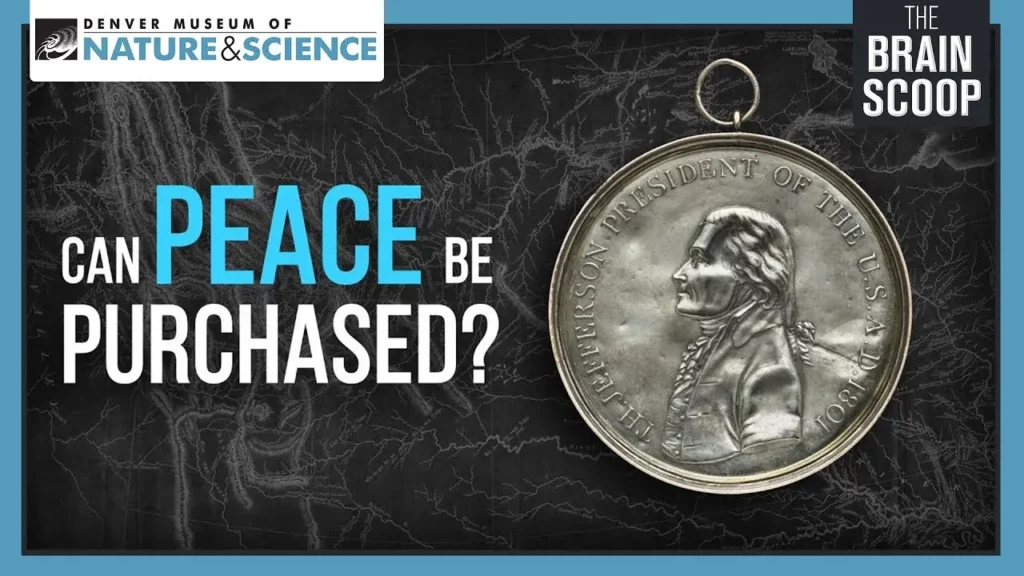
The lesson explores the history and significance of Peace Medals, which were awarded by European and American leaders to Native American tribes from the mid-1700s to the early 1900s as symbols of loyalty and friendship. Through insights from Dr. Steve Nash, the lesson highlights various notable Peace Medals, including those from George Washington and Thomas Jefferson, and discusses their complex meanings in relation to the turbulent interactions between Europeans and Native Americans. Additionally, it addresses the importance of repatriation efforts for these artifacts, emphasizing the need for museums to honor the cultural heritage and historical relationships with Native American tribes.
The world’s smallest artwork is microscopic ✨
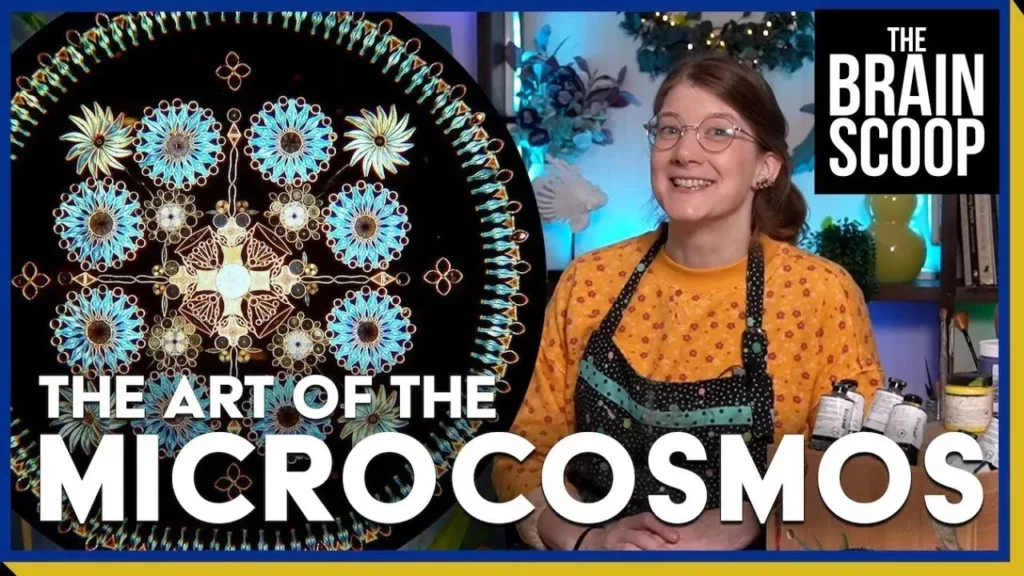
In this lesson, we embark on an exciting journey into the microscopic world, guided by James Weiss from the YouTube channel Journey to the Microcosmos. We explore fascinating creatures like the tardigrade and learn about the history and significance of microscopes, while also discovering exclusive perks available through Patreon and engaging with a vibrant community on Discord. The lesson emphasizes the wonder of microorganisms and their impact on science and art, inviting participants to connect and share their enthusiasm for this tiny universe.
Fossil Myths: Cyclopes, Griffins, & Magic Fairy Bread
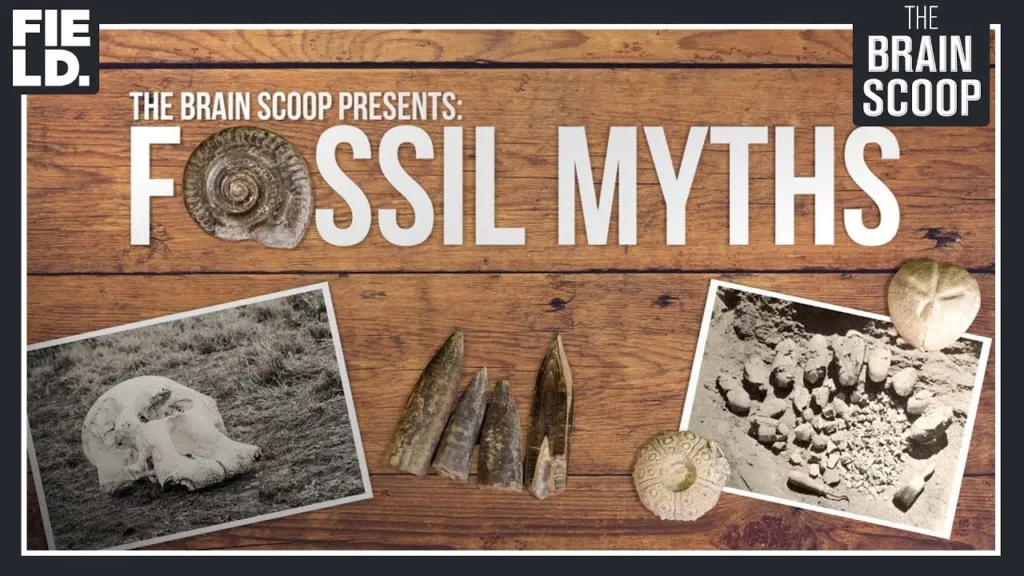
The lesson explores the intersection of fossils and mythology, highlighting how ancient cultures interpreted fossil discoveries through their myths. It discusses key figures like Georges Cuvier, who established the concept of extinction, and examines specific myths such as the griffin and Cyclops, which may have been inspired by fossil findings. The lesson emphasizes how our understanding of fossils has evolved over time, revealing the rich stories and cultural significance they hold.
Ask Emily #4
This lesson covers various fascinating aspects of birds, museums, and the importance of natural history. It highlights how birds possess unique pneumatic bones that aid in flight, the role of museum curators in showcasing collections, and the vital contributions of natural history museums to scientific research and biodiversity. Additionally, it encourages support for museums and offers insights into the intriguing world of frogs, emphasizing that science can be both engaging and accessible.
Painting the Diorama
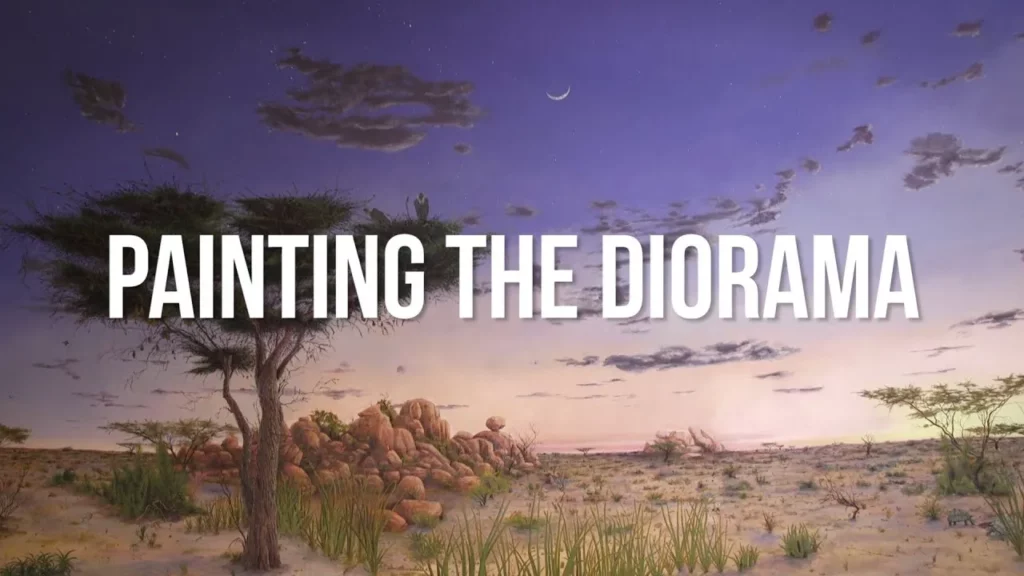
In this lesson, participants are introduced to the intricate process of creating a striped hyena diorama at the Field Museum, led by artist Aaron Delehanty. The project emphasizes historical accuracy by setting the scene in Somaliland on a specific date and time, incorporating detailed elements such as star patterns, local flora, and taxidermy techniques from pioneer Carl Akeley. The collaboration with various experts ensures a realistic representation of the environment and wildlife, showcasing the dedication to preserving both art and science in museum exhibitions.
Investigating the Trees of Amazonia
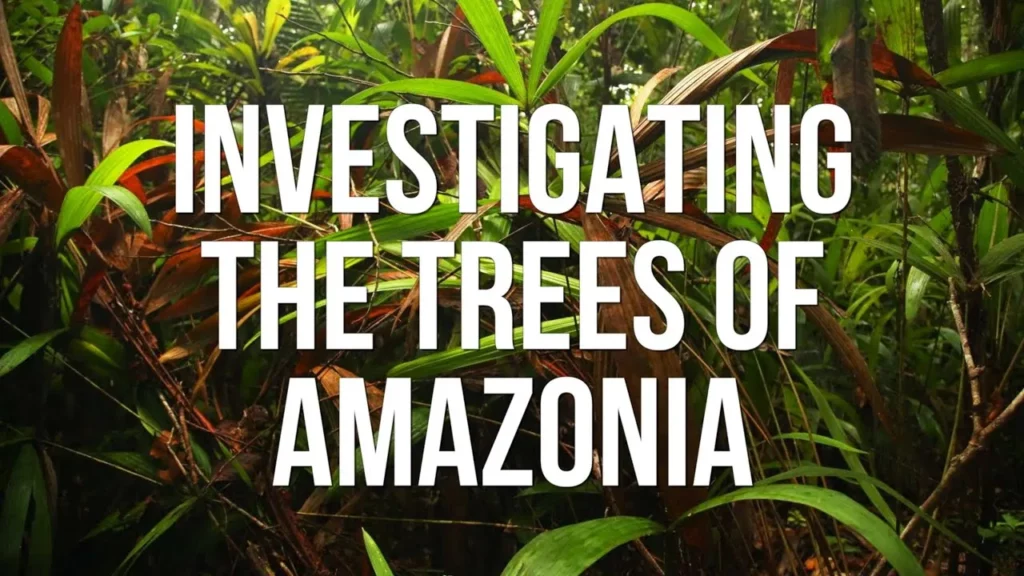
The lesson on “Exploring the Diversity of Tropical Forests” highlights the rich variety of tree species found in these ecosystems, emphasizing the role of unique scents in identifying different species. Despite the challenges posed by nutrient-poor soils, trees have developed remarkable adaptations, such as long-lasting leaves and natural insect repellents, to thrive in their environment. The ongoing mystery of ecological balance in tropical forests, where no single species dominates, continues to intrigue researchers and underscores the complexity of these vibrant ecosystems.
A dead raccoon gave me fleas ????????♀️ || Ask Emily 2023
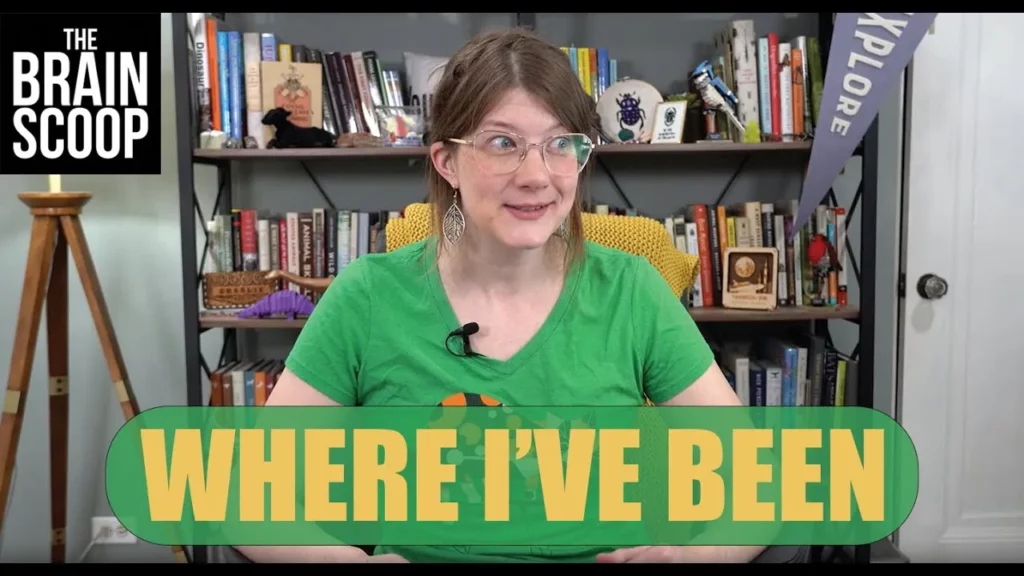
In this lesson, Emily shares her experiences during the pandemic, highlighting her newfound passion for native plants and macro photography, as well as her exciting travels to various natural history sites. She reflects on memorable moments, such as witnessing the Sandhill Crane migration and participating in a fossil dig, while also discussing future projects and the importance of community support for her endeavors. Emily invites her audience to engage with her journey and contribute ideas for upcoming content.
Talkin’ Taxidermy w/ the Bachelor’s Kendall Long! ????

In this lesson, participants explore the intriguing world of owl pellets and taxidermy with special guest Kendall Long. They learn that owl pellets, which contain the indigestible remains of prey, provide valuable insights into the diet and habits of owls, while Kendall shares her passion for taxidermy as an art form that fosters appreciation for wildlife. The hands-on activity of dissecting owl pellets is highlighted as a fun and educational way to engage with nature.