
Get Outside!
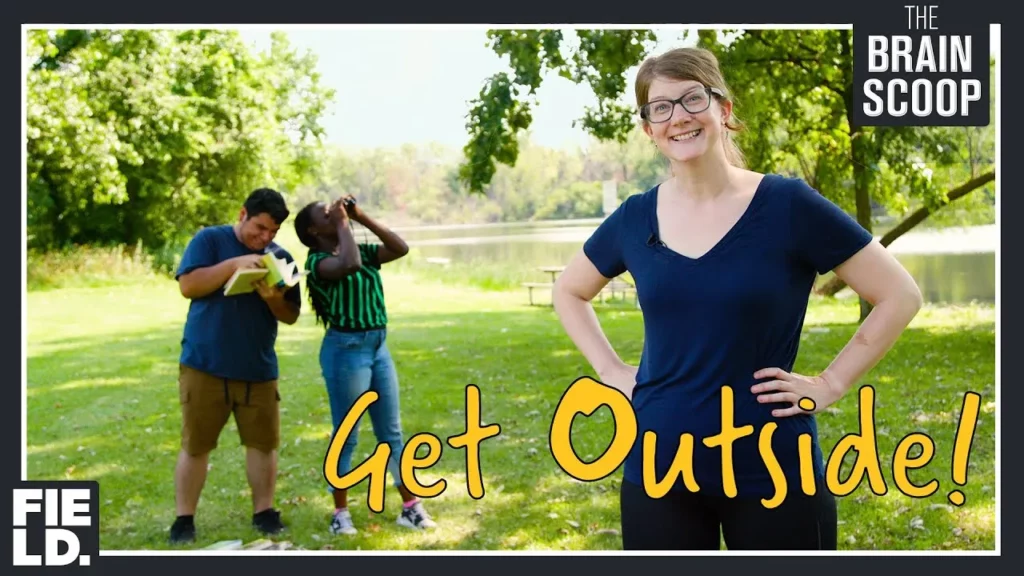
The lesson emphasizes the importance of spending time outdoors to improve health and mood, especially in a world where many young people are glued to screens for hours. It encourages exploring nature in everyday settings, dressing appropriately for various weather conditions, staying safe from insects and plants, and using technology to enhance outdoor experiences. Ultimately, the lesson promotes the idea that enjoying nature is more fun with friends and can be integrated into daily life, regardless of the weather.
What the Function? with Smarter Every Day!
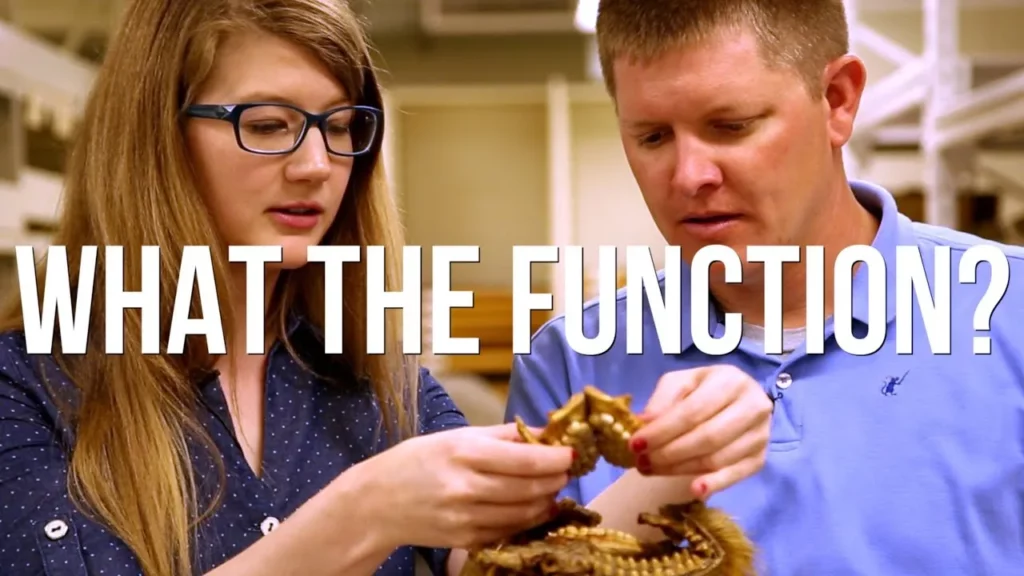
In today’s lesson, titled “What the Function?”, we explored fascinating specimens, including the black drum fish, flying squirrel, and giraffe-proof acacia tree, each showcasing unique adaptations that enhance their survival. The black drum fish features specialized throat teeth for grinding crustaceans, the flying squirrel has adaptations for gliding, and the acacia tree employs a mutualistic relationship with stinging ants to deter giraffes. This engaging session highlighted the incredible diversity of life and the importance of understanding the functions of various biological traits.
How to Protect the Rainforest
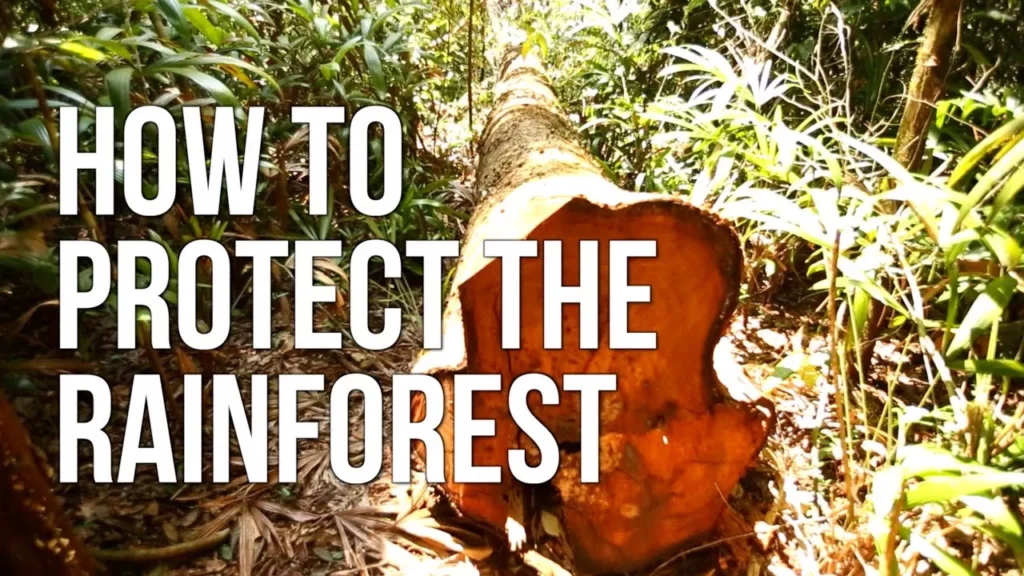
The lesson explores the intricate relationship between the Amazon’s biodiversity and the challenges of conservation amidst global demand for resources. Through the experiences of explorer Corine Vriesendorp and her team, it highlights the importance of collaboration in documenting and preserving the region’s unique ecosystems, while envisioning the creation of ecological corridors to protect these areas. Ultimately, it emphasizes the need to balance human interests with the preservation of the Amazon’s natural wonders for future generations.
Why did King Tut have a flat head?
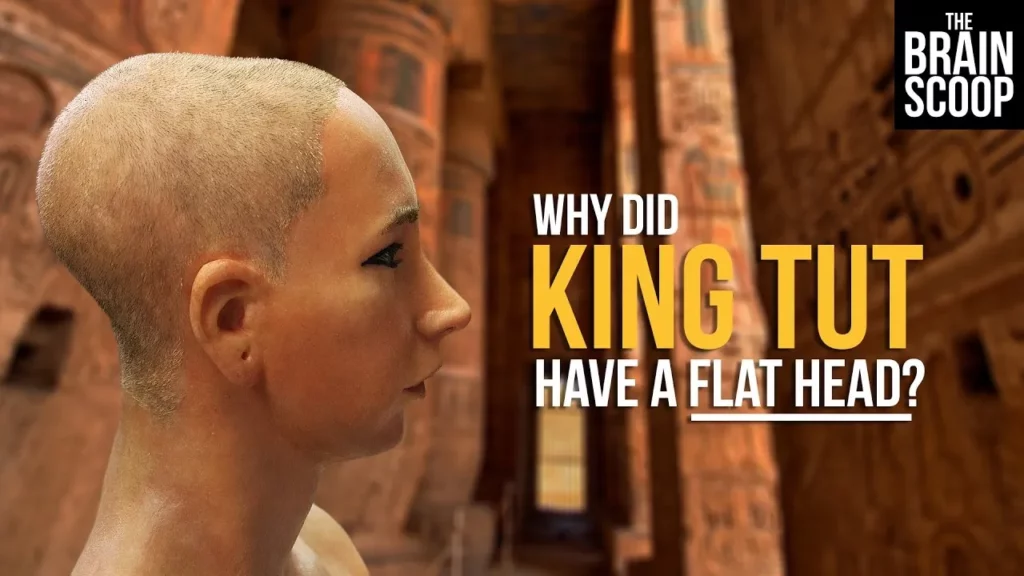
In this lesson, Dr. Robert Martin explores the ancient practice of artificial head binding in Egypt, where newborns’ skulls were intentionally shaped through binding techniques. The flexibility of a baby’s skull allows for this alteration without adverse effects on development, as long as the skull’s volume remains unchanged. The practice is historically linked to figures like King Tutankhamun, and while it was widespread, limited written records suggest it may have been kept secret among elites to preserve its significance.
The Fer-de-Lance
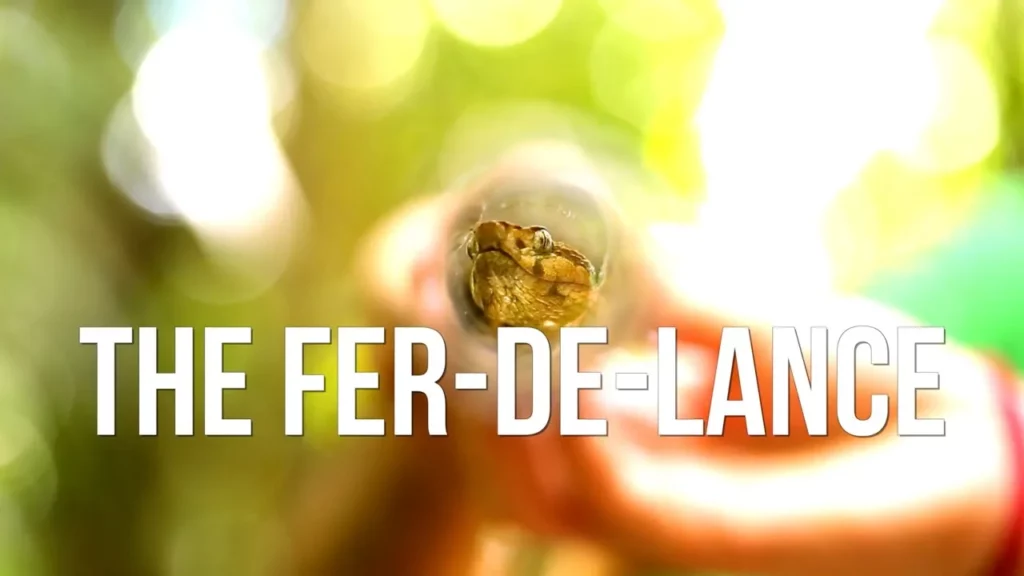
In this lesson, we explored the fer-de-lance snake, a venomous species found in the Amazon rainforest, and learned about the safe techniques experts use to handle such snakes. The fer-de-lance plays a crucial role in controlling rat populations near human communities, highlighting its importance in the ecosystem. Emphasizing safety, the lesson reminds us to respect these creatures and recognize their vital contributions to nature.
Endangered Species: an explainer
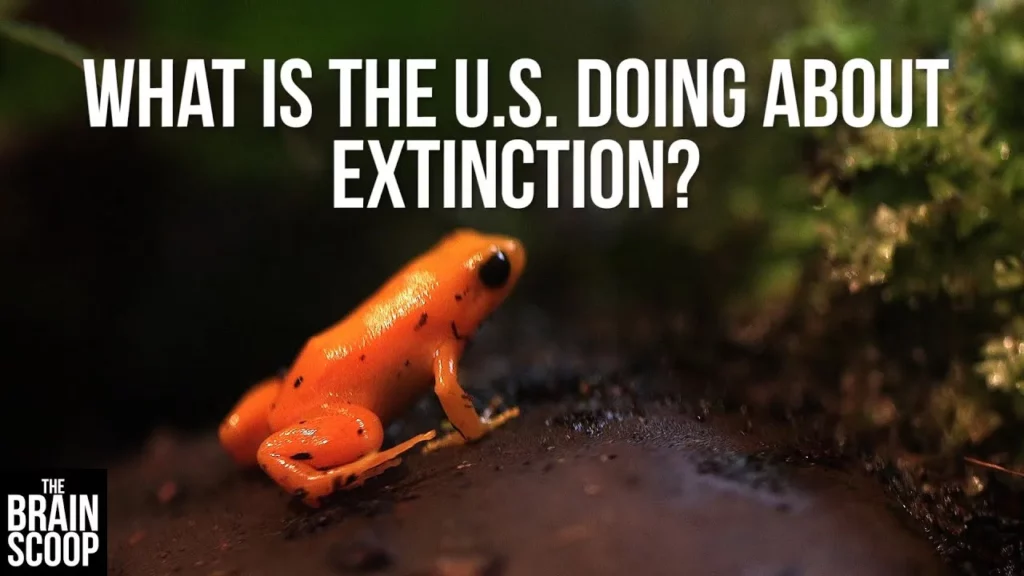
Endangered Species Day, celebrated on May 20th, highlights the importance of protecting species at risk of extinction through the Endangered Species Act (ESA), enacted in 1973. The ESA aims to conserve both animals and plants, with notable success stories like the recovery of the peregrine falcon, while also emphasizing the need for advocacy and proactive conservation efforts to protect lesser-known species and their habitats. Individuals can contribute to conservation by volunteering, educating themselves about local endangered species, and advocating for biodiversity preservation.
In Search of Fossil Fish
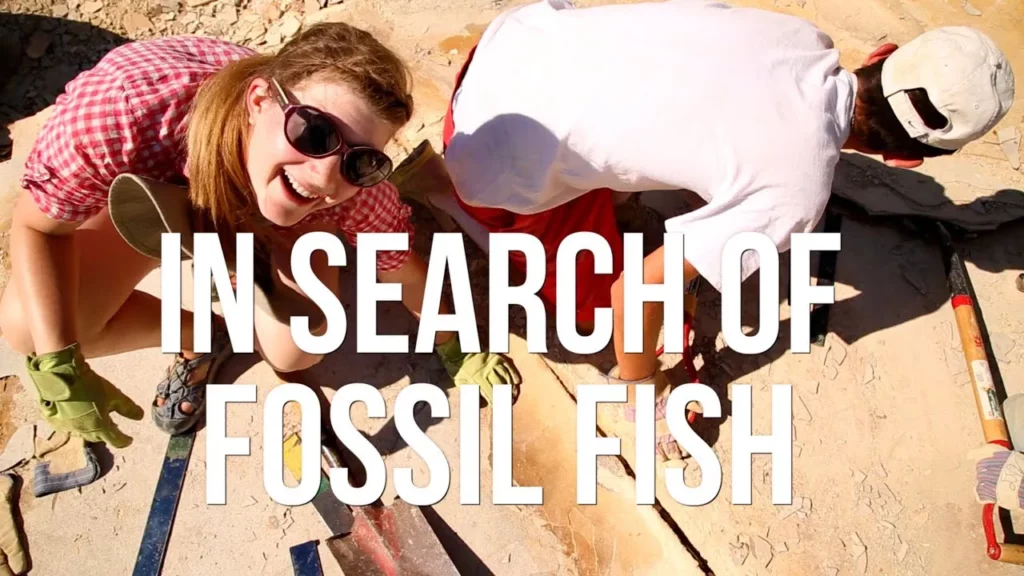
The lesson introduces Fossil Lake, a significant archaeological site that offers insights into life during the early Eocene period, 52 million years ago. Students participate in a fossil-hunting expedition, learning to uncover ancient remains and clues about past ecosystems, such as fossilized poop and plant evidence. Through teamwork and careful excavation, they discover various fossils, contributing to our understanding of prehistoric life and the planet’s history.
Bullet Ant Venom
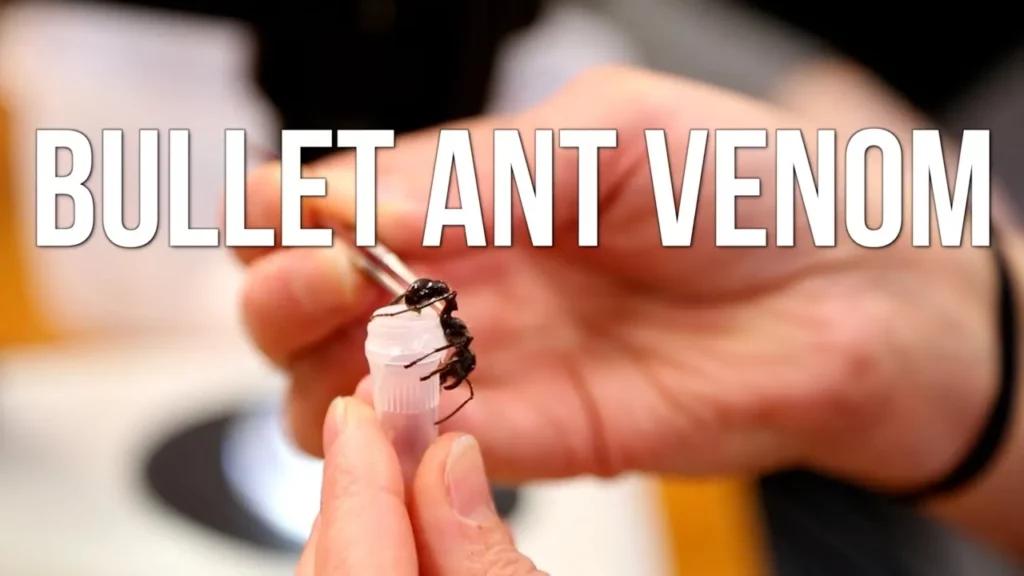
In this lesson, we explored the intriguing world of bullet ants, known for their excruciating sting that resembles being shot. We examined their biology, including their anatomy and venom extraction methods, which involved both live stinging and dissection due to initial challenges in obtaining usable venom. This research not only enhances our understanding of bullet ants but also contributes to broader insights into their venom’s potential applications.
The Origin of Mammal Movement: Harvard Adventures, Part I
The lesson explores how scientists study prehistoric movement by examining fossils and footprints, focusing on the early relative of mammals, Dimetrodon. It highlights the differences in movement and breathing between reptiles and mammals, emphasizing the evolutionary changes in mammal spines and the role of Hox genes in this process. Through ongoing research, paleontologists aim to uncover the evolutionary history of mammal movement and breathing efficiency.
Where Do Animals Get Their “Street Names”? | Ask Emily
The lesson on exploring the Antler Room at the Field Museum highlights the diverse specimens and stories found within, emphasizing the importance of museums in fostering curiosity and understanding of the natural world. It encourages young scientists to pursue their interests, explains the significance of scientific naming, and offers guidance on conducting research through museum resources. Overall, the lesson inspires exploration and appreciation for the complexities of life and history.