
Siats meekerorum
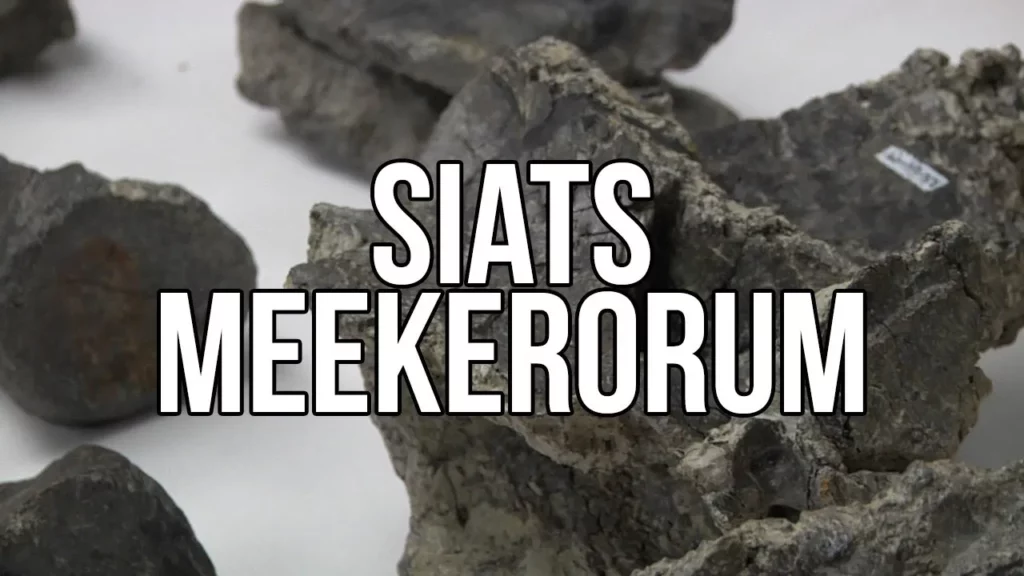
In this lesson, we explore the discovery of a new meat-eating dinosaur, *Siats meekerorum*, led by paleontologist Pete Makovicky. The lesson highlights how scientists identify new species from fossil remains, focusing on the unique features of *Siats*, such as its vertebrae structure and adaptations for a carnivorous lifestyle, despite the incomplete skeleton. The process of excavation, preparation, and classification of fossils is also discussed, emphasizing the excitement and challenges of discovering new dinosaur species.
The MAGNETO SNAIL! (and other marine gastropods)
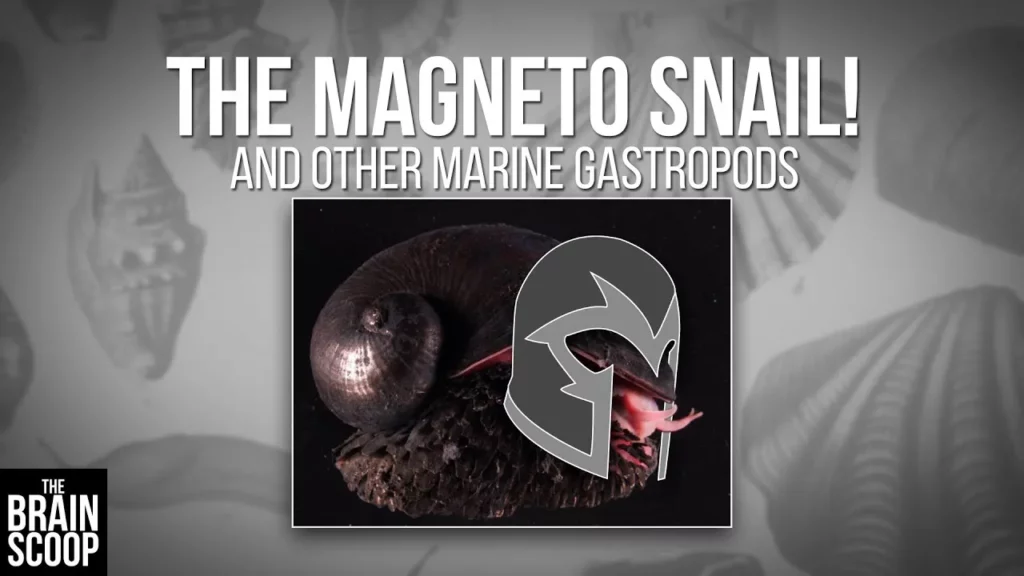
The lesson explores the diverse and fascinating world of snails, highlighting their classification as gastropods and their ability to thrive in various environments, from trees to the deep ocean. It introduces unique species such as the scaly-footed snail, which possesses magnetic properties, and the predatory cone snail, showcasing the complexity and adaptability of these creatures. Overall, the lesson emphasizes that snails are much more than simple organisms, with many intriguing behaviors and characteristics still to be uncovered.
I’m Making a TV Show!!

In this lesson, the speaker shares exciting news about their upcoming three-part TV series on paleontology, nature, and history, produced in collaboration with PBS and WTTW in Chicago. The series will explore the rich geological history of the northern plains, featuring discoveries made during a recent scouting trip, including fossils and the K-T boundary, while also highlighting the personal connection to the speaker’s childhood experiences in South Dakota. As filming approaches, the speaker invites the audience to follow their journey on social media for updates and behind-the-scenes content.
How Birds inspire Builders
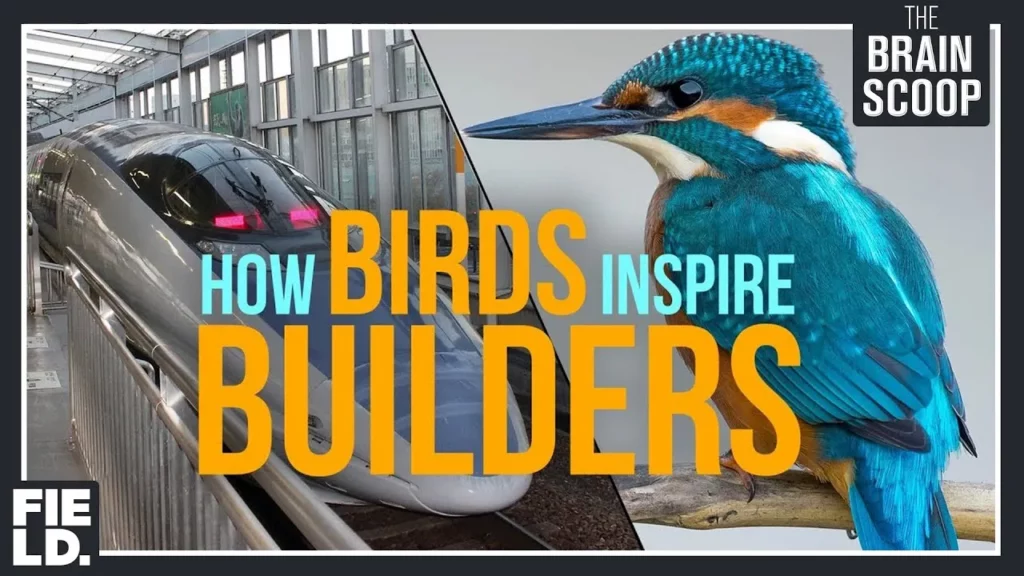
The lesson “Birds: Nature’s Ingenious Engineers” explores how the unique adaptations of birds can inspire innovative solutions to human challenges through biomimicry. By examining various bird species and their specialized features, researchers and engineers have developed designs, such as the kingfisher-inspired bullet train nose and woodpecker-inspired football collars, that address specific problems in transportation and safety. This study highlights the importance of understanding biodiversity and the potential for nature to inform sustainable engineering practices.
Mummy Brains
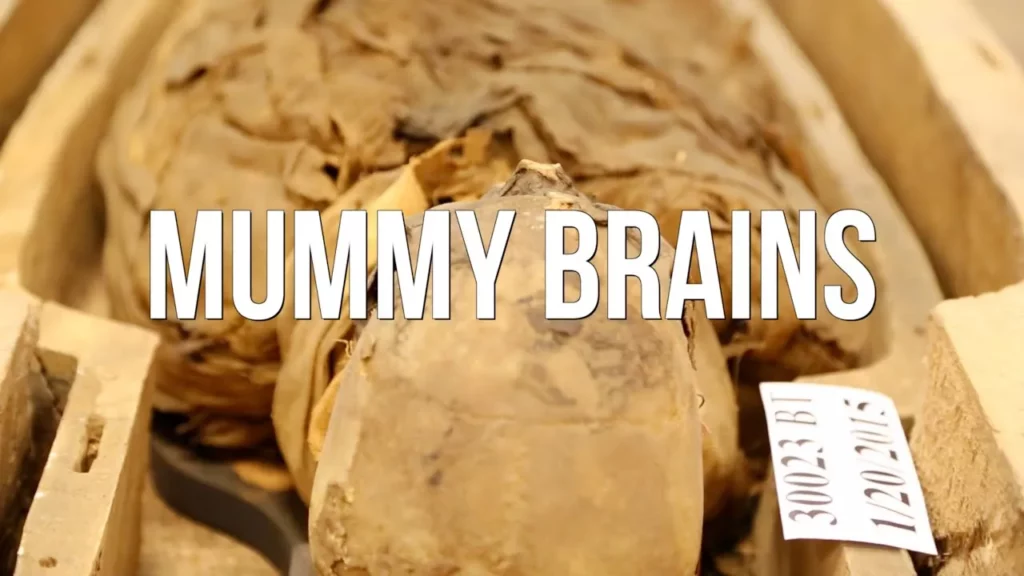
In this lesson, we explore the ancient Egyptian mummification practices through the case of Pen Ptah, a male mummy from the 25th dynasty. Led by conservator JP Brown, the discussion highlights the evolution of mummification techniques, the elite nature of the practice, and recent discoveries made during the examination of Pen Ptah’s mummy, including the unexpected presence of his brain and evidence of decomposition prior to mummification. These findings contribute to our understanding of ancient Egyptian burial customs and the complexities surrounding the preservation of the dead.
Sex Lives of Peregrine Falcons & Time Travel Discoveries | Ep. 2
In this episode of Natural News from the Field Museum, viewers learn about the fidelity of Peregrine Falcons in urban environments, revealing that city-dwelling falcons maintain the same loyalty to their partners as their rural counterparts. The episode also explores the evolutionary significance of mouse lemurs in Madagascar, highlighting how natural climate changes shaped their populations, and delves into the study of meteorites to uncover insights about the origins of our Solar System. The episode concludes with a thank you to viewers and an invitation to subscribe for future updates.
Just to Tide You Over
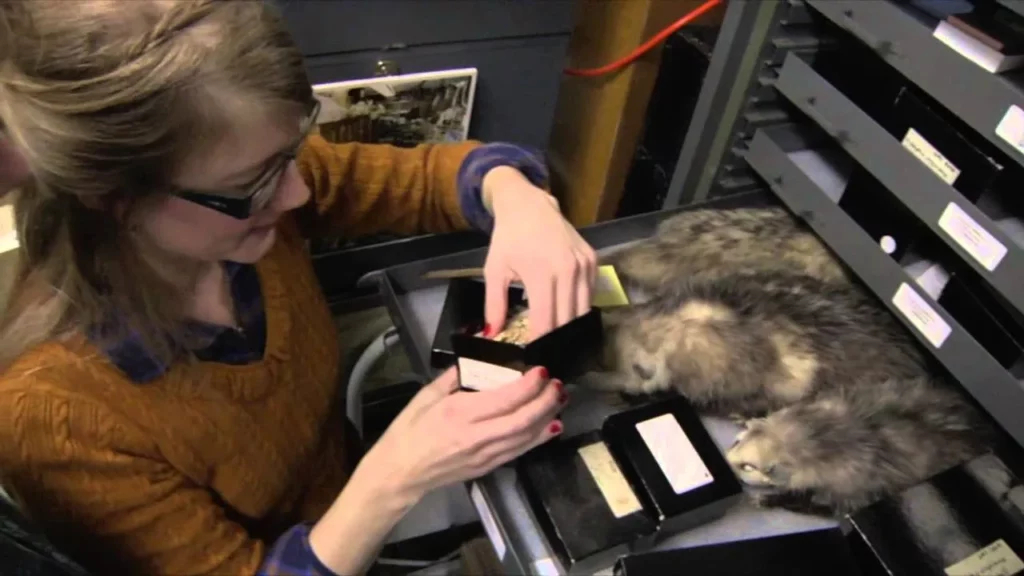
In the lesson “Discovering the Wonders of Animals,” students explore the unique characteristics of various animals, such as bats with their large ears that enhance their hearing, and echidnas, which are primitive mammals known for their strong digging claws and toothless mouths. The lesson also highlights the fascinating features of possums and kangaroos, encouraging students to engage with the material through a guessing game and emphasizing the excitement of learning about the diverse wonders of the animal kingdom.
Hungry Like The Wolf

In this lesson, Emily from the Brain Scoop takes us on an exploration of a wolf’s stomach contents, revealing the fascinating details of its diet. By examining the partially digested remains, including fur, bones, and other materials, we learn about the wolf’s eating habits and its role in the ecosystem, particularly its consumption of deer. This investigation highlights the importance of understanding wildlife diets for insights into their survival and behavior in the wild.
An Electric Eel and a Caiman
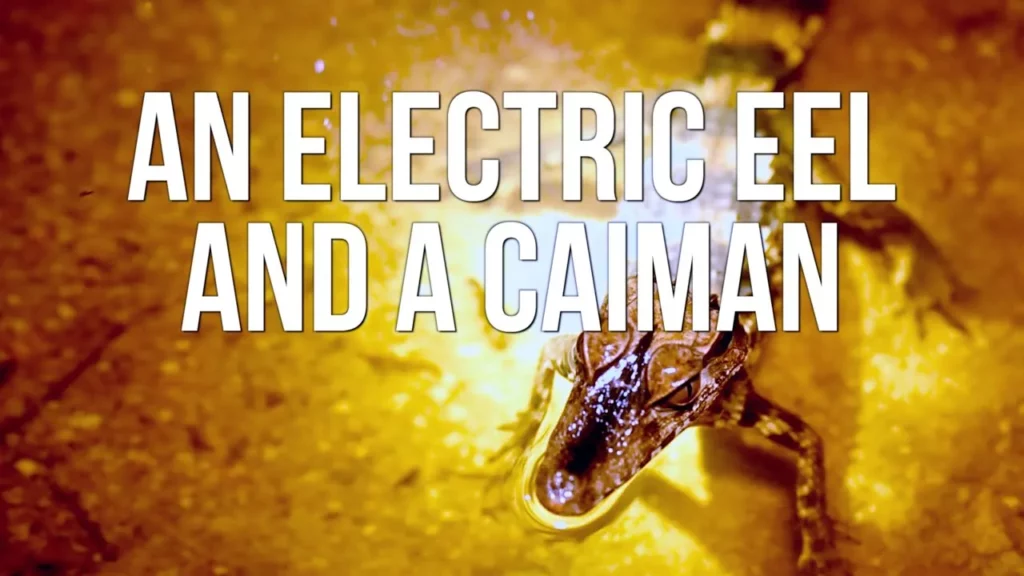
In this lesson, we join ichthyologists Maria and Isabel on an exciting fishing adventure, where we learn about the importance of camouflage in fish and encounter fascinating creatures like a large eel and a Pygmy Dwarf Caiman. The experience highlights the roles of scientists in studying and protecting aquatic life, emphasizing the wonders of nature and the surprises that await us in ecosystems like streams and rivers. Ultimately, the lesson encourages curiosity and appreciation for the diverse life forms that inhabit our natural world.
Discussing the Wolf
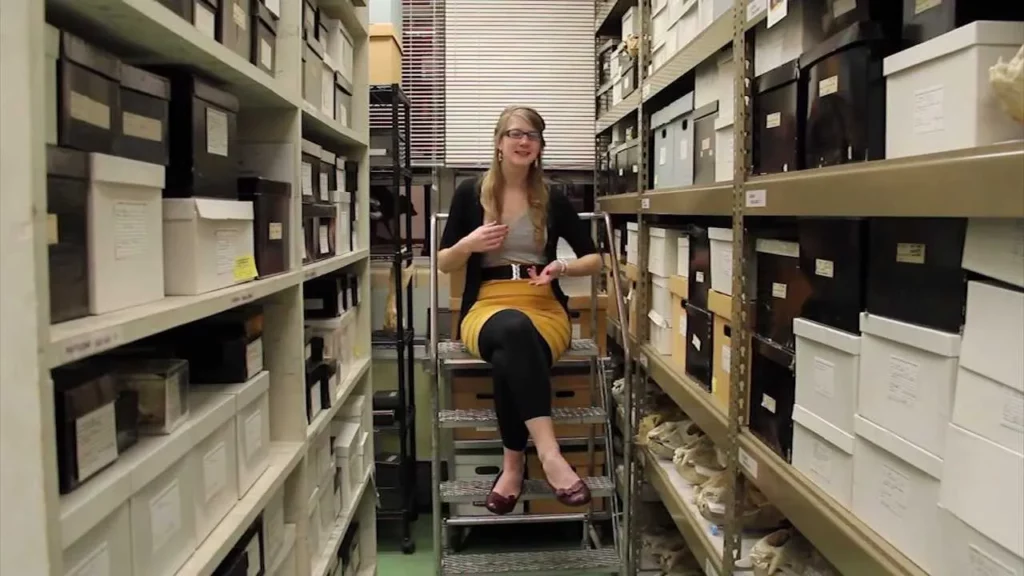
In this lesson, we explored the intricate process of skinning a wolf, which took approximately seven hours, highlighting the care taken to avoid unpleasant odors and the safe disposal of leftover animal parts. The next steps involve sending the wolf hide for professional tanning to transform it into durable leather, while addressing concerns about age restrictions on educational content shared in the video. The aim is to provide insight into unique experiences at natural history museums and zoological collections, making such knowledge accessible to all.