
Banding Baby Dinosaurs
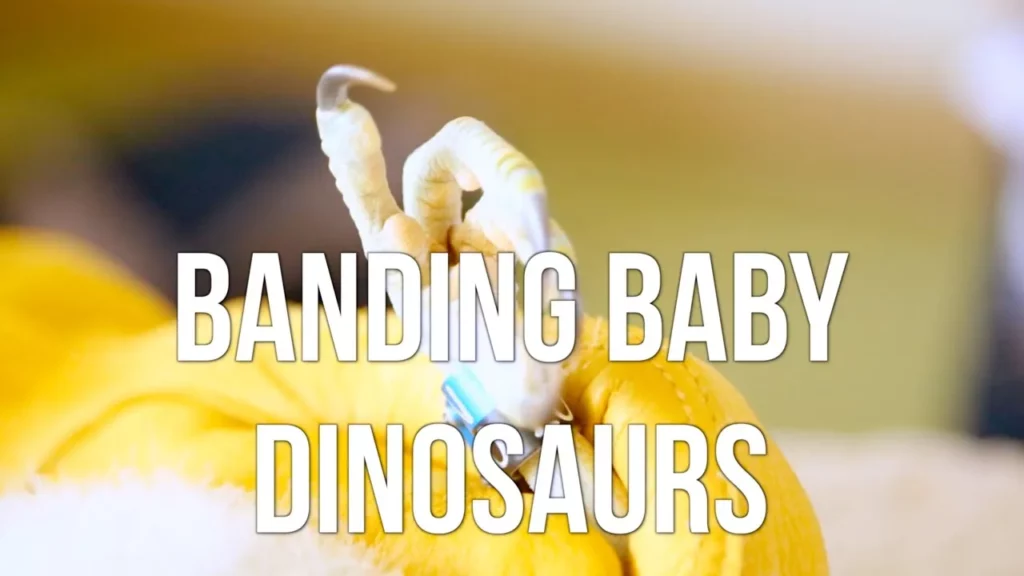
In this lesson, we explored the fascinating world of Peregrine falcons through the insights of Josh Engel, a research assistant involved in their conservation. The lesson covered the banding process, the challenges young falcons face during their first year, and their remarkable adaptability to both natural and urban environments, highlighting their status as the fastest animals on Earth. Overall, the discussion emphasized the importance of research and conservation efforts in understanding and protecting these incredible birds.
Updates!
In this lesson, The Brain Scoop shares exciting updates, including the release of a new episode tomorrow and plans for longer, more detailed videos based on viewer feedback. They are also considering launching a podcast to explore science stories from the Field Museum and are introducing a newsletter to keep their audience informed about upcoming content and developments.
Hotline Edition | Ask Emily

In today’s lesson, we explored the fascinating resources available at the library, including rare books that provide unique historical insights and the importance of diversity in STEM fields. We also discussed engaging topics such as insect collection, misleading animal names, and the diverse world of cichlids, encouraging everyone to keep exploring and asking questions.
Interview with SUE! | Ask Emily
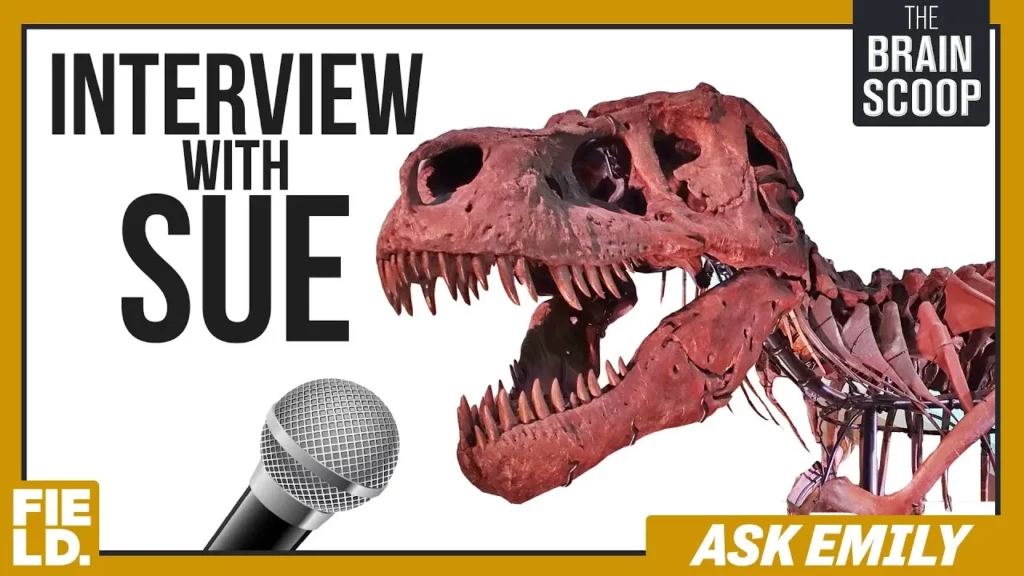
In this engaging Q&A session, we explored various aspects of museums and natural history, addressing questions about how museums acquire artifacts, updates on Sue the T-Rex, and the methods scientists use to determine dinosaur ages. We also discussed the importance of museums in studying insect population declines, ways to support these institutions, and maintaining a positive outlook on nature despite environmental challenges. Overall, the session highlighted the dynamic relationship between museums and the public, encouraging curiosity and involvement in natural history.
Chicago Adventure, Part Three: Little Skeletons
The lesson explores the Chicago Field Museum, highlighting its extensive collection of natural specimens and the meticulous processes involved in cataloging them, such as numbering bones for research. It also delves into the unique adaptations of marine mammals, particularly the crabeater seal, which has specialized teeth for filtering krill, illustrating the interconnectedness of marine ecosystems. Overall, the museum serves as a gateway to understanding the diversity and complexity of life on Earth.
Ask Emily #10
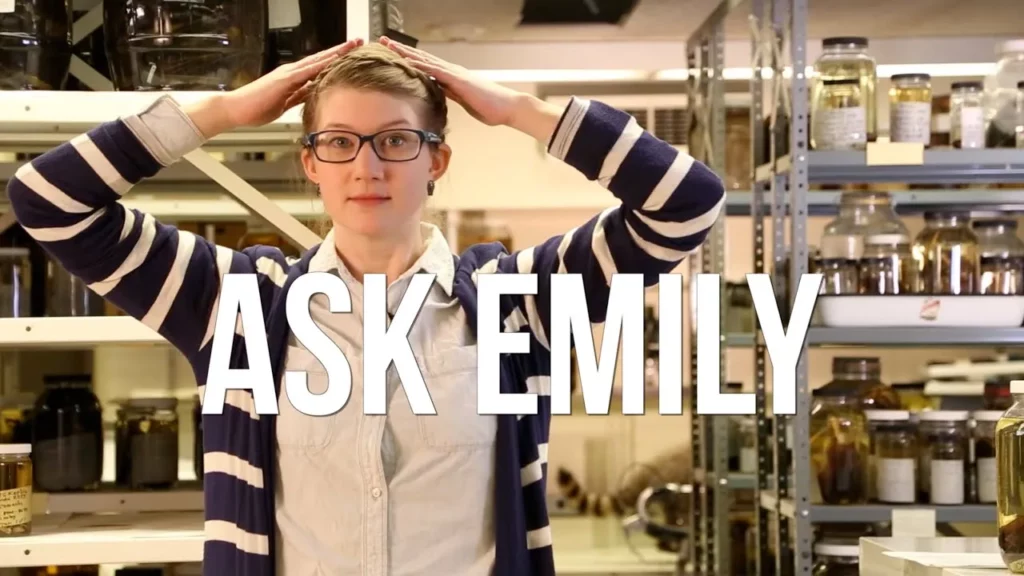
In this lesson, the speaker reflects on their recent trip to Peru and emphasizes the importance of curiosity and creativity in science, especially for young people. They discuss the ongoing efforts to discover new species, the significance of obtaining permissions for specimen collection, and the challenges museums face in effectively communicating scientific work. The lesson concludes with a call to action for exciting future discoveries and content from the Field Museum.
Plants in Space? | Ask Emily

In this lesson, we explored the fascinating intersection of science and museums, highlighting the resilience of organisms like lichens in extreme environments and the hidden treasures within museum collections that support scientific research. We also discussed the importance of storytelling in art and science, the ongoing journey of scientific discovery, and the vital role of natural history museums in preserving knowledge for future generations. Ultimately, the lesson emphasizes that the pursuit of knowledge is an endless adventure filled with opportunities for exploration and discovery.
Getting the Wolf
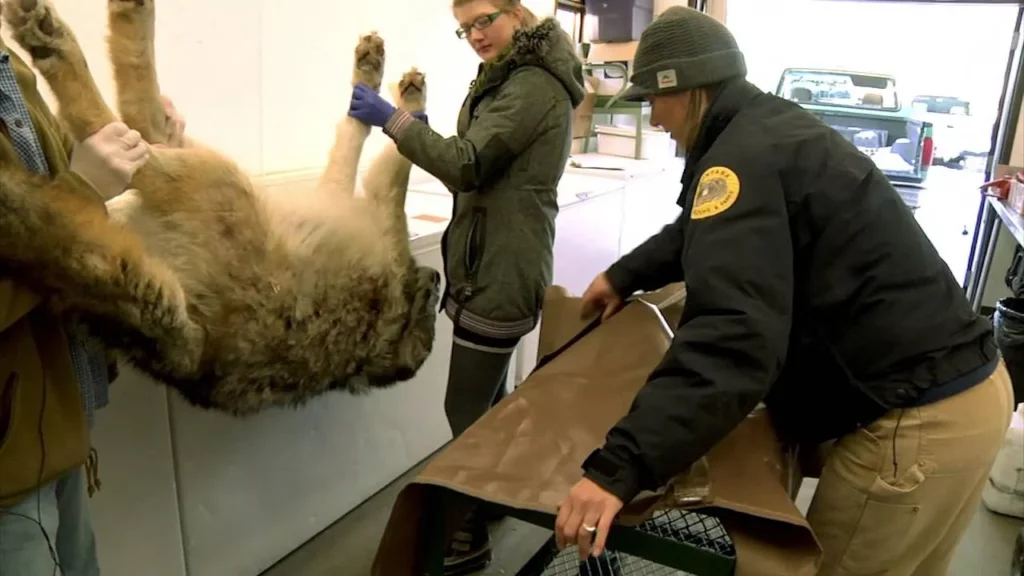
In this lesson, Emily Graslie shares her experience retrieving a large male grey wolf specimen that was hit by a car, emphasizing the importance of specimen collection for wildlife understanding and conservation. Alongside her volunteer, James, she outlines the process of preparing the wolf’s hide and skeleton, while also reflecting on the unexpected adventures that come with their work. The lesson highlights the educational value of studying such specimens to gain insights into wildlife health and ecosystems.
In Search of Night Life
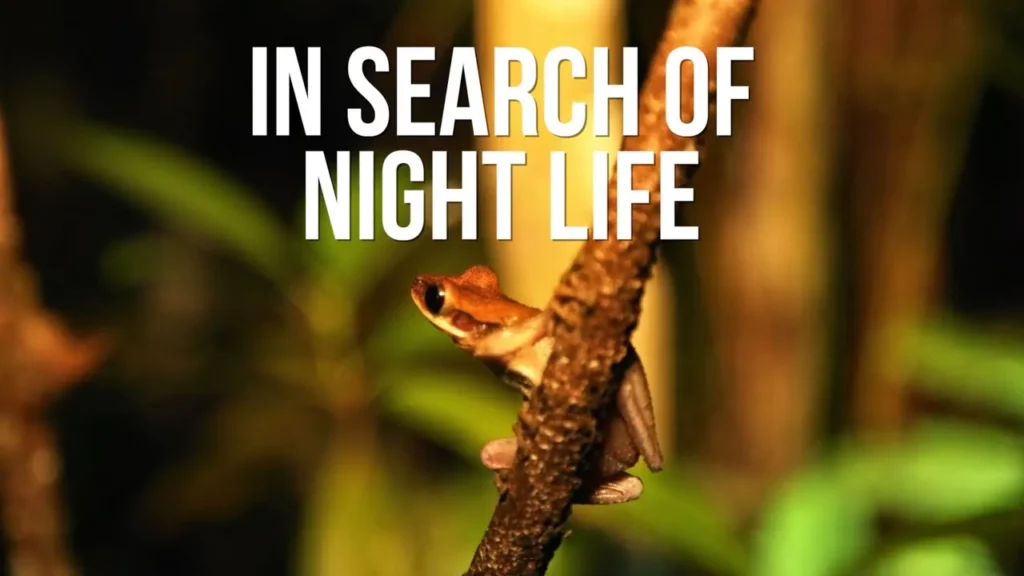
In the lesson “Exploring the Night: A Herp Team Adventure,” students join a herp team on a nighttime expedition to discover various fascinating creatures such as the Anolis lizard, spiny-backed tree frog, stink bugs, and a whip snake. Through their encounters, the team learns about the unique adaptations and behaviors of these animals, emphasizing the importance of caution when interacting with wildlife. The adventure highlights the wonders of nature and the valuable lessons it offers about biodiversity and safety.
2 Extinctions, 1 New Species, and… chess?| Natural News from The Field Museum | Ep. 5
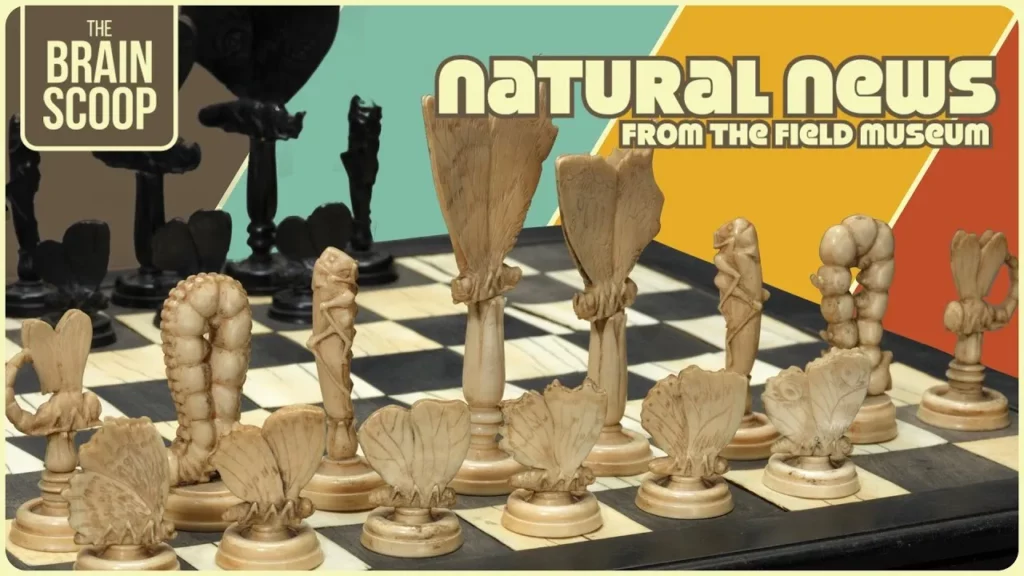
In this lesson from Natural News, we explore various intriguing stories from the realms of science and nature, including the extinction of two beetle species due to human impact and climate change, and an exhibit at the World Chess Hall of Fame that showcases chess sets inspired by natural materials. Additionally, we delve into biodiversity research in Uganda and Vietnam, highlighting the discovery of a new mushroom species in Chicago, emphasizing the importance of conservation and the interconnectedness of art and nature.