
Why is Lake Michigan so Blue? | Ask Emily
In 2018, The Brain Scoop is set for an exciting year filled with travel to research institutions and museums, international adventures, and new educational initiatives supported by National Science Foundation grants. The launch of a podcast and live-streamed dissections at the Grainger Science Hub are also on the agenda, alongside celebrations for the Field Museum’s 125th anniversary. Additionally, the lesson emphasizes the importance of engaging children with the natural world and highlights pressing environmental challenges in the Great Lakes, while also reflecting on the role of entertainment media in science communication.
Restoring Habitats with Magic Beans

In this lesson, Robb, the Calumet outreach coordinator, shares his journey from performance poetry to conservation, highlighting his efforts in habitat restoration and the quest to revive the rare Kankakee mallow. Through innovative techniques like controlled burns to manage invasive species, Robb emphasizes the importance of human intervention in restoring ecosystems while encouraging aspiring conservationists to engage in protecting local flora and fauna. His message underscores that anyone can contribute to conservation efforts, making a meaningful impact in preserving unique species and their habitats.
Insect Adventure, Part Two
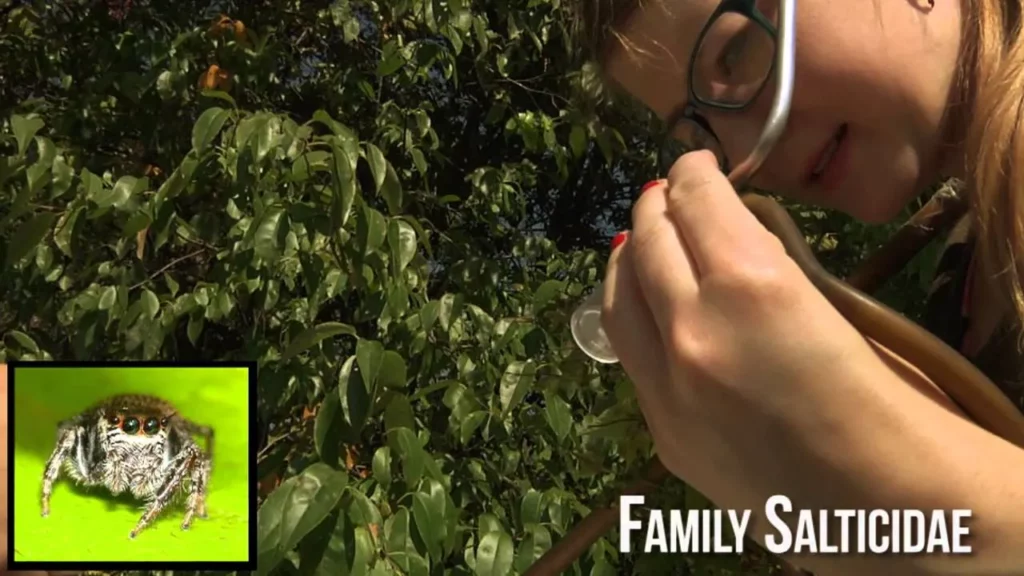
In today’s lesson, students embarked on an exciting adventure to explore the world of insects using various tools like traps, nets, and pooters. They learned how to set up simple insect traps to discover local species and used nets to gently catch insects while observing their habitats and behaviors. This hands-on experience not only fosters curiosity about entomology but also encourages students to conduct their own insect explorations in their backyards or schools.
How to Cut a Trail in Amazonia
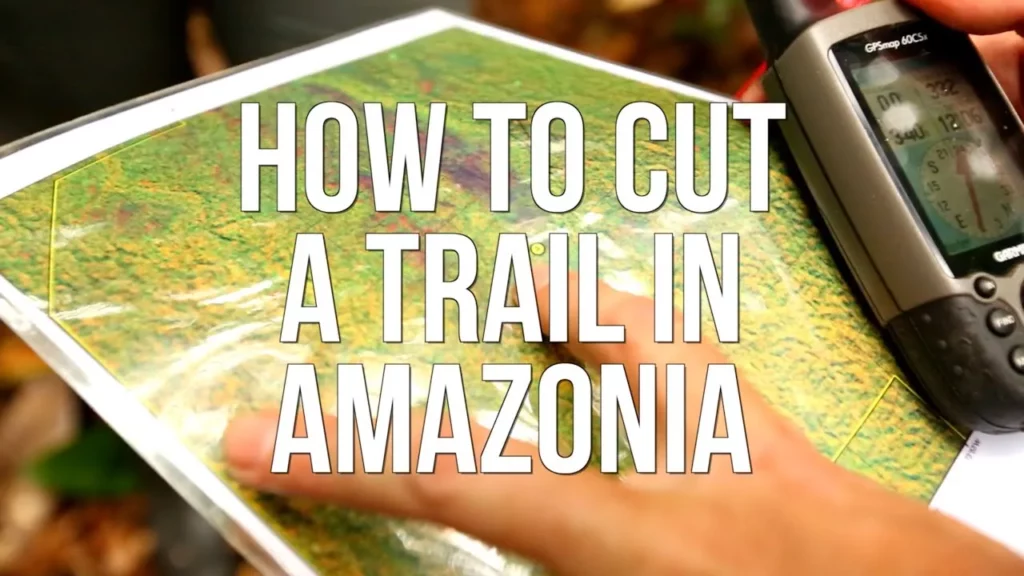
In this lesson, we explore how scientists prepare for research in the Amazon rainforest, focusing on the essential steps of setting up camp, planning expeditions, and creating safe trails. Coordinator Álvaro plays a crucial role in organizing the logistics, including obtaining permissions from local communities and using technology like satellite images and GPS to navigate the dense jungle. By establishing marked trails, scientists from various fields can safely collaborate and uncover the rich biodiversity of this unique ecosystem.
Backyard Birding: Feeder Cam!
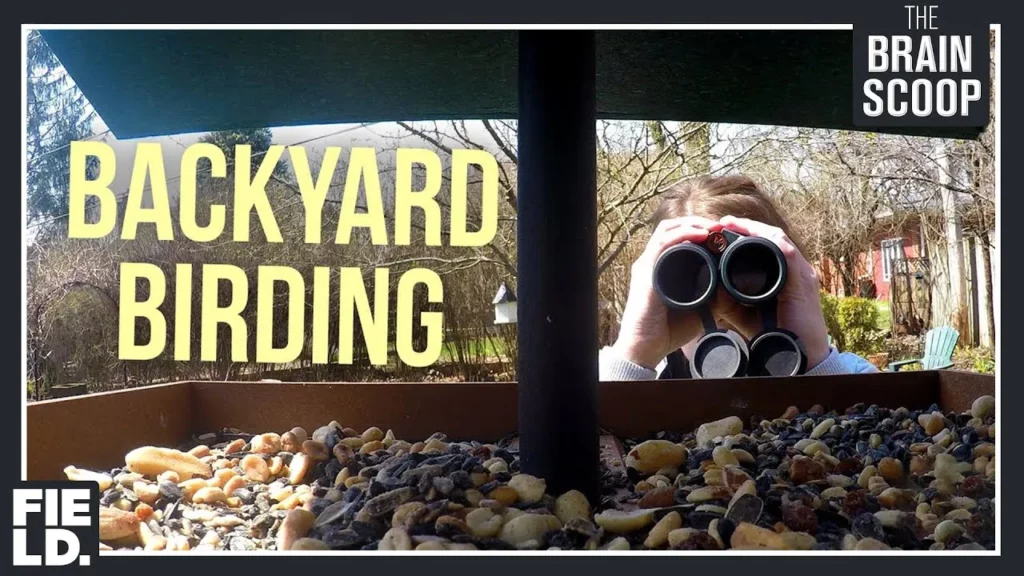
In this lesson, the author shares their backyard birdwatching experience, introducing various bird species such as the Blue Jay, European Starling, American Robin, and Cardinal. Each bird is described with unique characteristics and interesting facts, highlighting their behaviors and roles in the ecosystem. The lesson encourages appreciation for these feathered friends and invites others to observe and learn about the birds in their own backyards.
How to Taxidermy a Squirrel
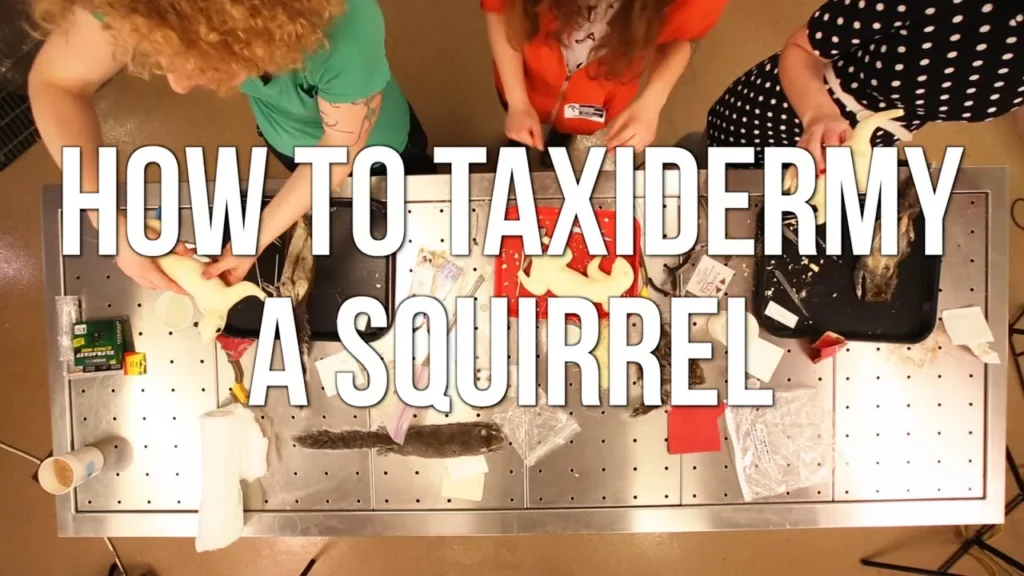
In this lesson on taxidermy, Katie Innamorato and Anna Goldman guide participants through the intricate process of preparing squirrels for taxidermy, highlighting the differences between taxidermy and specimen preparation for scientific study. They cover essential steps, including specimen acquisition, careful incisions, fleshing, tanning, and the final mounting techniques, emphasizing the importance of preserving the animal’s natural appearance. The session concludes with reflections on the art of taxidermy and appreciation for the skills involved in this unique craft.
Jungle Atop A Desert
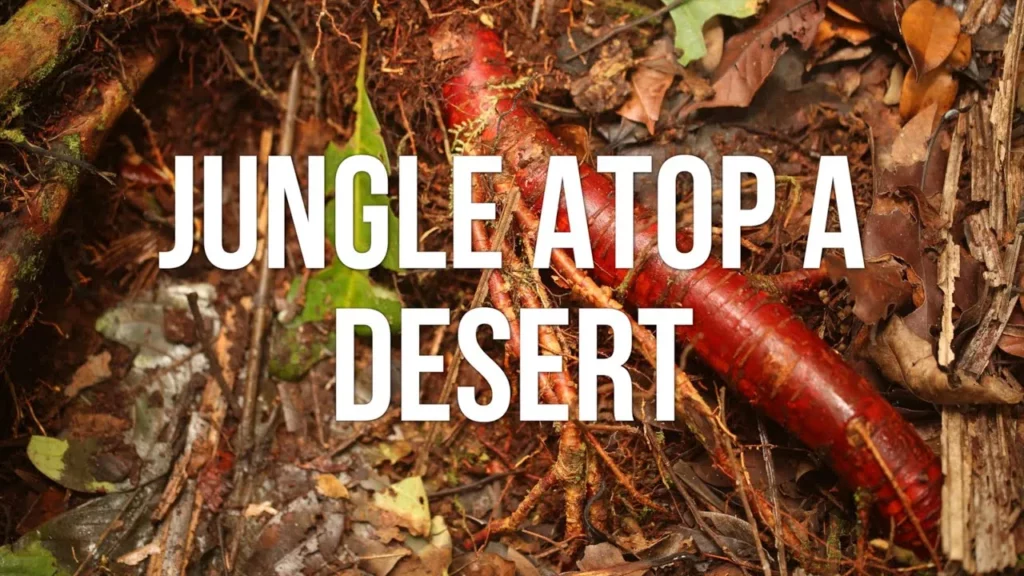
In this lesson, students explore the unique landscape of the Amazon rainforest, focusing on the concept of “terra firme” and the significance of the root mat, which provides a spongy ground cover that aids in nutrient absorption. The lesson highlights the nutrient cycle within the ecosystem, illustrating how even nutrient-poor areas can support life through recycling processes, while also emphasizing the challenges faced by plants and animals in such environments. Additionally, it discusses the resilience of the forest and the adaptations of trees to survive in less favorable conditions.
Meet the Museum’s only Field Biologist
In the lesson “Exploring the World of Field Biology with Dr. Steve Goodman,” participants learn about Dr. Goodman’s extensive career as a field biologist, particularly his significant contributions to understanding and conserving Madagascar’s unique biodiversity. The lesson highlights his efforts to empower local Malagasy scientists through education and collaborative research, addressing both ecological and socio-economic challenges in the region. Dr. Goodman also shares valuable advice for aspiring biologists, emphasizing the importance of discovering and pursuing one’s passion in the field.
Where My Ladies At?
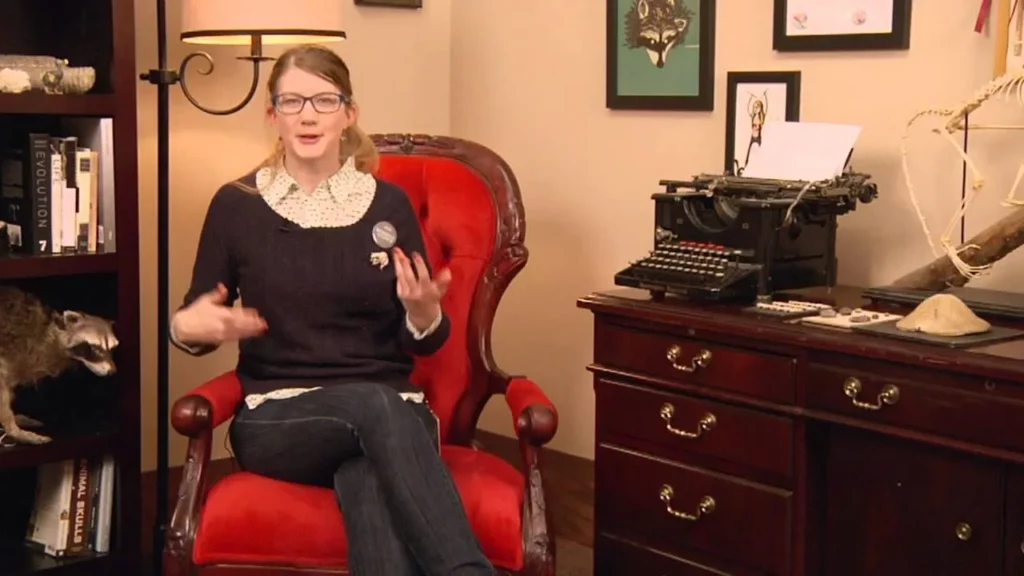
The lesson reflects on the personal experiences of sexism in STEM, highlighting the challenges faced by women in gaining visibility and recognition in a field traditionally dominated by men. Despite working in a supportive environment, the author acknowledges the prevalence of negative feedback and societal pressures that can deter women from participating in science communication. The discussion emphasizes the importance of fostering a supportive community, encouraging collaboration, and addressing the barriers that hinder women’s contributions in STEM, ultimately advocating for a more inclusive and respectful environment for all.
The Joy of Cooking (with Bugs!)
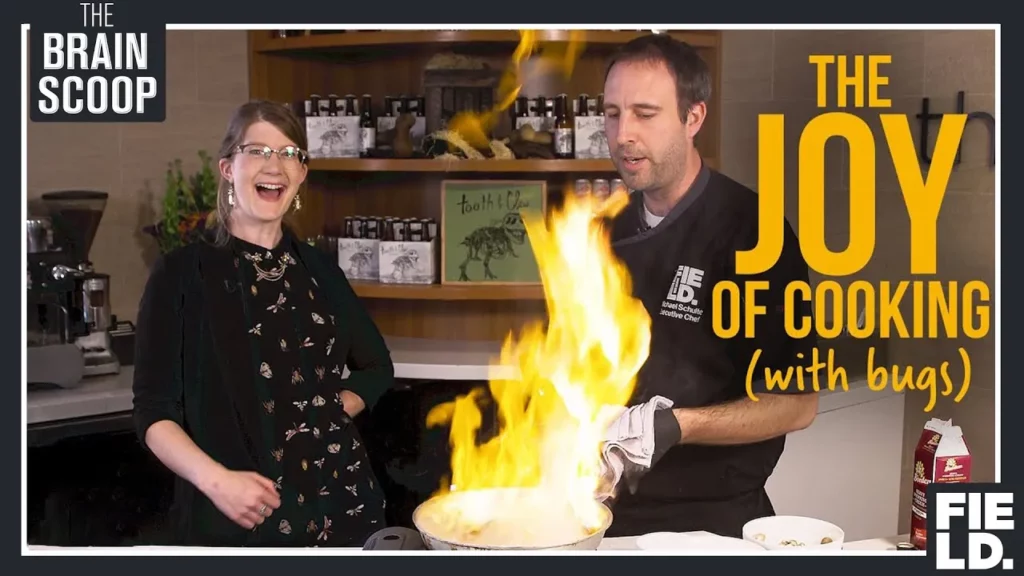
This lesson explores the culinary potential of edible insects, highlighting their cultural significance and sustainability as a nutritious food source. Through the experiences of Emily and Chef Mike, participants learn to create innovative dishes like ant-topped salads, cricket gnocchi, and cricket cookies, showcasing how insects can enhance flavors while promoting environmental benefits. The lesson encourages an open-minded approach to incorporating insects into our diets, presenting them as a viable and exciting option for the future of food.