
Into the Bat Caves of Kenya: Pt. I
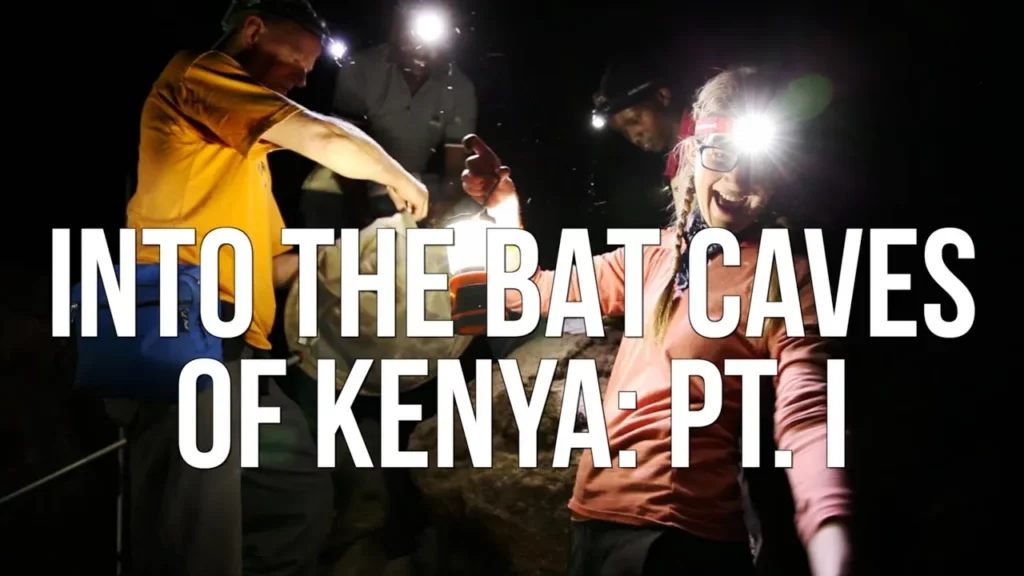
In the lesson “Exploring a Mysterious Cave,” students embark on an adventurous journey into a cave, guided by Bruce, who emphasizes the importance of careful movement to minimize dust and maintain visibility. As they encounter bats and learn about their unique abilities, the explorers are reminded to be observant and respectful of nature’s wonders, highlighting the beauty and excitement of cave exploration.
Into Perú
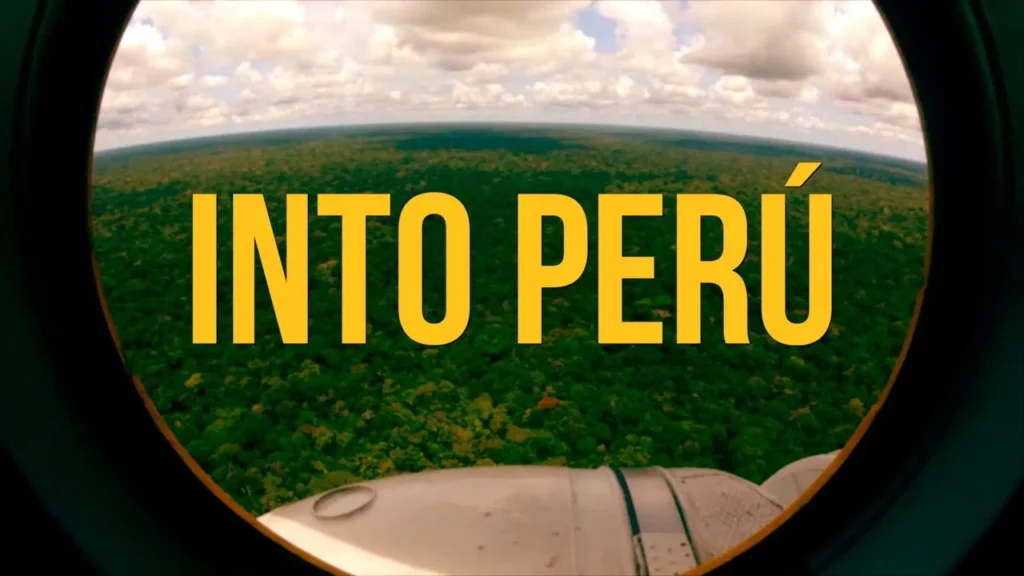
In this lesson, Team Brain Scoop prepares for an adventurous three-week expedition to the Peruvian Amazon, aiming to discover and document various species while facing the challenges of the rainforest environment. Collaborating with The Field Museum’s conservation team, they will explore uncharted territories to contribute to biodiversity research and conservation efforts, which have already led to the discovery of over 150 new species and the protection of millions of acres of wilderness. The expedition promises to be a transformative experience, highlighting the importance of understanding and preserving the natural world.
Crocodiles vs. Alligators
This lesson provides an overview of crocodiles and alligators, highlighting their classification within the ancient order Crocodilia and their evolutionary history. It explains key differences between the two, such as their snout shapes, visible teeth, size, and preferred habitats, while also noting their geographical distribution. Understanding these distinctions can help identify whether you’re encountering a crocodile or an alligator in the wild.
What should museums do with their dead? (w/ Caitlin Doughty!)
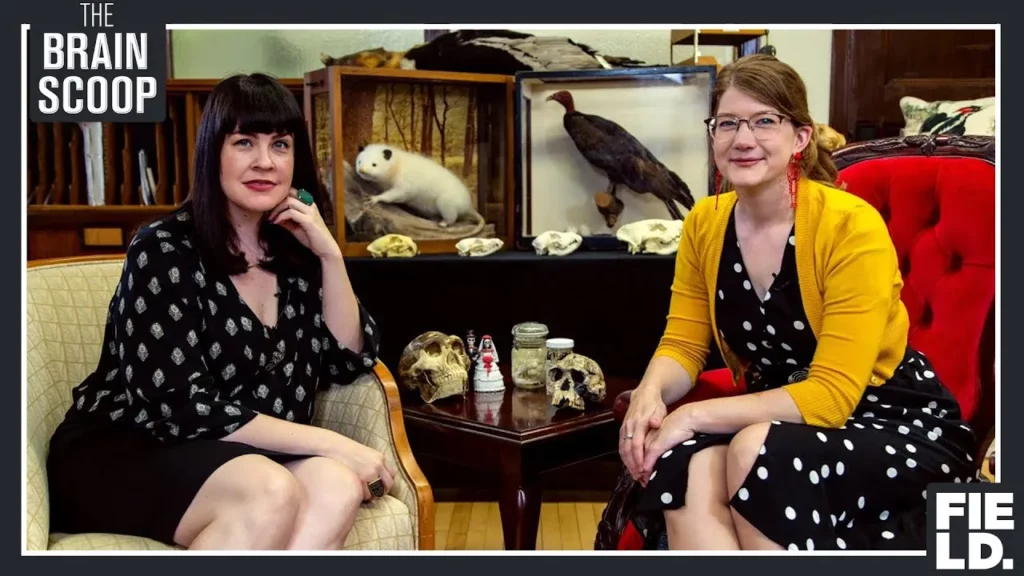
In this lesson, Kaitlyn Doughty and Emily Graslie explore the ethical complexities surrounding the display of human remains in museums, emphasizing the importance of consent and respect for the individuals and communities involved. They discuss the movement to decolonize museum collections, highlighting the need for thoughtful approaches to repatriation, as exemplified by the Spirit Cave remains case. The conversation encourages ongoing dialogue about balancing public curiosity with ethical considerations, urging museums to engage transparently with communities regarding their collections.
In search of the Destroying Angel || The Mushroom Hunt
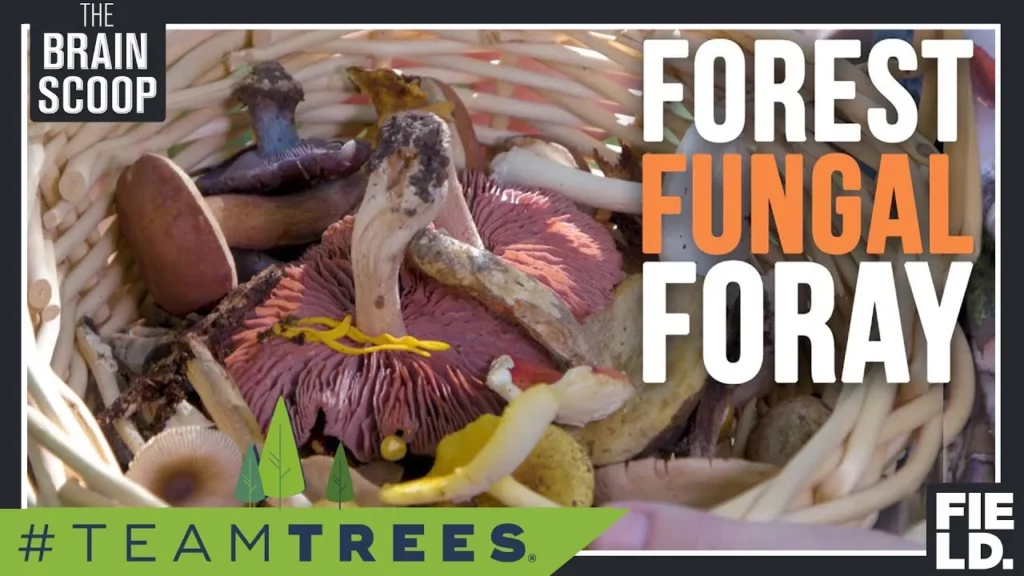
In this lesson, we explored the diverse and essential role of mushrooms within ecosystems, guided by mushroom expert Dr. Patrick Leacock in the Cook County Forest Preserve, which hosts 1,200 species of fungi. We learned about the importance of proper collection techniques, the mutualistic relationships between mushrooms and trees, and the ongoing need for research to uncover the vast diversity of fungi, with only a small percentage currently documented. Engaging with local mushroom clubs can enhance our understanding and appreciation of these fascinating organisms and their ecological significance.
Spooky Stories & Tailless Tenrecs | Natural News from The Field Museum | Ep. 4
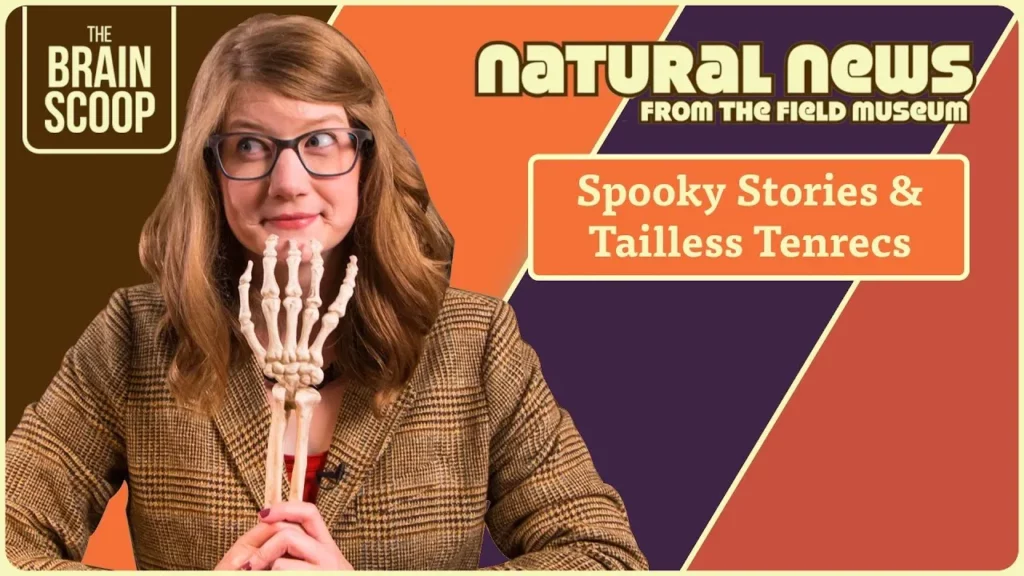
In this lesson from the Field Museum, we explore intriguing discoveries about Madagascar’s Tailless tenrec, which can carry the bacterial disease Leptospira mayottensis, highlighting the importance of understanding zoonotic diseases. We also delve into the historical mystery of the Hoosier frog, discovered by scientist Elias Francis Shipman, and the significance of precise documentation in scientific research. Additionally, we celebrate the vital work of volunteers in bird preparation, who help study the impacts of urban environments on bird populations and contribute to ongoing research efforts.
The Animal Sound Library
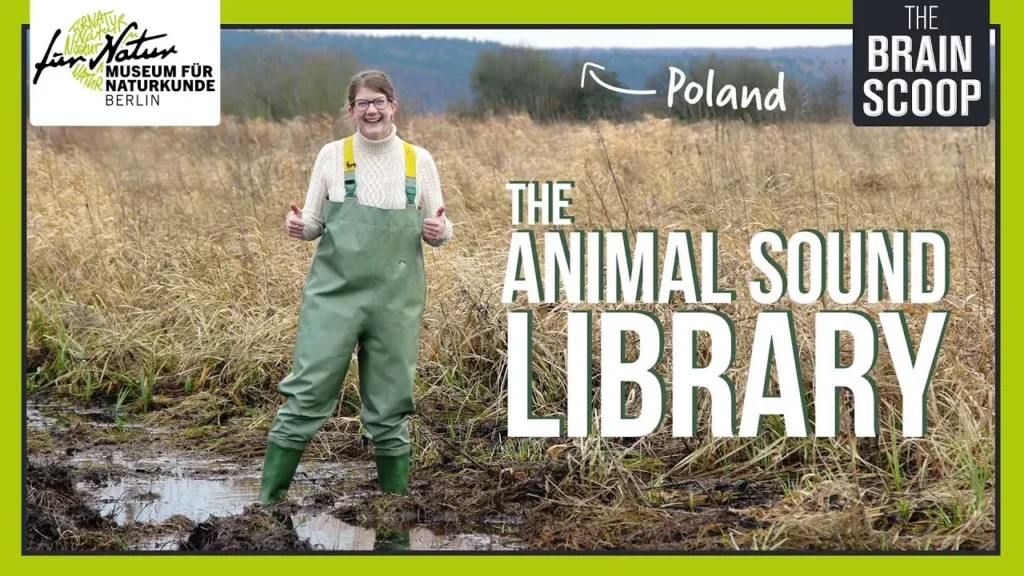
The lesson explores the natural and historical significance of the Lower Oder Valley National Park, emphasizing the impact of industrialization and subsequent conservation efforts that led to its establishment in 1995. It highlights the role of sound in wildlife research, particularly through the work of Dr. Karl-Heinz Frommolt and the Museum für Naturkunde’s extensive sound archive, which aids in monitoring species like the Corncrake. Additionally, the lesson showcases community engagement through citizen science initiatives, such as the Nightingale City Berlin project, which fosters public involvement in wildlife research and enhances our understanding of nature.
Owls
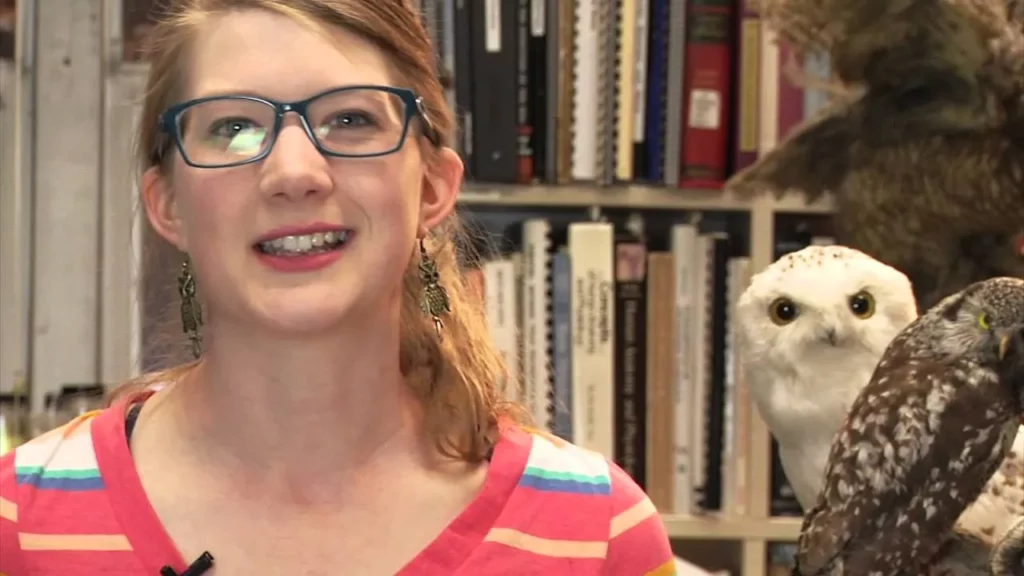
In the lesson “Discovering the World of Owls,” students learn about the fascinating characteristics and behaviors of owls, including their diverse species, exceptional eyesight and hearing, and silent flight. The lesson also touches on the cultural significance of owls in stories and myths, highlighting their mysterious nature. By the end, students are encouraged to observe these incredible birds in their natural habitats.
A Lifetime of Curiosity
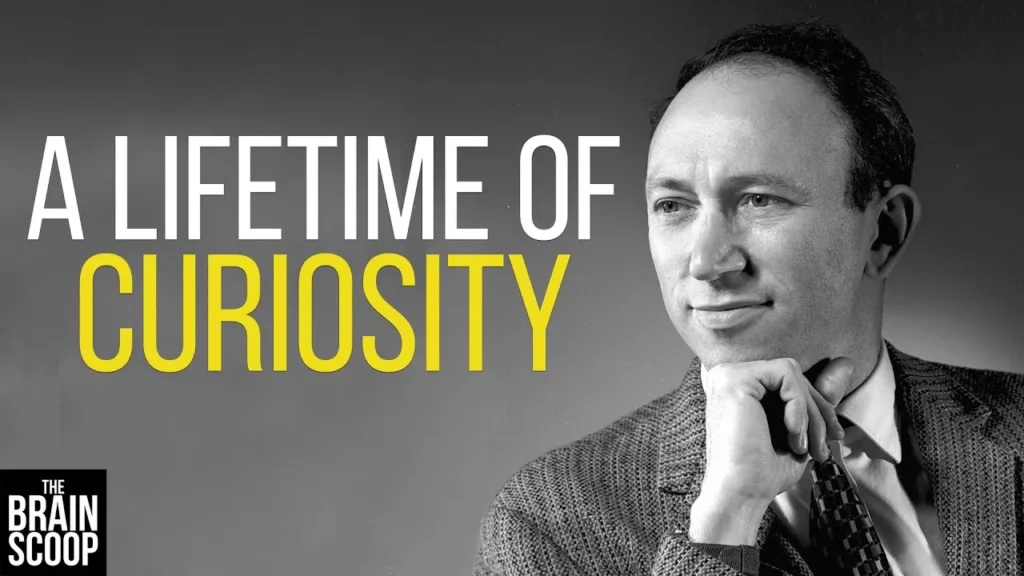
The lesson explores the remarkable career of Datuk Dr. Robert F. Inger, a dedicated herpetologist whose lifelong passion for studying frogs has led to significant contributions in the field, including the discovery of numerous new species and extensive research in Borneo. Despite facing challenges in his early fieldwork and witnessing environmental changes due to deforestation, Dr. Inger’s commitment to herpetology remains unwavering as he continues to work on his research even at the age of 96. His journey exemplifies the impact of curiosity and dedication in scientific exploration.
Wolves can be a bit Coy
The lesson explores the intricate relationship between wolves and humans, highlighting the historical persecution of wolves in the U.S. and the subsequent conservation efforts that have led to their recovery. It discusses the complexities of hybridization among wolf species and the challenges posed by legal protections under the Endangered Species Act, emphasizing the need for scientific insights to inform conservation strategies. Through a blend of historical context and current research, the lesson underscores the importance of understanding wolves’ ecological roles and the ongoing efforts to protect them.