
Periods + Fieldwork
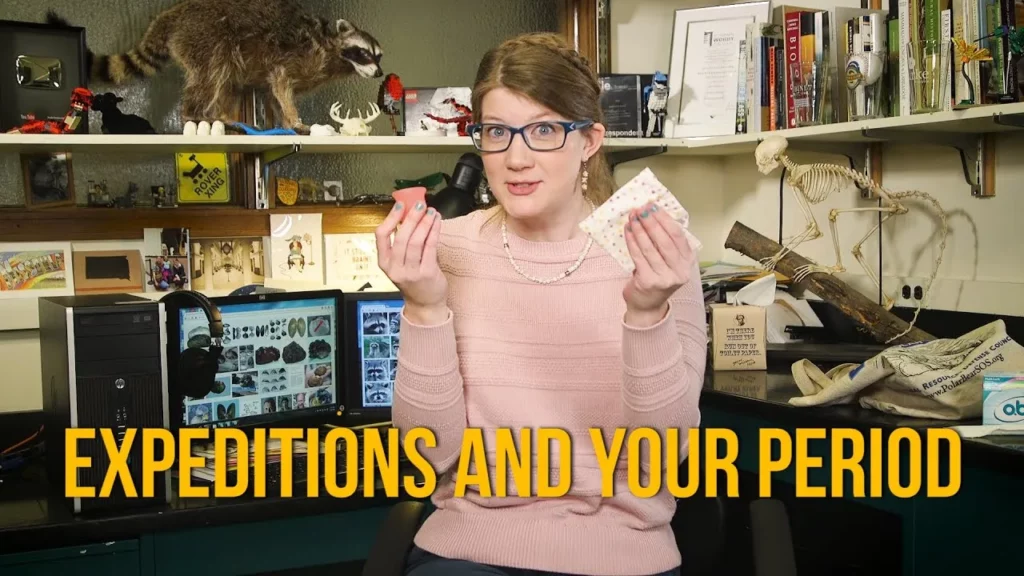
The lesson on “Menstrual Management in the Field” provides essential guidance for individuals who menstruate while engaging in outdoor activities or research in remote areas. It emphasizes the importance of planning and preparation, selecting appropriate menstrual products, maintaining hygiene, and managing discomfort, all while adhering to the “leave no trace” principle. By equipping oneself with practical solutions and a positive mindset, individuals can confidently navigate their menstrual needs during their adventures.
How Do I Get A Museum Job? | Ask Emily
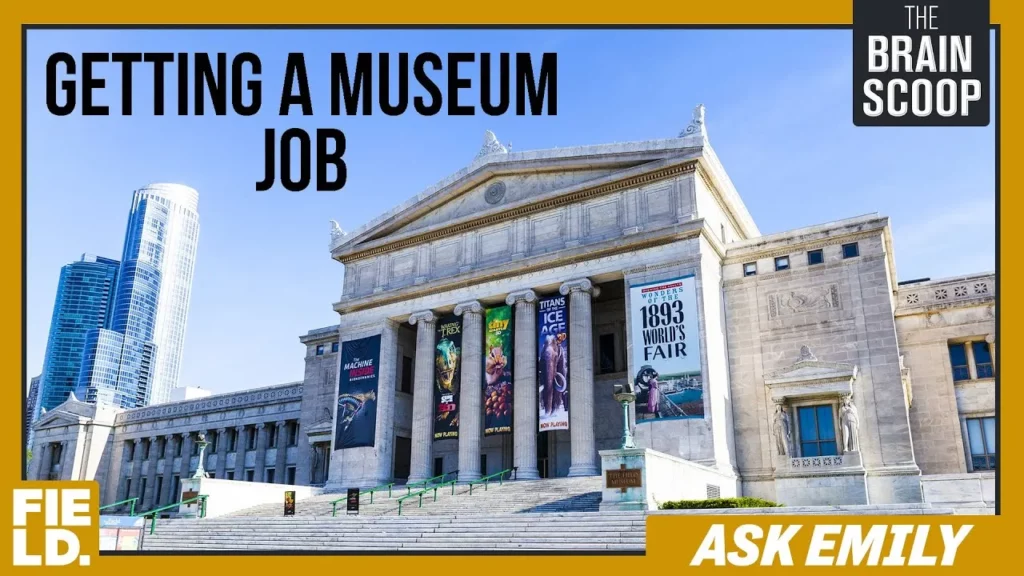
The lesson emphasizes the importance of volunteering as a pathway to securing entry-level positions in museums, highlighting that many professionals begin their careers through such experiences. It also provides insights into the dynamic daily operations at The Field Museum, the challenges of ocean exploration compared to space, and the emotional journey of changing careers. Additionally, it touches on the significance of education, unexpected interactions in the museum environment, and the value of community engagement through events and social media.
The ‘Sistine Chapel of Taxidermy’ – Conserving Akeley’s Elephants
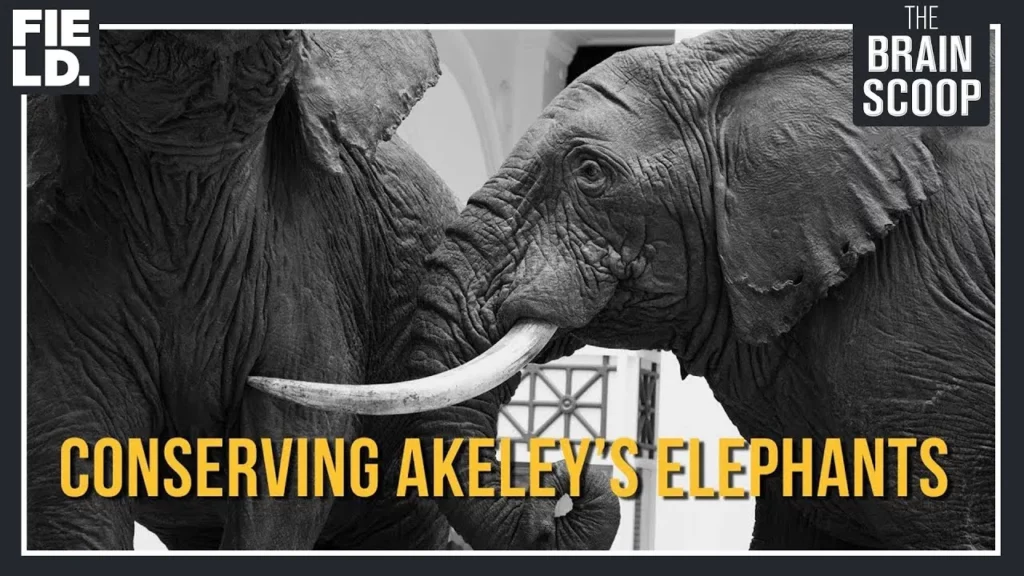
The lesson explores the significance of preserving the Akeley elephants, two iconic taxidermy masterpieces at The Field Museum, highlighting the challenges faced in their maintenance since their creation in 1909. It emphasizes the role of conservators in addressing structural issues and the importance of preserving original specimens for their unique historical and artistic value, which transcends modern digital representations. Ultimately, the lesson underscores the intersection of art, science, and history in conservation efforts, ensuring these remarkable artifacts continue to inspire future generations.
What’s Chicago doing about its (major) rat problem?
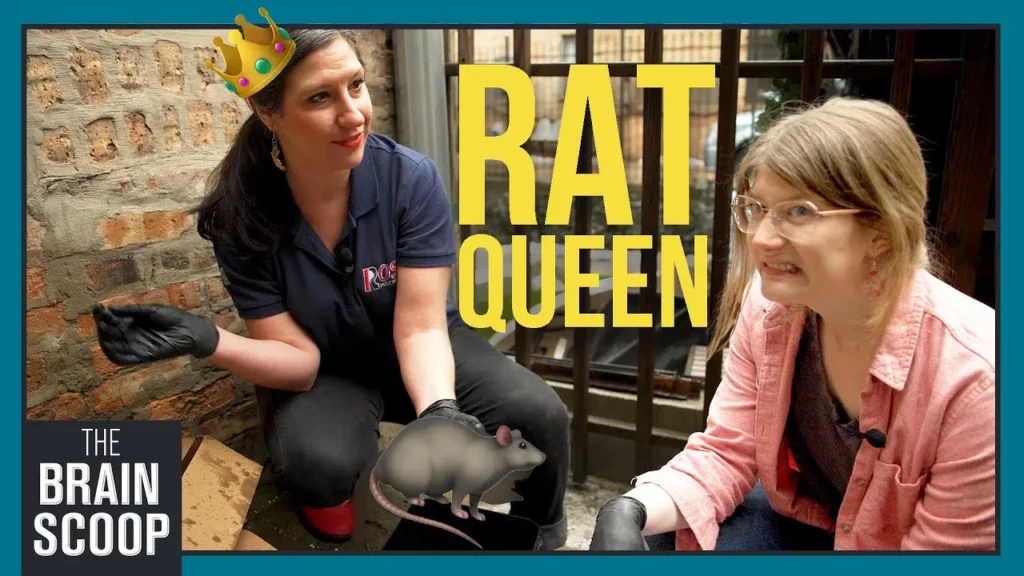
The lesson explores Chicago’s ongoing rat problem, highlighting the importance of community involvement in pest management. Through a visit to Rose Pest Solutions and insights from Janelle Iaccino, the “Rat Lady,” the lesson emphasizes the historical evolution of pest control, the role of natural predators like feral cats, and the need for collective action to mitigate the rat population effectively. Ultimately, it advocates for a balanced coexistence with these resilient creatures while recognizing the public health challenges they pose.
My favorite diorama hidden secret!
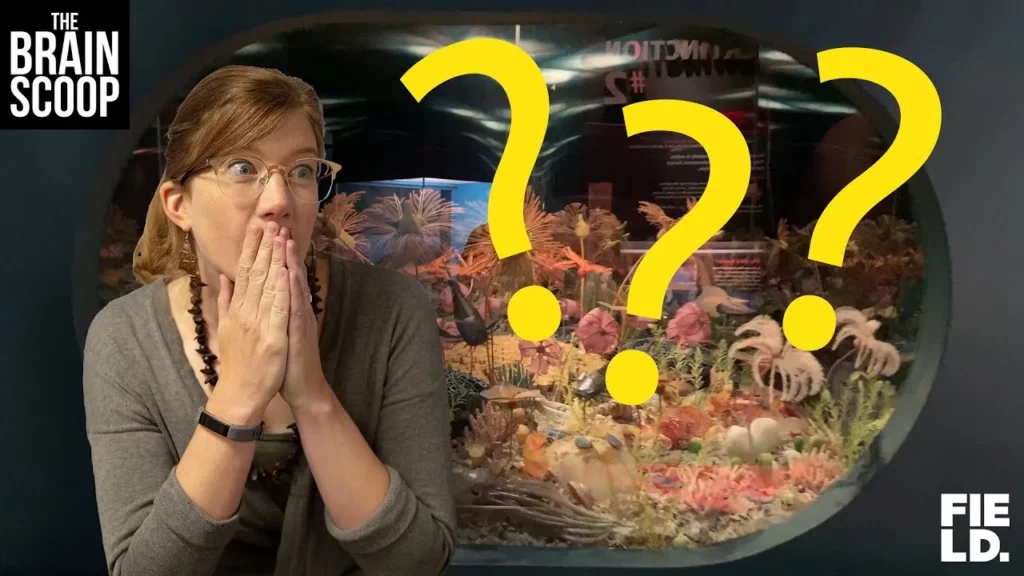
In this lesson, the speaker highlights the importance of youth involvement in climate action, encouraging participation in global climate strikes while sharing their own engagement at the Field Museum in Chicago. They also introduce a fascinating hidden gem within the museum: a diorama of a Silurian reef that showcases Chicago’s landscape 400 million years ago, complete with a playful secret—a tiny model of a cow hidden in the display. This lesson emphasizes both environmental awareness and the joy of discovery in educational settings.
The Heat Theater
The lesson explores the collaborative creative process behind the Heat Theater, an innovative exhibit that merges art, science, and technology. Key contributors, including artisan John Zehren, project developer Marie Georg, designer Nivine Tawancy, and media producer Greg Mercer, share their experiences and challenges in crafting an immersive 4D experience that visually and physically represents the themes of heat and adaptation in extreme environments. The project highlights the importance of teamwork and creativity in transforming initial concepts into a captivating and educational exhibit.
Behind-the-scenes on our new set!
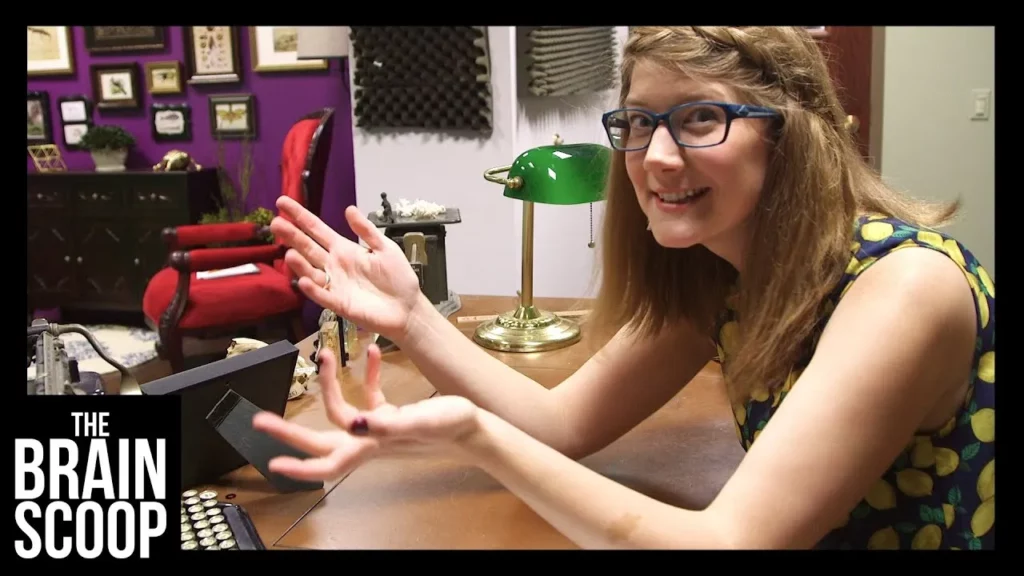
In today’s lesson, we explored the Natural News set, highlighting various intriguing items that reflect both history and science. From a vintage typewriter and a rare edition of *Don Quixote* to dinosaur models and fossils, each object tells a unique story about technological evolution and natural history. The tour also showcased the importance of lighting and sound in creating engaging segments, inviting viewers to interact and learn more.
Painting the CARACAL
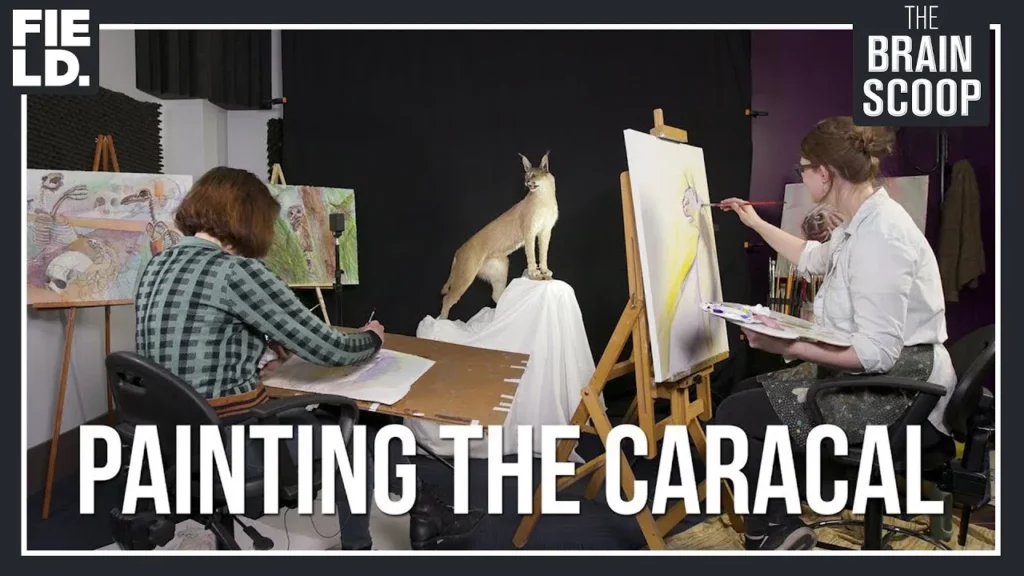
The lesson highlights the unique collaboration between artist Peggy McNamara and Emily, showcasing how art and science intertwine at the Field Museum. Peggy emphasizes the importance of careful observation and experimentation in both art and scientific inquiry, encouraging individuals to embrace mistakes as part of the creative process. Their work serves as a reminder that creativity is accessible to everyone and can be a fulfilling journey of self-expression and exploration.
Recommended Reading
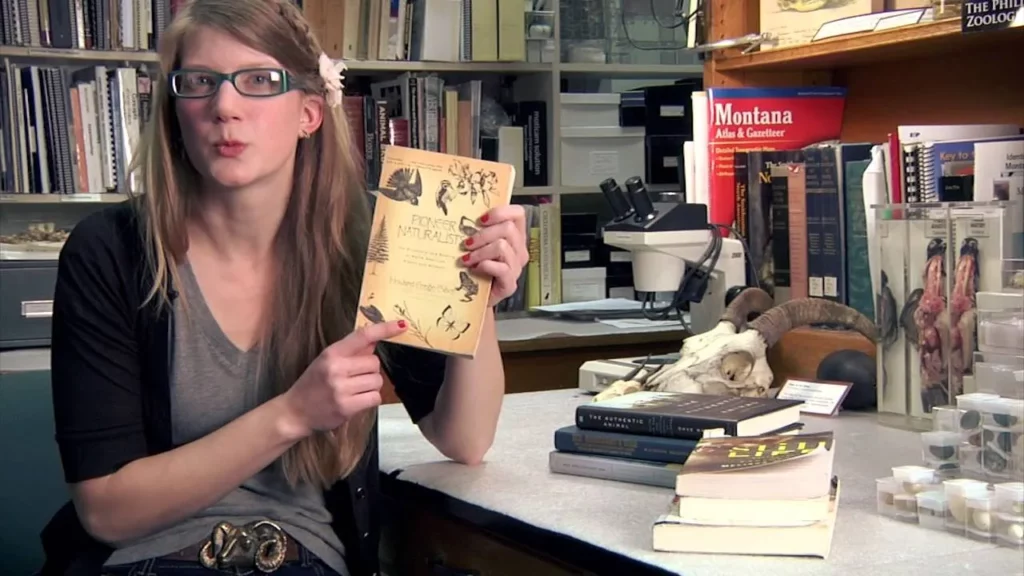
In this lesson, we explore a selection of captivating books that delve into the realms of natural history and taxidermy, highlighting their cultural significance and evolution. Each recommended title, from Stephen T. Asma’s humorous take on natural history museums to Rachel Poliquin’s exploration of taxidermy cultures, offers unique insights and stories that enrich our understanding of these subjects. The lesson encourages readers to engage with these fascinating works to deepen their knowledge and appreciation of the natural world.
T. rex Arms & BEARDOGS! | Natural News from The Field Museum | Ep. 6
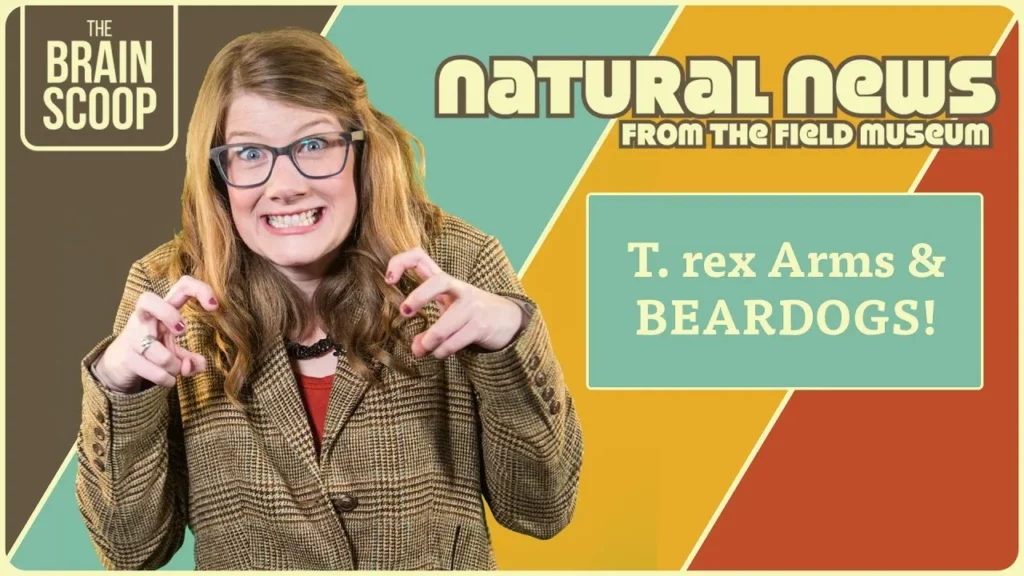
In this episode of Natural News from The Field Museum, we explored intriguing topics such as the research on Sue, the T-rex, whose arm is being studied to uncover the purpose of its small limbs, the elusive Thismia Americana flower that lacks chlorophyll and has a mysterious history, and the recent discoveries about ancient beardogs that shed light on their evolution and classification. These fascinating insights highlight the ongoing efforts of scientists to unravel the mysteries of our planet’s natural history.