
The cicadas are coming!!

The lesson explores the fascinating life cycle of periodical cicadas, which spend 13 to 17 years underground before emerging in response to soil temperature. These creatures have a unique ability to gauge the right moment to surface, often peeking out before fully emerging, and their long underground period helps them avoid predators. Once they finally come out, cicadas celebrate by singing, shedding their old skin, and starting the next generation, showcasing the wonders of nature and the importance of patience.
Kids’ Q&A
In this lesson from The Brain Scoop, students explore fascinating topics related to animals, including the abundance of squirrels and chipmunks in Montana, the preparation of animals for display, and the process of bone development. The lesson also covers animal adaptations, birth methods, and encourages student engagement through creative activities like designing a Brain Scoop truck. Overall, it offers an exciting introduction to biology and the natural world.
Shark Fin CSI
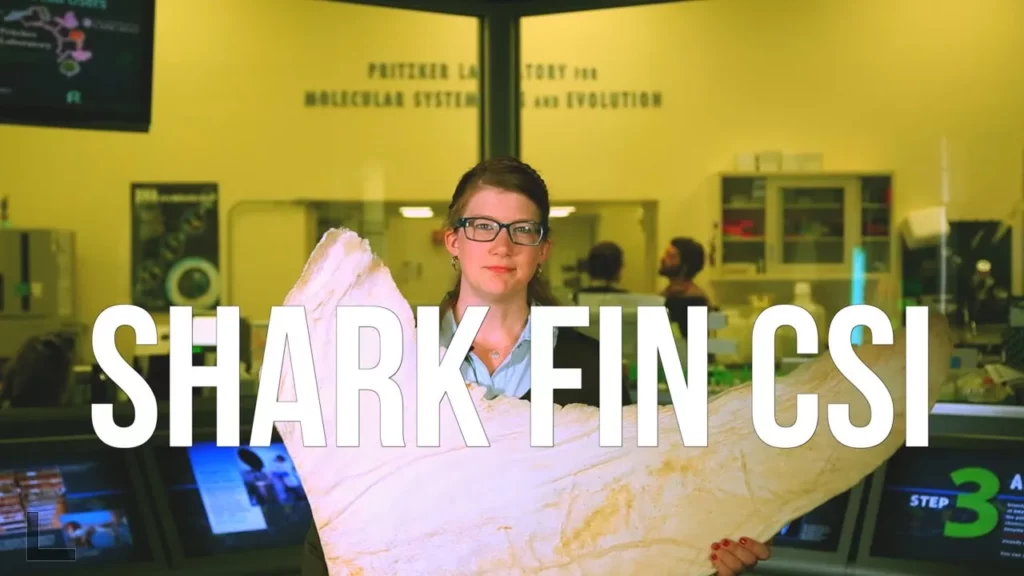
In 2012, Illinois became the first landlocked state to ban the trade of shark fins, addressing the significant role inland states play in the decline of shark populations due to the demand for shark fin soup. The grim practice of shark finning, which involves catching millions of sharks and removing their fins before discarding them, poses challenges for conservation efforts, particularly in identifying species due to the degradation of genetic material during food preparation. Innovative collaborations between scientists and law enforcement have led to breakthroughs in DNA testing, enabling the identification of endangered shark species and highlighting the critical need for ongoing conservation efforts and regulatory enforcement.
Shoes

In this lesson, we explored the cultural significance of shoes through various examples, highlighting how footwear reflects unique lifestyles, creativity, and social status across different societies. From reef shoes designed for fishing in coral reefs to the historical context of lotus slippers in China, each type of shoe tells a story about the values and traditions of its culture. Ultimately, shoes serve as a powerful lens through which we can understand identity, beauty standards, and the impact of trade and craftsmanship throughout history.
The Interactives Shop
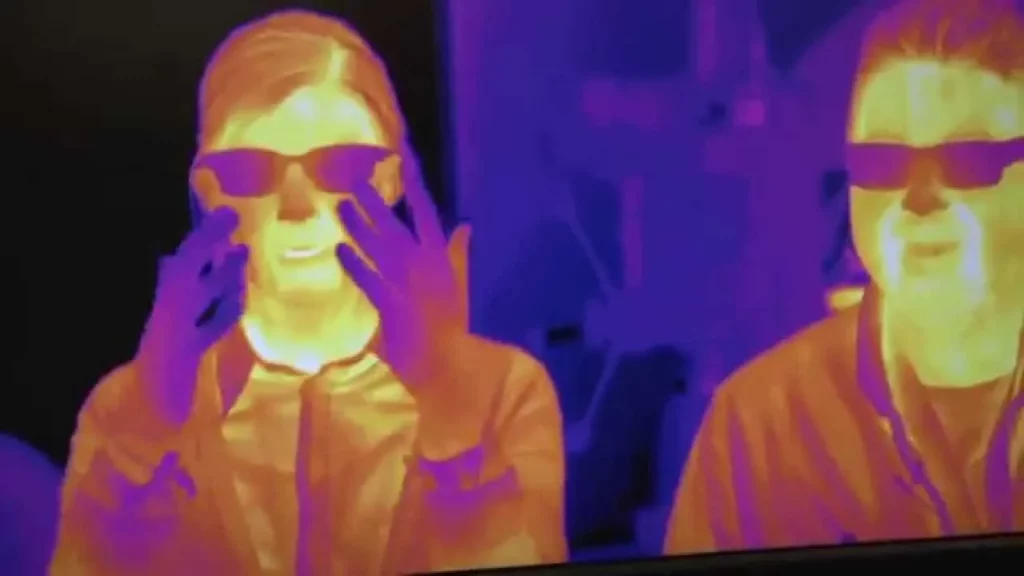
In this lesson, we explored the innovative world of interactive museum exhibits through the work of Bobby Belote, who combines his diverse background in art and technology to create engaging displays. Bobby’s journey from kinetic sculptures to educational exhibits highlights the collaborative process of design, prototyping, and ensuring durability for interactive elements that captivate visitors. His current projects, such as demonstrating muscle and bone connections, exemplify how interactive technology can enhance learning experiences in museums.
More Out-Takes from the Museum
The lesson explores the intriguing world of unique animals, highlighting examples such as albino skunks, tiny primates, and bats. It emphasizes the importance of understanding these creatures’ adaptations and survival mechanisms, as well as the fascinating connections between species, illustrated by the collection of skulls and bones. Through these discoveries, we gain insights into biodiversity and the remarkable stories each animal has to share.
Insect Adventure, Part One
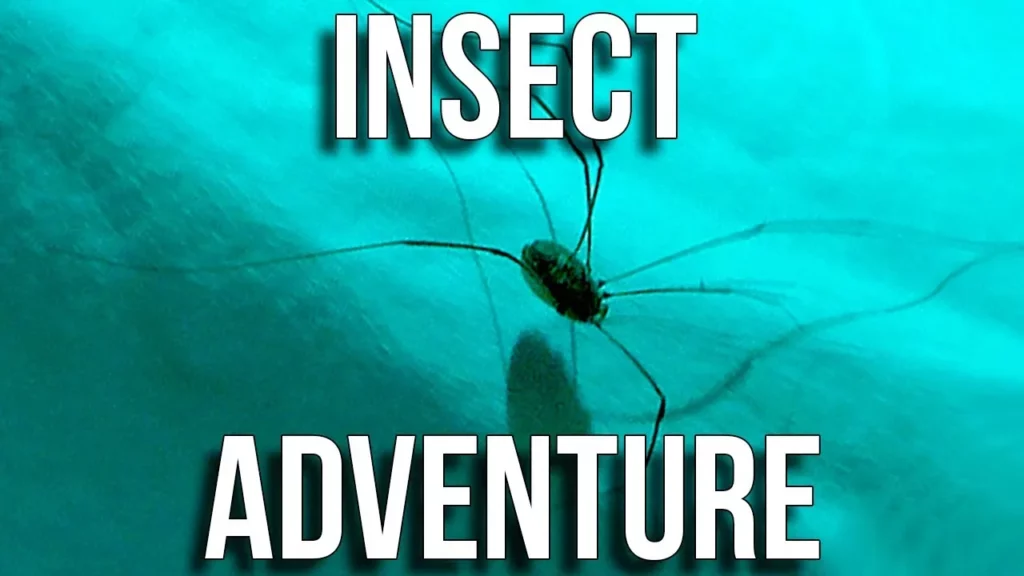
The lesson focuses on the restoration of a prairie in Hanover, led by the Jo Daviess Conservation Foundation, and highlights the importance of insect exploration in this ecosystem. Various trapping methods, such as carrion and pitfall traps, are employed to attract and study insects like millipedes and carrion beetles, which indicate the health of the prairie. The project not only enhances biodiversity but also provides an accessible way for individuals to engage in insect collection and contribute to scientific research.
Spiders: The First Web Developers
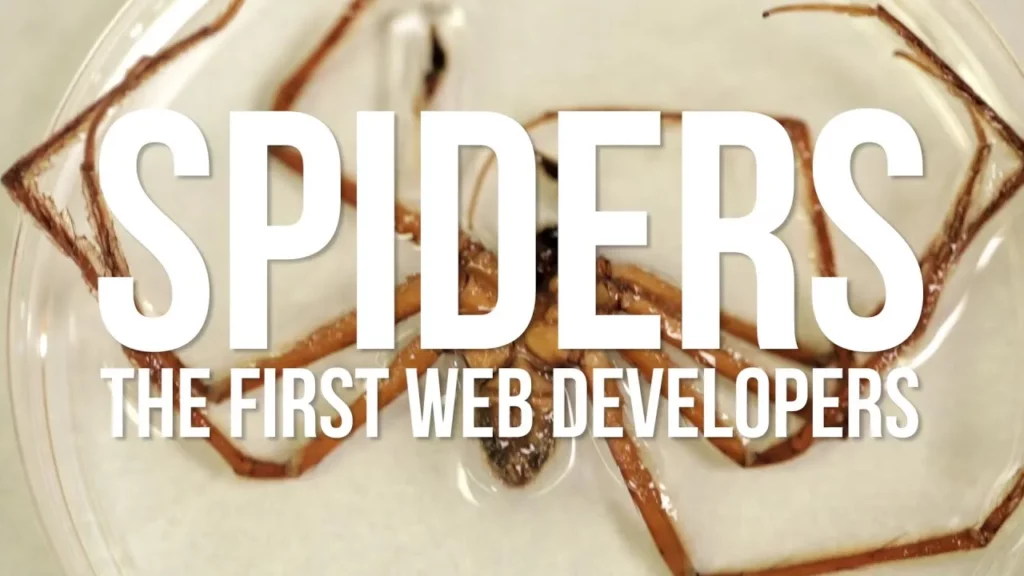
In this lesson, we explored the fascinating world of spiders with insights from Dr. Petra Sierwald, highlighting their classification as arthropods and the vast diversity of species, with estimates suggesting up to 75,000 species exist. We learned about common misconceptions and fears surrounding spiders, their unique reproductive behaviors, and their vital role in ecosystems as natural pest controllers. Ultimately, the lesson emphasized the importance of spiders in our environment and encouraged a greater appreciation for these remarkable creatures.
These beetles breathe out of their butts & we had questions

In this lesson, we explore the fascinating world of Riffle Beetles, aquatic insects that have adapted to live underwater by carrying air bubbles for breathing, allowing them to thrive in their unique habitat. Crystal, an entomologist at the Field Museum, highlights their evolutionary journey and the importance of studying these beetles as bioindicators of ecosystem health. Through her research in New Zealand, she emphasizes the critical role insects play in understanding and conserving our natural environments.
The Taxonomy of Candy

In the lesson “Exploring the Sweet World of Taxonomy,” a team of expert taxonomists from the Field Museum in Chicago creatively applies the principles of classification to various candies, demonstrating how taxonomy can extend beyond living organisms. By examining characteristics such as shape, color, and ingredients, they engage in a playful yet insightful exploration of classification, highlighting the complexities and philosophical questions surrounding the organization of both natural and artificial entities. This exercise not only enhances understanding of taxonomy but also encourages a deeper appreciation for the systematic ways we categorize the world around us.