
The flapper who brought pandas to America
The lesson explores the captivating story of Ruth Harkness, an unlikely explorer who played a pivotal role in introducing giant pandas to the world. After her husband’s death, Ruth embarked on a journey to find a panda in China, successfully bringing back a baby panda named Su Lin to the United States, which sparked global interest in these iconic animals. The lesson also highlights the ethical implications of panda conservation and the ongoing fascination with these creatures today.
The Egg Collection!
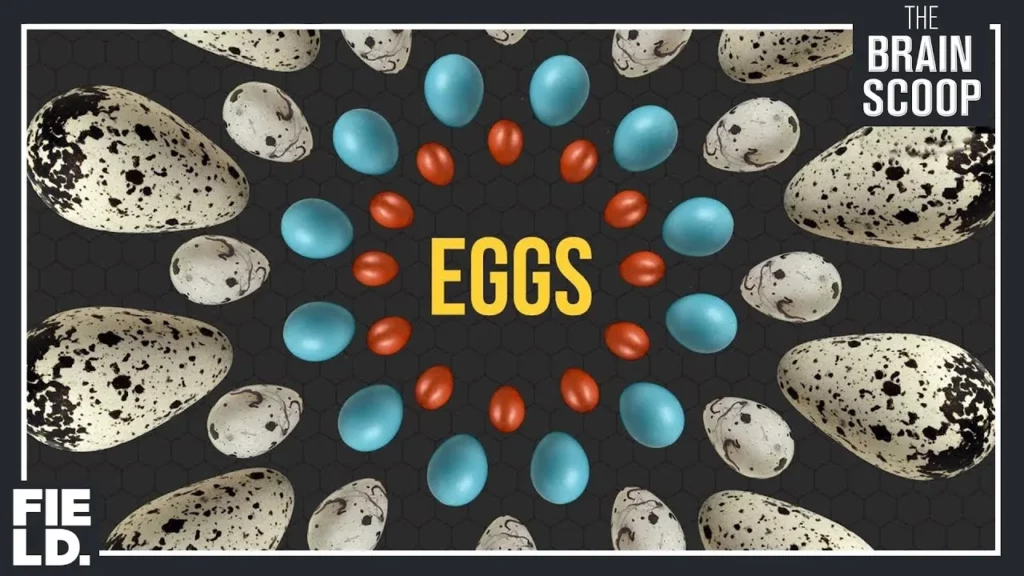
The lesson at the Field Museum highlights the significance of eggs in understanding avian ecology and behavior, showcasing one of North America’s largest egg collections. Through the insights of Dr. John Bates, visitors learn about the remarkable diversity of bird eggs, their reproductive strategies, and the historical importance of egg collections in conservation efforts. The exploration emphasizes the intricate relationships between egg characteristics and bird species, underscoring the ongoing research that enhances our knowledge of these fascinating natural wonders.
This Fossil Arachnid was a HUGE Discovery
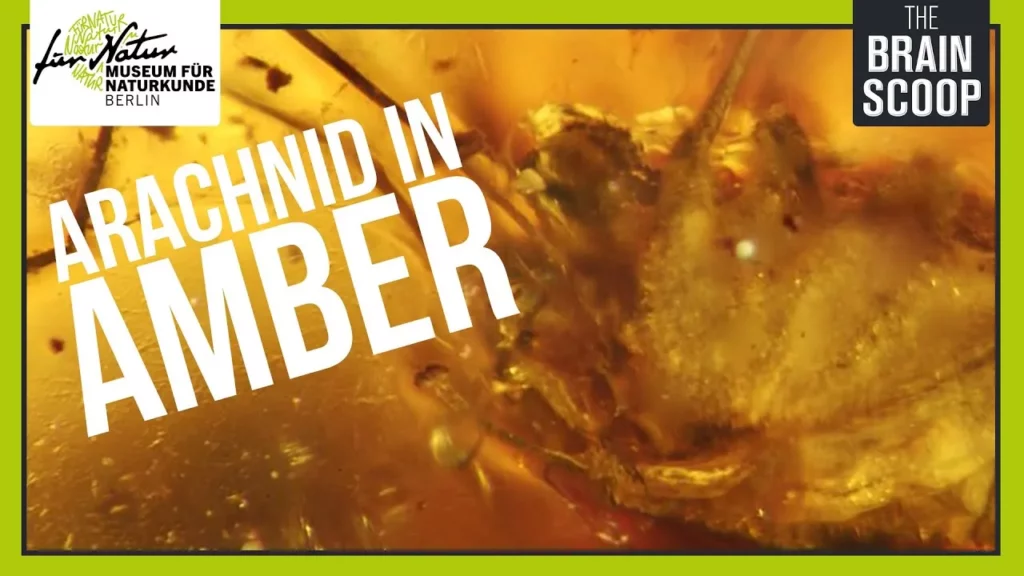
The lesson explores the intriguing world of fossil arachnids, emphasizing their diversity and evolutionary significance through the work of Dr. Jason Dunlop, a senior curator specializing in arachnids at the Museum for Natural History in Berlin. It highlights the importance of amber-preserved fossils in revealing ancient species and the ongoing efforts to catalog spider species globally, while advocating for greater awareness and appreciation of fossil arachnids in the broader context of paleontology.
Murder by Birder [60 Second Specimens]
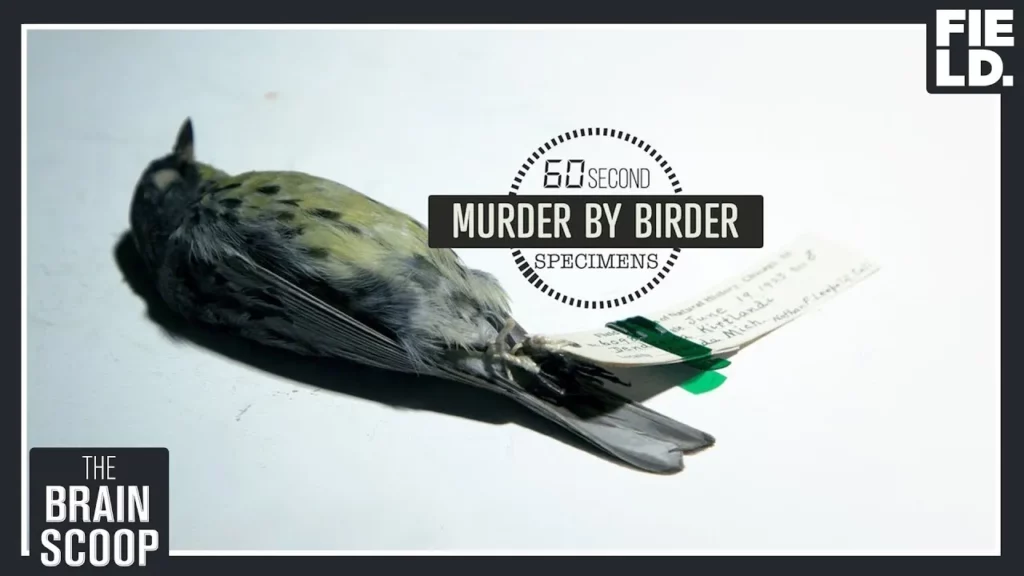
The lesson recounts the unusual story of Nathan Leopold, who, after discovering and donating a rare bird specimen to the Field Museum, became infamous for his involvement in a shocking crime alongside Richard Loeb. Their heinous act of kidnapping and murder led to a sensational trial, resulting in life sentences for both, yet Leopold later transformed his life by contributing to ornithology after his release. This narrative serves as a cautionary tale about the misuse of privilege and intelligence, while also emphasizing the potential for personal redemption and the importance of biodiversity conservation.
The Chicago Peregrine Program
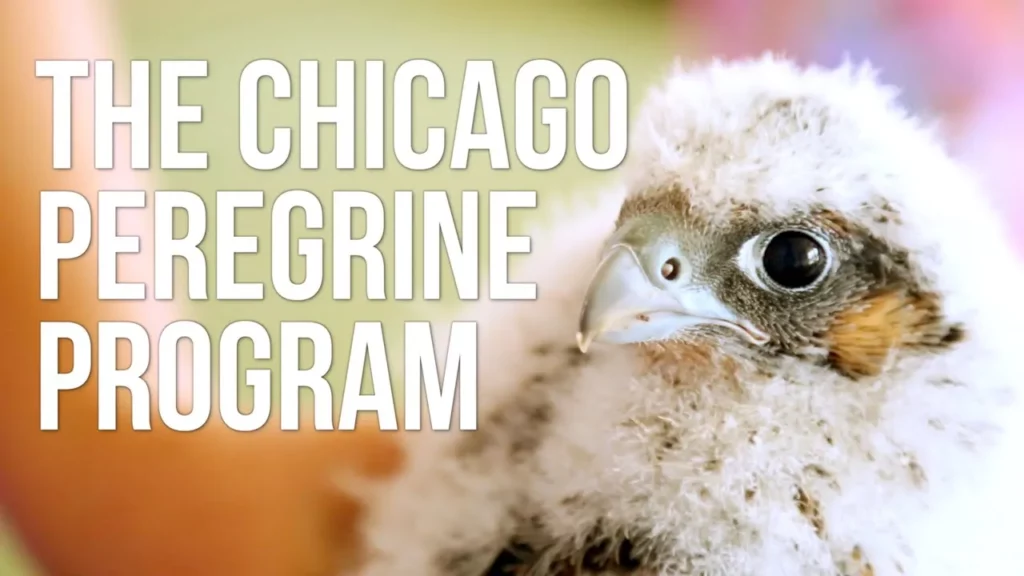
The lesson highlights the remarkable recovery of peregrine falcons in Illinois, primarily due to conservation efforts led by individuals like Mary Hennen from the Field Museum. After facing extinction due to pesticide use, a successful breeding program in captivity allowed these birds to adapt and thrive in urban environments, leading to their removal from the endangered species list. The lesson also emphasizes the importance of tracking and studying these birds through banding and collections, which contribute to ongoing research and awareness.
The Favorites Episode | Ask Emily
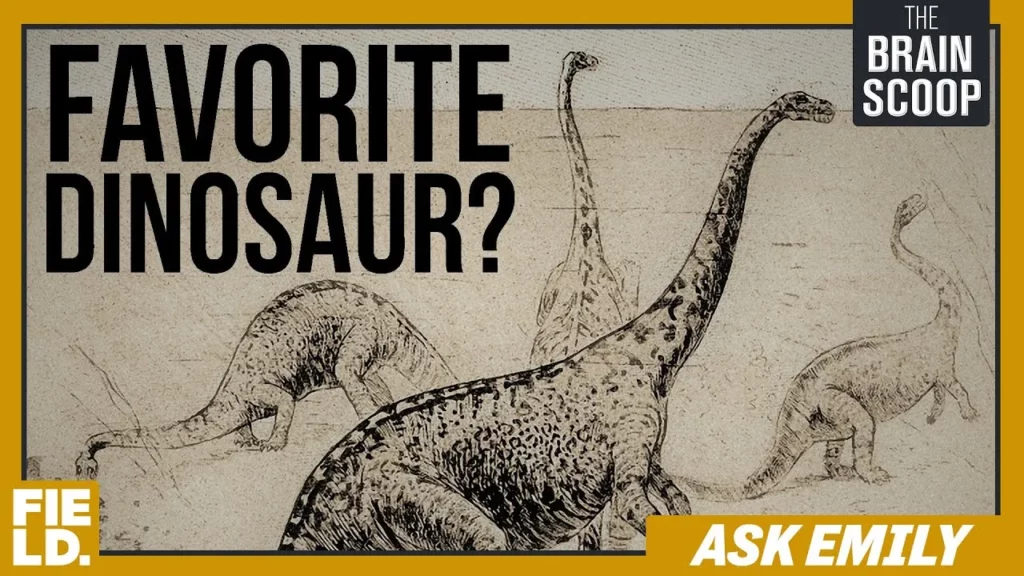
In today’s lesson from The Brain Scoop, we explored a variety of fascinating scientific and historical topics, including the ancient origins of fire on Earth, the colossal size of sauropods like Amphicoelias, and the remarkable adaptations of insects such as the bombardier beetle. We also discussed the evolution of bipedalism in early humans, unique animal relationships like that of sloths and algae, and the intriguing process of diaphonization used to study animal anatomy. Overall, the lesson emphasized the importance of curiosity and exploration in understanding the wonders of our world.
Inside the Whale Warehouse!
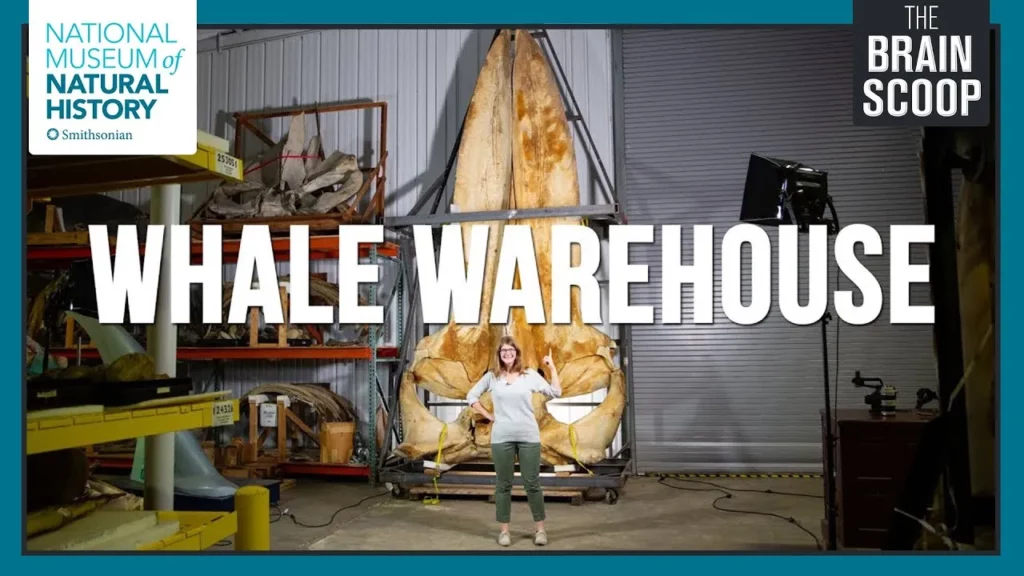
In this lesson, we explore the fascinating world of cetaceans—whales, dolphins, and porpoises—at the Smithsonian’s Whale Warehouse, the largest collection of whale materials globally. Through the insights of Dr. Michael McGowen, we learn about unique adaptations, such as echolocation, the significance of historical specimens for conservation, and the importance of preserving endangered species like the vaquita porpoise. The lesson highlights how museums play a crucial role in advancing our understanding of marine mammals and their ecosystems.
The Rare Book Room!
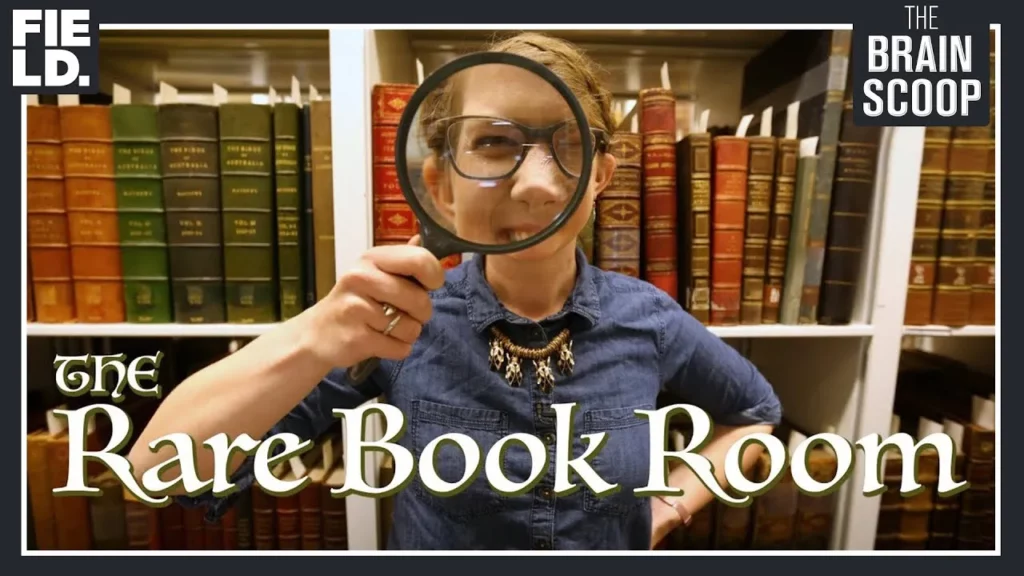
In this lesson, participants explore the Mary W. Reynolds rare book room at the Field Museum, guided by librarian Emily and head of library collections Christine. They learn about the criteria that make books rare, discover unique works such as *American Medicinal Plants* and a 1554 natural history book by Ippolito Salviani, and appreciate the significance of first editions and limited editions, including Darwin’s *Origin of Species* and Audubon’s *Birds of America*. The session emphasizes the importance of preserving these historical treasures and highlights the museum’s efforts to make them accessible online through digitization.
The Nondenominational Holiday Botanical Celebration
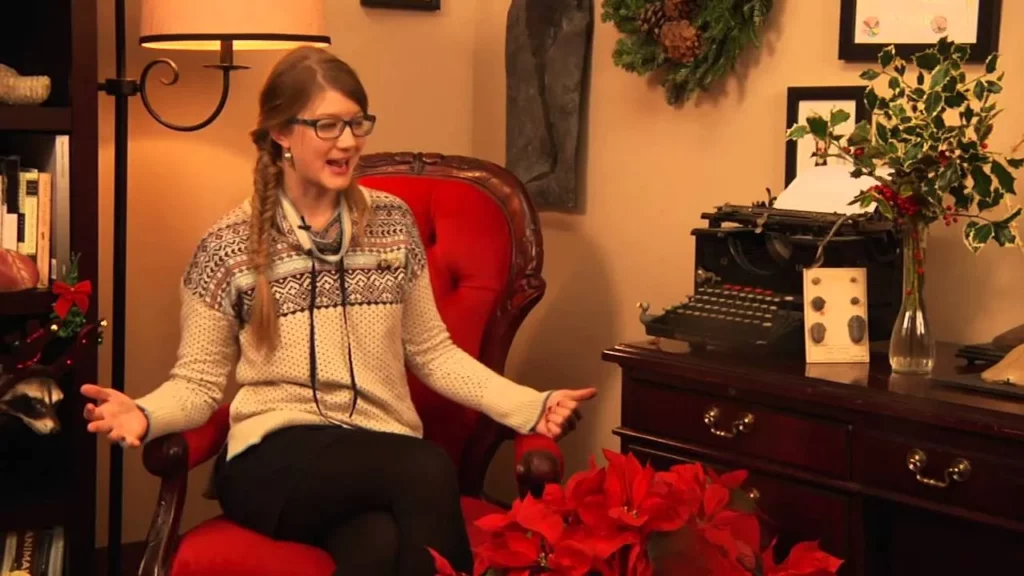
The lesson introduces participants to popular holiday plants, highlighting their unique characteristics and safety considerations. It discusses mistletoe as a parasitic plant, the non-toxic nature of poinsettias despite common misconceptions, the toxicity of holly berries, and the traditional use of conifer evergreens while emphasizing fire safety. Overall, it encourages a safe appreciation of these festive plants during the holiday season.
GLOW ROCKS
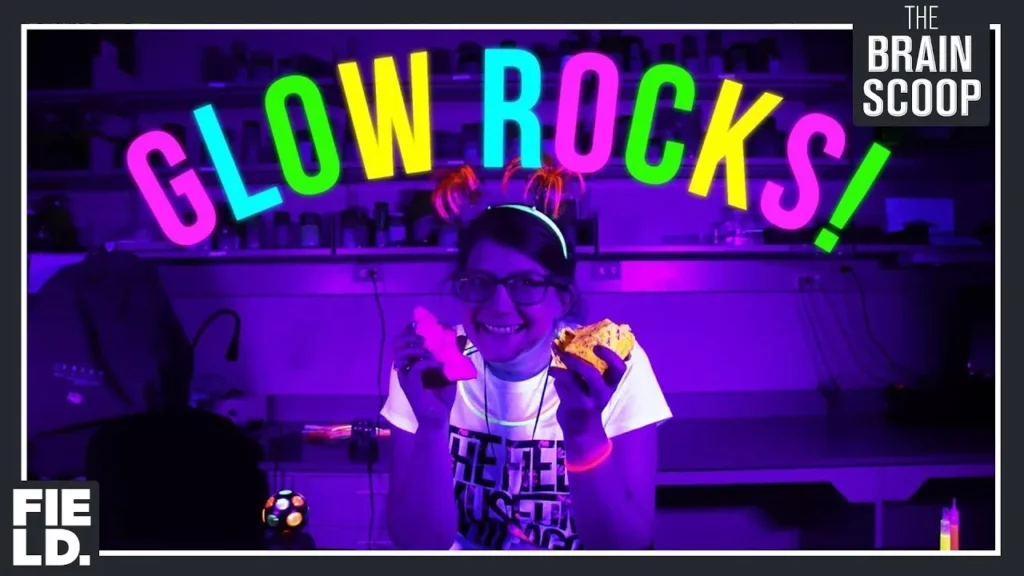
This lesson explores the captivating world of fluorescent minerals, which emit light when exposed to certain types of energy, particularly ultraviolet (UV) light. It explains the science behind fluorescence, detailing how activator elements within minerals interact with UV light to produce vibrant colors, and distinguishes between fluorescence and phosphorescence, the latter allowing minerals to glow even after the light source is removed. Through examples like calcite and opal, the lesson highlights the beauty and complexity of these natural phenomena.