
Bending Fossils: Experiments In Paleontology (Harvard Adventures, Part 3)
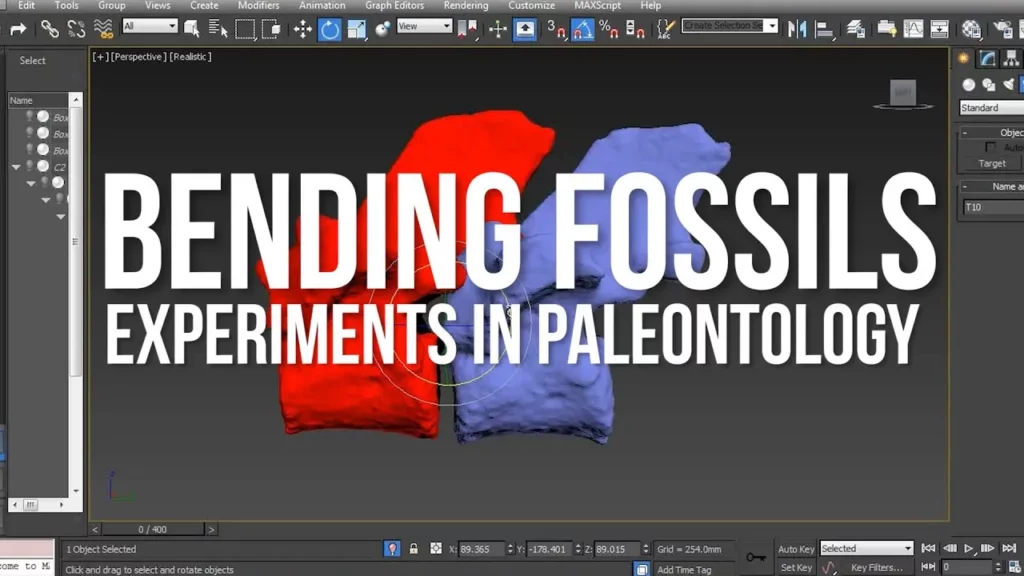
In the lesson “Exploring Vertebrate Paleontology: The Bending Experiment,” Dr. Stephanie Pierce and her team investigate the anatomy and evolution of vertebrates by examining the vertebral column of modern and fossilized animals. Through physical experiments on a fisher’s vertebrae and advanced technologies like CT scanning and 3D modeling, they explore vertebral movement and flexibility, aiming to understand the evolutionary changes in locomotion styles from ancient to modern mammals. This innovative research combines traditional methods with modern technology, providing valuable insights into the history of vertebrate life on Earth.
The Naked Mole-Rat
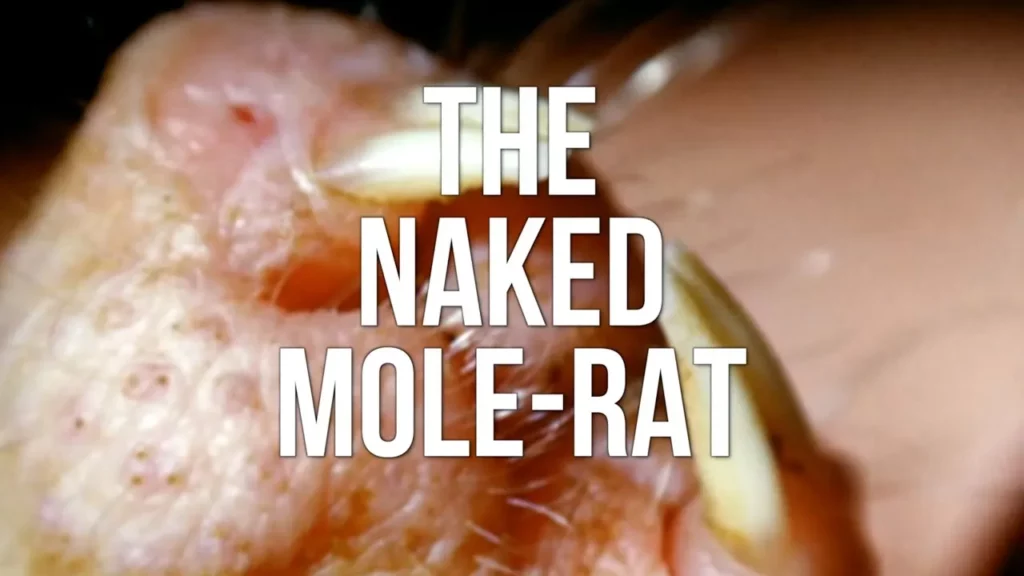
The lesson explores the unique characteristics of naked mole rats, highlighting their resistance to cancer, social behaviors, and adaptations to underground living. These fascinating creatures live in large colonies with a queen, exhibit cold-blooded traits, and can survive in low-oxygen environments, making them distinct from other mammals. Researchers propose classifying them into their own family due to their unique evolutionary history, which could provide insights into human health and aging.
What is a species?
The lesson explores the complexities of defining a species, highlighting that there is no universal definition due to the diverse ways scientists approach classification. It discusses various concepts, such as the Biological, Morphological, Genotypic, Ecological, and Evolutionary Species Concepts, each suited for different contexts and organisms. Ultimately, understanding these definitions is essential for addressing environmental and health challenges, as well as appreciating the diversity of life on Earth.
Aliens? Demon? Nope, it’s just a fish. [60 Second Specimens]
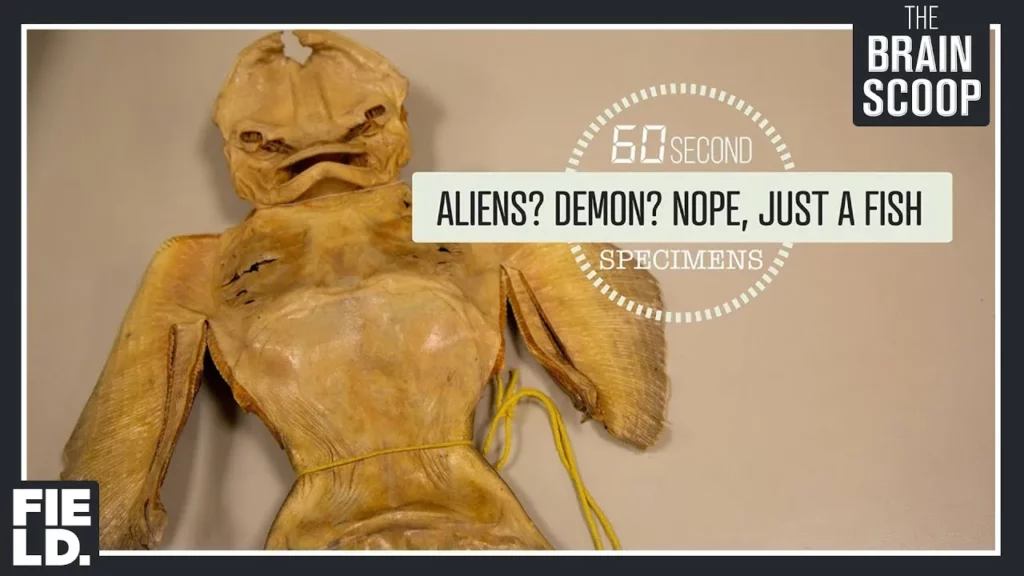
In 1953, Dr. Charles H. Seevers discovered a peculiar creature in an antique store in Guadalajara, which turned out to be a crafted fish figure known as a Jenny Haniver, made from species like the guitarfish. This tradition, dating back to the 16th century, involved transforming certain fish into bizarre shapes for sale to tourists, but has declined due to conservation efforts. Despite this, Jenny Hanivers remain a fascinating part of cultural history, preserved in museums that showcase the unique relationship between humans and nature.
Campaigning for CHANGE! Don’t be Shallow – Vote for Mallow

In this lesson, we explored the campaign to change Illinois’ state flower from the common violet to the Kankakee Mallow, a rare plant that symbolizes resilience in the face of environmental changes. Through engaging activities, including discussions at the Field Museum and a catchy slogan, “Don’t be shallow, vote Mallow,” we raised awareness about the importance of endemic species and the unique natural beauty of Illinois. Additionally, we learned about various state symbols across the U.S., highlighting the diverse and often surprising representations of each state’s identity.
The Human Biology Collection
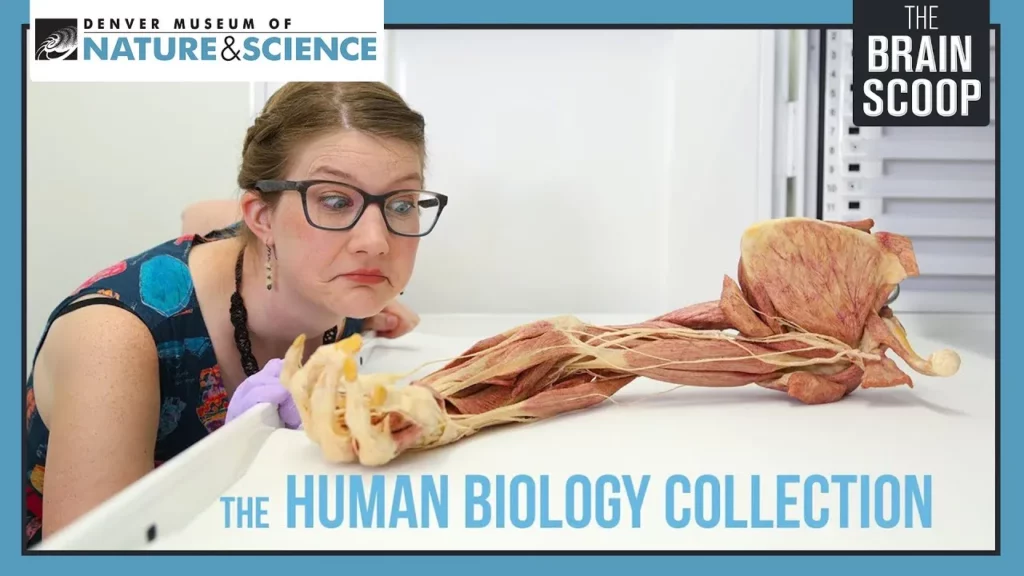
The lesson explores the Denver Museum of Nature and Science, highlighting its extensive exhibits in natural history, health sciences, and human biology. Visitors can engage with real specimens through plastination, learn about genetics, and even participate in research by providing DNA samples, making their experience both educational and interactive. The museum offers a unique opportunity to discover the wonders of nature and our place within it, appealing to a wide range of interests.
De-Extinction, Part Two: Yes, no, maybe so?
The lesson explores the ethical and philosophical implications of de-extinction, particularly in light of the current mass extinction crisis driven by human activities. It raises critical questions about our moral responsibility to revive extinct species, the challenges of integrating them into modern ecosystems, and the resource implications of such efforts. Ultimately, the discussion encourages participants to reflect on the potential benefits and drawbacks of bringing extinct species back to life.
Darkling Beetles: Spray acid, play dead

The lesson explores the diverse and intriguing world of beetles, particularly focusing on darkling beetles, which comprise a significant portion of the estimated 400,000 described beetle species. Researchers, supported by a National Science Foundation grant, are working to make beetle data more accessible, highlighting the unique adaptations of darkling beetles that allow them to thrive in various environments and their potential role in understanding climate change adaptation. Overall, the study of beetles reveals the complexity and resilience of life on Earth, emphasizing the importance of continued research in this area.
A Commitment to Curiosity.
In this lesson, the speaker shares personal stories that emphasize the importance of curiosity and understanding in exploring both the natural world and diverse cultures. Through encounters with a Virginia opossum and reflections on challenging personal biases during a school trip, the speaker highlights the value of open-mindedness and the need to appreciate differences. Ultimately, the lesson encourages embracing diversity and fostering understanding to become better allies in a complex world.
Botflies, Chicago Parakeets, and the Smallest Collection | Ask Emily

In this lesson from Natural News, viewers are introduced to intriguing aspects of natural history, including the unsettling life cycle of botflies, the remarkable discovery of living coelacanths, and the history of the Field Museum. The lesson also touches on the unexpected presence of Monk Parakeets in Chicago and highlights the museum’s impressive meteorite collection, emphasizing the importance of curiosity in exploring the natural world.