
Moths vs Butterflies
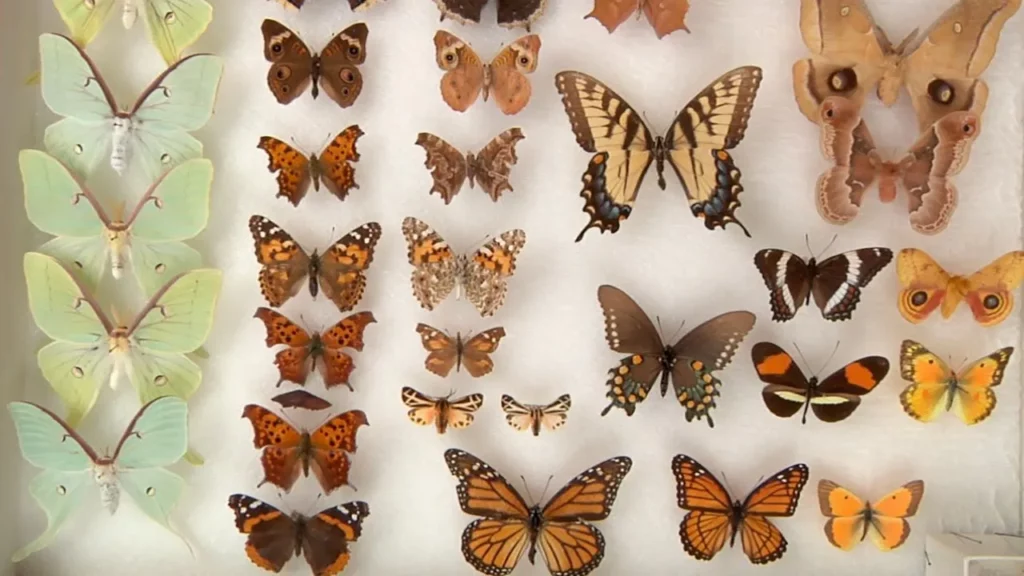
In this lesson, we explored the key differences between butterflies and moths, both of which belong to the Lepidoptera group. Key distinctions include their antennae shape, life cycle transformations (chrysalises for butterflies and cocoons for moths), resting positions, body shapes, coloration, and their activity patterns, with butterflies typically being daytime flyers and moths often active at night. Understanding these differences enhances our appreciation of these fascinating insects in nature.
Beetles, Mites, Cockroaches Oh My! [Insect Collection Tour]
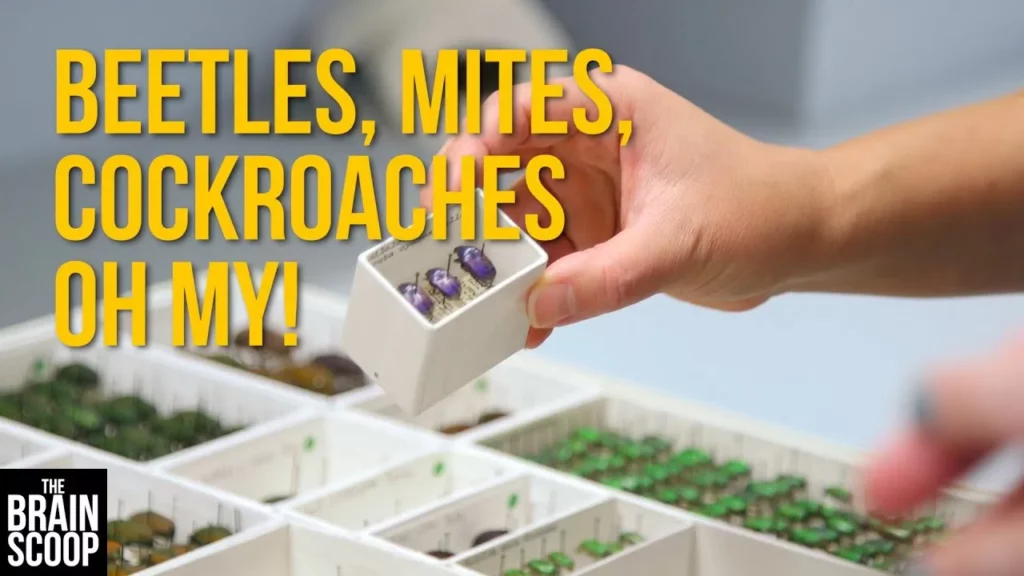
The lesson explores the extensive insect collection at The Field Museum, which houses approximately twelve million specimens, including notable collections of rove beetles and mites. Organized in specialized cabinets for easy access, the collection features unique historical contributions, such as the Frank Psota Collection, and highlights the ongoing journey of insect discovery, emphasizing that many specimens remain unidentified. The lesson encourages curiosity and the possibility of personal exploration in entomology, inviting individuals to start their own insect collections.
The Hero Shrew
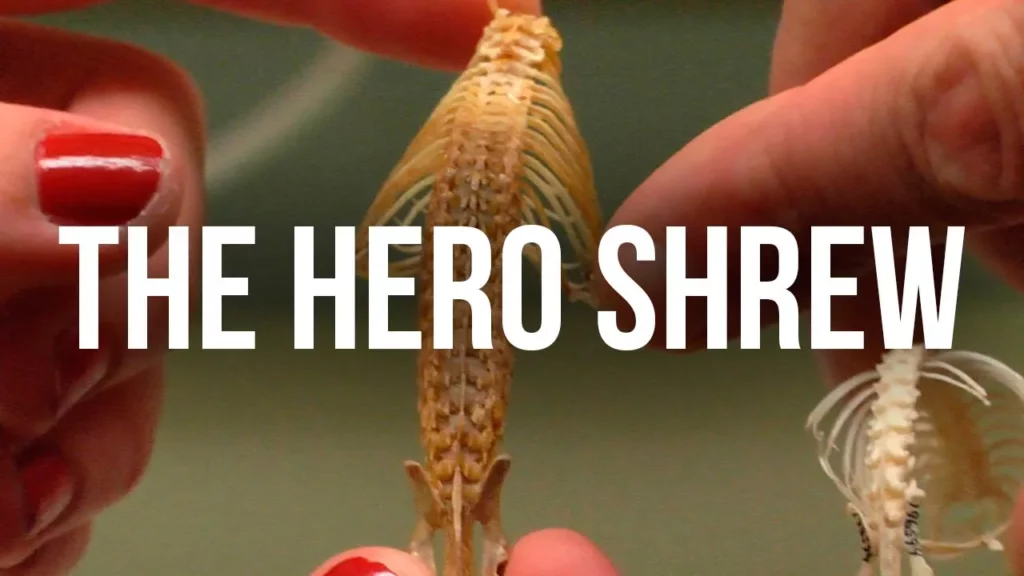
The lesson discusses the fascinating discovery of the hero shrew in the eastern Congo, highlighting its unusual size and remarkable resilience, which allows it to withstand significant weight without injury. Researchers uncovered its unique vertebral structure, which features an extraordinary number of lumbar vertebrae, leading to insights about its evolutionary significance and potential advantages in accessing food sources. The recent identification of a new species of hero shrew adds to our understanding of evolutionary biology and exemplifies the excitement of scientific discovery.
Bloopers, Deleted Scenes, and Other Oddities, Part Seven
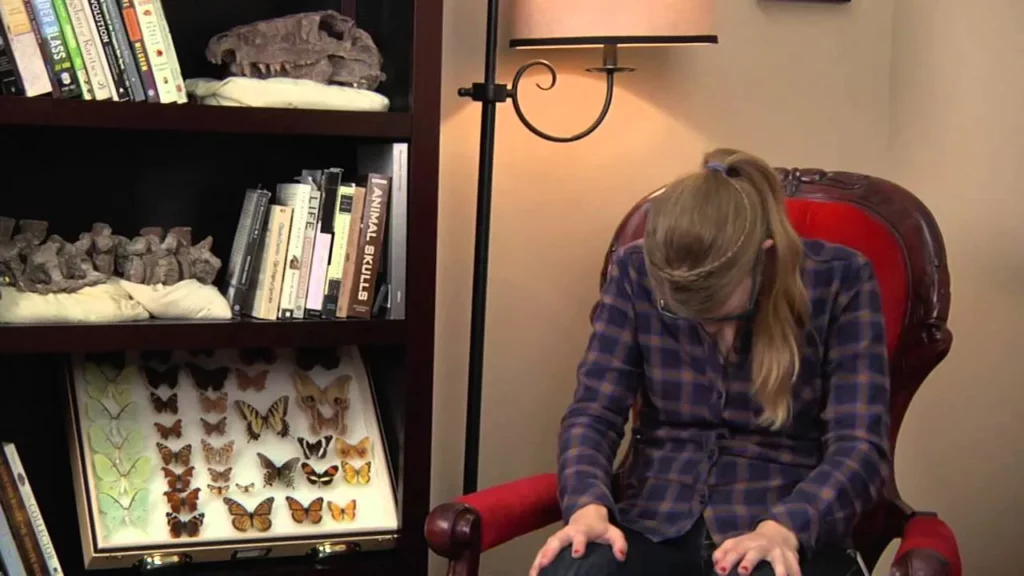
In this lesson, students embark on an exciting exploration of the Field Museum, discovering the wonders of plants, animals, and geology. Highlights include a visit to the DNA lab, the artistry behind handmade plants, the unique life cycle of mistletoe, the fascinating world of rocks and minerals, and the transformative journey of caterpillars into butterflies. The lesson emphasizes the importance of curiosity and exploration in learning about the natural world.
The Tiger Beetle
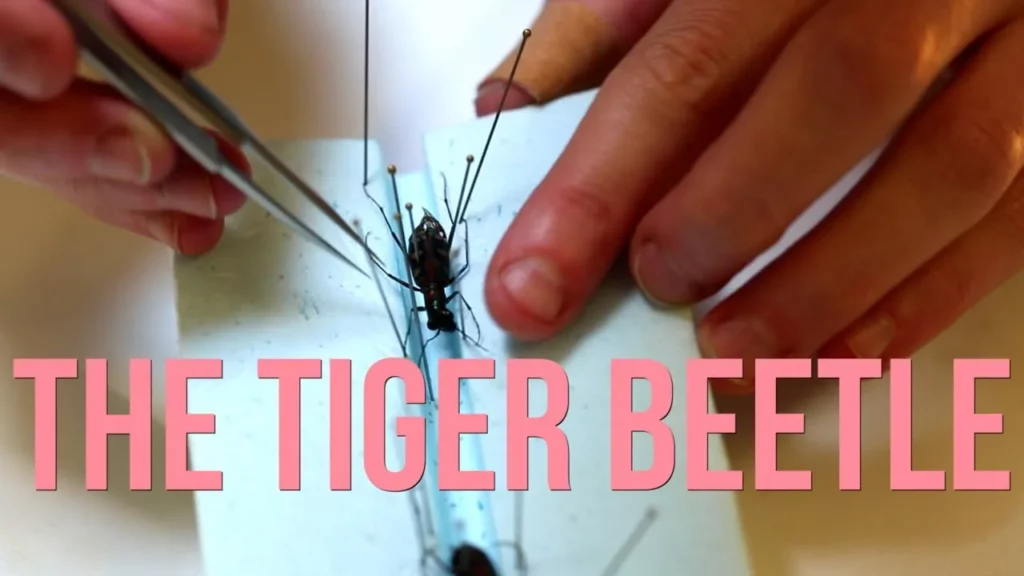
The lesson introduces tiger beetles, highlighting their impressive speed and hunting skills, which make them akin to ninjas in the insect world. These beetles can run at remarkable speeds and are adept at both chasing prey and employing stealthy ambush tactics as larvae. Observing these fascinating creatures in sandy environments can reveal their incredible abilities and behaviors.
The Amazing Laser

The lesson discusses the evolution of technology in museums, particularly focusing on the transformative impact of 3-D surface scanning at the Field Museum. This innovative tool allows researchers to create detailed digital representations of specimens on-site, enhancing data collection and analysis of skeletal diversity across various species. While the technology offers significant advantages for research, the lesson emphasizes the continued importance of preserving physical specimens for comprehensive scientific study.
The Man-Eating Lions of Tsavo
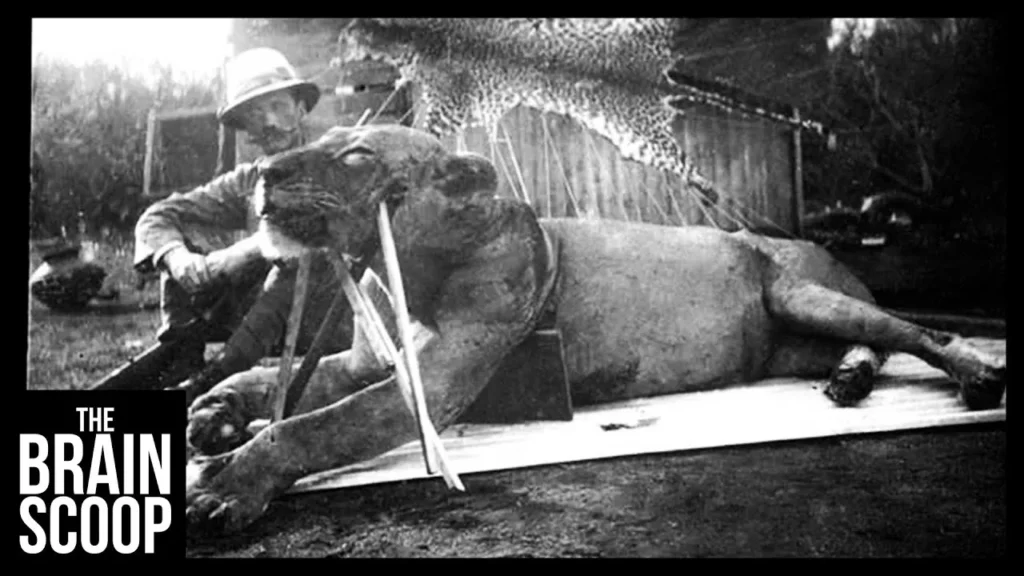
The lesson explores the true story of the Man-Eating Lions of Tsavo, which became infamous for attacking railway workers in Kenya in 1898. While popularized by the film “The Ghost and The Darkness,” the actual events reveal that Colonel John H. Patterson documented the lions’ attacks, leading to their eventual demise and preservation at The Field Museum. Recent scientific investigations have provided insights into the lions’ diet and potential reasons for their unusual behavior, highlighting ongoing research into their mysterious actions.
ARTHROPOD! | Ask Emily
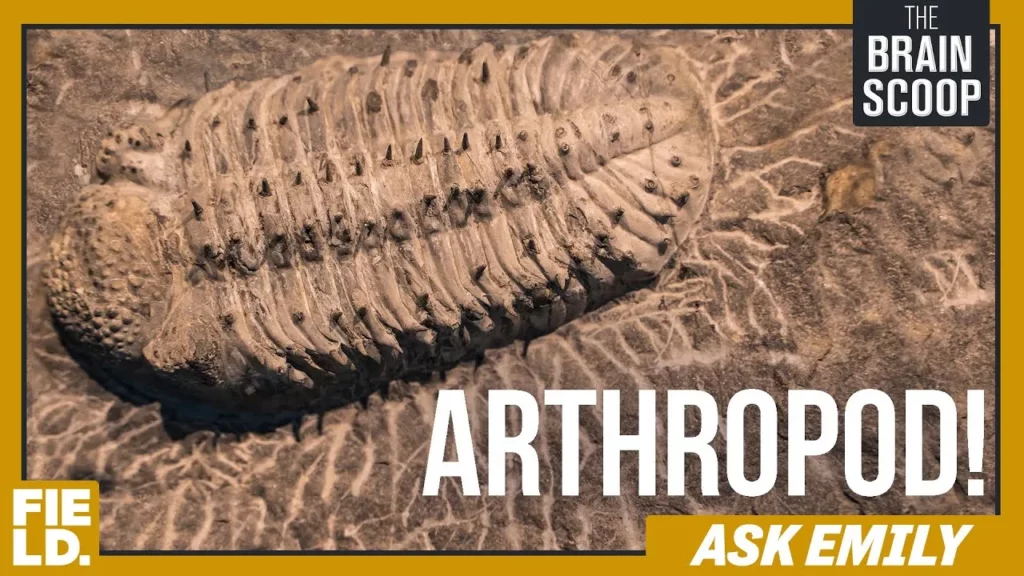
The lesson introduces students to the fascinating world of the Carboniferous period, highlighting the ancient arthropod known as the trilobite and its significance in Earth’s history. It also explores the role of museums in preserving and sharing knowledge about natural history and science, emphasizing the importance of collections, taxidermy, and the excitement of scientific discovery. Overall, the lesson encourages curiosity and appreciation for both science and the natural world.
Mammoths vs. Mastodons: Can we ‘de-extinct’ them both?
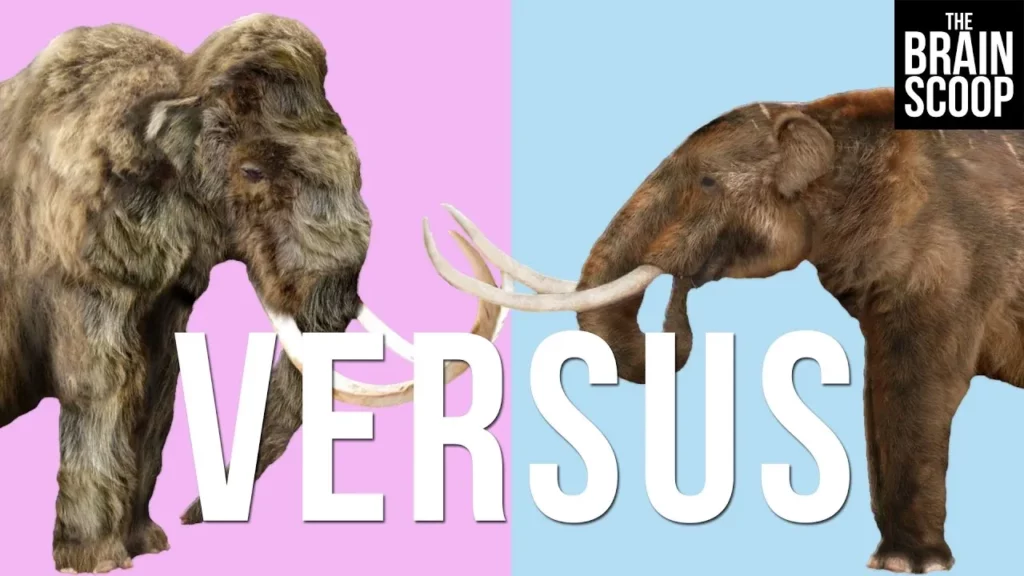
The lesson explores the concept of de-extinction, focusing on the woolly mammoth, a species that went extinct around 10,000 years ago. Scientists are investigating the possibility of reviving this creature by using well-preserved genetic material found in permafrost and inserting mammoth genes into living elephants. The lesson also highlights the differences between mammoths and mastodons, discusses the reasons behind their extinction, and raises ethical questions about the implications of bringing extinct species back to life.
Millipedes: The First Land Animals
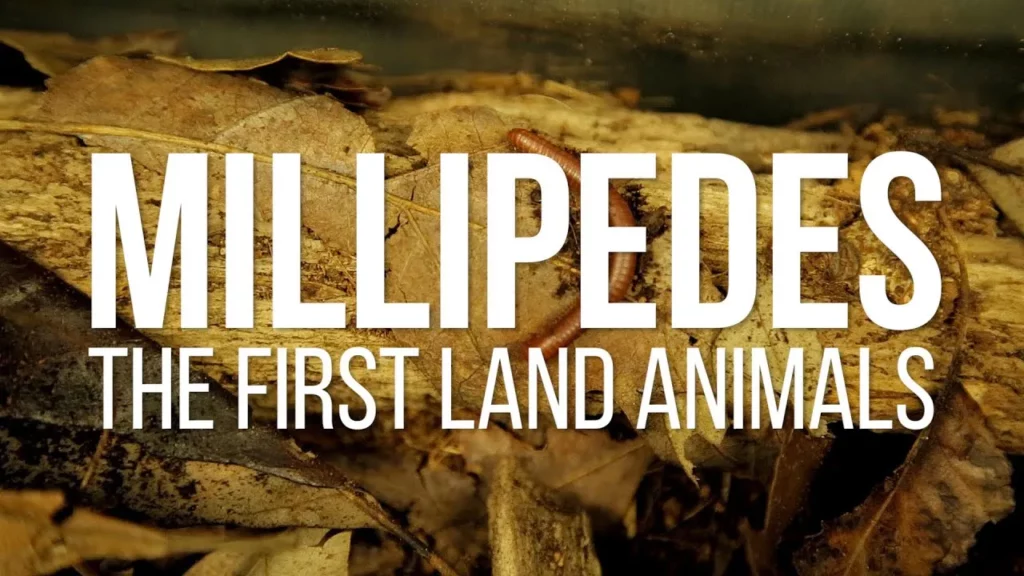
In this lesson, Associate Curator Petra Sierwald guides us through the fascinating world of millipedes, highlighting their unique characteristics, ecological roles, and diversity. Contrary to popular belief, millipedes do not have a thousand legs; they are gentle herbivores that play a crucial role in nutrient cycling and forest health. The lesson also emphasizes the need for further research and conservation efforts, as millipedes face threats from habitat loss despite their ancient lineage and ecological importance.