
Clearing and Staining Fishes
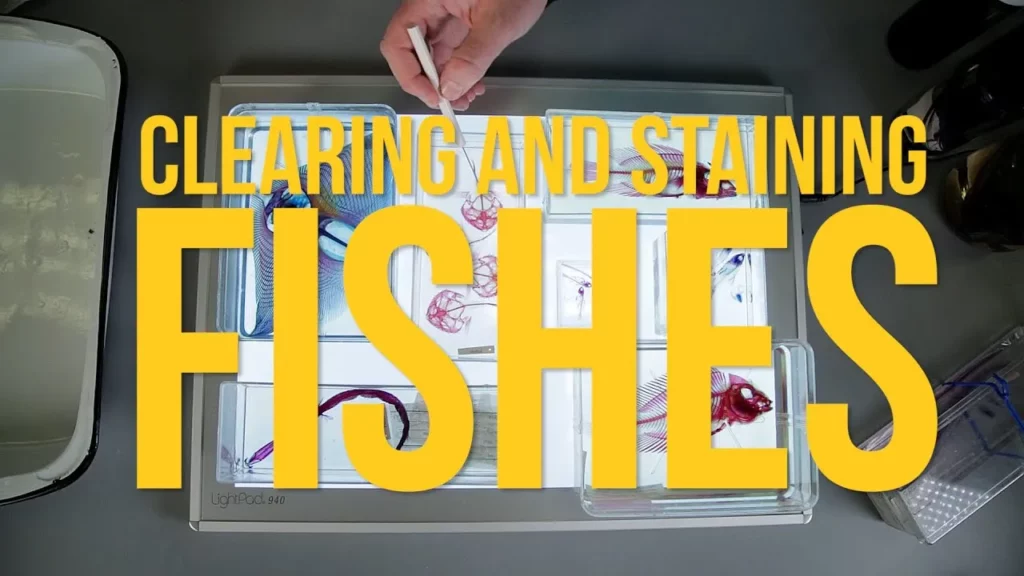
The lesson on clearing and staining, as discussed with Dr. Caleb McMahan, highlights a crucial technique in scientific research that enhances the study of skeletal structures in various specimens, particularly fish. This method involves making specimens transparent while staining their skeletal components, allowing for detailed 3D visualization that reveals anatomical variations and evolutionary insights. Beyond fish, this technique is applicable to other vertebrates and has led to significant discoveries in biomechanics and species diversity, underscoring its importance in biological research.
What is a Museum?
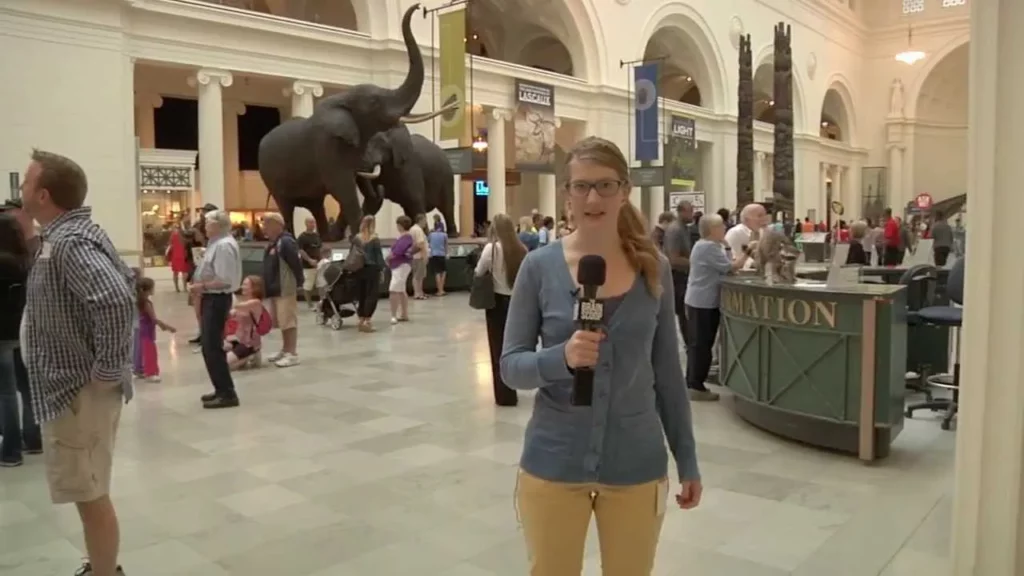
In this lesson, Emily Graslie explores the concept of a museum, describing it as a treasure chest filled with artifacts that help us learn about history, science, and our world. Museums serve as vital research centers and places of wonder, allowing visitors to experience history and engage with collections that inform our understanding of the past, present, and future. The lesson emphasizes the importance of museums in connecting us to our heritage and the dedicated individuals who work behind the scenes to facilitate this learning.
I waited 4+ years for this: the World Taxidermy Championships!
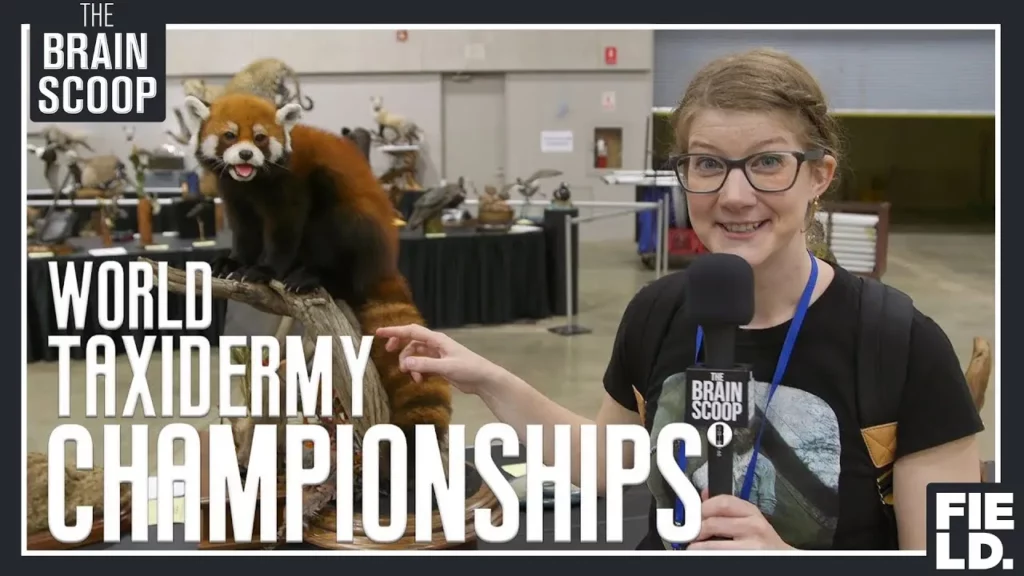
The lesson explores the World Taxidermy and Fish Carving Championships, highlighting its evolution into a prestigious event that celebrates taxidermy as a contemporary art form. Participants from around the globe showcase their skills across various categories, with judging focused on technical accuracy and artistic expression. The championships not only recognize individual talent but also foster a vibrant community of wildlife artists, demonstrating the creativity and innovation within the field.
Chicago Adventure, Part One: Beetles ‘n Bats
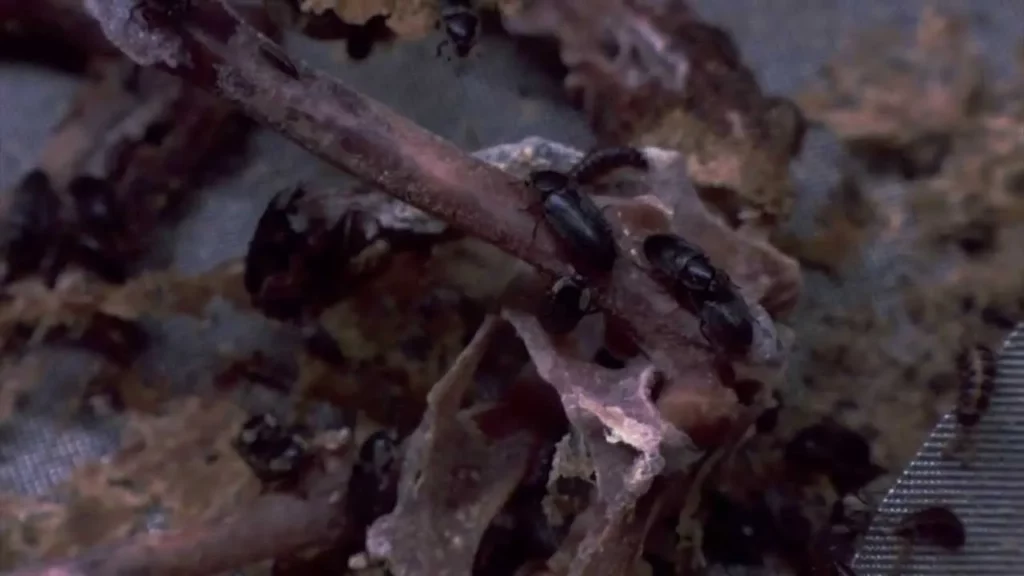
The lesson explores the Chicago Field Museum, highlighting its significance as a leading natural history museum and the passionate dedication of its staff. It details the meticulous processes involved in specimen preparation and preservation, including the unique role of the dermestid beetle colony in cleaning specimens. Additionally, the lesson emphasizes the museum’s commitment to maintaining its collections for future generations, ensuring ongoing opportunities for scientific discovery and education.
Paleoart: Painting the Land Before Time
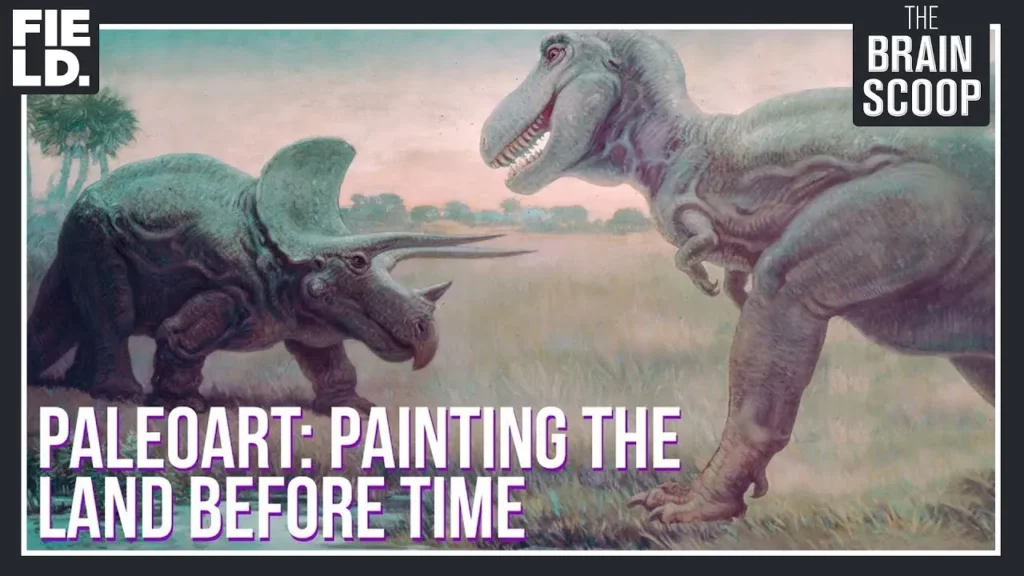
The lesson highlights the significant role of art in understanding and visualizing prehistoric life, particularly through the contributions of artists like Charles Knight, John Conrad Hansen, and Maidi Wiebe at the Field Museum. Their detailed and imaginative works not only brought dinosaurs to life but also helped bridge the gap between scientific research and public understanding. As the museum undergoes exciting changes, including a new display for the T. Rex Sue, the legacy of these artists continues to inspire and educate visitors about the ancient world.
Chicago Adventure, Part Eight: How to be an Insect
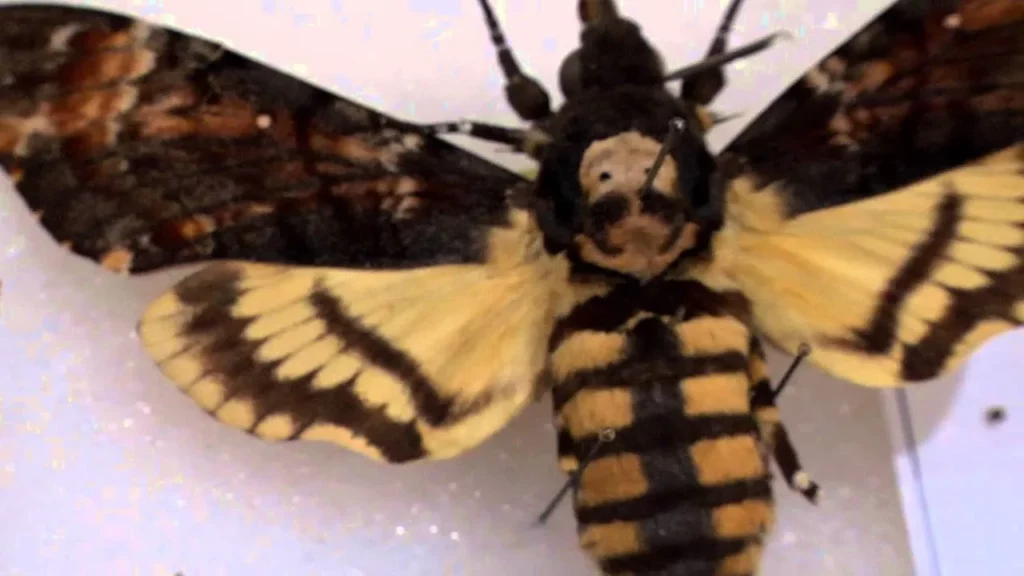
The lesson explores the fascinating world of insects showcased at the Chicago Field Museum, highlighting unique species such as katydids, giant walking sticks, and feather-winged beetles. It emphasizes the incredible adaptations these insects have developed for survival, including camouflage and mimicry, and discusses their ecological roles and relationships with other species. Overall, the lesson showcases the museum as a valuable resource for learning about the diversity and importance of insects in nature.
Where’d you get all those dead animals?
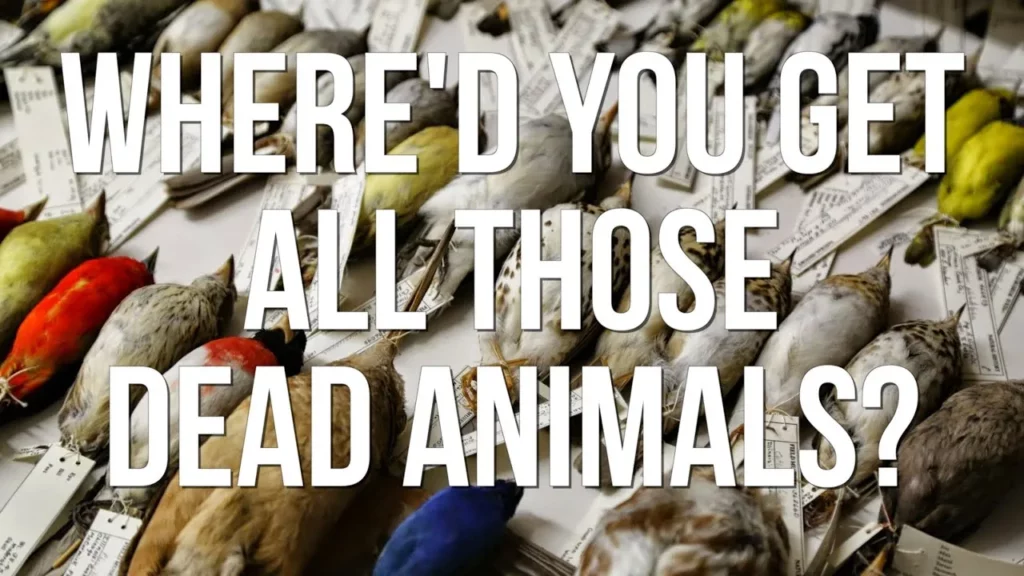
The lesson on “Exploring the World of Animal Anatomy and Biodiversity” emphasizes the significance of collecting animal specimens for scientific research, particularly in understanding biodiversity and ecosystem changes over time. While there is ongoing debate about the ethics of specimen collection, the lesson highlights that museum collections serve as invaluable resources for studying species history, addressing environmental threats, and informing conservation efforts. Ultimately, the careful and regulated collection of specimens is essential for advancing biological knowledge and preserving species for future generations.
Mammalian Diversification
This lesson explores the evolution of placental mammals, highlighting how a massive extinction event 65 million years ago allowed these mammals to diversify and thrive. Recent research challenges previous beliefs about their origins, suggesting that placental mammals coexisted with monotremes before the extinction, and modern techniques combining fossil and genetic data have helped clarify their evolutionary history. Ultimately, this study underscores the importance of interdisciplinary approaches in understanding the complex history of life on Earth.
Fossil Meteorites
The lesson on fossilized meteorites, led by expert Philipp Heck, explores their discovery, rarity, and the scientific methods used to study them, particularly through the use of scanning electron microscopes. It highlights the unique geological context of fossilized meteorites found in Sweden, their dating through cosmic ray exposure, and the significance of their mineral composition in identifying extraterrestrial origins. Overall, the study of these ancient celestial objects provides valuable insights into Earth’s history and the solar system’s dynamic processes.
Meteorites From Spaaaaaace!
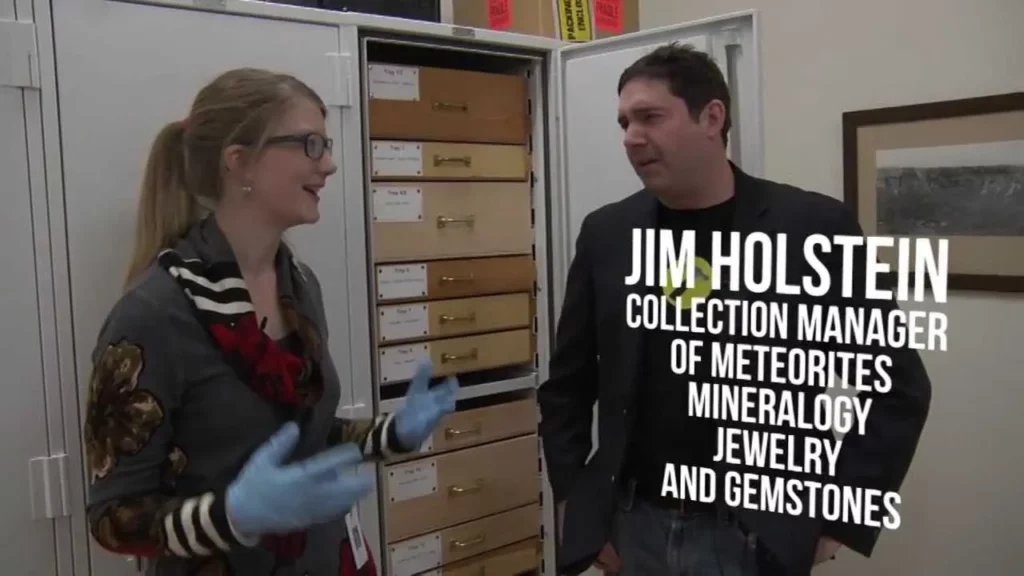
In this lesson, we explored the fascinating world of meteorites with insights from expert Jim Holstein. Meteorites, which are pieces of rock from space that survive their journey through Earth’s atmosphere, come in three main types: stony, iron, and stony-iron, with chondritic meteorites being the most common. These celestial objects provide valuable information about the history and formation of our solar system, including rare specimens from Mars that offer a glimpse into the planet’s mineralogy.