
Assembly Line History | Learn the background of the assembly lines and what made them so important
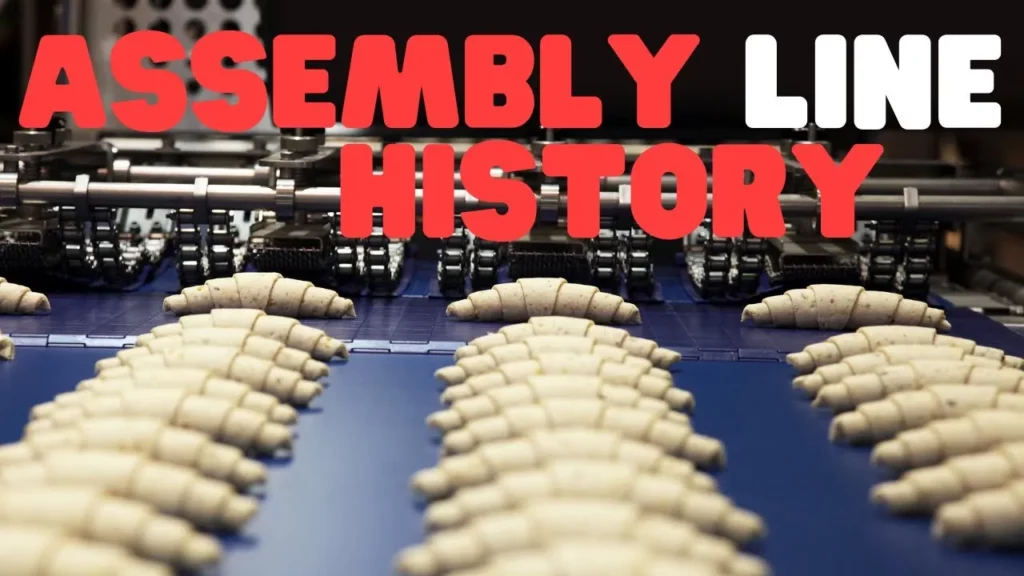
The lesson on “Understanding the Assembly Line” explores the evolution of production methods, highlighting the transition from handmade goods to the mechanized processes of the Industrial Revolution. It details the introduction of interchangeable parts and the assembly line, pioneered by Ransom Olds and later improved by Henry Ford, which revolutionized manufacturing by significantly increasing efficiency and reducing costs. The assembly line’s impact is profound, as it has enabled mass production across various industries, ensuring high-quality products and meeting consumer demand.
ASL Rights and Responsibilities for Kids
In this lesson, students learn about the essential concepts of rights and responsibilities, emphasizing that rights are fundamental entitlements everyone deserves, while responsibilities are actions individuals must take that can impact others. The lesson highlights the interconnectedness of rights and responsibilities, using examples such as the right to education and the responsibility to attend school. It also encourages students to recognize their power in advocating for themselves and others, fostering a sense of respect and community.
ASL Amphibians for Kids
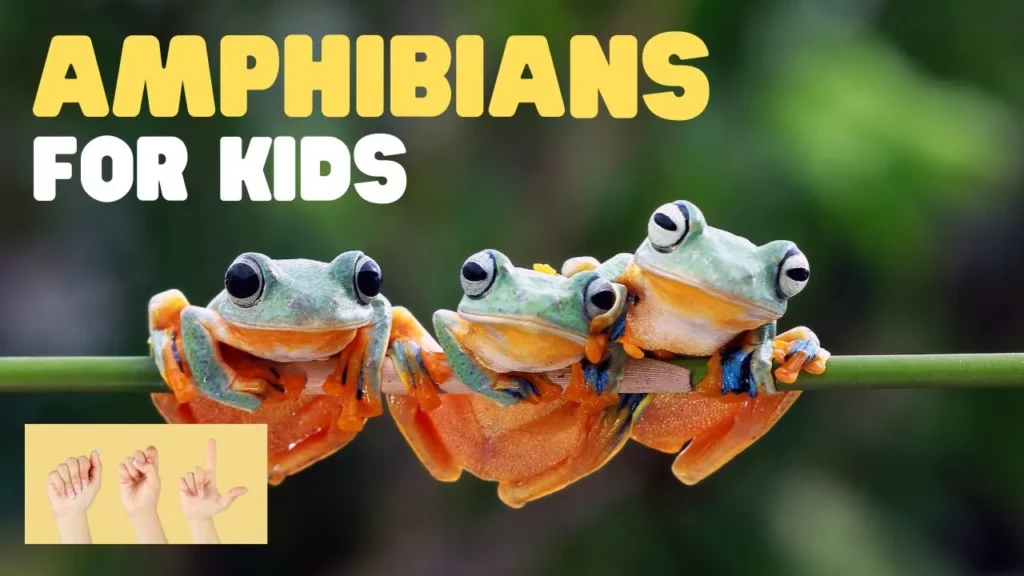
In this lesson, students explore the classification of animals, focusing on their shared characteristics and differences. They learn about various animal groups, such as mammals, reptiles, birds, and fish, and delve into the unique category of amphibians, which can live both on land and in water. The lesson highlights the life cycle of amphibians, their physical traits, and their habitats, encouraging students to appreciate the diversity of animal life.
ASL Meteors for Kids
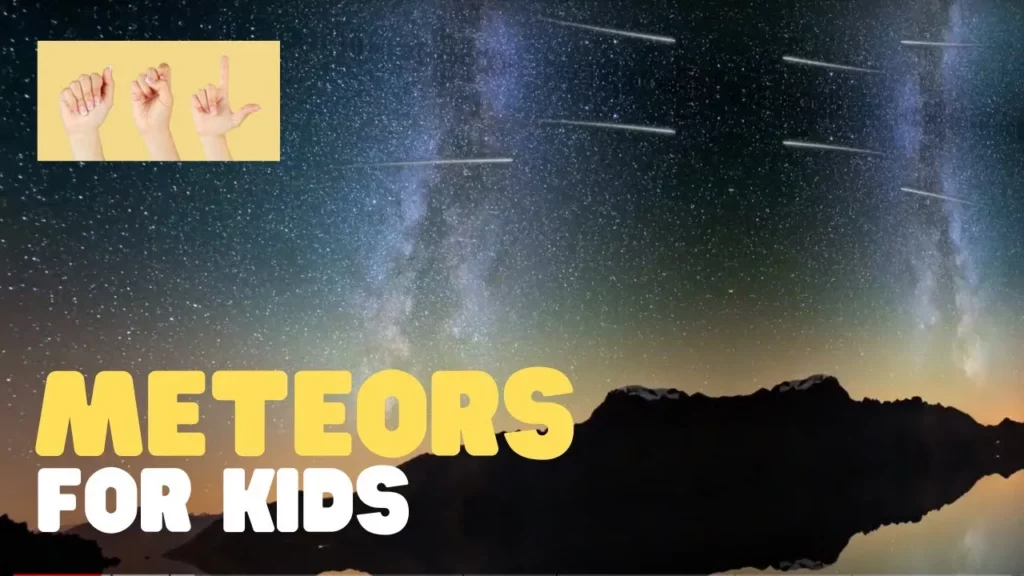
In this lesson, students learn about meteors, which are pieces of rock that burn up in Earth’s atmosphere, creating the bright streaks of light often referred to as shooting stars. The lesson explains the journey of meteoroids as they enter the atmosphere, the composition of meteors, and the distinction between meteors and meteorites. Additionally, it highlights famous meteorites and introduces the concept of meteor showers, encouraging students to share their newfound knowledge about these fascinating space phenomena.
ASL Financial Literacy—Checking and Savings Accounts
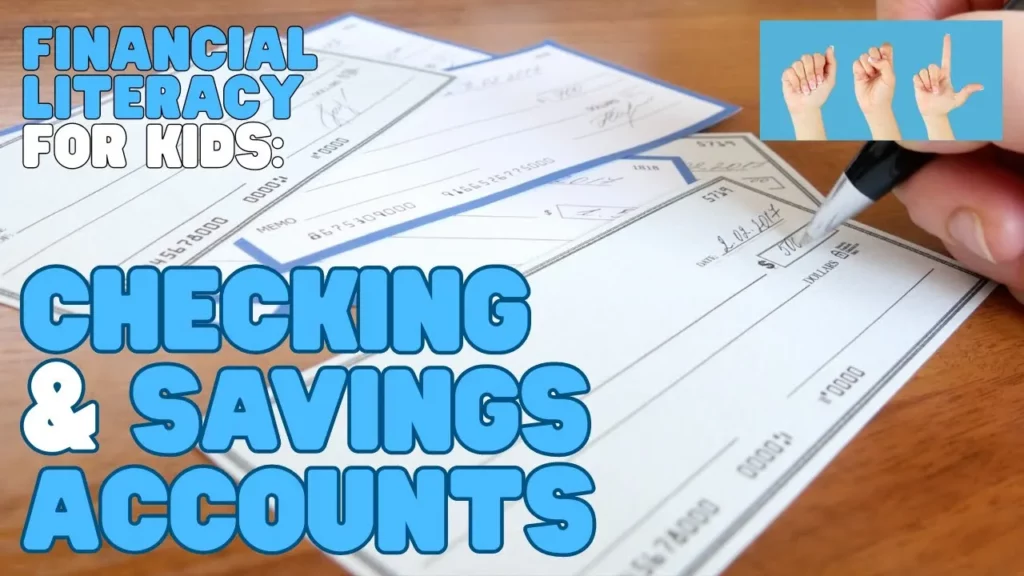
In this lesson, we learned about checking and savings accounts, which are essential tools for managing money effectively. A checking account is used for everyday transactions, allowing access to funds via checks or debit cards, while a savings account is designed for saving money and earning interest over time. Understanding the differences and functions of these accounts is crucial for making informed financial decisions.
ASL Trees for Kids
The lesson “All About Trees!” explores the significance, types, and growth processes of trees, highlighting their essential role in sustaining life on Earth. It discusses the two main types of trees—deciduous and evergreen—and emphasizes the importance of trees in providing oxygen, habitats, and resources while also addressing the threats they face from deforestation. The lesson encourages awareness and action to protect trees, reinforcing the beauty and value of these vital plants through the lens of poetry and science.
ASL Comets for Kids
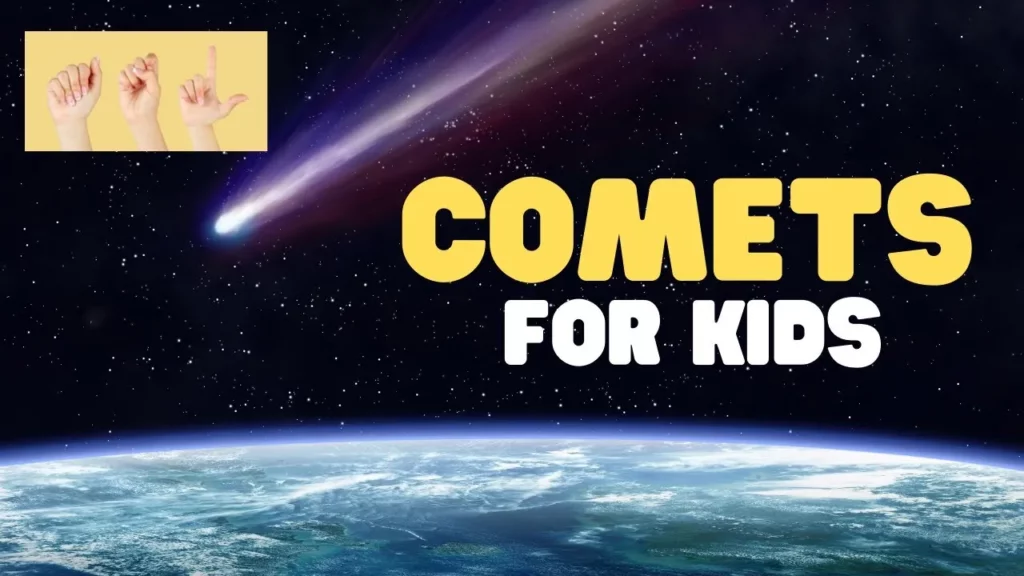
In this lesson, students learn about comets, which are fascinating celestial objects made of ice, dust, and rock, often described as “dirty snowballs” in space. The lesson covers how comets form, where they originate from in the solar system, and the spectacular tails they develop when approaching the Sun. Additionally, students are introduced to famous comets and encouraged to look for these rare and exciting phenomena in the night sky.
ASL Climates for Kids

This lesson explores the concept of climate, distinguishing it from weather and explaining how it varies across different regions of the Earth. It categorizes climates into three main types—Arctic, tropical, and temperate—while highlighting the factors that influence climate, such as proximity to oceans and elevation. Additionally, the lesson addresses the impact of seasons and human activities on climate change, encouraging students to reflect on the climate of their own location.
ASL Dr. Seuss for Kids
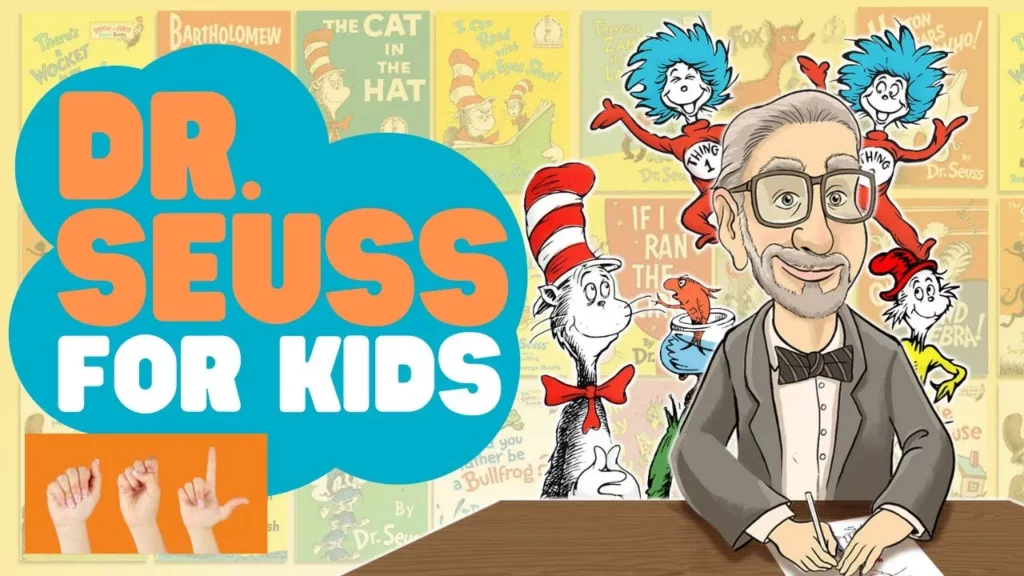
This lesson introduces students to Dr. Seuss, the beloved author known for his imaginative children’s books, revealing his real name, Theodore Seuss Geisel, and his journey to becoming a writer. It highlights his early life, the inspiration behind his rhyming style, and his significant contributions to literature, including the creation of iconic works like *The Cat in the Hat* and *Green Eggs and Ham*. The lesson concludes by celebrating his legacy and the joy he brought to readers around the world.
ASL Reading Comprehension for Kids
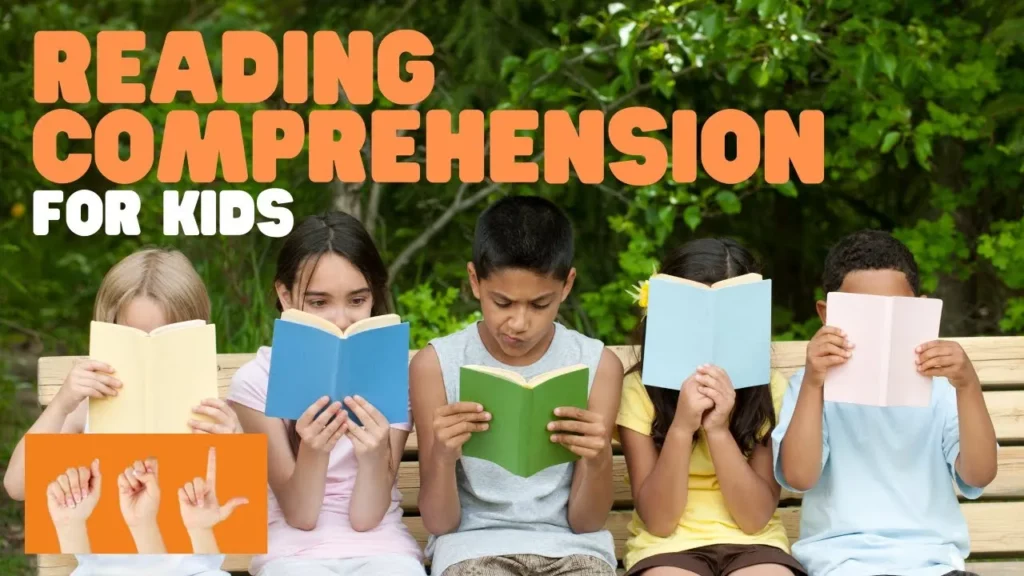
This lesson on reading comprehension for kids emphasizes the importance of understanding what you read and provides practical strategies to improve these skills. It introduces key techniques such as asking questions, looking for details and clues, and reviewing findings to enhance comprehension. Through the example of “Jack and the Beanstalk,” students learn to identify main characters, settings, and conflicts, while also developing the ability to make predictions and understand cause and effect in stories.