
ASL Water Pollution for Kids
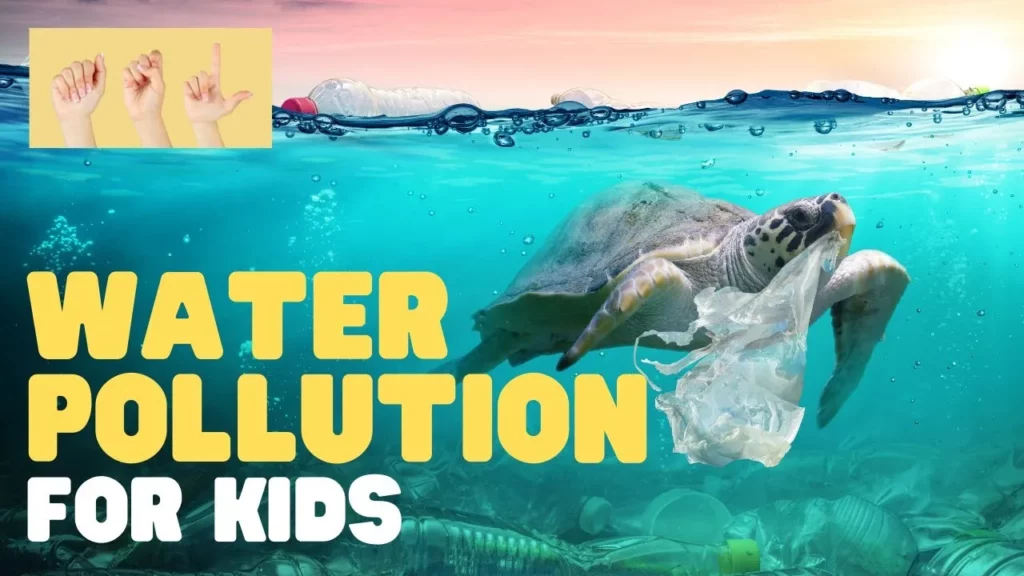
In this lesson on water pollution, students learn about the definition, sources, and importance of clean water. They discover that water pollution can be caused by both natural events and human activities, and they are encouraged to take action to prevent it through simple daily practices like conserving water and recycling. The lesson emphasizes the significance of clean water access for millions of people worldwide and empowers students to make a positive impact.
ASL Alexander Graham Bell for Kids
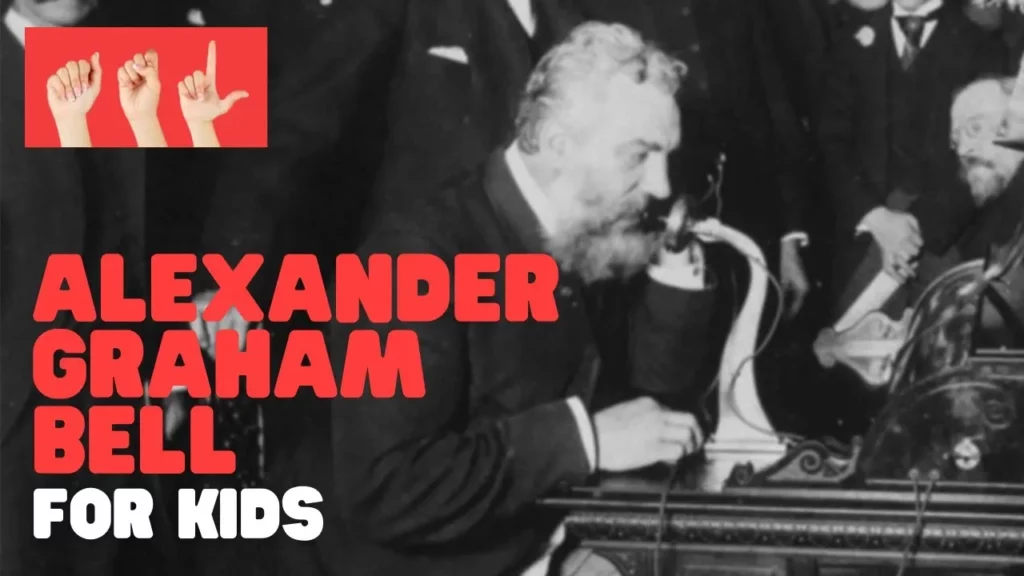
This lesson introduces Alexander Graham Bell, the inventor of the telephone, and explores his journey from a curious child in Scotland to a groundbreaking inventor. It highlights the communication challenges of the pre-telephone era, Bell’s inspiration from his deaf family members, and his successful creation of the telephone in 1876, which revolutionized communication. The lesson also touches on Bell’s other inventions and his lasting legacy in the world of technology.
ASL Lincoln Memorial for Kids
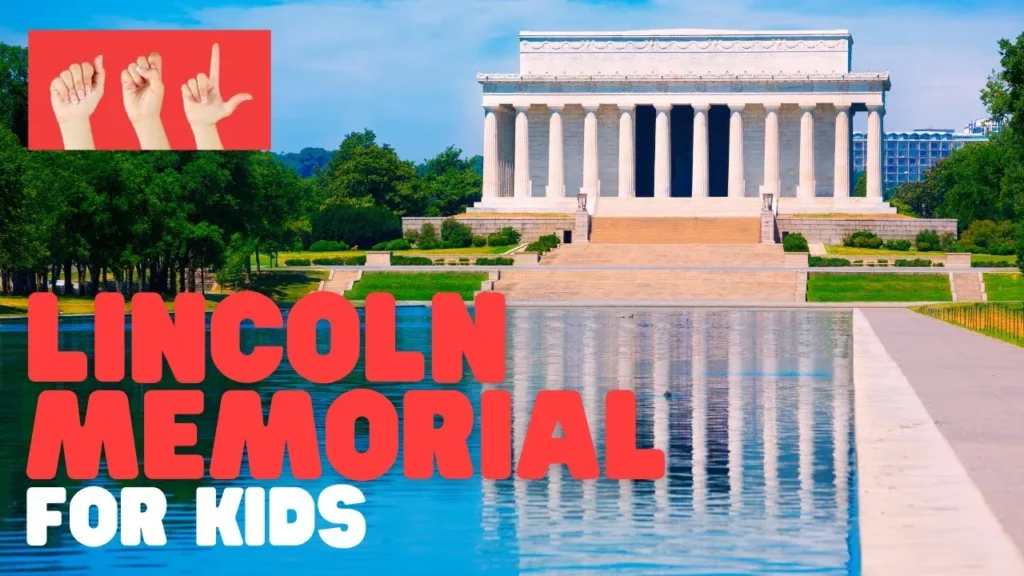
In this lesson, students explored the significance of the Lincoln Memorial, a tribute to Abraham Lincoln, the 16th president of the United States. They learned about the purpose of memorials in honoring important figures and events, Lincoln’s legacy in promoting civil rights, and the lengthy process of constructing the memorial, which symbolizes democracy and social justice today.
ASL Mammals for Kids
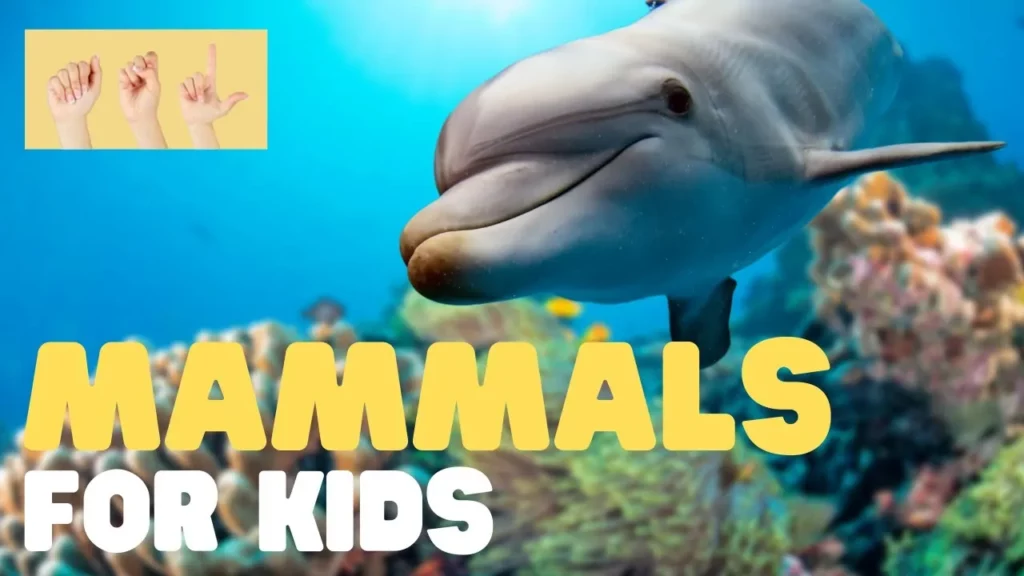
The lesson “All About Mammals!” introduces the classification of animals, highlighting that mammals are a significant group of vertebrates characterized by traits such as being warm-blooded, having hair or fur, and giving birth to live young. It emphasizes the importance of mammals in the animal kingdom, detailing their diverse diets, methods of temperature regulation, and unique reproductive practices, while also sharing fun facts about various mammal species. Overall, the lesson showcases the fascinating diversity and characteristics of mammals, encouraging further exploration of the animal world.
ASL Calendars for Kids
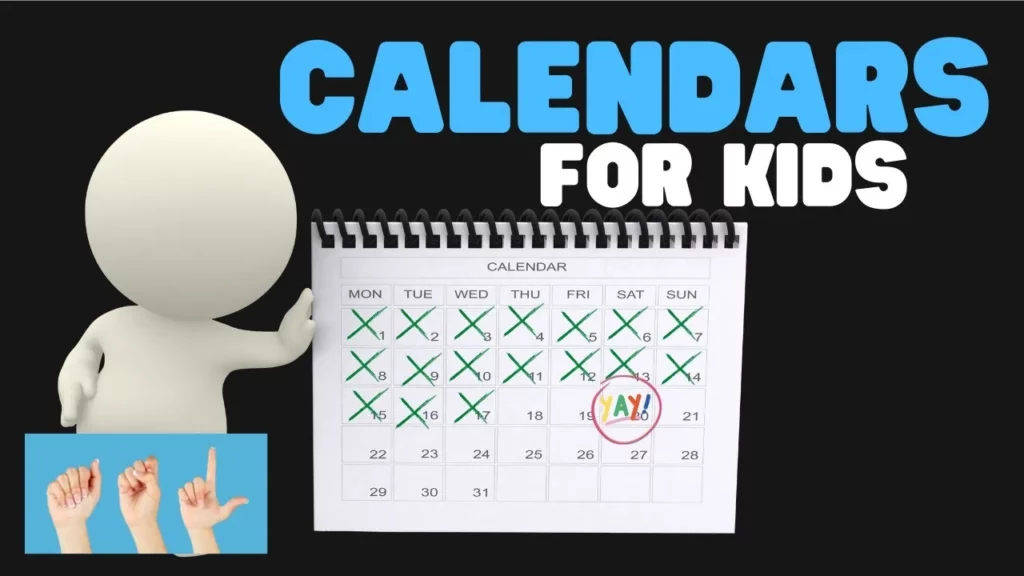
The lesson on “Understanding Calendars and Dates” emphasizes the importance of calendars in organizing events and remembering significant activities. It explains the structure of a year, including the division into months and weeks, the concept of leap years, and how to write dates in different formats. Additionally, it encourages students to reflect on their favorite days of the year and the role calendars play in planning enjoyable activities.
The Korean and Vietnam Wars | Learn all about the wars in Korea and Vietnam
The lesson covers the Korean War and the Vietnam War, highlighting the ideological clash between communism and capitalism that defined these conflicts. The Korean War began in 1950 with North Korea’s invasion of South Korea, leading to a protracted struggle that ended in a ceasefire in 1953, while the Vietnam War, which lasted from 1955 to 1975, involved North Vietnam’s efforts to unify the country against U.S.-backed South Vietnam. Both wars resulted in significant casualties and had lasting impacts on the respective regions, with North Korea remaining isolated and impoverished, while South Korea advanced economically, and Vietnam ultimately became a communist state.
ASL Compare and Contrast Stories
In today’s lesson, we explored the concepts of comparing and contrasting by examining two objects, a baseball and a tennis ball, to identify their similarities and differences. We also applied these skills to two stories, “Roller Coaster” and “The Performance,” highlighting how both feature characters facing fears but differ in their motivations and emotional experiences. Through practice, students can enhance their ability to recognize similarities and differences in various contexts.
ASL Checks and Balances for Kids
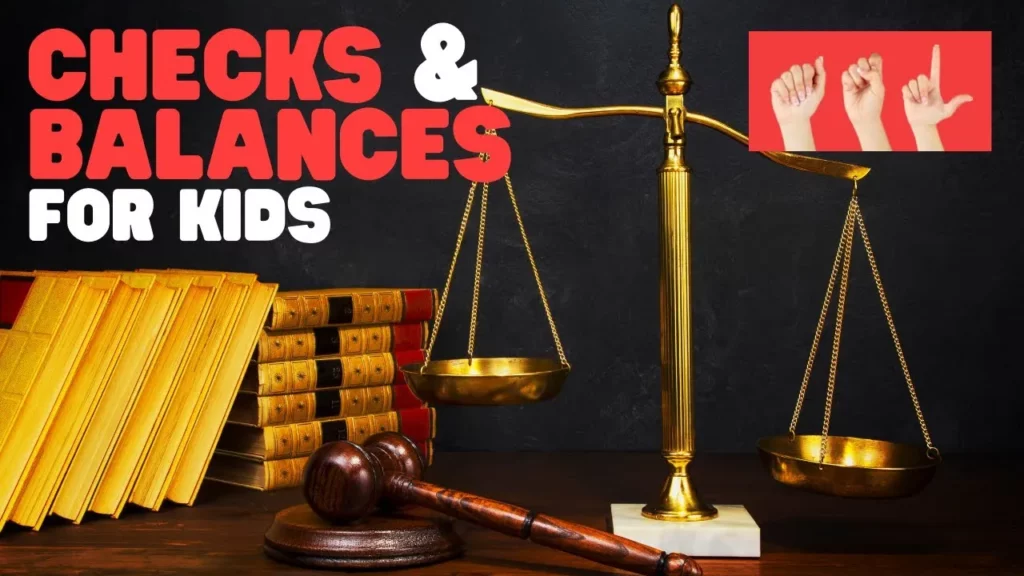
This lesson explains the structure and function of the U.S. government, highlighting the importance of the Constitution in establishing rules for governance. It introduces the three branches of government—legislative, executive, and judicial—and their roles, as well as the system of checks and balances that ensures no single branch becomes too powerful. Understanding these concepts is essential for maintaining a fair and peaceful society.
ASL Newton’s Second Law of Motion
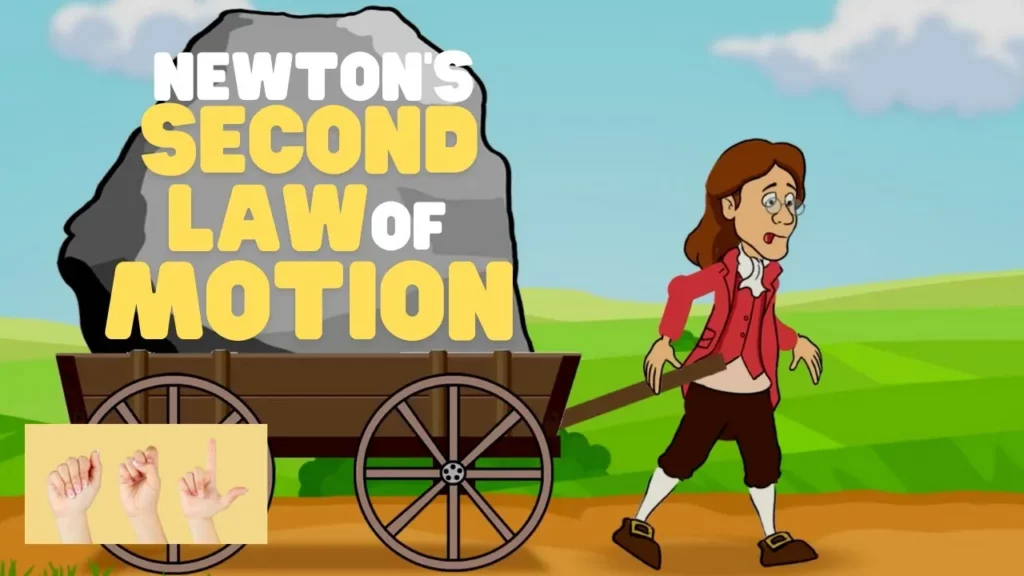
In this lesson, we explored Newton’s Second Law of Motion, which states that Force equals Mass times Acceleration. We learned that force is the push or pull acting on an object, mass is the amount of matter in an object, and acceleration is the change in speed or direction. By understanding how these concepts interact, we can see how they apply to everyday situations, such as playing sports or moving objects.
ASL Electricity for Kids
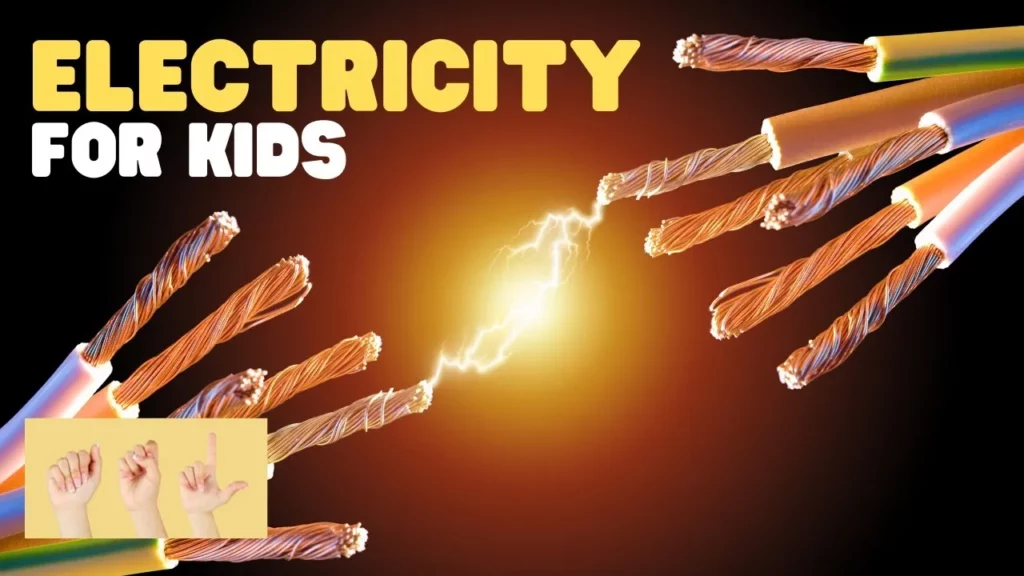
This lesson introduces the concept of electricity, exploring its natural forms, such as lightning, and its everyday applications through batteries and power plants. It explains how electricity is generated by the movement of electrons, differentiating between direct current (DC) from batteries and alternating current (AC) from power plants, while also discussing the roles of conductors and insulators. Additionally, the lesson touches on the history of electricity and includes fun riddles to engage learners further.