
ASL Graphs for Kids
In today’s lesson, we explored the fascinating world of graphs, learning about four main types: pictographs, bar graphs, line graphs, and pie charts. Each type of graph helps us visualize information in different ways, such as using pictures, bars, lines, or sections of a circle to represent data. We concluded by encouraging students to create their own graphs based on questions they have, reinforcing their understanding and skills in graphing.
ASL Facts about Africa for Kids
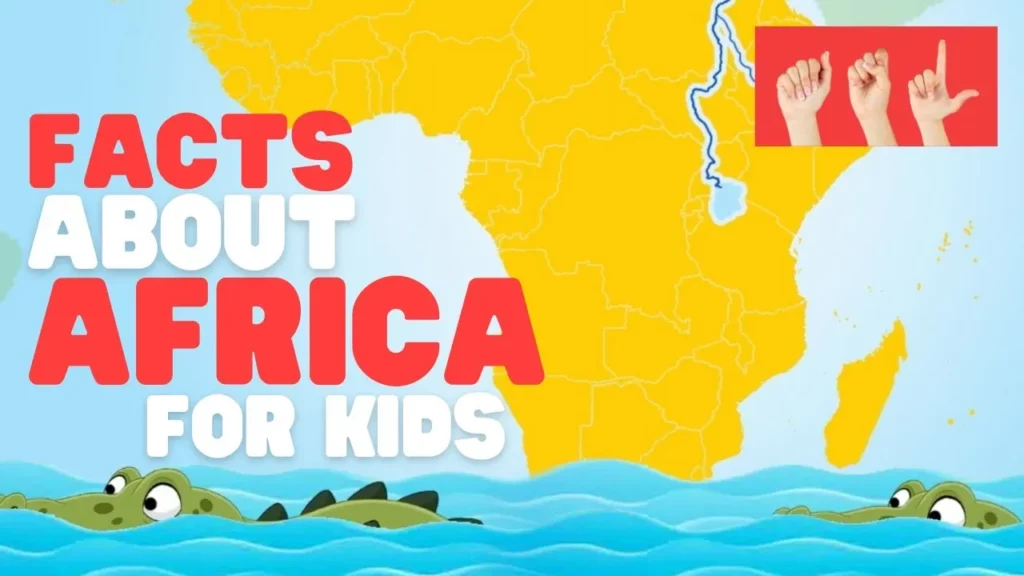
In this lesson, students embark on an exciting exploration of Africa, the second largest continent, known as the “mother continent” due to its rich human history spanning over 5 million years. They discover Africa’s vast diversity, including its 54 countries, over 3,000 ethnic groups, and remarkable geographical features like the Nile River and the Sahara Desert, as well as its incredible wildlife and famous tourist attractions. The lesson concludes with a review of key facts, encouraging students to appreciate Africa’s unique cultural and natural wonders.
ASL The Food Chain for Kids
The lesson “The Journey of Energy: Understanding the Food Chain” explains how energy from the Sun is transferred through the food chain, starting with plants (producers) that use photosynthesis to create food. It highlights the roles of consumers, including primary consumers (herbivores) and secondary consumers (carnivores and omnivores), as well as decomposers that recycle nutrients back into the soil. The lesson encourages students to consider their food choices and understand their place in the food chain, emphasizing the importance of plants for energy.
ASL Water Water Everywhere
In the lesson “All About Water: A Fun Exploration,” students learn about the significance of water for all living things, its composition as H2O, and its various forms—liquid, solid, and gas. The lesson emphasizes the importance of conserving fresh water, as only a small fraction of Earth’s water is drinkable, and provides practical tips for saving water in daily life. Through engaging facts and interactive activities, students are encouraged to appreciate and protect this vital resource.
Proverbs and Adages | Learn all about Proverbs and Adages for Kids
In this lesson, students explore the meanings and uses of proverbs and adages, which are short, wise sayings that offer advice and insights about life. By examining popular examples, such as “Actions speak louder than words” and “The early bird catches the worm,” learners understand that these expressions convey deeper meanings and practical wisdom, often reflecting cultural values and experiences. The lesson encourages students to incorporate these sayings into their conversations and writing to enhance their communication skills and convey valuable lessons succinctly.
ASL Proverbs and Adages
In this lesson, students learn about proverbs and adages, which are short sayings that offer advice and wisdom. The lesson emphasizes the meanings behind various popular proverbs and adages, illustrating how they convey important life lessons and are often passed down through generations. Understanding and using these sayings can enrich conversations and provide valuable insights into human behavior and experiences.
ASL Industrial Revolution for Kids
The lesson on the Industrial Revolution highlights the significant transformation from a handcraft-based economy to one dominated by machine production, beginning in the late 1700s. It discusses the innovations that emerged during this period, such as the cotton gin and sewing machine, which revolutionized industries and led to urban migration, while also addressing the challenges of city life, including overcrowding and child labor. Additionally, advancements in communication and transportation, like the telegraph and railroads, played a crucial role in shaping modern society and facilitating trade.
Abraham Lincoln for Kids | Biography about Abraham Lincoln | What is the Emancipation Proclamation?
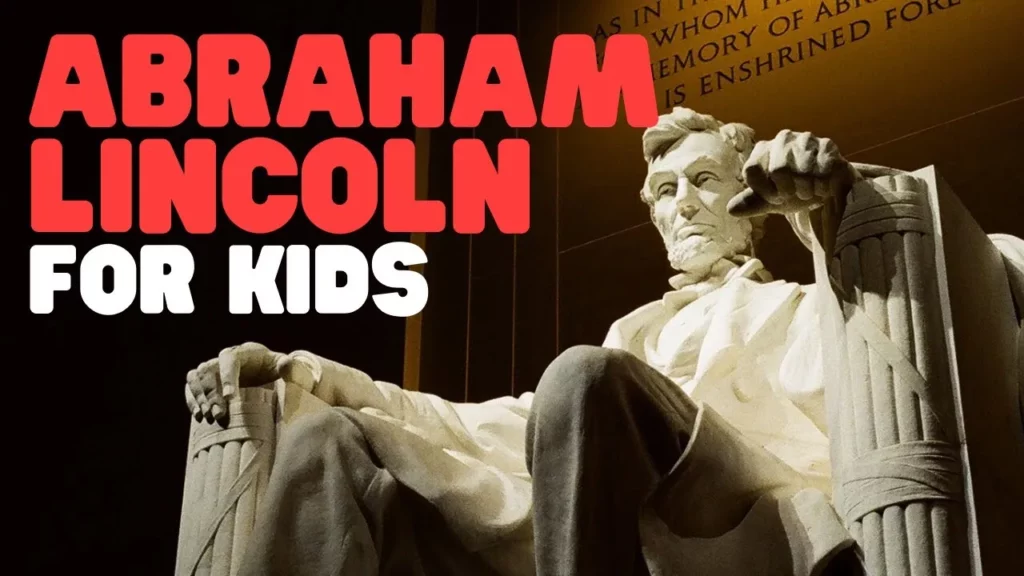
The lesson highlights the life and legacy of Abraham Lincoln, the 16th president of the United States, emphasizing his humble beginnings, rise to leadership, and pivotal role in ending slavery during the Civil War. Key events include his signing of the Emancipation Proclamation, which aimed to free enslaved people, and his impactful Gettysburg Address, which underscored themes of freedom and equality. Lincoln’s enduring influence is celebrated through various memorials and his recognition as one of America’s greatest leaders.
What Is Biofuel? | Biomass and biofuels for kids
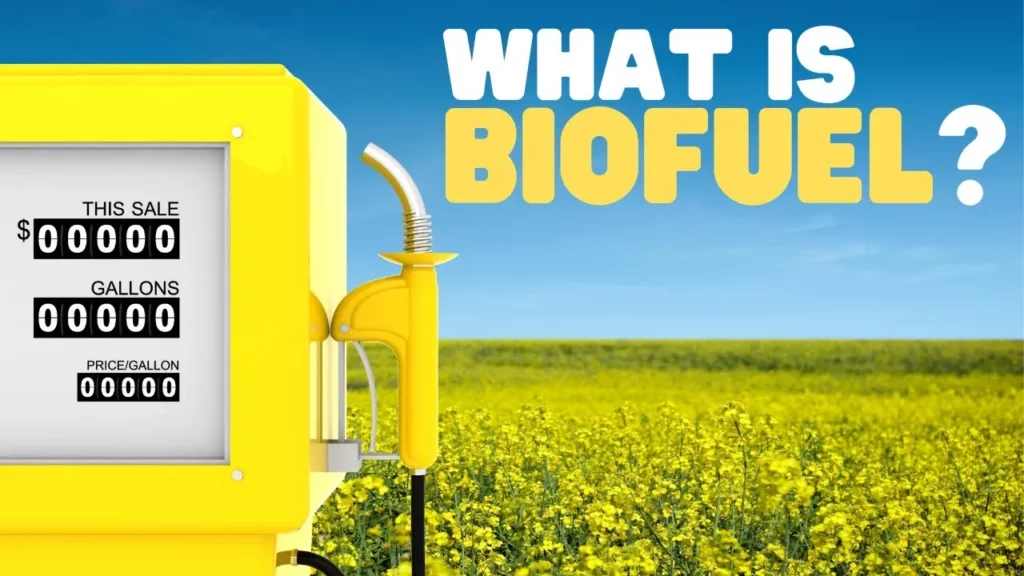
The lesson on “Understanding Biomass and Biofuels” explains the concepts of biomass, which refers to matter derived from living organisms, and biofuels, which are renewable energy sources made from biomass. It highlights the advantages of biofuels, such as reduced pollution and sustainability compared to fossil fuels, while also addressing potential challenges like production costs and land use for energy crops. Overall, the lesson emphasizes the importance of biofuels as a cleaner energy alternative for the future.
ASL Ancient Rome for Kids
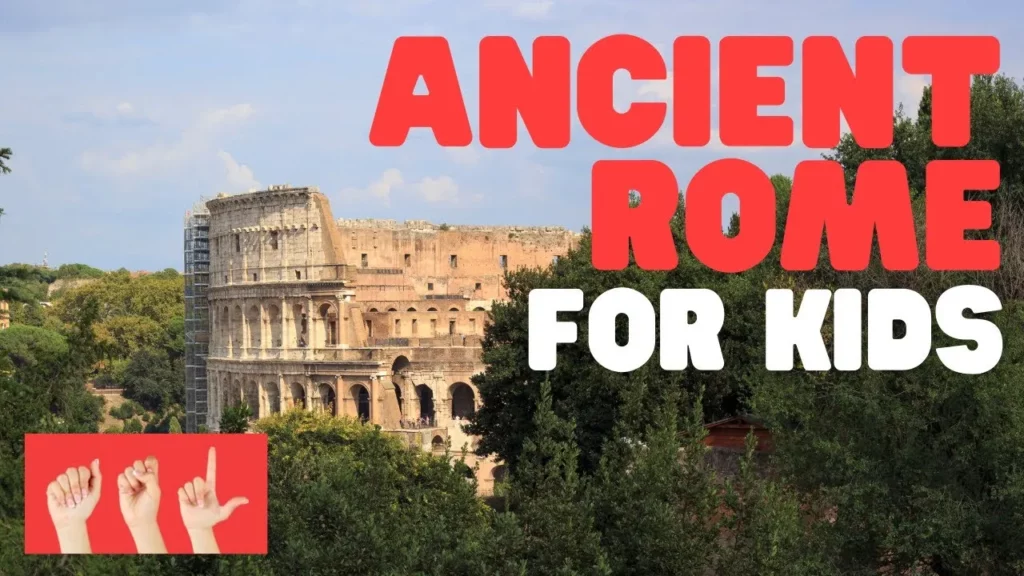
In this lesson, students explore the rich history of Ancient Rome, from its humble beginnings as a small town along the Tiber River to its rise as a powerful empire. Key topics include the transition from a republic to an empire under Julius Caesar and Augustus, the social challenges faced by its citizens, and the cultural practices that defined Roman life. The lesson concludes by highlighting the lasting influence of Roman law and culture, despite the eventual fall of the empire.