
How to Calculate Perimeter | Calculating Perimeter is easy! Learn how with real world examples.
In this lesson, students learn about the concepts of perimeter and area, focusing on rectangles and squares. The perimeter is defined as the total distance around a shape, calculated by adding the lengths of all sides, while the area represents the space inside a shape, found by multiplying length by width. The lesson also covers how to approach irregular shapes by breaking them down into smaller rectangles or squares for easier calculation.
Basic Multiplication for Kids | A quick (but fun) multiplication introduction
In this lesson, we explored the concept of multiplication as a quicker way to add the same number multiple times, using examples to illustrate how it works. We learned important terms such as “factors” and “product,” as well as key multiplication rules, including the commutative and associative properties. The lesson also introduced the multiplication table as a helpful tool for finding products efficiently.
ASL Constellations for Kids
In this lesson, students explore the vastness of the universe, learning that our Milky Way galaxy contains over 300 billion stars, while there are trillions of stars across approximately 100 billion galaxies. They discover the concept of constellations—patterns formed by stars that have historical and mythological significance—and learn about famous constellations like Hercules, Orion, and Pegasus, as well as the importance of stargazing for navigation and agriculture. The lesson encourages curiosity about the night sky and invites students to engage in stargazing as a fun and educational activity.
ASL The Declaration of Independence
The lesson outlines the journey to American independence, beginning with the establishment of the Jamestown settlement in 1607 and the growing tensions between the 13 colonies and Great Britain by the 1770s. It highlights key events such as the imposition of taxes without representation, the Boston Tea Party, and the formation of the Second Continental Congress, which led to the drafting of the Declaration of Independence in 1776. This declaration articulated the colonists’ grievances against King George III and their desire for self-governance, ultimately culminating in the Revolutionary War and the birth of a new nation.
ASL Financial Literacy—Calculating Sales Tax
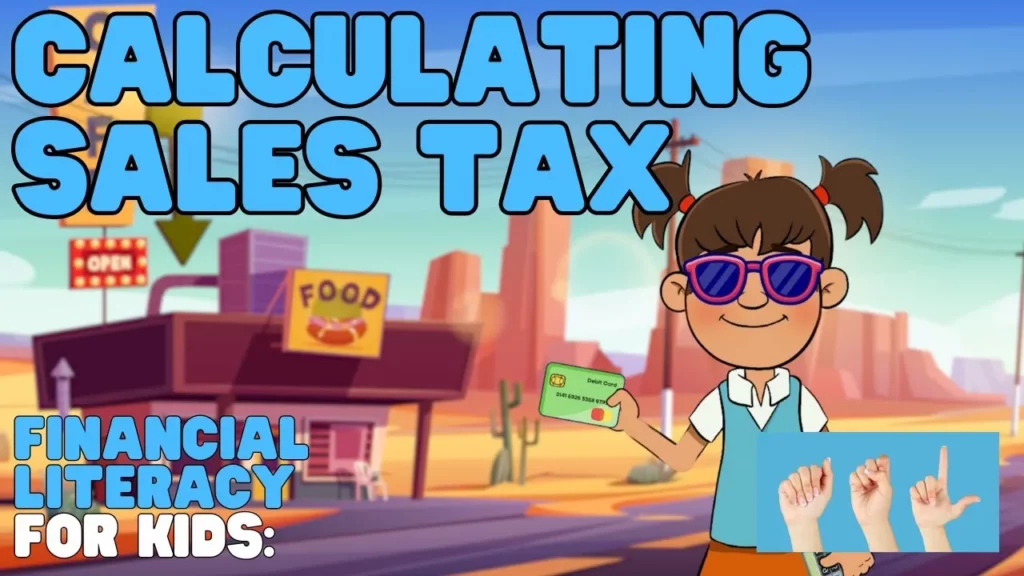
This lesson introduces the concept of sales tax, explaining that it is an additional charge on purchases that helps fund public services like road repairs and education. It provides a practical example of how to calculate sales tax using a specific item, guiding learners through the steps to determine the total cost including tax. The lesson encourages students to practice calculating sales tax on their own, promoting financial literacy in a fun and engaging way.
Venomous Snakes for Kids | Learn fun facts about venomous snake species
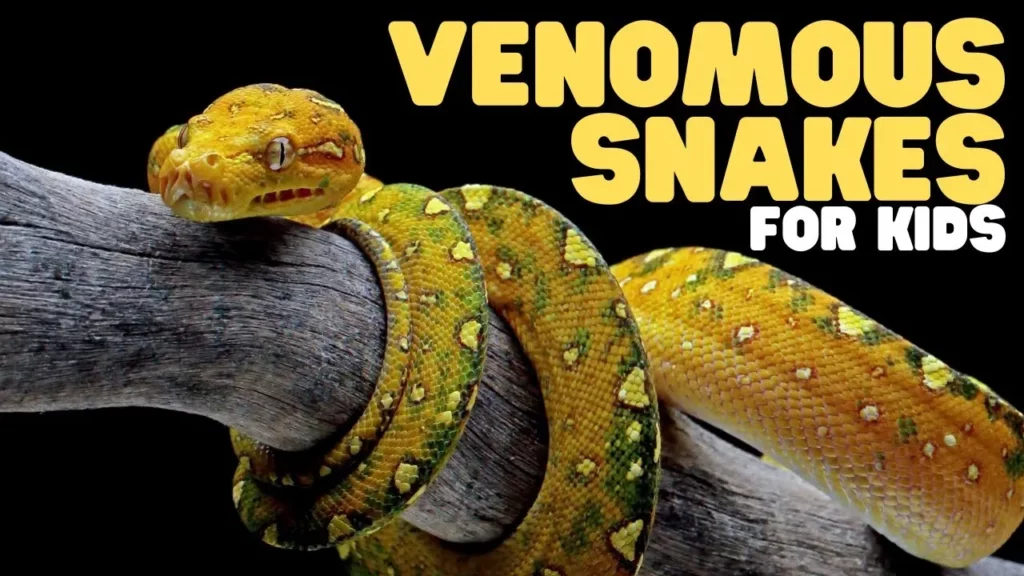
In this lesson, we explored the fascinating world of venomous snakes, highlighting their unique characteristics, habitats, and diets. We learned that while many snakes are harmless, venomous species possess specialized fangs to inject venom into their prey, and they play a crucial role in controlling pest populations in their ecosystems. Additionally, we discussed the importance of respecting snakes and maintaining safety around them, as many species face threats from habitat loss.
Whales for Kids | Learn all about toothed and baleen whales
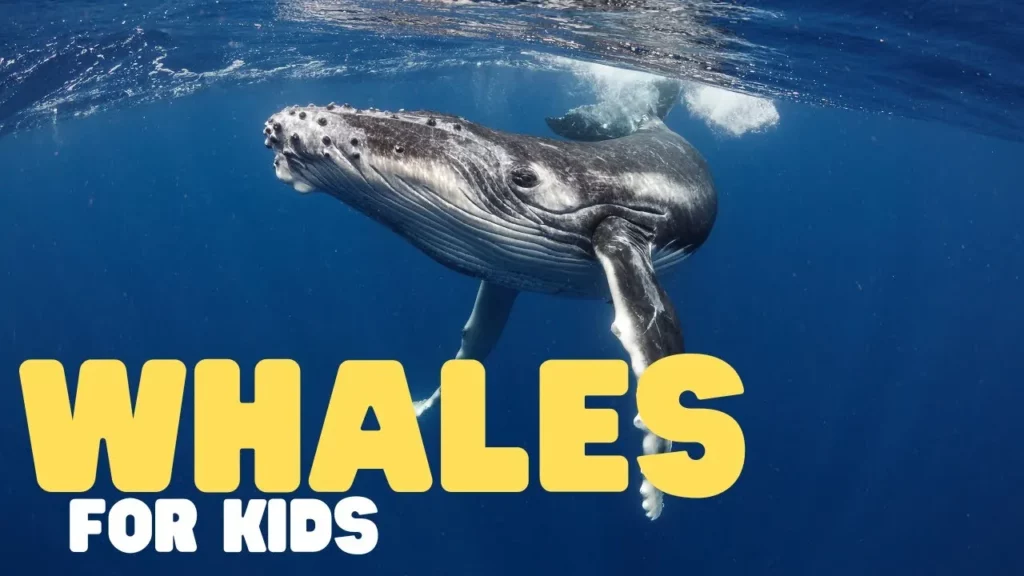
In this lesson, students explored the fascinating world of whales, learning that these massive marine mammals breathe air, are warm-blooded, and give birth to live young. The lesson covered the two main types of whales—toothed and baleen—along with their diets, communication methods, and the crucial role they play in maintaining ocean health. Additionally, students discovered interesting facts about the largest whale, the blue whale, and the importance of conservation efforts to protect these incredible creatures.
ASL Fact and Opinion for Kids
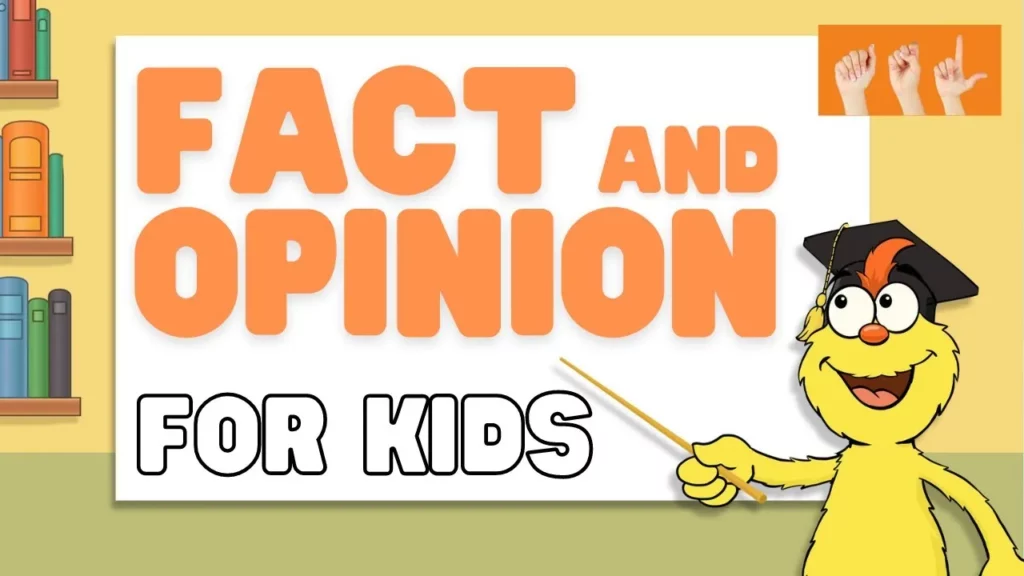
In today’s lesson, we explored the difference between facts and opinions through the story of Andrew and his family’s food preferences. Andrew learns that while opinions are personal beliefs that can vary from person to person, facts are statements that can be proven true. Understanding this distinction is important for appreciating diverse perspectives and making informed decisions.
ASL Ancient Mesopotamia for Kids
The lesson on ancient Mesopotamia explores the emergence of the first civilization, highlighting its geographical location, the development of agriculture, and the rise of city-states like Sumer. It emphasizes the significance of religion, social hierarchy, and the establishment of laws, particularly the Code of Hammurabi, while also noting the innovations and lasting impact of this civilization on future societies. Additionally, ongoing archaeological discoveries continue to enhance our understanding of Mesopotamia’s historical significance.
ASL Phases of the Moon
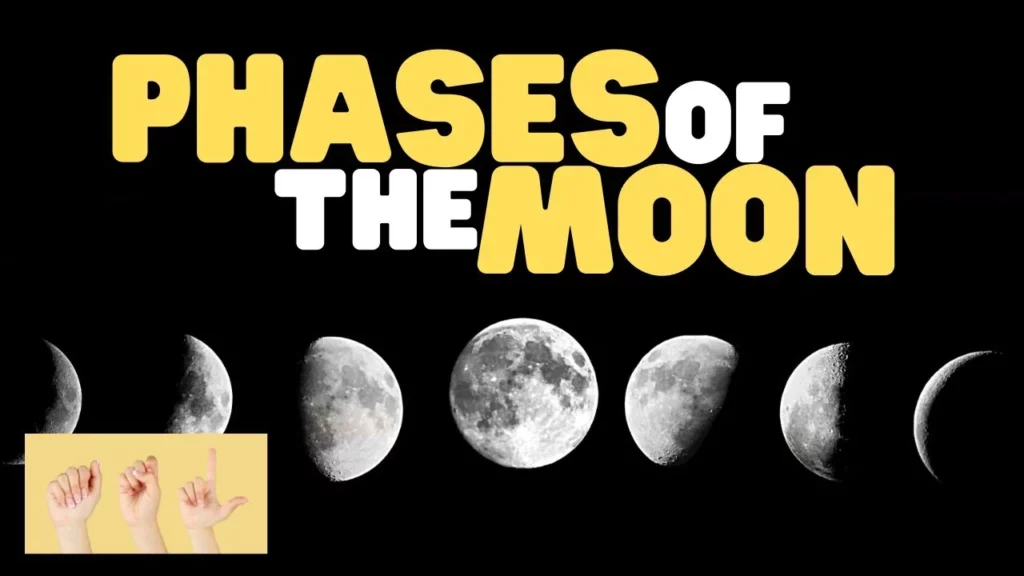
The lesson explores the Moon as a natural satellite of Earth, detailing its composition, size, and the history of human exploration. It explains the Moon’s phases, which result from sunlight reflecting off its surface, and describes how these phases cycle from new moon to full moon and back. Additionally, the lesson highlights the Moon’s influence on ocean tides and its lack of atmosphere, making it a unique and fascinating celestial body.